Artificial Intelligence
The Surge Of AI IPOs: How AI Companies Are Building Business
Share
TL;DR
-
SpaceX completed the largest IPO in history on June 12, 2026, raising $75 billion and briefly making Elon Musk the world's first trillionaire.
-
OpenAI confidentially filed for an IPO targeting a valuation above $1 trillion, after closing a $122 billion funding round in March 2026.
-
Anthropic filed a week earlier, with revenue that overtook OpenAI's and a private valuation already pegged at $965 billion post-money.
-
All three companies need the extra capital mainly to cover compute, data centers, and the cost of running AI at scale.
-
Public listings offer a faster, larger pool of money than venture funding, but they also bring new pressure to prove profitability.

Introduction
Show me the money!
This line from Jerry Maguire (1996) became one of the movie's most quoted moments, right alongside "You complete me."
For those unfamiliar, the line comes from the moment when Jerry gets fired for writing and circulating a 25-page mission statement that criticized the profit-driven sports agency he worked for. The memo argued for taking on fewer clients in exchange for stronger personal relationships, putting people ahead of profit.
On his last day, Jerry planned to start his own agency and sway key clients before he officially left, and the only one he managed to woo, American football player Rod Tidwell, would join Jerry's agency only if he would scream, "Show me the money!"
The line became a cult classic quote, highlighting the importance of making money.
Fast forward three decades, and it's the artificial intelligence (AI) companies screaming the quote as they file for IPOs (initial public offerings). The purpose is simple: they need more money to keep their servers running, water flowing, and outputs generating, as they strive to meet rapidly growing demand.
So, which AI companies are turning to IPOs to keep their ambitions funded, and what is the market expectation from these moves?
The Surge Of AI IPOs: How AI Companies Are Building Business
While several prominent AI companies are already publicly traded, the recent IPO trend is being driven by the biggest names in the field.
Over the past few months, OpenAI and Anthropic have confidentially submitted draft S-1 filings, giving them the option to launch IPOs to fund their growth ambitions. Both filings reportedly value the two companies in the hundreds of billions of dollars, with listings expected later this year.
However, while they still iron out the details, Elon Musk's SpaceX has already executed this plan. That's where we're going to begin.
SpaceX
Elon Musk's SpaceX turned the largest IPO in history into a reality on June 12, 2026, when it began trading on the Nasdaq under the ticker SPCX. The company sold 556 million shares at $135 each, raising $75 billion and setting an opening valuation of about $1.77 trillion.
Shares jumped 19% on debut day, closing at $160.95, and the rally continued into the following week, briefly pushing SpaceX's market cap above $2.2 trillion and past both Amazon and Microsoft.
However, this jump didn’t last long. Within days, the stock pulled back sharply, falling roughly 27% from its peak as the broader Mega-AI IPO enthusiasm cooled, and investors started picking apart the company's actual numbers.
Those numbers tell a more complicated story than the valuation suggests. SpaceX brought in $18.67 billion in revenue in 2025, with Starlink accounting for 61%, or $11.4 billion, of that total. The connectivity business is genuinely profitable, posting $4.4 billion in operating profit.
The company as a whole, though, posted a GAAP net loss of $4.9 billion for the year, driven largely by Starship development costs and its February 2026 acquisition of xAI, Elon Musk’s AI venture behind the Grok chatbot, which already owned the social networking platform, X.
That acquisition folded a third, capital-intensive business line into the IPO story, one that Musk has framed around an ambitious idea: building data centers in space to get around the power and cooling limits of running AI on Earth.
Meanwhile, SpaceX is making money off its competitors. Anthropic agreed to pay SpaceX $1.25 billion a month through May 2029 for compute capacity at its COLOSSUS data centers, adding a steady new revenue stream that has nothing to do with rockets or satellites. The information was disclosed in SpaceX’s Form S-1 filing with the SEC (Securities and Exchange Commission) on May 20, 2026.
What The SpaceX IPO Did For Elon Musk
The IPO also made Elon Musk the world's first trillionaire, briefly.
His roughly 42% pre-IPO stake, paired with Class B shares carrying 10 votes each, gave him about 82.4% of voting control after the listing and a paper stake once worth more than $866 billion.
However, with SpaceX's valuation swinging since its debut, so has its net worth, dropping it back below the trillion-dollar mark days later, even as the company itself remains worth well over a trillion dollars.
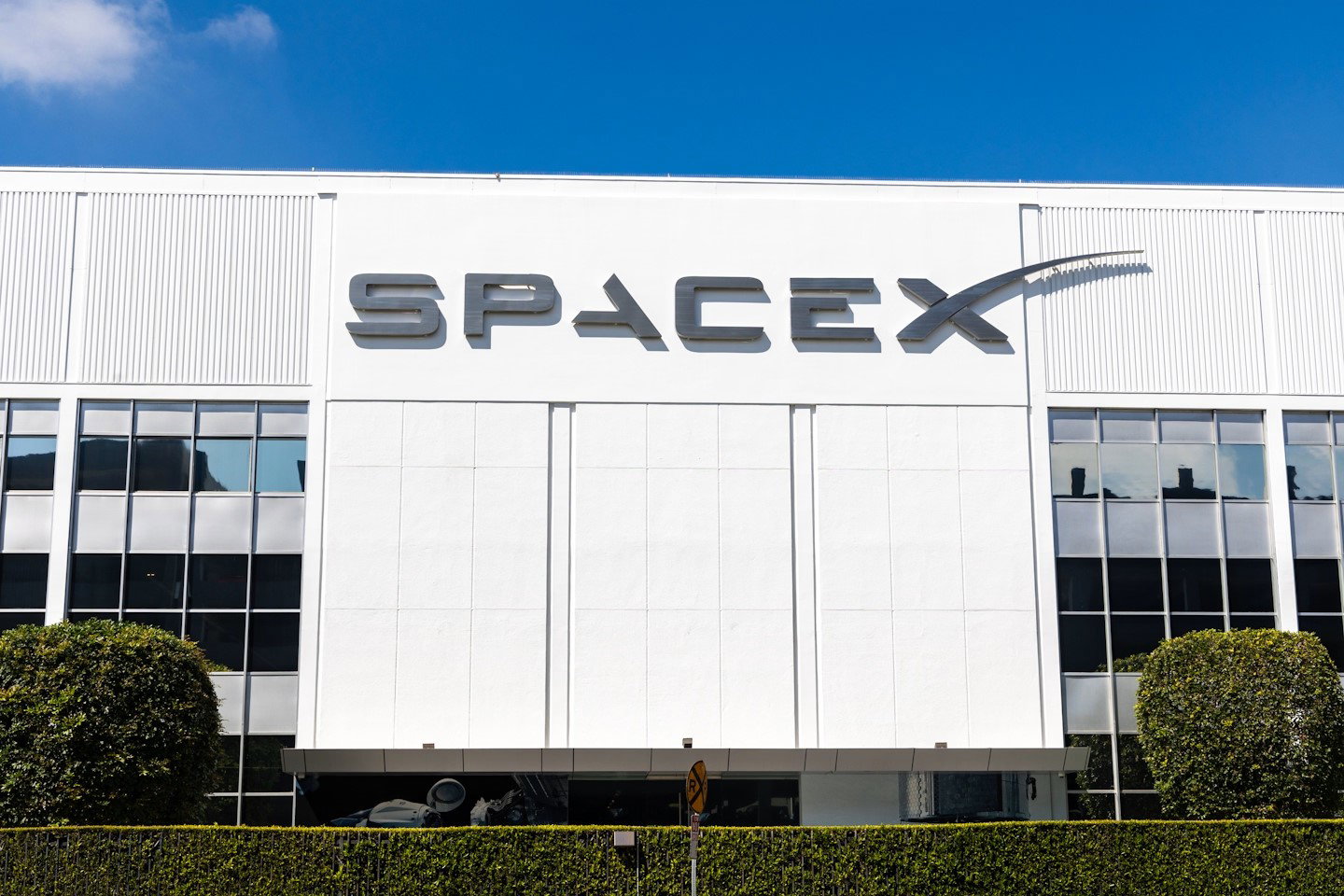
In the end, SpaceX got there first, but it's far from the only AI-adjacent company asking the public markets to show it the money.
OpenAI
While OpenAI has been embroiled in IPO plans for a while, the company confidentially filed its own paperwork with the SEC on June 8, 2026, targeting a valuation north of $1 trillion.
Goldman Sachs and Morgan Stanley are leading the process, though OpenAI has been clear that timing isn't locked in, and the actual listing could slip. The company has already hired Cynthia Gaylor, DocuSign's former CFO, as its first head of investor relations, a sign that it's building the kind of public-company infrastructure a listing requires.
The filing follows OpenAI's $122 billion funding round, which closed on March 31, 2026, at an $852 billion post-money valuation, with SoftBank, Amazon, Nvidia, and several other investors participating.
Revenue has kept pace with the hype: OpenAI's annualized run rate climbed to somewhere between $20 billion and $25 billion by mid-2026 ($2 billion per month), up from just $3.7 billion in 2024, fueled by ChatGPT subscriptions, API usage, and a fast-growing enterprise business.
That growth comes at a steep cost. OpenAI is projected to lose tens of billions of dollars in 2026 alone, with cumulative losses through 2029 forecast above $100 billion, largely tied to its Stargate infrastructure project and multi-hundred-billion-dollar compute commitments to Oracle, Microsoft Azure, and AWS.
A legal hurdle was cleared out of the way in May 2026, when a jury found Elon Musk's lawsuit against OpenAI time-barred, removing one more obstacle on the road to a listing.
With ChatGPT now pulling in more than 900 million weekly users, OpenAI has the user base and the brand recognition to make this one of the top AI IPO to look out for once it actually prices, even if its biggest rival has been moving faster on the numbers that matter most to underwriters.
Anthropic
Anthropic actually moved before OpenAI.
The company confidentially filed its S-1 on June 1, 2026, a week ahead of OpenAI, and is reportedly targeting a Nasdaq listing as early as October 2026. Its underwriting conversations reportedly include Goldman Sachs, JPMorgan, and Morgan Stanley, the same names circling OpenAI's deal.
What makes Anthropic's filing different is the revenue story behind it. Annualized revenue jumped from roughly $9 billion at the end of 2025 to $47 billion, a pace that pushed it past OpenAI's own run rate for the first time.
More than 1,000 enterprise customers now spend over $1 million a year with the company, and eight of the Fortune 10 are reportedly Claude customers. Claude Code, the company's coding assistant, hit a $2.5 billion annualized run rate within months of launch and now reportedly authors a meaningful share of public GitHub commits.
Add to this the widespread appreciation and compliments Anthropic’s Fable and Mythos have been receiving; tools so powerful they’re facing high levels of scrutiny from the U.S. government.
That kind of enterprise-first growth has pushed secondary market interest and Anthropic public market valuation estimates above $800 billion, a number Anthropic has reportedly turned down as too low.
The Anthropic IPO is expected to trigger a fresh wave of comparisons with OpenAI's listing, but the two companies are pitching different stories to investors. OpenAI is selling scale, consumer reach, and a decade-long head start. Anthropic is selling growth rate and enterprise stickiness, the kind of recurring, high-value contracts that tend to hold up better once Wall Street starts asking hard questions about margins.
Whichever story lands better with investors, both companies are betting that public markets, not another private funding round, are what their next phase of growth actually requires.
Other AI Companies And IPOs
SpaceX, OpenAI, and Anthropic are the headline acts, but they're far from alone.
AI chipmaker Cerebras Systems priced its IPO in late May 2026, raising $5.5 billion at a fully diluted valuation of $56.4 billion, after walking away from an earlier IPO attempt in 2024. The company closed its first day of trading at $311 per share, but a month after its IPO, it was down to $218. As of June 25, 2026, Cerebras had fallen below its IPO price, closing around $182.
CoreWeave, the NVIDIA-backed GPU cloud provider, has been public since March 2025 and has more than doubled investors' money since, proof that the appetite for AI infrastructure stocks didn't fade. Speaking of NVIDIA, while the company is at the center of the AI sector, it isn’t an out-and-out AI company. Still, it began trading publicly on January 22, 1999.
Databricks, the data and AI platform last valued at around $134 billion privately, is widely expected to file next, though it hasn't committed to a timeline.
Databricks remains a major IPO candidate, but it is reportedly leaning toward another private raise rather than rushing into the 2026 IPO window.
Then there's Allbirds. The sneaker brand, once worth $4 billion, sold off its shoe business and rebranded as an AI compute provider called NewBird AI, and its stock jumped 582% in a single day. While the new company, with a new CEO, hasn’t soared far away in its net worth despite the move, it shows that even a struggling shoe brand can become an "AI story" overnight.
That's how strong the AI lure has gotten.
Why Are AI Companies Looking To IPOs For More Money?
Private funding once covered almost all of AI's capital needs, but that math has changed.
Training frontier models, building data centers, and securing enough compute now costs more than even the largest venture rounds can comfortably sustain, which is why so many AI companies are turning to technology public listings instead of another private raise.
Wondering what the primary revenue models are for growth-stage AI companies?
It’s mostly subscriptions, enterprise contracts, and API consumption. The trouble is that even fast-growing revenue hasn't caught up with the spending. Compute, electricity, and water for cooling data centers are recurring costs that scale with usage; not one-time expenses a single funding round can cover indefinitely.
IPOs solve a few problems that venture capital can't.
They raise far more money in a single event than even a mega funding round, they create a public stock that companies can use to pay employees and make acquisitions, and they put a market-set price on a company instead of a privately negotiated one. For SpaceX, OpenAI, and Anthropic, all three matter as they build out the infrastructure-heavy side of their artificial intelligence business models.
There's also a sense of timing.
With three of the biggest names in AI joining a fast-filling technology IPO pipeline in the same year, none of them want to be the company still waiting on the sidelines while competitors lock in cheaper public capital first. As enterprise contracts grow into the biggest line item for both OpenAI and Anthropic, enterprise generative AI monetization is quickly becoming the metric investors will judge these IPOs by, not just user counts or hype.
Topics For More Insights
Conclusion
The AI IPO Surge 2026 marks a turning point for an industry that spent years running almost entirely on private capital. SpaceX has already shown what a public listing can do for a company chasing trillion-dollar ambitions, and OpenAI and Anthropic are set to follow with their own filings. However, the real test is if Wall Street will keep rewarding these valuations the way private investors did.
Frequently Asked Questions
Which Major AI Companies Are Going Public In 2026?
SpaceX led the way, completing its Nasdaq debut on June 12, 2026, in the largest IPO in history. OpenAI and Anthropic have both confidentially filed for their own listings, with Anthropic targeting as early as October 2026 and OpenAI still finalizing its timeline.
How Does An IPO Differ From A Private Funding Round?
A private funding round sells equity to a limited group of investors, like venture firms or sovereign wealth funds, at a price they negotiate directly with the company. An IPO sells shares to the public on a stock exchange, where the price is set by market demand rather than private negotiation, and it usually raises far more capital in a single event.
What Happens To A Company's Existing Investors After It Goes Public?
Early investors and employees typically can't sell their shares right away. Most IPOs include a lockup period, often 90 to 180 days, during which insiders are restricted from selling, which helps prevent a flood of shares from hitting the market and crashing the price right after listing.
Fri, Jun 26, 2026

Enjoyed what you've read so far? Great news - there's more to explore!
Stay up to date with the latest news, a vast collection of tech articles including introductory guides, product reviews, trends and more, thought-provoking interviews, hottest AI blogs and entertaining tech memes.
Plus, get access to branded insights such as informative white papers, intriguing case studies, in-depth reports, enlightening videos and exciting events and webinars from industry-leading global brands.
Dive into TechDogs' treasure trove today and Know Your World of technology!
Disclaimer - Reference to any specific product, software or entity does not constitute an endorsement or recommendation by TechDogs nor should any data or content published be relied upon. The views expressed by TechDogs' members and guests are their own and their appearance on our site does not imply an endorsement of them or any entity they represent. Views and opinions expressed by TechDogs' Authors are those of the Authors and do not necessarily reflect the view of TechDogs or any of its officials. While we aim to provide valuable and helpful information, some content on TechDogs' site may not have been thoroughly reviewed for every detail or aspect. We encourage users to verify any information independently where necessary.
Loading comments...