

Consumer Electronics Technology
Top Reasons Why The Mac Pro Failed
Share
TL;DR
-
The Mac Pro was launched in 2006 with high expectations but faced numerous design flaws and issues with performance, which led to its eventual discontinuation.
-
It struggled with poor thermal management, limited upgradability, and was not built with the future in mind.
-
Competitors like Dell and HP provided better performance and features at much lower prices.
-
The shift to Apple Silicon, with the introduction of models like the MacBook Pro and Mac Studio ultimately led to the death of the Mac Pro.
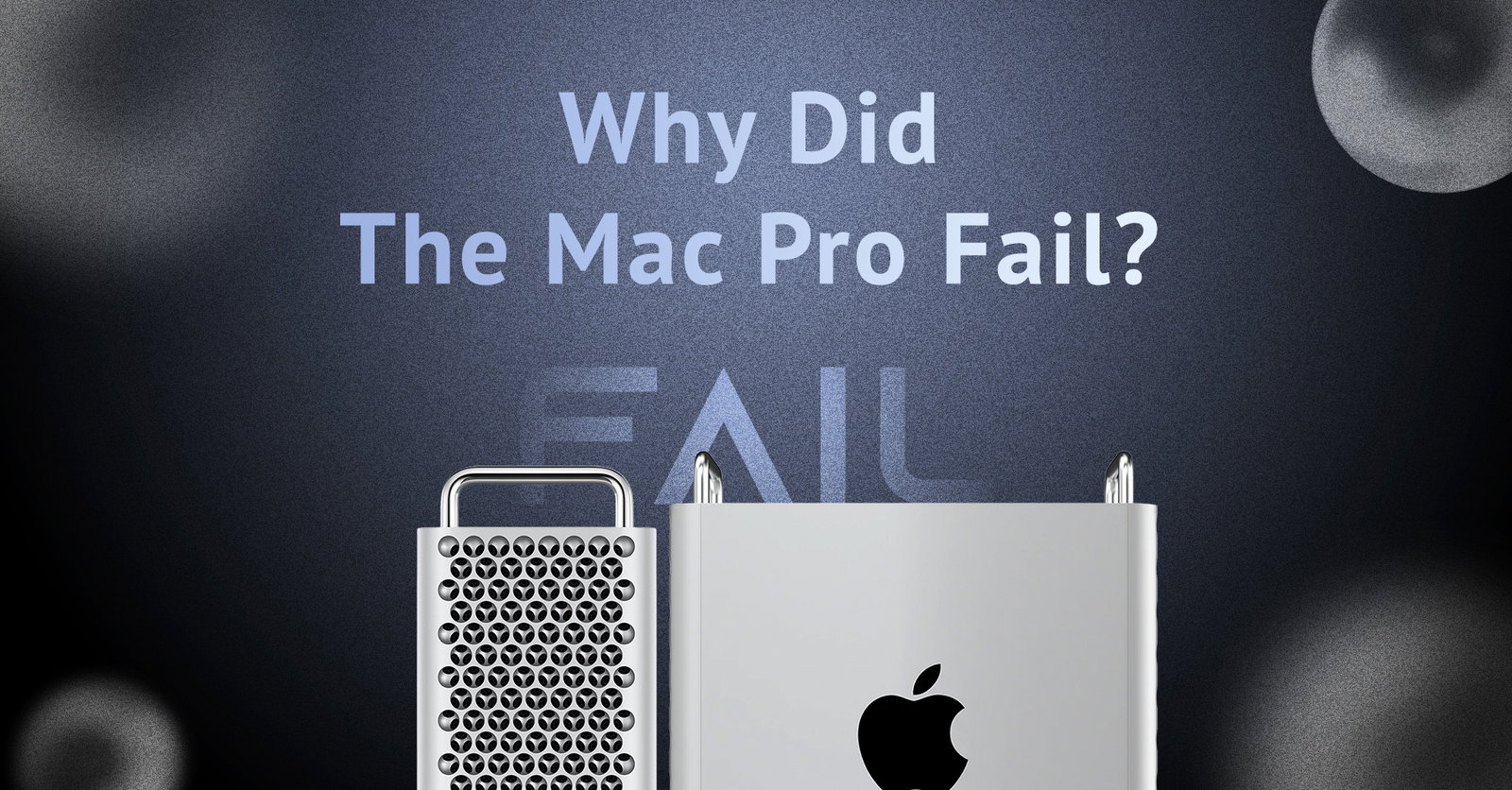
Introduction
On August 7th, 2006, Apple launched the Mac Pro. Excitement was palpable. Professionals hoped that after years of waiting, the new desktop would be the ultimate powerhouse that was capable of even the most demanding tasks.
However, as the dust began to settle, the story of the Mac Pro became one of disappointment, akin to the highly anticipated Star Wars, The Rise of Skywalker, which despite its huge fanbase and expectations, flopped miserably at the box office.
The Mac Pro’s journey has been no different, one that started with high hopes, but ultimately ended in frustration due to a series of design flaws, performance issues, and many missed opportunities.
Introducing The Mac Pro
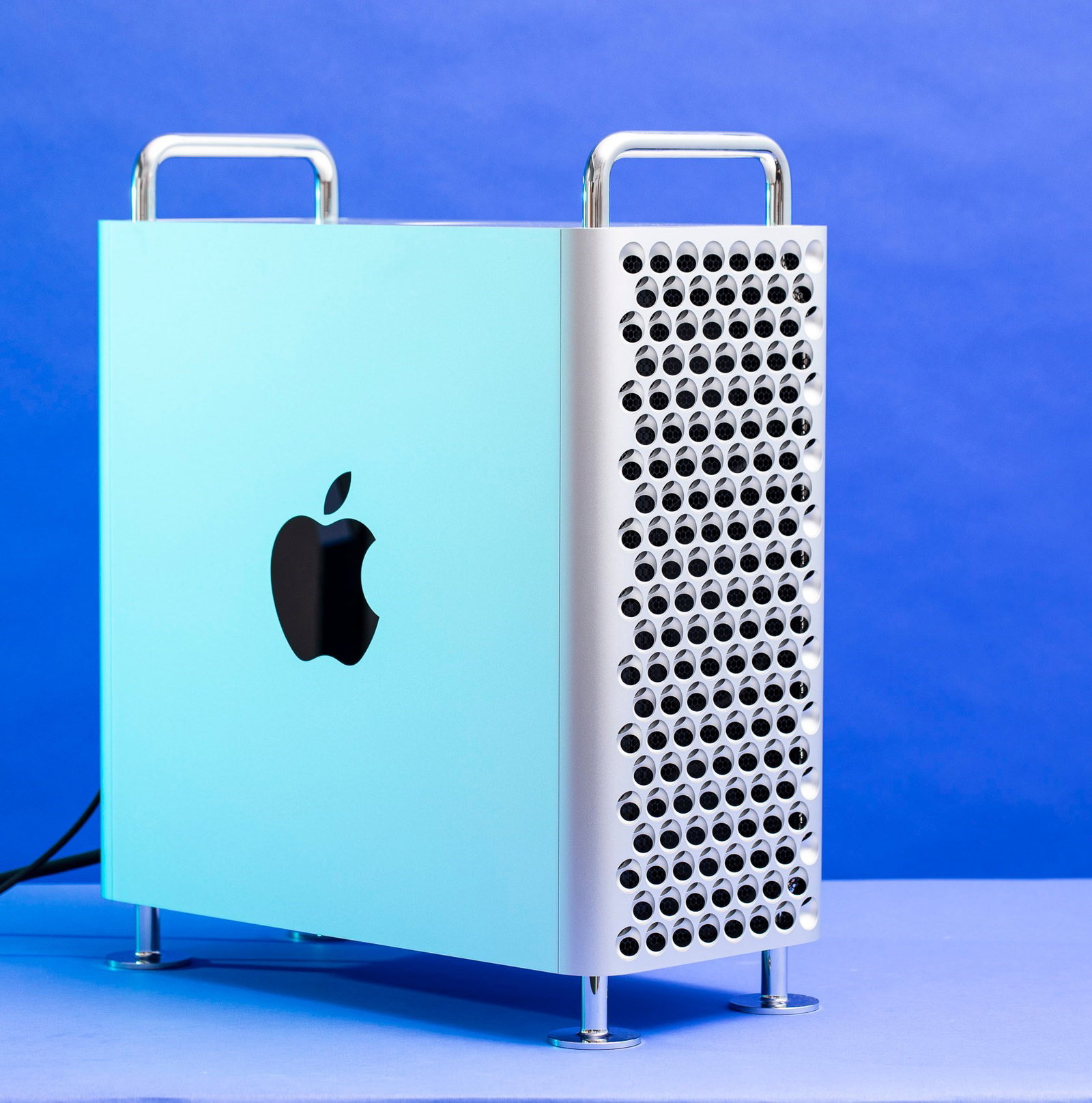
The Mac Pro was designed with the modern professional in mind. Apple aimed to deliver a workstation capable of handling everything from 3D rendering to complex video editing, positioning it as the ultimate solution for users who demanded both power and reliability.
Built for professionals across creative fields such as film production, graphic design, and music composition, the Mac Pro addressed the growing need for a desktop that could keep up with increasingly complex workflows.
Apple responded by placing a strong emphasis on cutting-edge hardware, equipping the Mac Pro with Intel Xeon processors with up to 28 cores, dual AMD Radeon Pro Vega II GPUs, and support for up to 1.5TB of high-bandwidth memory.
At the same time, the Mac Pro entered a competitive landscape alongside powerful workstation desktops like Dell Precision and HP Z. While these systems offered comparable performance and flexibility, Apple distinguished its offering through a unique design approach and tight integration with macOS. The Mac Pro also played a key role in expanding Apple’s professional product lineup, complementing devices like the iMac Pro, MacBook Pro, and Mac Mini, and helping bridge the gap between consumer desktops and the evolving needs of high-end users.
With its positioning firmly rooted in performance and professional workflows, the Mac Pro’s true capabilities come into focus when we break down the features that power this machine.
Features Of The Mac Pro
To support its positioning as a high-performance workstation, the Mac Pro was equipped with a range of powerful features designed to handle demanding professional workflows with ease
-
High End Processors
The Mac Pro was built with Intel Xeon W-Series processors, which configurations ranging from 8 to 28 cores. This enabled demanding workloads such as video editing and scientific simulations. Xeon chips were designed for high end server workloads.
-
Durable Build
The Mac Pro featured a high-quality aluminium chassis. Its controversial cylindrical “trash can” design was visually striking, but less practical compared to traditional tower designs.
-
Advanced Graphics
The Mac Pro came equipped with AMD Radeon Pro Vega II GPUs capable of handling 4K/8K video editing and 3D rendering.
-
Support For Multiple Displays
The Mac Pro supported up to 6 4K displays through its Thunderbolt 3 ports, allowing for easy daisy-chaining of displays. Users could display additional monitors without the need for additional graphics cards or external displays.
However, despite these impressive specifications and Apple’s ambitious vision, the Mac Pro’s design and execution revealed several critical shortcomings that ultimately impacted its long-term success.
Why Did The Mac Pro’s Design Fail?
Despite its powerful hardware and bold positioning, the Mac Pro’s design introduced several limitations that affected its practicality and long-term usability for professional users.
-
Aesthetics Over Functionality
Apple focused on creating a visually appealing product while designing the Mac Pro, which unintentionally led them to prioritize aesthetics over functionality. The cylindrical design was unique but had limited internal space.
-
Poor Thermal Architecture
Thermal management was a significant issue for the Mac Pro. The compact design left very little room for effective cooling, and this caused overheating during demanding tasks. Under heavy loads, the system was extremely unstable.
-
No Room For Future Upgrades
One of the biggest disappointments for Mac users was the Mac Pro’s lack of upgradability. The machine was not designed to be modular, and this flaw made it impossible for users to upgrade crucial components of the system like the GPU and storage. This automatically reduced the lifespan of the machine for those who relied on consistent software updates.
-
Difficult Maintenance And Repairs
The design of the Mac Pro also made it very difficult to conduct repairs or maintenance. It was not user-friendly for upgrades or repairs, which forced users to rely on Apple’s expensive repair services. Additionally, the compact and sealed nature of the machine meant that many components were difficult to access. This led to acutely long repair times.
-
High Cost Vs. Limited Value
The Mac Pro, like most of Apple’s devices, was priced at a premium. Many users, however, did not feel like the desktop gave them value to justify the immense price tag. For a better price, competitors offered more customizable and powerful solutions that were more suited towards the needs of the user.
-
Timing Of Release
For several years, Apple delayed the launch of the Mac Pro. This led to pent up demand that ultimately, was not at all what was expected by Apple’s customers. When it finally released, it was met with mixed reactions, as many had already moved on with an alternative solution from competitors in the meantime.
These design limitations had a direct impact on the Mac Pro’s real-world performance, which becomes even more evident when examining how the system held up under evolving industry demands.
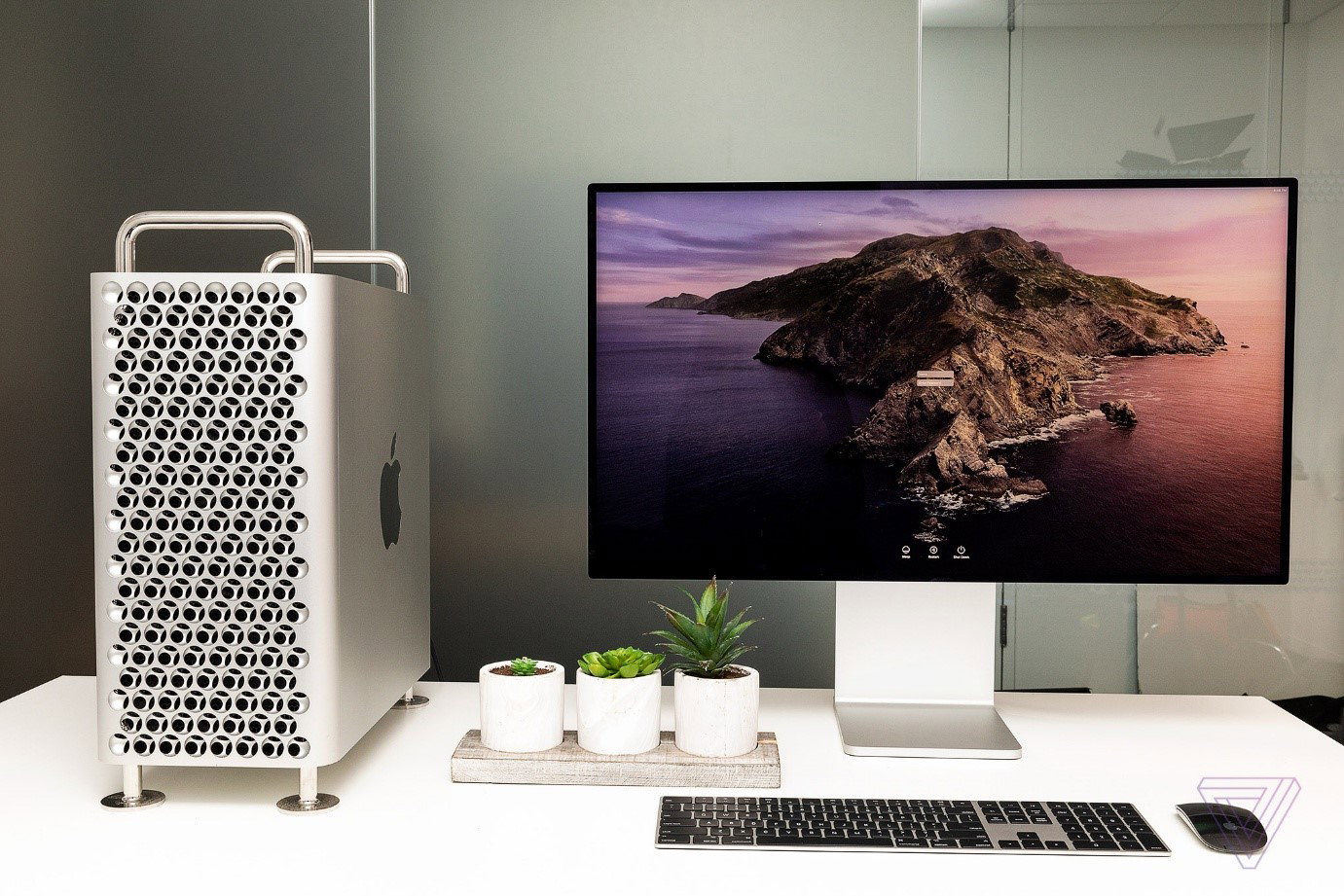
Performance Issues Of The Mac Pro
While the Mac Pro was built to deliver high performance, several limitations became increasingly apparent over time, especially as industry standards and technologies evolved.
-
Limited GPU Performance
Users of the Mac Pro were unable to upgrade to newer, more powerful GPUs, due to the device’s closed system. Over time, this limitation became increasingly apparent as newer GPU technologies emerged in the market, including NVIDIA RTX and AMD Radeon RX, offering features like real time ray tracing and AI based rendering.
-
Outdated Hardware Over Time
Over time, the system struggled to keep pace with newer processors from AMD’s Ryzen and Threadripper chips, which offered better performance and value at an affordable price. Additionally, the Mac Pro’s reliance on older technology meant that it simply couldn’t keep up with advancements in the industry.
-
Lack Of Support For New Graphics Technologies
As the industry moved towards real time ray tracing, DLSS (Deep Learning Super Sampling), and other advances in graphics technology, the Mac Pro’s GPUs couldn’t provide the level of support needed for these new advancements.
-
Imbalanced System Configuration
The system configuration of the Mac Pro often led to imbalanced performance. The combination of hardware did not always work well together. For instance, many users found that CPU intensive tasks, such as video encoding did not see a corresponding increase in GPU power for tasks such as rendering or working with high powered visuals.
As these performance limitations became more evident, many users began comparing the Mac Pro with competing workstations, often finding better value, flexibility, and performance elsewhere.
How Were Competitors’ Products Better Than Apple’s Mac Pro?
As professionals began to experience the Mac Pro’s limitations, many turned to competing workstation solutions that offered greater flexibility, performance, and overall value.
-
Better Performance For The Price
The base model of the Mac Pro started at $5999. For the same or even lower cost, competitors’ desktops offered workstations with better flexibility, better performance, and a lot more options for customization. An example of this is the Dell Precision 5820, which started at around $2000.
-
Easier Upgradability And Customization
Unlike Apple’s Mac Pro, competitor’s desktops like the Dell Precision and HP Z Workstations, allowed for easier upgrades and customization. Users could easily swap out GPUs, add ram (up to 512GB on some models), or replace storage drives.
-
Superior Thermal And Cooling Systems
The Mac Pro’s cylindrical design led to cooling inefficiencies, resulting in thermal throttling while trying to handle heavy loads. Competitors like the HP Z8 G4 for example, uses a highly efficient cooling solution which supports dual processors and high-end GPUs, which is crucial for maintaining stable performance during prolonged, resource heavy tasks.
-
More Options For GPUs And Expansion
Workstations from companies like HP and Dell provided a broader range of GPU options. For example, the Dell Precision 7820 offers users an option between NVIDIA Quadro RTX 5000 or AMD Radeon Pro WX 7100 GPUs, while the HP Z8 G4 can support dual GPUs.
-
More Flexible Workspace Designs
The Mac Pro, while sleek and visually striking, was designed with a single form factor, a great limitation when it came to different professional environments. Competitor desktops from Dell and HP could be configured with smaller, tower-based enclosures that fit into a variety of different spaces.
With competitors offering more practical, flexible, and cost-effective solutions, it became clear that the Mac Pro was struggling to maintain its position in a rapidly evolving market—ultimately leading to broader shifts in Apple’s strategy.
The Mac Pro: Current Status And What’s Ahead
As the market evolved and user expectations shifted, the Mac Pro’s journey ultimately reached a turning point, marking the end of an era for Apple’s professional desktop lineup.
Apple confirmed that the Mac Pro, last updated in 2023 with the M2 Ultra chip, has been discontinued and removed from storefronts. This decision reflects a broader shift in the industry, where demand has increasingly moved toward more compact and efficient systems. Today, many professionals rely on devices like the Mac Studio and MacBook Pro, which deliver powerful performance in smaller, more integrated form factors.
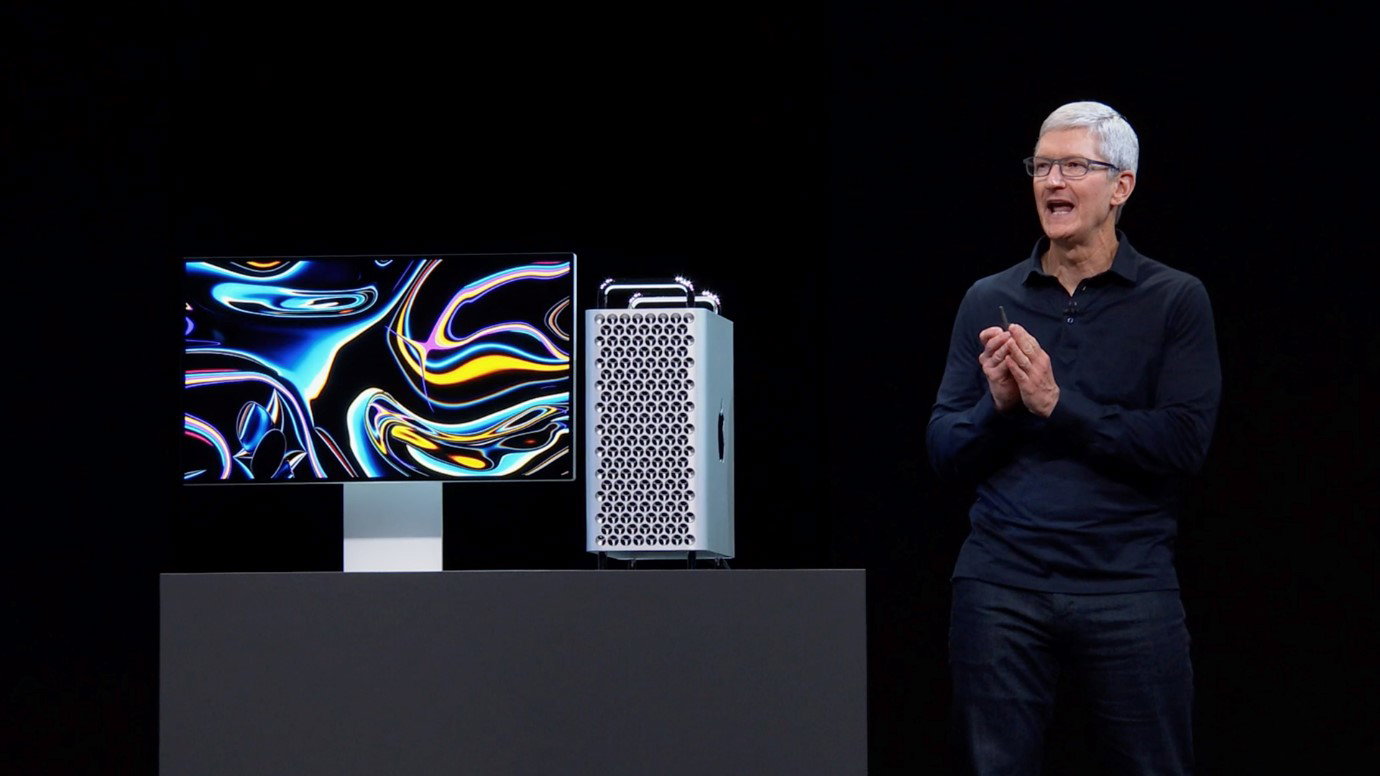
A major driver behind this transition has been Apple’s move to its own silicon. With the introduction of the M1 and M2 chips, Apple redefined performance expectations by delivering significantly better efficiency compared to traditional Intel Xeon processors. This shift not only improved performance per watt but also made large, power-hungry workstations like the Mac Pro less essential for many users.
At the same time, Apple’s focus has clearly moved away from the Mac Pro, with no new models currently planned. Instead, the company is investing in products like the Mac Studio, which continues to evolve with newer Apple Silicon chips and has quickly become the preferred desktop solution for a wide range of professional workflows.
In the years leading up to this transition, Apple also made visible efforts to better align with the needs of professional users. Devices like the MacBook Pro and Mac Studio reflect this shift, combining performance, efficiency, and practicality in ways that address many of the shortcomings associated with the Mac Pro.
In the end, the Mac Pro stands as both a symbol of Apple’s ambition and a lesson in evolving with user needs.
Conclusion
The Mac Pro was launched with high anticipation but ultimately failed to meet the evolving requirements of Apple’s professional users. Initially, it promised to be a powerhouse for complex tasks like video editing and graphic design, but its design flaws greatly affected its long-term viability.
The eventual shift to Apple Silicon and introduction of the MacBook Pro and the highly praised Mac Studio rendered Mac Pro obsolete. Before its discontinuation, Apple did attempt to address feedback from users. However, it was clear that the market had long since moved on.
The Mac Pro will forever be remembered as a missed opportunity, and a cautionary tale of how, in these changing times, nothing truly lasts forever.
Frequently Asked Questions
Why Did The Mac Pro Fail Despite Its Powerful Hardware?
The Mac Pro struggled due to its design limitations rather than its raw performance. Its cylindrical build restricted airflow, caused thermal issues, and prevented upgrades. Over time, this made it less practical for professionals who needed flexible and future-proof systems.
Is The Mac Pro Discontinued, And What Replaced It?
Yes, Apple discontinued the Mac Pro after its last update in 2023. It has effectively been replaced by devices like the Mac Studio and MacBook Pro, which offer better performance efficiency and meet modern professional needs in more compact form factors.
How Did Competitors Outperform The Mac Pro?
Competitors such as Dell Precision and HP Z offered more value through better pricing, easier upgrades, improved cooling systems, and greater hardware flexibility, making them more suitable for long-term professional use.
Mon, Apr 13, 2026
Enjoyed what you've read so far? Great news - there's more to explore!
Stay up to date with the latest news, a vast collection of tech articles including introductory guides, product reviews, trends and more, thought-provoking interviews, hottest AI blogs and entertaining tech memes.
Plus, get access to branded insights such as informative white papers, intriguing case studies, in-depth reports, enlightening videos and exciting events and webinars from industry-leading global brands.
Dive into TechDogs' treasure trove today and Know Your World of technology!
Disclaimer - Reference to any specific product, software or entity does not constitute an endorsement or recommendation by TechDogs nor should any data or content published be relied upon. The views expressed by TechDogs' members and guests are their own and their appearance on our site does not imply an endorsement of them or any entity they represent. Views and opinions expressed by TechDogs' Authors are those of the Authors and do not necessarily reflect the view of TechDogs or any of its officials. While we aim to provide valuable and helpful information, some content on TechDogs' site may not have been thoroughly reviewed for every detail or aspect. We encourage users to verify any information independently where necessary.
Loading comments...