
Artificial Intelligence
10 Ways AI Is Changing How We Live Every Day And Redefining Convenience
Share
TL;DR
-
AI helps financial institutions detect suspicious transactions and strengthen digital-payment security.
-
Doctors use AI to analyze medical imagery, monitor patients, and identify health risks earlier.
-
Students, teachers, and farmers use AI to access information and make more informed decisions.
-
Navigation, translation, shopping, and accessibility services increasingly rely on machine learning.
-
AI creates the most value when people retain control over decisions, ethics, and accountability.
Introduction
In the television series Person of Interest, an advanced system works quietly in the background, processing enormous amounts of data and identifying patterns that people would struggle to spot on their own.
Technology rarely draws attention to itself. Its power lies in what it can detect, predict, and improve before most people even realize it is there.
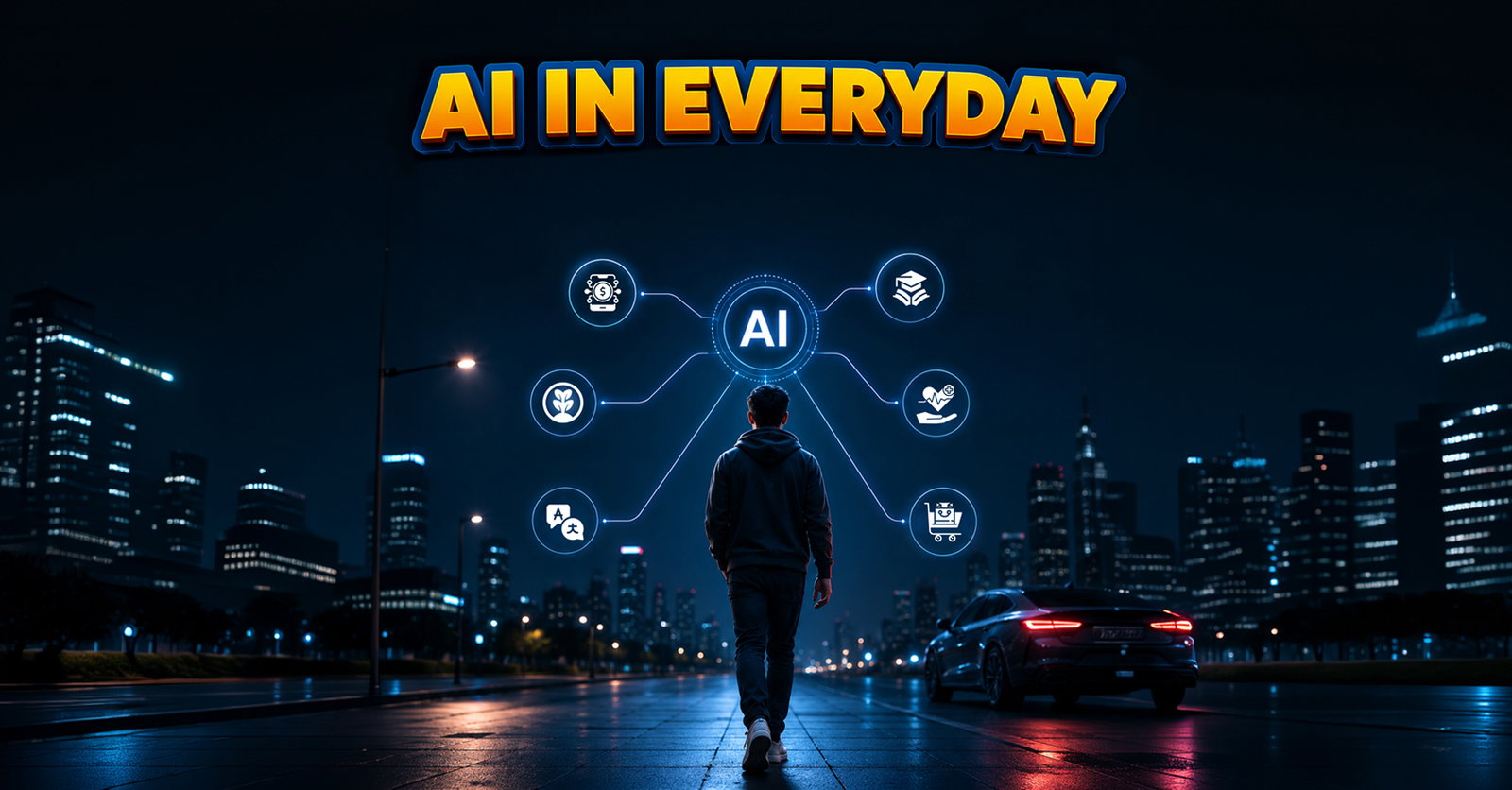
That premise is increasingly similar to how artificial intelligence (AI) operates in everyday life. AI may not announce its presence, but it is already embedded in many familiar services.
It helps banking apps detect suspicious transactions, navigation platforms recommend faster routes, and streaming services predict what viewers may enjoy next. It also supports doctors reviewing medical assets, farmers monitoring crops, teachers adapting lessons, and people with disabilities accessing digital content more easily.
These everyday examples show that AI’s greatest impact may not come from one dramatic invention. Instead, it is emerging through thousands of small, often invisible improvements that make everyday activities faster, safer, more personalized, and more convenient.
So, dive in and surf through the following examples that explore areas where AI alters and simplifies daily life.
AI Make Digital Payments Safer
Every time someone uses a digital wallet, transfers money online, or pays through a banking app, several automated security checks may take place within seconds.

Banks, credit-card companies, payment platforms, and fintech businesses use machine learning systems to compare each transaction with previous activities.
These systems may evaluate:
-
Payment amount
-
Location
-
Device
-
Merchant information
-
Transaction frequency
-
Account behavior
A transaction that looks significantly different from a customer’s normal activity may be flagged, delayed, or sent for additional verification. This is one of the most common applications of AI-driven fraud detection in digital banking.
Traditional fraud-prevention systems often rely on fixed rules. For example, they may block every transaction above a certain amount. AI systems can go further by identifying unusual combinations of signals.
A payment may be considered suspicious because it comes from a new device, at an unusual time, from an unfamiliar location and immediately after a password change. Individually, these details may not indicate fraud, but together they can reveal a potential threat.
AI is also used to detect account takeovers, phishing attempts, automated attacks, and networks of connected fraudulent accounts. As digital payments continue to grow worldwide, financial institutions are using AI to evaluate large volumes of transactions in real time.
AI Helps Doctors Save Lives
AI is becoming a critical support system for doctors, radiologists, researchers, and hospital administrators.

In medical imaging, AI systems can examine X-rays, CT scans, retinal images, and other diagnostic scans. They may highlight areas that require closer examination, helping medical professionals prioritize urgent cases, or identify subtle abnormalities.
AI also supports:
-
Drug discovery
-
Patient monitoring
-
Clinical documentation
-
Disease-risk prediction
-
Appointment scheduling
-
Hospital resource planning
-
Remote healthcare services
-
Medical research
One of AI’s greatest advantages in healthcare is its ability to process large volumes of information quickly. A system may examine thousands of medical images or patient records and bring potentially crucial patterns to a doctor’s attention.
This can reduce administrative pressure and help healthcare professionals spend more time on patient care.
AI-powered monitoring systems can also track heart rate, blood pressure, oxygen levels, and other health indicators. When these systems detect an unusual change, they may alert medical staff before a patient’s condition becomes more serious.
However, AI-generated results are not the same as medical diagnoses. Systems can produce errors, overlook unusual conditions, or perform differently across patient groups.
Doctors must remain responsible for interpreting results and making final clinical decisions. AI works best as a medical assistant, not as a replacement for trained healthcare professionals.
AI Is Changing The Way Students Learn
For many students, AI in daily life now includes study assistants, writing platforms, coding tools, and adaptive learning applications.
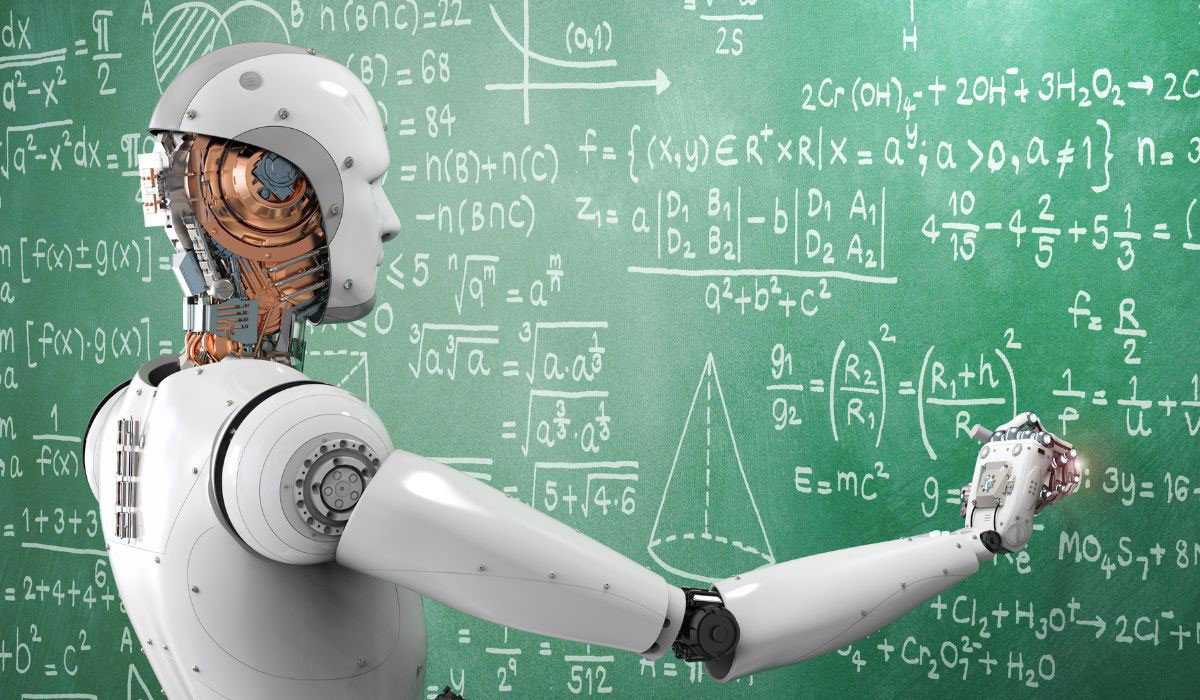
Students use AI to simplify difficult concepts, summarize lessons, generate practice questions, improve grammar, learn languages, and receive coding support. A learner struggling with a mathematical problem can ask for a step-by-step explanation, while another student can practice a foreign language through an AI-powered conversation platform.
Teachers use AI to:
-
Create lesson plans
-
Develop quizzes and worksheets
-
Personalize learning materials
-
Translate educational content
-
Generate classroom activities
-
Review student progress
-
Reduce routine administrative work
Personalized learning is one of the most promising applications. An AI system can identify the topics a student repeatedly gets wrong and recommend exercises focused on those areas.
This allows students to learn at a pace that better matches their abilities and requirements. It can also help teachers support classrooms where students have different levels of understanding.
AI may also improve access to education. Translation, speech recognition, and text-to-speech tools can help students learn across language and accessibility barriers.
The most effective approach is to use AI as a tutor, study partner, or brainstorming assistant while verifying significant information through teachers, textbooks, and credible sources.
AI Helps Farmers Increase Productivity
Artificial intelligence is increasingly being used in agriculture through drones, satellite imagery, smart machinery, connected sensors, and precision-farming platforms.

Drones and satellites can collect images of agricultural land. Machine learning systems then analyze those images for changes in crop color, soil conditions, plant density, and water stress.
This can help farmers identify which parts of a field require attention instead of treating the entire farm in the same way.
AI-powered agricultural systems support:
-
Crop-health monitoring
-
Pest and disease detection
-
Weather forecasting
-
Irrigation planning
-
Soil analysis
-
Yield estimation
-
Fertilizer management
-
Livestock monitoring
Some systems use cameras and image recognition to identify weeds, allowing machinery to apply herbicides only where they are needed. Others combine weather data, soil moisture, and crop conditions to recommend when farmers should irrigate their fields.
This can reduce water, fertilizer, and pesticide usage while improving productivity.
AI is also helping farmers respond to changing climate conditions. Predictive systems can analyze historical and real-time data to estimate the likelihood of droughts, floods, pest outbreaks, or changes in growing seasons.
However, agricultural AI must reflect local conditions. Recommendations may need to account for regional weather, crop varieties, soil types, farm sizes, and available equipment.
AI Helps You Beat Traffic Every Day
Navigation is one of the highlighting examples of AI.
Mapping applications combine historical traffic patterns with real-time information to estimate travel times and recommend routes.
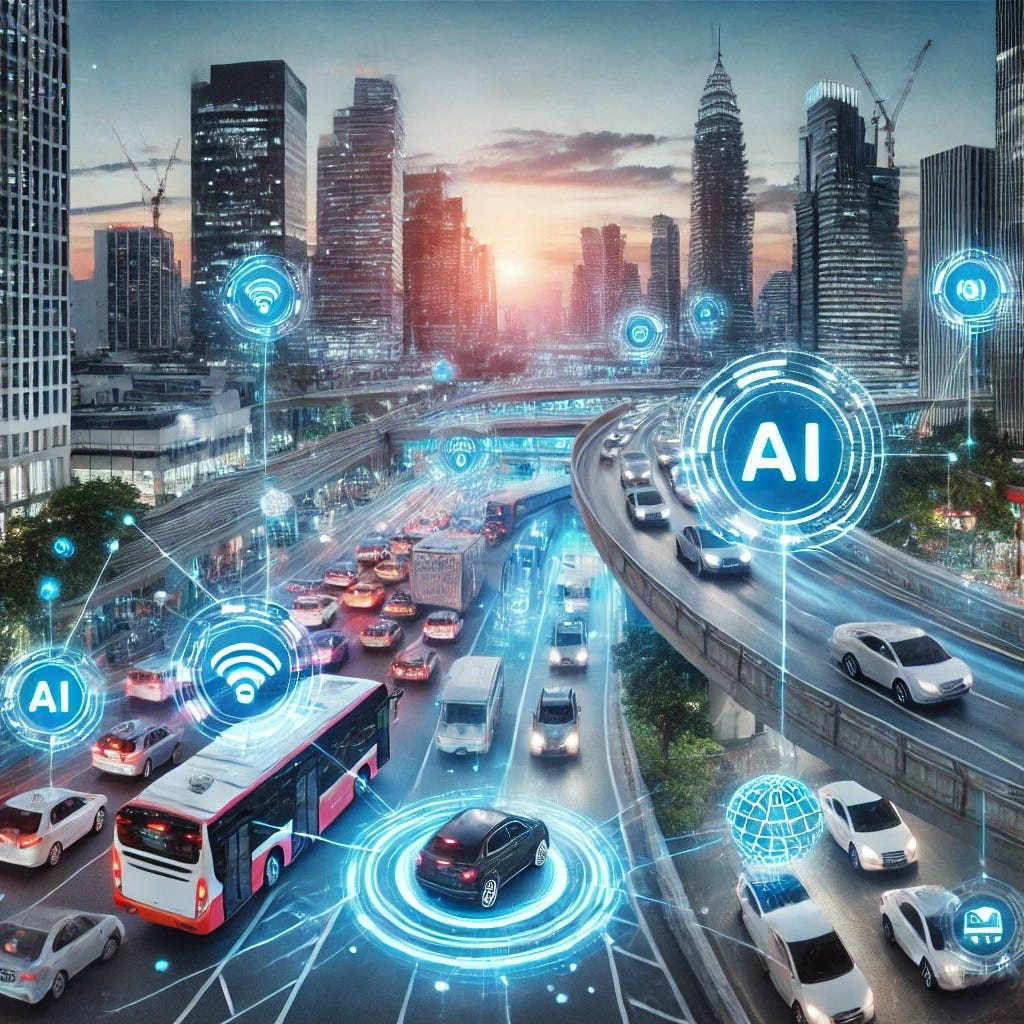
Machine learning helps these systems predict how traffic conditions may change before a driver reaches a particular road.
Navigation systems may consider:
-
Current vehicle speeds
-
Historical traffic patterns
-
Accidents
-
Road closures
-
Construction activities
-
Weather conditions
-
Public events
-
Toll roads
-
User-reported incidents
This helps drivers, cyclists, and public-transport users find faster or more convenient routes.
Ride-hailing companies use AI to match passengers with drivers, estimate arrival times, and predict demand in different locations. Delivery companies use similar systems to determine efficient routes for thousands of vehicles.
Cities are also adopting intelligent traffic-management systems. These systems can analyze congestion and adjust traffic signals based on current road conditions.
AI cannot completely eliminate congestion, but it can help authorities manage roads more efficiently and give travelers better information.
AI Is Breaking Language Barriers
Thousands of languages and dialects are spoken around the world, which can make communication, education, and access to digital services difficult.
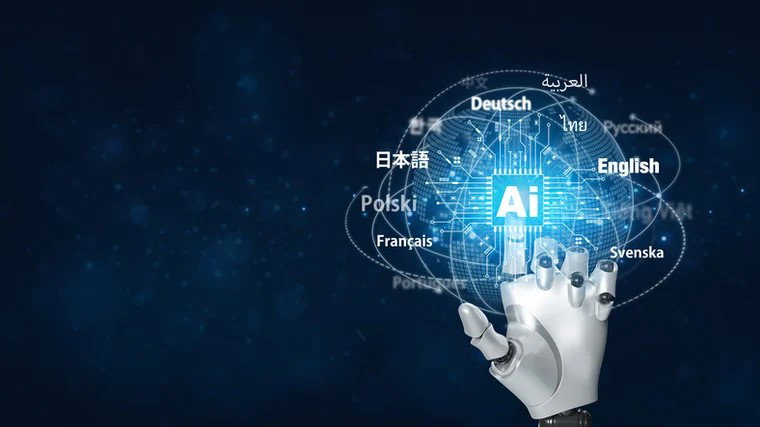
AI-powered translation, speech recognition, and text-to-speech tools are helping people communicate across language barriers.
These systems can:
-
Translate conversations
-
Translate documents and webpages
-
Generate subtitles
-
Convert speech into text
-
Read text aloud
-
Support multilingual chatbots
-
Enable voice-based searches
Travelers can use mobile applications to translate signs or conversations. International teams can generate real-time captions during meetings. Online platforms can make content available to audiences in multiple languages.
AI is also improving access to essential services. Multilingual assistants can help users interact with banking, healthcare, government, and customer-support platforms in their preferred language.
However, language is more than a collection of words. Translation systems may struggle with humour, regional expressions, cultural references, accents, and sentences that mix multiple languages.
Low-resource languages also remain a major challenge because less digital training data is available for them.
Progress will depend on developing more representative datasets and involving native speakers in the design and evaluation of language technologies.
AI Helps Personalize Shopping Experiences
When an online store displays “recommended for you,” “similar products” or “customers also bought,” it is often using an AI-powered recommendation system.
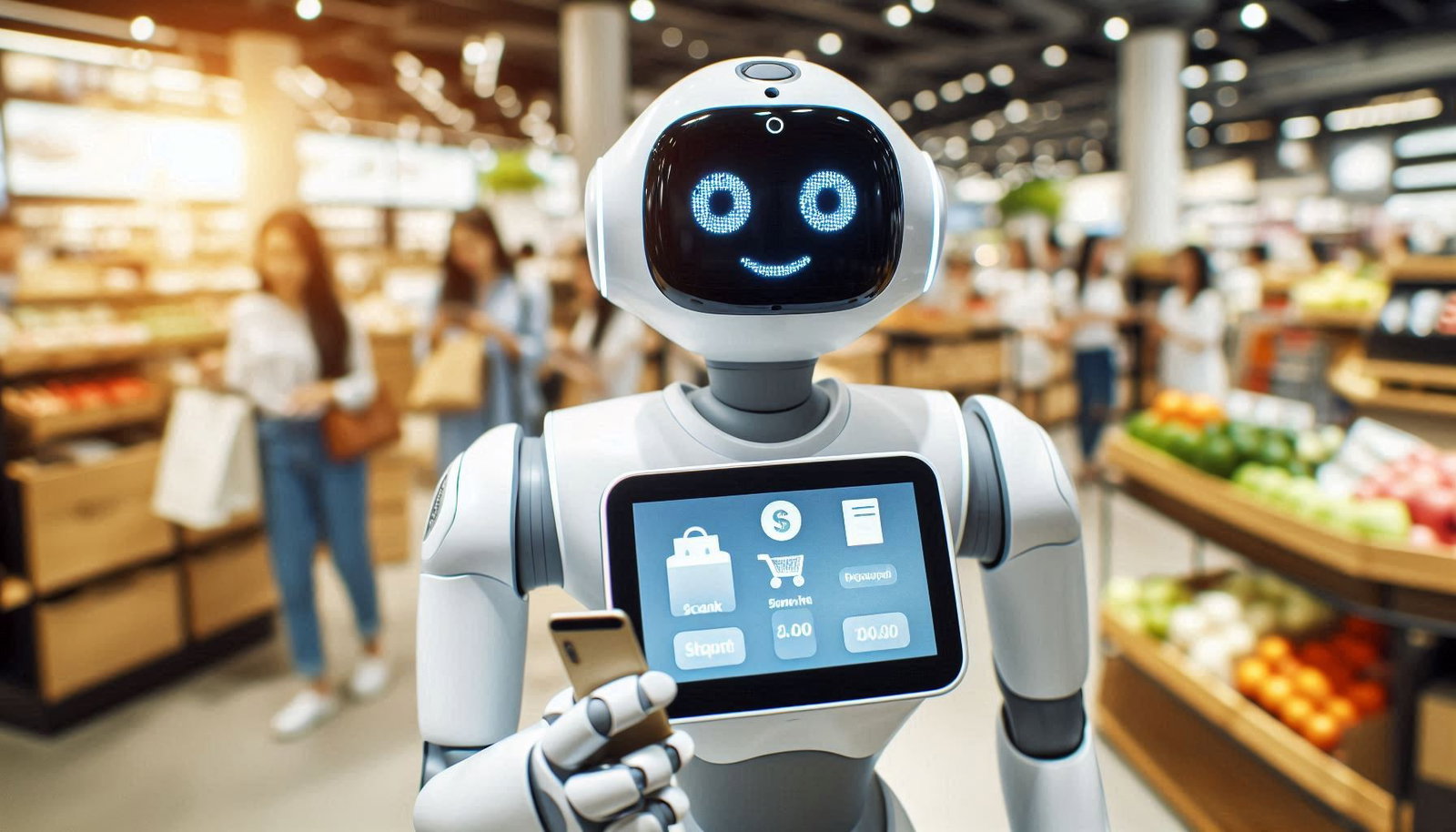
These systems analyze signals such as:
-
Products viewed
-
Search terms
-
Previous purchases
-
Items added to a cart
-
Preferred brands
-
Product ratings
-
Price range
-
Purchases made by similar users
The goal is to narrow a large product catalogue into a more relevant selection.
AI is also used beyond recommendations. Retailers apply machine learning to inventory management, demand forecasting, warehouse operations, delivery estimates, pricing, and customer support.
This shows the real-world impact of machine learning on consumer productivity. Customers can discover products more quickly, receive more accurate delivery estimates, and avoid browsing through thousands of irrelevant options.
Physical stores are also adopting AI.
Some retailers use smart shelves, cashierless systems, automated inventory tracking, and computer vision to improve operations. The trade-off is that personalization relies on customer data.
Recommendation systems may also repeatedly show similar products, limit discovery, or encourage unnecessary purchases.
AI Supports The Global Start-Up Ecosystem
Start-ups around the world are using AI to create new products, reduce operating costs, and compete with larger companies.

A small business may not have the resources to build large customer-service, research, marketing or analytics teams. AI tools can help employees automate routine activities and complete work more efficiently.
Common applications include:
-
Customer-support chatbots
-
Coding assistance
-
Document processing
-
Content drafting
-
Financial forecasting
-
Market research
-
Sales analysis
-
Fraud detection
-
Recruitment support
-
Supply-chain optimization
AI is also central to products being developed by start-ups in healthcare, finance, agriculture, logistics, education, cybersecurity, and manufacturing.
One of the biggest benefits is faster experimentation. Teams can create prototypes, study customer feedback, and test new ideas more quickly.
AI coding assistants, for example, can help developers write, review and explain code. Generative design tools can help teams explore visual concepts. Analytics systems can identify patterns in customer behavior that may otherwise take weeks to uncover.
However, simply adding AI to a product does not guarantee success. Start-ups still need a clear customer problem, reliable data, industry knowledge, and a sustainable business model.
They must also manage risks involving privacy, cybersecurity, intellectual property, and inaccurate outputs.
AI can accelerate innovation, but it can also accelerate poorly designed processes.
AI Is Making Technology More Accessible
AI-powered accessibility tools help people with visual, hearing, speech, mobility and cognitive disabilities interact with technology more independently.
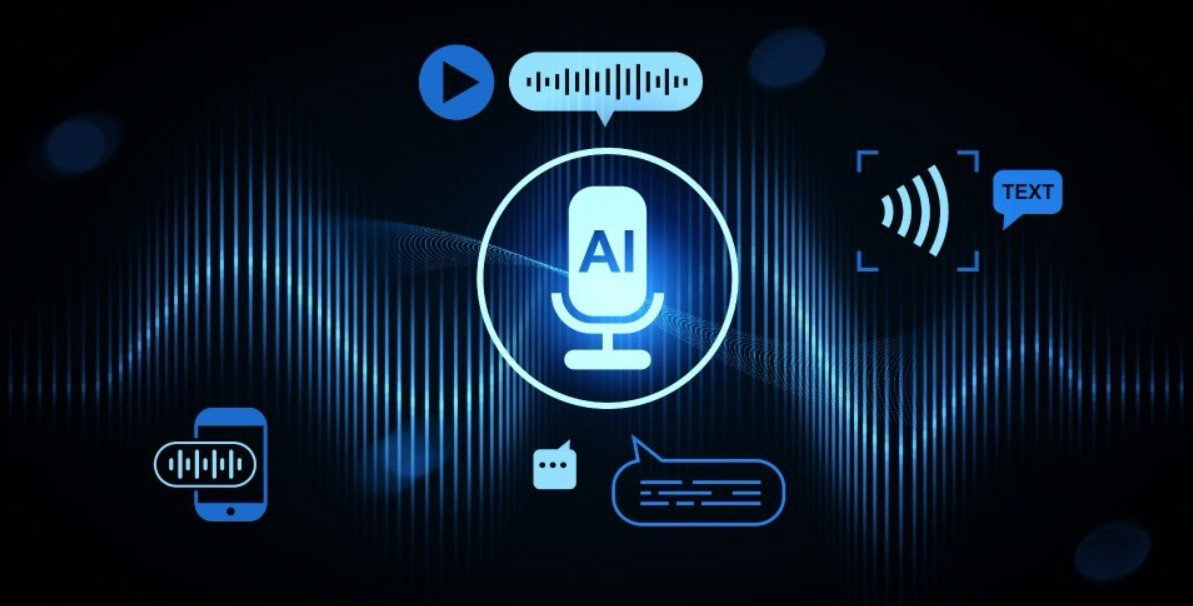
Examples include:
-
Live captions
-
Screen readers
-
Voice-controlled interfaces
-
Speech-to-text tools
-
Text-to-speech systems
-
Automatic image descriptions
-
Object-recognition applications
-
Reading and writing assistants
Live-caption systems convert speech into text during meetings, videos, and conversations. This can help people who are deaf or hard of hearing follow spoken content.
Text-to-speech systems can help people who are blind, have low vision, or experience difficulty reading written text. Image-recognition tools can describe objects, people, and surroundings through a smartphone camera.
Voice assistants can allow people with limited mobility to operate devices, send messages, control home appliances, or search for information.
AI can also simplify complex text, predict words while typing, and help people with dyslexia or other learning differences communicate more easily.
However, automatic accessibility tools are not always accurate. Captions may misinterpret names, accents, or technical terms. Generated image descriptions may overlook important details or misunderstand the context.
Organizations should combine AI tools with accessible design standards, human testing, and feedback from people with disabilities.
AI Works Best When Humans Stay in Control
The most important lesson from growing consumer AI adoption is that automation should not remove human responsibility.
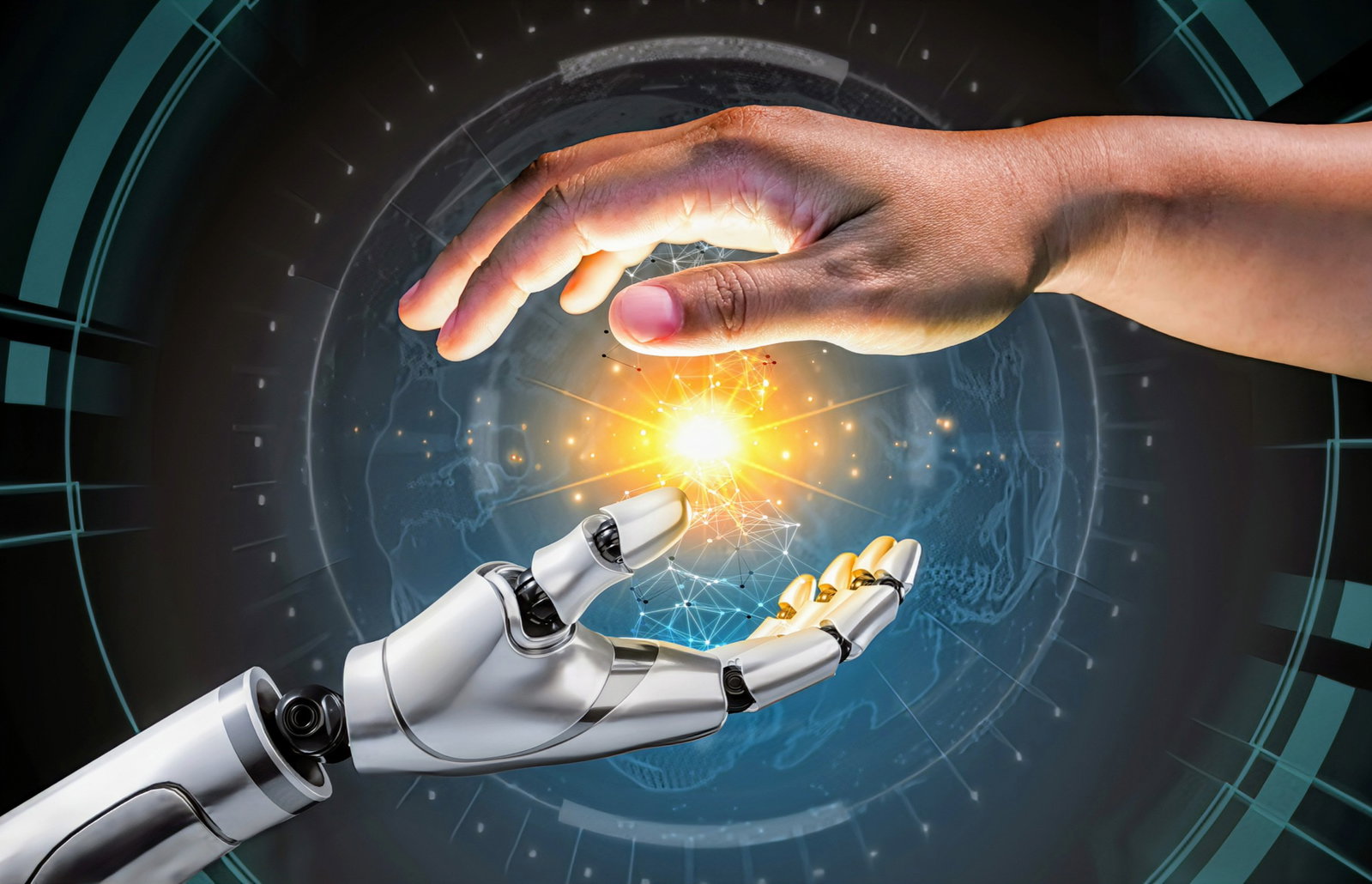
AI is highly effective at processing large amounts of information, identifying patterns, and completing repetitive tasks. It does not possess human empathy, lived experiences, moral responsibility, or complete contextual understanding.
An AI system may flag a financial transaction, rank a job application, or recommend medical actions. These decisions can affect real people, which means organizations must be able to review, challenge, and override automated outputs.
Human oversight is especially important when AI influences:
-
Healthcare
-
Employment
-
Education
-
Financial services
-
Insurance
-
Law enforcement
-
Public services
-
Access to essential opportunities
Responsible AI use requires transparency, data protection, testing, and clear accountability.
Users must also understand that AI-generated information can be inaccurate. Important claims should be checked, sensitive information should be protected, and major decisions should not be delegated blindly to an algorithm.
The future is not simply a competition between people and machines. It is about deciding where automation adds value, where human judgment must remain central and who is responsible when something goes wrong.
Topics For More Insights
Conclusion
So, what are 10 everyday examples of artificial intelligence?
They include fraud detection, medical-image analysis, personalized education, precision farming, traffic prediction, language translation, shopping recommendations, start-up automation, accessibility tools, and human-supported decision-making. Together, these applications show how deeply AI in daily life is already embedded in familiar services.
Ultimately, AI’s influence will continue expanding, but adoption alone will not guarantee progress. Its impact will depend on whether systems are accurate, inclusive, secure, and designed around genuine human needs.
Frequently Asked Questions
What Are Some Everyday Examples Of Artificial Intelligence?
AI powers fraud detection, navigation, personalized shopping, language translation, accessibility tools and educational platforms. It also supports healthcare, agriculture, transportation, and workplace productivity.
How Does Artificial Intelligence Make Daily Life Easier?
AI analyzes information, automates repetitive tasks and provides personalized recommendations in real time. This helps people save time, make informed decisions, and access services more easily.
Will AI Replace Humans In Everyday Activities?
AI may automate certain tasks, but it cannot replace human creativity, empathy, ethics, and judgment. The most effective future will involve people using AI as a supportive tool while remaining in control.
Fri, Jul 17, 2026

Liked what you read? That’s only the tip of the tech iceberg!
Explore our vast collection of tech articles including introductory guides, product reviews, trends and more, stay up to date with the latest news, relish thought-provoking interviews and the hottest AI blogs, and tickle your funny bone with hilarious tech memes!
Plus, get access to branded insights from industry-leading global brands through informative white papers, engaging case studies, in-depth reports, enlightening videos and exciting events and webinars.
Dive into TechDogs' treasure trove today and Know Your World of technology like never before!
Disclaimer - Reference to any specific product, software or entity does not constitute an endorsement or recommendation by TechDogs nor should any data or content published be relied upon. The views expressed by TechDogs' members and guests are their own and their appearance on our site does not imply an endorsement of them or any entity they represent. Views and opinions expressed by TechDogs' Authors are those of the Authors and do not necessarily reflect the view of TechDogs or any of its officials. While we aim to provide valuable and helpful information, some content on TechDogs' site may not have been thoroughly reviewed for every detail or aspect. We encourage users to verify any information independently where necessary.
Loading comments...