
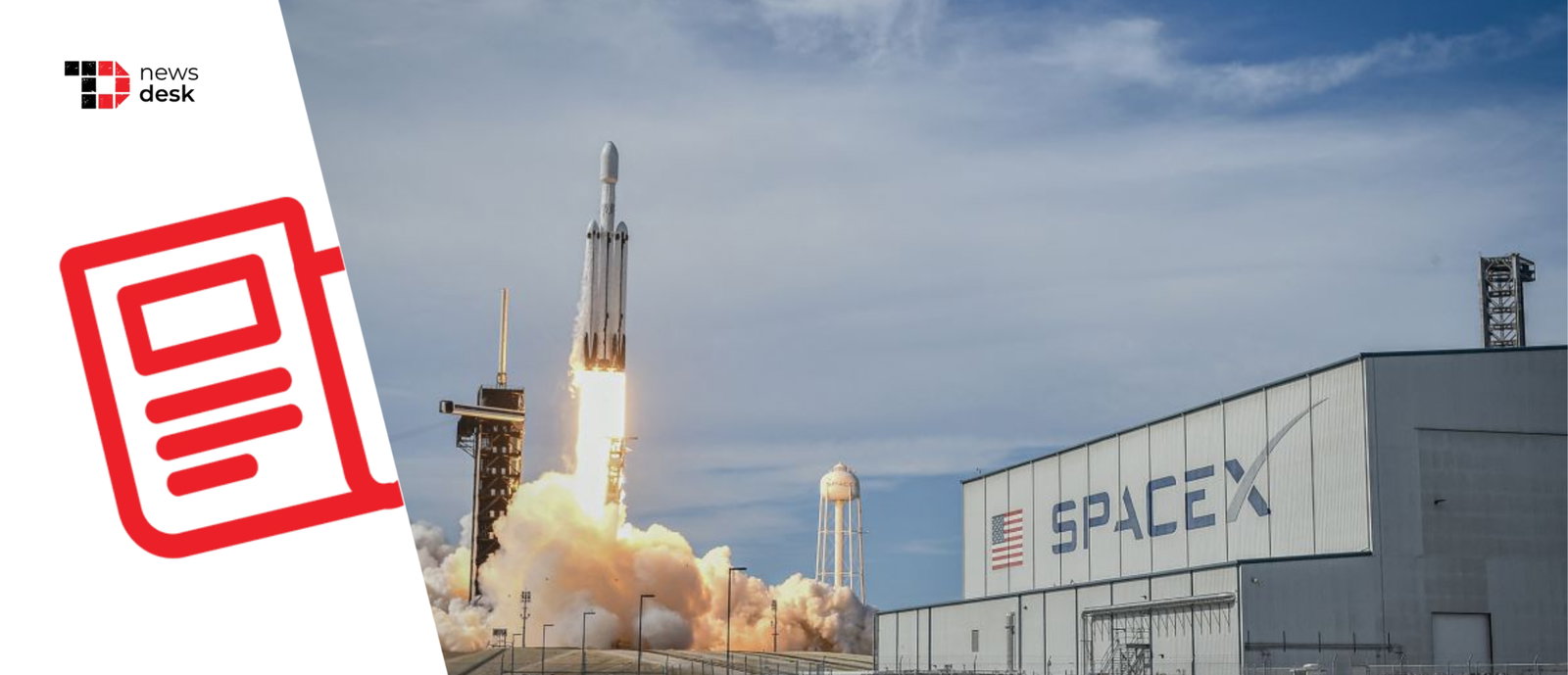
SpaceX has officially priced its historic initial public offering at $135 per share, setting up the Elon Musk-led aerospace, satellite internet, and AI infrastructure company to raise $75 billion in the largest IPO ever.
TL;DR
- SpaceX priced 555.6 million shares at $135 each, raising $75 billion.
- The IPO values the company at around $1.77 trillion and will see SpaceX trade under the SPCX ticker on Nasdaq.
- The deal surpasses Saudi Aramco’s 2019 IPO record and includes a large retail investor allocation.
SpaceX has finally put a price on its highly anticipated public markets debut, and it’s a massive one.
The company, officially known as Space Exploration Technologies Corp., priced 555.6 million shares at $135 each, raising about $75 billion and valuing the business at roughly $1.77 trillion. The listing makes SpaceX the largest IPO in history, topping Saudi Aramco’s 2019 public debut, which raised about $25 billion.
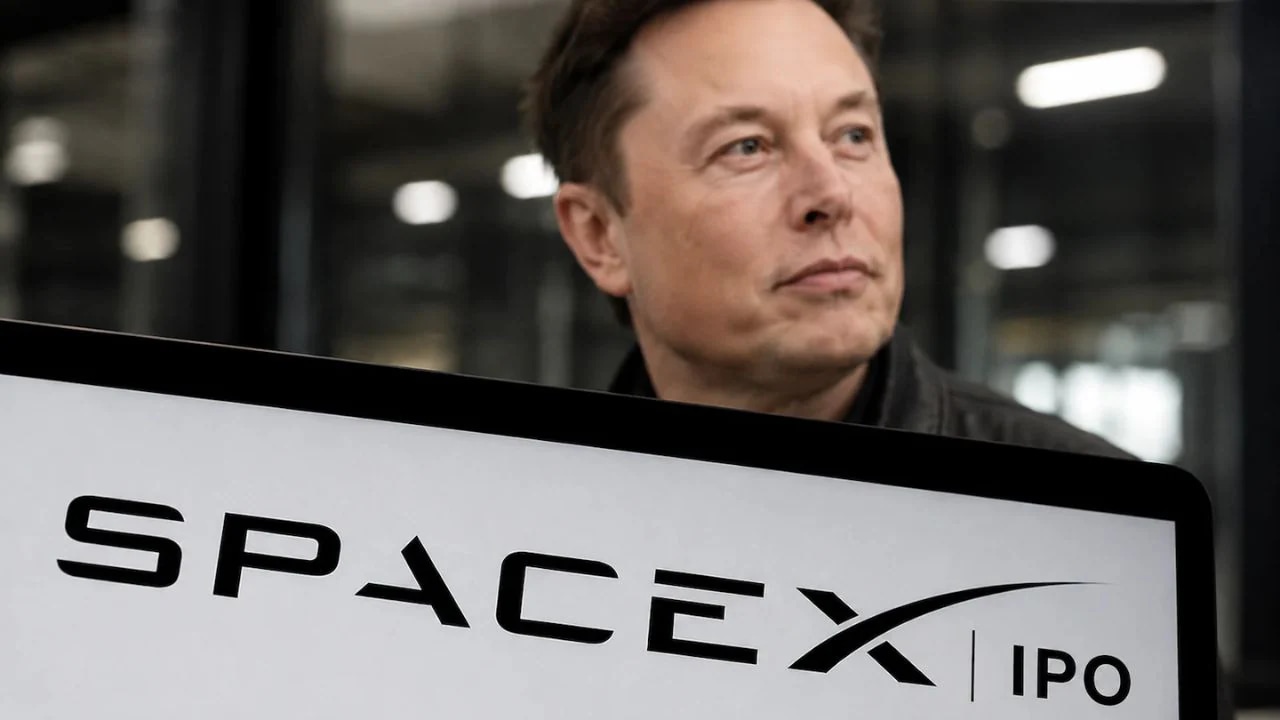
SpaceX is expected to begin trading on Nasdaq under the ticker symbol SPCX on Friday. MarketWatch reported that the company is offering 555,555,555 common shares and that underwriters have a 30-day option to purchase another 83.3 million Class A shares at the IPO price.
The pricing also confirms details shown in SpaceX’s IPO roadshow presentation, which listed the offering size at 555.6 million shares, the price at $135 per share, the exchange and ticker as Nasdaq and SPCX, and the expected pricing date as June 11, 2026. The same document said proceeds would be used to fund SpaceX’s growth strategy, including AI compute infrastructure, launch infrastructure and vehicles, satellite constellation scale and capacity, and general corporate purposes.
The offering is being led by Goldman Sachs, Morgan Stanley, BofA Securities, Citigroup, J.P. Morgan, Barclays, Deutsche Bank Securities, RBC Capital Markets, UBS Investment Bank, and Wells Fargo Securities, among other banks listed in the roadshow materials.
What makes the IPO even more unusual is its retail investor allocation. Reuters reported that SpaceX set aside around 30% of shares for retail investors, a much higher share than is typical for major listings. The same report said Elon Musk will retain 82% of voting power after the IPO.
The company’s pitch is no longer limited to rockets and Starlink. In its roadshow, SpaceX described itself as an integrated platform across space, connectivity, and AI, saying it had around 650 total launches, more than 9,600 Starlink satellites, around 10.3 million Starlink subscribers, 164 countries served, and roughly 1.0 gigawatt of nameplate compute draw.
Topics for more insights:
SpaceX also described its mission as building “the systems and technologies necessary to make life multiplanetary,” while adding that reducing the cost of space access has allowed it to address Earth-based challenges such as connecting billions of unconnected people to the internet.
Still, the valuation brings questions alongside the excitement.
Reuters noted that SpaceX was not profitable last year and still relies significantly on government contracts, while also facing competition from Blue Origin and others. A separate Reuters commentary warned that the unusually large retail investor allocation could expose smaller investors to sharp volatility, especially given the scale and hype around the offering.
The IPO is now set to become a major test for public markets, not just because of its size but because of what SpaceX represents: reusable rockets, satellite internet, AI infrastructure, and Elon Musk’s ability to pull retail and institutional investors into one of the boldest equity offerings ever attempted.
