
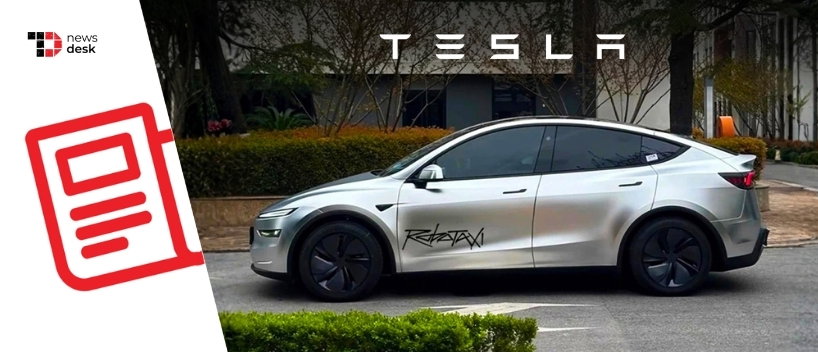
Tesla’s Robotaxi rollout has taken a fresh hit after newly unredacted information submitted to the National Highway Traffic Safety Administration (NHTSA) revealed two low-speed crashes in Austin involving teleoperators remotely driving company vehicles.
The incidents did not involve passengers and happened with a safety monitor behind the wheel. Still, the details add a new layer of scrutiny to Tesla’s cautious autonomous ride-hailing expansion.
TL;DR
- Tesla disclosed 17 Robotaxi crashes since last year.
- Two Austin crashes involved teleoperators remotely controlling vehicles.
- Both happened at low speeds, with no passengers onboard.
- The newly unredacted NHTSA data may explain Tesla’s slower Robotaxi scaling.
Tesla Robotaxi Crashes Reveal Remote Driving Risks In Austin
The newly available NHTSA data shows that Tesla Robotaxis have crashed at least twice since July 2025 while being remotely driven by teleoperators.
Both crashes took place in Austin, Texas, where Tesla began operating its nascent Robotaxi network. In both cases, the vehicles were traveling at low speeds, had a safety monitor behind the wheel, and were not carrying passengers.
The first crash happened in July 2025, shortly after the Austin network began operations. Tesla’s automated driving system, or ADS, appeared to have difficulty moving forward while stopped on a street.
The safety monitor requested help from Tesla’s remote assistance team, after which a teleoperator “took over vehicle control and gradually increased vehicle speed and turned the Tesla ADS left toward the left side of the street.”
The vehicle then drove “up the curb and made contact with a metal fence.”
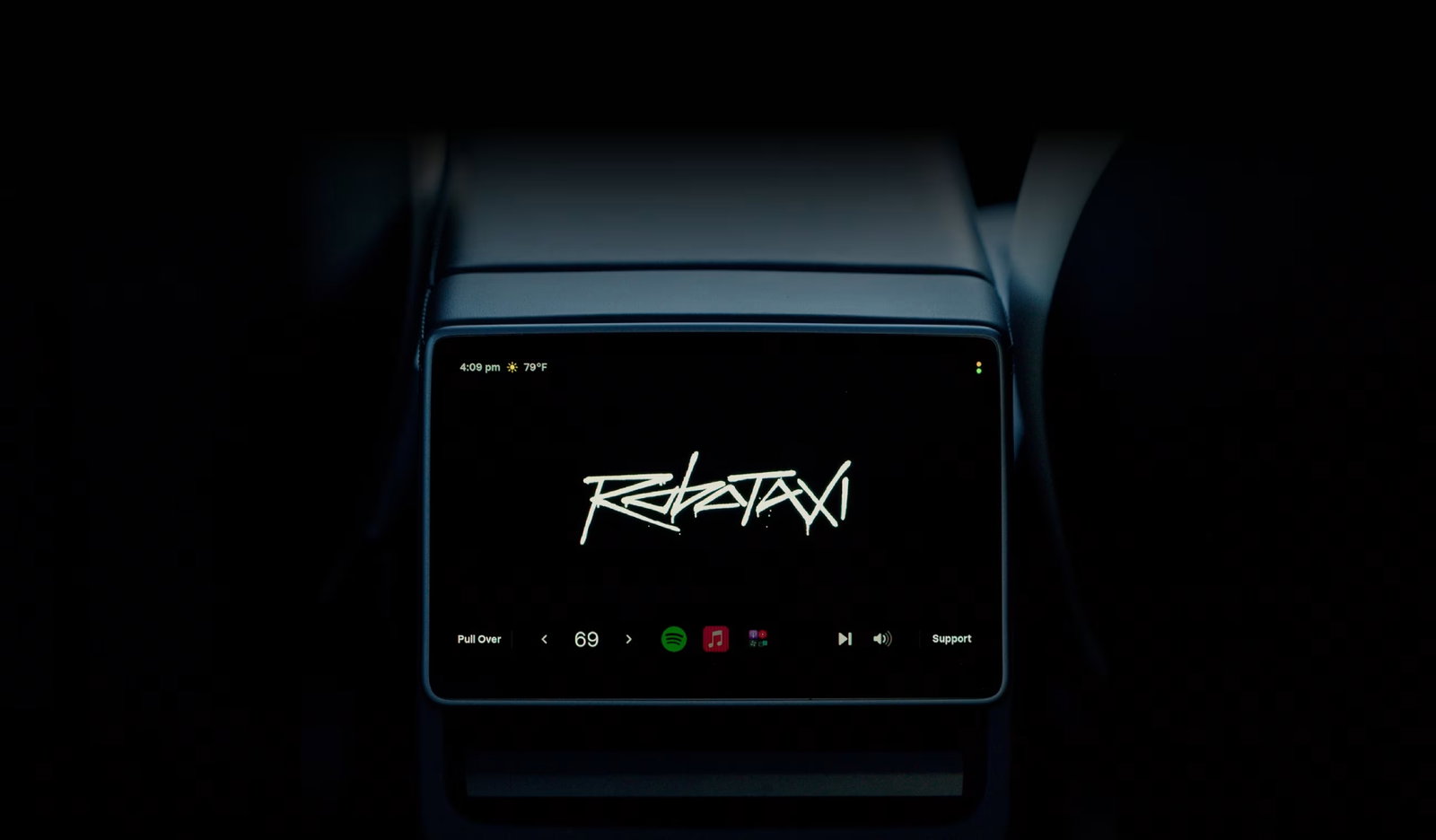
Tesla’s Teleoperator Policy Comes Under Fresh Scrutiny
The disclosure comes months after Tesla told lawmakers it allows remote operators to pilot one of its vehicles if it remains under 10 miles per hour.
“This capability enables Tesla to promptly move a vehicle that may be in a compromising position, thereby mitigating the need to wait for a first responder or Tesla field representative to manually recover the vehicle,” the company said at the time.
That explanation now sits alongside a second crash from January 2026. According to the NHTSA data, the Tesla ADS was driving straight on a street when the safety monitor “requested support to assist with vehicle navigation.”
“The teleoperator took over vehicle control when the ADS was stopped and proceeded straight on the street. The Tesla vehicle made contact with a temporary barricade for a construction site at approximately 9MPH, scraping the front-left fender and tire,” the filing said.
Tesla’s Newly Unredacted NHTSA Data Shows 17 Robotaxi Crashes
Tesla, like other autonomous vehicle companies, must report crash details to the NHTSA. However, unlike many rivals, Tesla had previously redacted descriptions of its crashes, citing confidential business information.
That changed this week, with the latest NHTSA data now showing narrative descriptions for all 17 crashes Tesla has recorded since last year involving its Robotaxi network.
Most of the newly visible incidents appear similar to patterns seen across the autonomous vehicle sector, where robotaxis are often hit by other drivers rather than causing crashes themselves.
However, some Tesla incidents stand out. At least two involved a Robotaxi clipping mirrors on other vehicles. In September 2025, one Tesla ADS vehicle was unable to avoid hitting a dog that ran into the street, though Tesla reported the dog was able to run away.
In another September 2025 crash, a Tesla Robotaxi made an unprotected left turn into a parking lot and hit a metal chain.
Topics For More Insights
Why Tesla’s Robotaxi Expansion Is Moving Slowly
The fresh details arrive as Tesla’s Robotaxi network remains much smaller than rivals such as Waymo and Zoox, which have reported more crashes but also operate at a broader scale.
The data may help explain why Tesla is taking a slower approach to scaling its autonomous ride-hailing service. Elon Musk said last month that “making sure things are completely safe” is the biggest limiting factor to expanding the network, adding that Tesla is being “very cautious.”
That caution now looks less like corporate restraint and more like a necessary pressure test. Tesla’s Robotaxi ambitions remain massive, but the newly unredacted filings show that even low-speed remote driving can create real-world complications.
For Tesla, the next phase of Robotaxi growth may depend less on big promises and more on how convincingly it can prove that its human-backed autonomy stack is ready for bigger roads, more riders, and fewer surprises.
