
Aseon Labs has raised $10 million to build automated urban pods that inspect, clean, and charge robotaxis closer to where riders actually need them, tackling one of autonomous mobility’s biggest cost problems: empty miles.
TL;DR
- Aseon Labs raised $10 million in seed funding led by Crane Venture Partners.
- The startup plans to build five prototype pods for robotaxi cleaning, inspection, and charging.
- Its goal is to reduce deadhead miles and improve robotaxi utilization across cities.
- The pods are designed as movable, temporary infrastructure.
Aseon Labs Targets Robotaxi Profitability By Cutting Empty Miles
Robotaxis may look futuristic on city streets, but their economics still face a basic problem: too many miles are driven without paying passengers.
These “deadhead miles” happen when autonomous vehicles cruise empty, move between ride zones, or travel to depots for charging, cleaning, and inspection. Aseon Labs, a Redwood City, California-based startup, wants to reduce that waste with parking space-sized automated pods placed across cities.
The company describes the pods as robotic pit stops for autonomous vehicle fleets. Instead of sending a robotaxi to a distant depot, operators could route vehicles to nearby units that handle routine service needs faster and closer to demand.
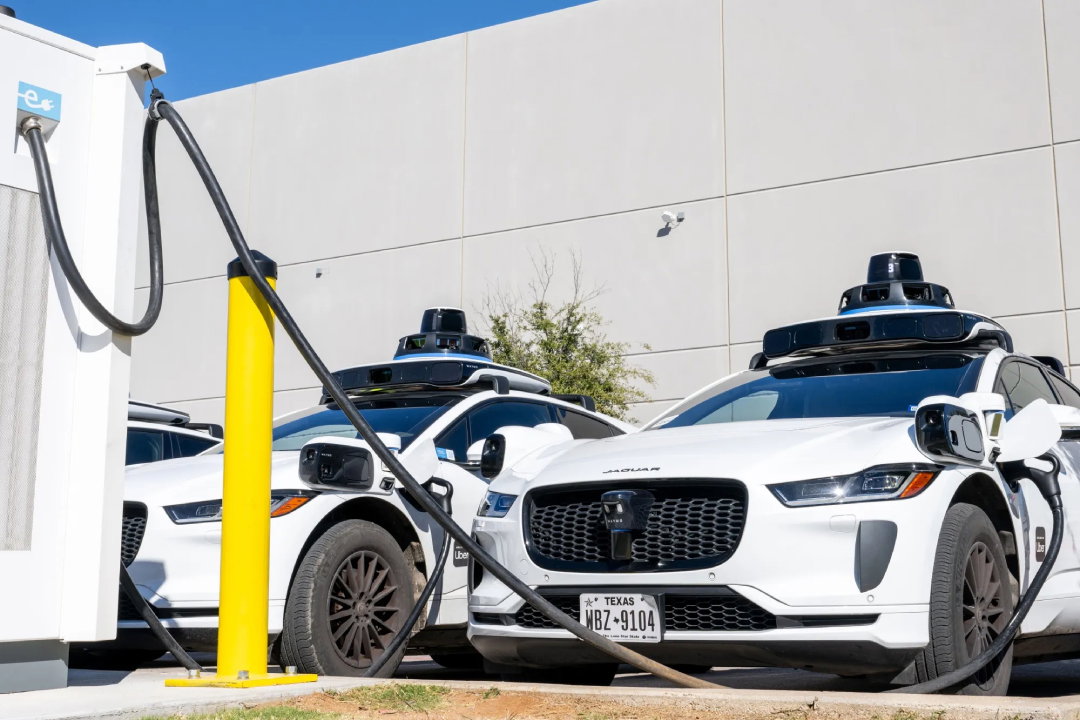
Aseon Labs Raises $10 Million To Build Robotaxi Service Pods
Aseon Labs raised $10 million in a seed round led by Crane Venture Partners. Y Combinator, Expa, Robin Hood Ventures, Founders Capital, and several angel investors also participated.
The funding will be used to build five prototype pods, expand the company’s six-person robotics and engineering team to about a dozen, and secure real estate for its planned network.
“In order to reach economic parity with ride-hailing, which is where we need to get with self-driving cars, and to stop really subsidizing the cost, you need the utilization to go up,” said Aseon Labs co-founder and CEO George Kalligeros.
“You need the robotaxi in continuous operation during the entirety of the demand curve of the day,” he added.
Aseon Labs Uses Movable Infrastructure To Support Robotaxi Fleets
Aseon Labs was founded by Kalligeros and COO Dan Keene, who previously built Pushme, a battery-swapping infrastructure startup for micromobility fleets. Pushme was acquired by Tier Mobility in 2020.
That experience shaped Aseon’s approach: smaller, deployable infrastructure that can be placed where demand is strongest and moved if a location underperforms.
The pods are designed as temporary structures, which could help avoid lengthy permitting delays. Each unit includes cameras for inspection and robotic arms for retrieving lost items and cleaning vehicle interiors.
Topics For More Insights
- Are Robotaxis The Future Of Urban Transportation?
- Waymo Recalls Nearly 4,000 Robotaxis After 13 Highway Construction Zone Incidents
- Waymo’s Robotaxis Hit A Rain Check As Flood Trouble Cuts Service In Atlanta, Dallas, Houston & San Antonio
- Tesla’s Robotaxi Safety Story Just Hit A Curb Twice, Teleoperators Involved In Crashes
Aseon Labs Plans AI-Powered Robotaxi Maintenance With Human Backup
The pods can run on propane generators or connect to power through partnerships with EV charging companies. Early versions will be staffed, but the long-term plan is autonomous operation.
Aseon is also not trying to solve every cleaning issue. Its computer vision and AI systems are designed to identify cases the pod should not handle, such as melted chocolate on a seat, and send the vehicle to a central depot instead.
The company has not signed contracts with robotaxi operators yet, but Kalligeros said there is broad interest in the concept.
