
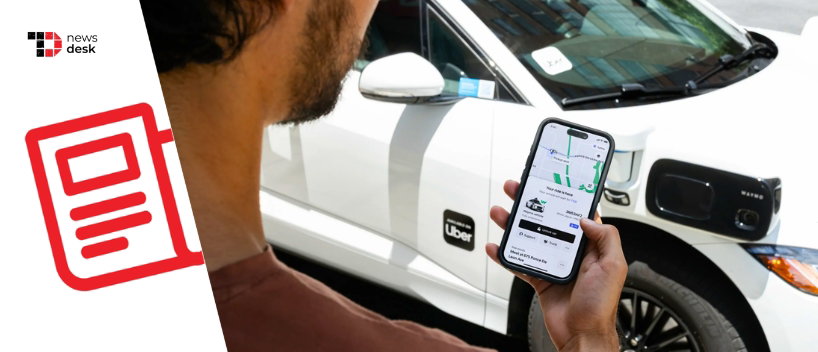
Waymo robotaxis are no longer available through Uber’s ride-hailing app in Phoenix, ending a nearly three-year autonomous vehicle partnership in the city. Both companies framed the move as a planned conclusion to a limited pilot, not a sudden split.
TL;DR
- Waymo and Uber have ended their robotaxi partnership in Phoenix.
- Waymo said the vehicles have returned to its own Phoenix fleet.
- Uber said Phoenix helped it scale robotaxi services in Austin and Atlanta.
- Both companies may increasingly compete in markets such as London.
Waymo Robotaxis Exit Uber’s Phoenix App After Limited Pilot Ends
Waymo users had started noticing in recent days that the company’s vehicles were missing from Uber’s network in Phoenix, Arizona. The companies confirmed that the deployment has ended, with Waymo saying the change took place in May.
Uber described Phoenix as the contracted endpoint for an intentionally limited deployment. Waymo, meanwhile, said the vehicles Uber used for the pilot have already been folded back into its own Phoenix fleet and remain available through the Waymo app.
The move does not end the broader Uber-Waymo relationship. Waymo vehicles are still available on Uber in Austin and Atlanta, where the companies have expanded more aggressively.
Uber said Phoenix played a key role in helping the company prepare for those bigger rollouts.
“Phoenix was our first pilot market with Waymo and was an intentionally limited deployment, reaching just over a dozen vehicles dedicated to the program. We learned a lot from that collaboration, which helped us to quickly scale Austin and Atlanta, where hundreds of Waymo AVs are available exclusively on Uber and our coverage area continues to expand,” Uber said.
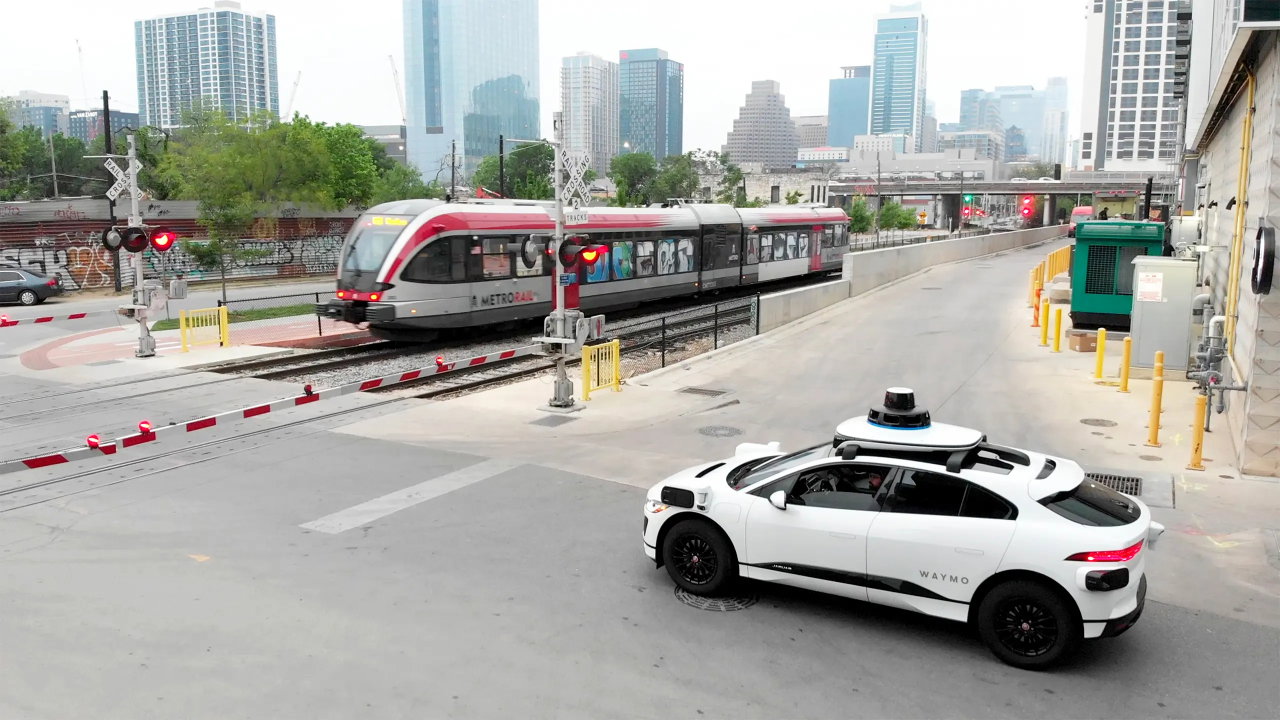
Waymo Brings Phoenix Vehicles Back To Its Own Fleet
Waymo also positioned the Phoenix program as a useful stepping stone rather than a retreat. The Alphabet-owned autonomous driving company said the pilot helped support future expansion while serving hundreds of thousands of Uber riders.
“This was a productive pilot that paved the way for future expansions and partnerships across the globe. After hundreds of thousands of trips with Uber, we have integrated these vehicles back into our Phoenix fleet, where they will continue to serve riders through Waymo, including our public transit integration with Via, and delivery with DoorDash,” Waymo told TechCrunch.
Waymo added that it was “grateful to all of the Uber customers who took fully autonomous trips” and said it would continue serving the Phoenix community.
The timing is notable. Waymo is beginning to put its newer Zeekr-made robotaxi van, called Ojai, on the road. The company is also scaling fast, with around 4,000 vehicles in its fleet, operations across 11 major U.S. metro areas, and more than 500,000 weekly trips.
Topics For More Insights
- Waymo Vs. Tesla: Comparing The Best Autonomous Vehicle Technology
- Waymo Recalls Nearly 4,000 Robotaxis After 13 Highway Construction Zone Incidents
- Uber And Nuro Begin Employee Testing For Premium Robotaxi Service In San Francisco
- Volkswagen's MOIA & Uber To Test Driverless Minivans In Los Angeles; Launch In Late 2026
Uber And Waymo’s Robotaxi Strategies Are Starting To Diverge
The Phoenix partnership was always unusual because it was the only city where Waymo operated both directly and through Uber. That made the market a useful testbed, but also a potential overlap as both companies’ ambitions grew.
Uber is now preparing to launch another autonomous vehicle partnership in Phoenix, though it has not named the partner. At the same time, Waymo is launching in around 20 new cities this year, expanding its direct-to-consumer robotaxi footprint.
The end of the Phoenix program also lands as Uber and Waymo appear poised to compete more directly in places such as London as early as this year.
That marks a sharp shift from 2023, when their collaboration still seemed unlikely after their messy legal battle, which ended in a 2018 settlement. Back then, robotaxis had not yet reached meaningful scale, and Cruise was still viewed as a major contender.
Now, Waymo is scaling its own network, while Uber has signed deals with dozens of autonomous vehicle partners. Phoenix may have been a quiet ending, but it also signals how quickly the robotaxi race is changing.
