

SpaceX abruptly aborted the second flight attempt of its upgraded Starship V3 system on July 16, 2026, after several Super Heavy engines failed to ignite seconds before the rocket was due to leave its Starbase launchpad in South Texas.
The rocket remained secured to the pad as its automated systems stopped the launch sequence, preventing the partially ignited booster from attempting liftoff without sufficient thrust. SpaceX immediately began unloading propellant and is now targeting another attempt in the following week.
TL;DR
- SpaceX’s Starship Flight 13 was automatically aborted less than a second before liftoff.
- Webcast telemetry indicated that four of Super Heavy’s 33 Raptor engines did not ignite.
- Elon Musk said two Raptor engines will be replaced before another attempt, which is most likely to take place early next week.
What Caused SpaceX To Abort Starship Flight 13?
The incident occurred at approximately 5:45 p.m. Central Time, as the Super Heavy booster began igniting its engines during the final seconds of the countdown.
Although flames and exhaust appeared beneath the vehicle, Starship never left the launch mount. SpaceX’s automated launch system detected that some engines had failed to start and commanded the remaining engines to shut down.
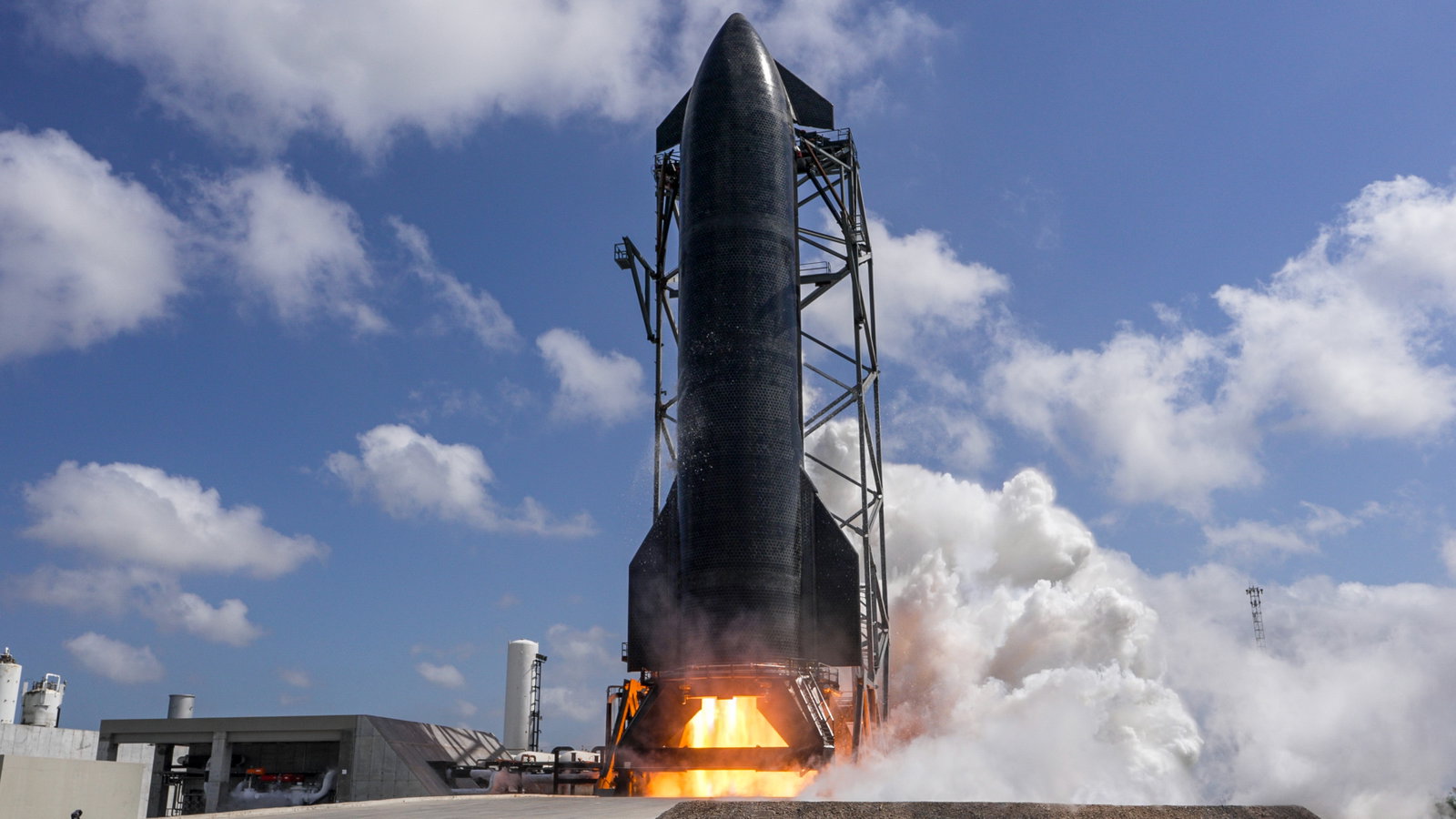
“Some of the engines didn’t start, triggering an automatic launch abort,” SpaceX CEO Elon Musk said in a post on X. “To be confident of a good flight, 2 Raptors will be removed and replaced. Most probable launch timing is early next week.”
SpaceX spokesperson Dan Huot also confirmed the booster hold during the company’s livestream. “We did trigger a hold on the booster that aborted our liftoff as we were starting to light those Raptor engines,” said Huot, according to Reuters.
Musk did not specify precisely how many engines failed to start. However, the Associated Press reported that SpaceX’s on-screen telemetry showed four engines remaining inactive, while the other 29 shut down immediately after the abort command.
What Was Starship Flight 13 Expected To Test?
Flight 13 was intended to become the second test of SpaceX’s third-generation Starship and Super Heavy vehicles, following Starship V3’s debut during Flight 12 on May 22, 2026.
According to SpaceX’s official mission information, the Starship upper stage was expected to deploy 20 Starlink V3 satellites, relight a Raptor engine in space and continue testing its atmospheric re-entry capabilities. The satellites would also communicate with existing Starlink spacecraft and capture images of Starship’s heat shield before eventually burning up in the atmosphere.
Neither Starship nor the Super Heavy booster was expected to be recovered. The booster was planned to conduct a controlled descent into the Gulf, while the upper stage would have continued toward a splashdown in the Indian Ocean.
Why Is The Next Starship Flight Important?
Flight 13 follows a mixed Starship V3 debut. During Flight 12, all 33 Raptor engines initially ignited, but one engine shut down during ascent and the Super Heavy booster later failed before completing its planned landing demonstration.
The Federal Aviation Administration closed its Flight 12 investigation on July 13 and cleared SpaceX to proceed with Flight 13, provided the company met all remaining licensing and safety requirements. The FAA said the most probable causes of the booster loss included heat effects on propulsion components and incorrect engine alarm system settings.
Topics for more insights:
The program is also critical to NASA’s lunar plans. NASA is working with SpaceX on a Starship Human Landing System, with Starship technology expected to support demonstrations needed for future Artemis lunar landing missions.
The launch abort demonstrates that SpaceX’s hold-down and automated shutdown protections operated as intended. However, replacing the affected engines and identifying why they failed to ignite will be essential before the world’s most powerful rocket makes another attempt.
