
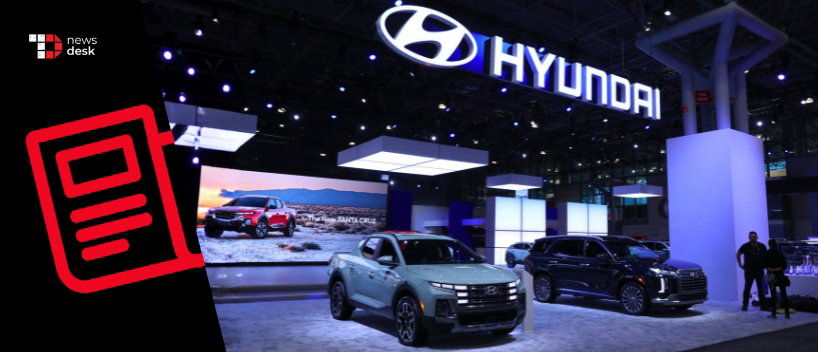
Robots have not unionized, but Hyundai’s humanoid plans have already put them at the center of a labor dispute.
Workers in South Korea launched a partial strike after wage negotiations stalled and the union demanded job security protections tied to Hyundai’s proposed deployment of humanoid robots.
The action could offer an early look at how automation will reshape labor negotiations across the global automotive industry.
TL;DR
- Hyundai workers held two-hour strikes across daytime and evening shifts from July 13 to 15.
- The union rejected Hyundai’s wage and bonus proposal while demanding employment protections before humanoid robots enter factories.
- The disruption could cost Hyundai KRW 200 billion in lost production, equivalent to roughly 5,000 vehicles.
Hyundai Workers Challenge Humanoid Robot Deployment And Wage Terms
Hyundai workers downed tools for two hours per shift between Monday and Wednesday, marking their first strike action of the year. The dispute covers wages, performance bonuses, retirement terms and the potential effect of automation on jobs and earnings.
Hyundai reportedly offered a KRW 89,000 ($67) increase in basic monthly pay, an annual performance bonus worth up to 350% of monthly salary, an additional KRW 10 million payment and 15 company shares for each worker.
The union rejected the package and demanded a KRW 149,600 ($100) monthly salary increase, bonus payments equivalent to 800% of salary and an increase in the retirement age from 60 to 65.
However, humanoid robots have become one of the dispute’s most significant elements. The union wants guarantees covering employment and working conditions, along with negotiations before Hyundai deploys humanoids inside its manufacturing plants.
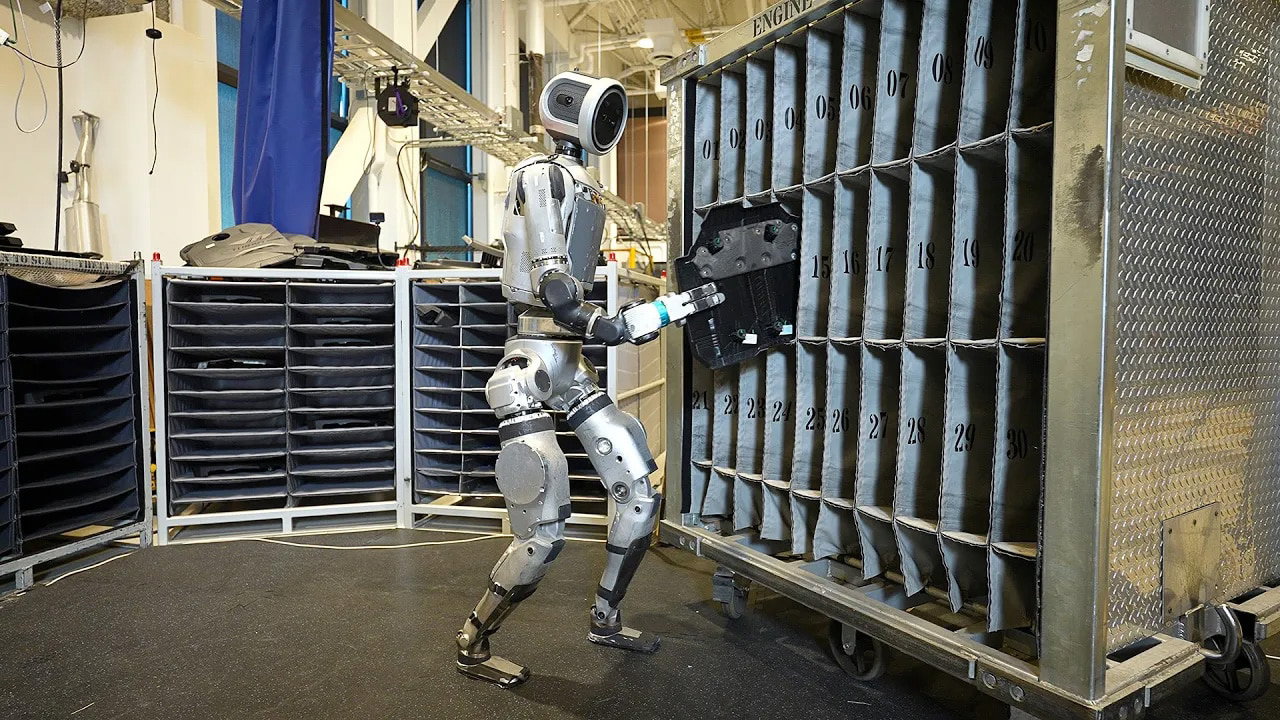
Hyundai’s Atlas Robot Plans Put Factory Jobs In Focus
Hyundai is directly connected to the emerging humanoid robotics market through its ownership of Boston Dynamics, which introduced its industrial Atlas robot earlier this year.
The automaker reportedly plans to begin using humanoid robots for simple factory tasks by 2028. The union is seeking protection against possible job displacement and wage losses before those deployments begin.
That makes the dispute more than a conventional disagreement over annual compensation. It raises a wider question about whether workers should have a formal role in deciding how, when and where advanced robots are introduced.
The strike could reportedly cost Hyundai around KRW 200 billion in lost production, representing approximately 5,000 vehicles.
Topics For More Insights
Hyundai Strike Could Set A Labor Precedent For Automotive Robotics
Automakers worldwide are exploring humanoid robots and other collaborative machines for manufacturing. BMW and General Motors are among the companies experimenting with such systems.
General Motors previously faced criticism from the United Auto Workers after introducing collaborative robots, commonly called cobots, at a Detroit facility while laying off more than 1,000 workers.
Meanwhile, employees at GM Korea also launched a two-day partial strike this week after wage negotiations failed, resulting in eight hours of lost production.
Any agreement between Hyundai and its workers could therefore influence more than one company. It may become an early template for how automakers balance productivity gains from humanoid robots with wages, employment protections and worker participation as factory automation accelerates.
