
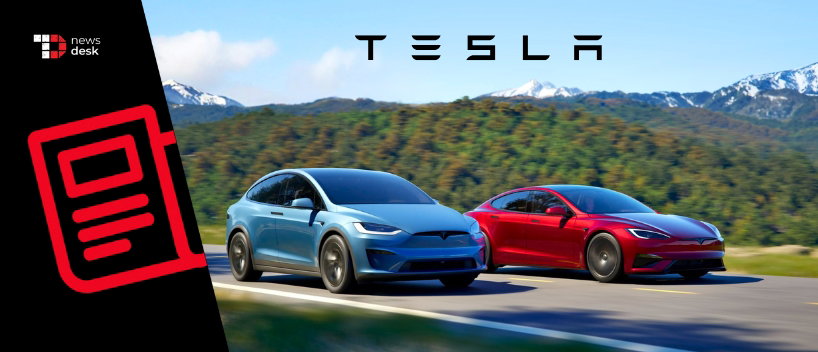
As Elon Musk signals the end of these flagship electric vehicles (EVs), the company is shifting focus toward artificial intellgence-led (AI) ambitions, including Cybercab and Optimus robots.
TL;DR
- Tesla has stopped custom orders for Model S and Model X, with only remaining inventory left.
- Sales of both models have steadily declined as Model 3 and Model Y dominate.
- The company is pivoting toward AI, focusing on Cybercab and Optimus robots.
- Cybercab production is expected to begin soon, though regulatory hurdles remain.
Tesla’s premium EVs are officially on their way out as the company ends Model S and X production amid sales decline and strategy shifts.
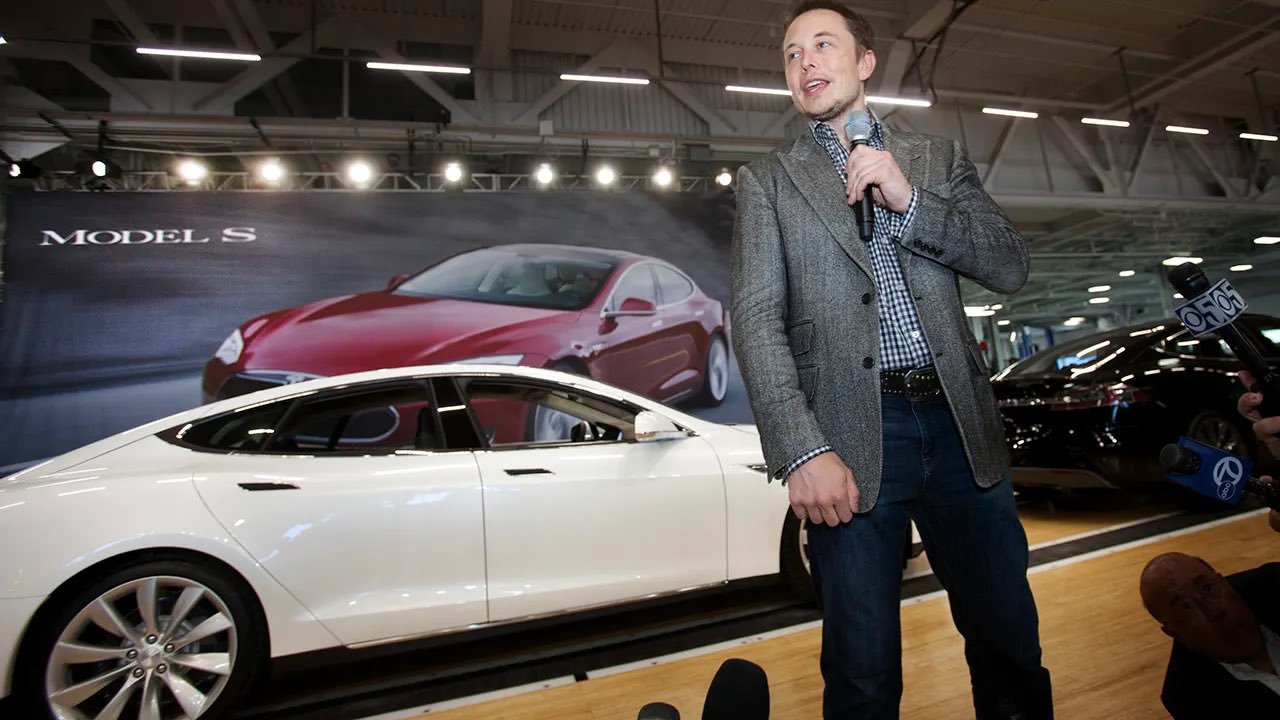
Elon Musk confirmed in a post on X that “Custom orders of the Tesla Model S & X have come to an end. All that’s left are some in inventory. We will have an official ceremony to mark the ending of an era. I love those cars.”
This marks the final phase of a gradual decline.
Once peak performers with over 101,000 combined sales in 2017, the Model S and X have faded into a smaller “other models” category, which now also includes the Cybertruck. By 2025, that combined figure dropped to just 50,850 units, a sharp contrast to Tesla’s 1.63 million global deliveries.
The shift reflects changing consumer demand. More affordable and scalable options like the Model 3 and Model Y have taken center stage, driving Tesla’s mass adoption strategy. While the Model S helped redefine electric mobility after its 2012 launch, and the Model X expanded Tesla’s appeal in 2015, their complexity and higher price points eventually limited their growth.
Tesla Doubles Down On AI Vision With Cybercab And Optimus Robots
Instead of replacing the outgoing models with another traditional EV, Tesla is pivoting hard toward AI. Plans for a low-cost EV have been scrapped, and Musk is now betting on two futuristic products, the Optimus humanoid robot and the Cybercab autonomous vehicle.
Production lines previously dedicated to Model S and X are expected to transition toward Optimus manufacturing at Tesla’s Fremont facility. Meanwhile, Cybercab production is slated to begin in Austin.
This strategic shift underscores Musk’s evolving narrative that Tesla is no longer just an automaker. The company is positioning itself as an AI-driven enterprise, with autonomy and robotics at its core.
Cybercab Ambitions Face Regulatory And Technical Roadblocks
The Cybercab represents Tesla’s boldest move yet. Designed as a fully autonomous two-seater without a steering wheel or pedals, it removes the need for human intervention entirely.
However, that ambition comes with significant challenges. Current federal safety standards require traditional driving controls, and there is no public evidence that Tesla has applied for exemptions. Competitors like Zoox have already begun navigating this process, potentially giving them an early advantage.
The vehicle will rely entirely on Tesla’s Full Self-Driving software, which has yet to prove it can operate reliably at scale. While limited robotaxi testing has taken place, broader deployment involves regulatory approvals, operational logistics, and public trust.
Musk acknowledged the long-term vision during Tesla’s earnings call, stating, “The vast majority of miles traveled will be autonomous in the future.” He added that human-driven travel could drop below 5%, possibly even 1%.
Topics For More Insights
Tesla Enters A New Chapter
The end of Model S and X is more than a product decision, it signals a philosophical shift. These vehicles once helped Tesla challenge the automotive industry and accelerate EV adoption worldwide.
Now, the company is chasing a different frontier. With slowing growth, 1.69 million vehicles sold in 2025, and increased competition from rivals like BYD, Tesla is recalibrating its identity.
Early 2026 figures show a modest recovery, with 358,023 deliveries in the first quarter, up about 6% year-over-year but still below expectations.
