
Manufacturing Technology
Nuro’s California Driverless Permit Pushes The Premium Robotaxi Dream Closer To Reality
Updated on Thu, May 7, 2026
Share
While fully autonomous commercial rides are still some distance away, the latest regulatory milestone signals growing momentum behind the companies’ long-term robotaxi ambitions.
TL;DR
- Nuro received approval to test driverless Lucid Gravity SUVs in California without a human safety driver
- The vehicles are being developed for Uber’s future premium robotaxi service
- Uber expanded its partnership with Lucid to at least 35,000 robotaxis and increased its investment commitment
- Commercial robotaxi operations are still targeting late 2026, pending additional approvals and deployment permits
Nuro Expands Beyond Delivery Vehicles With Lucid Robotaxi Testing
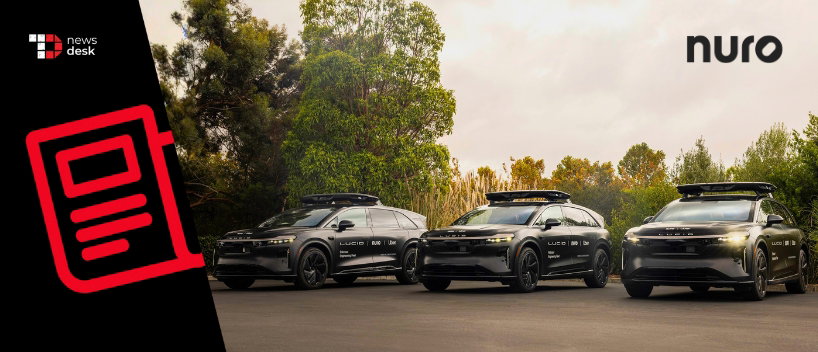
The California Department of Motor Vehicles updated Nuro’s existing driverless testing permit to include Lucid Gravity SUVs equipped with the startup’s autonomous driving technology. This marks a significant shift for Nuro, which previously only held approval to operate its low-speed autonomous delivery vehicles.
The company had originally built its reputation around self-driving delivery robots before pivoting toward licensing its autonomous vehicle platform to partners such as Uber. Now, its focus has clearly moved toward passenger transportation and large-scale robotaxi deployments.
The newly modified permit allows Nuro to test the Lucid Gravity vehicles on public roads without a human operator behind the wheel. However, Nuro confirmed that fully driverless testing has not yet started.
According to Nuro spokesperson David Salguero, the company expects to begin driverless operations later this year, though no exact timeline has been disclosed.
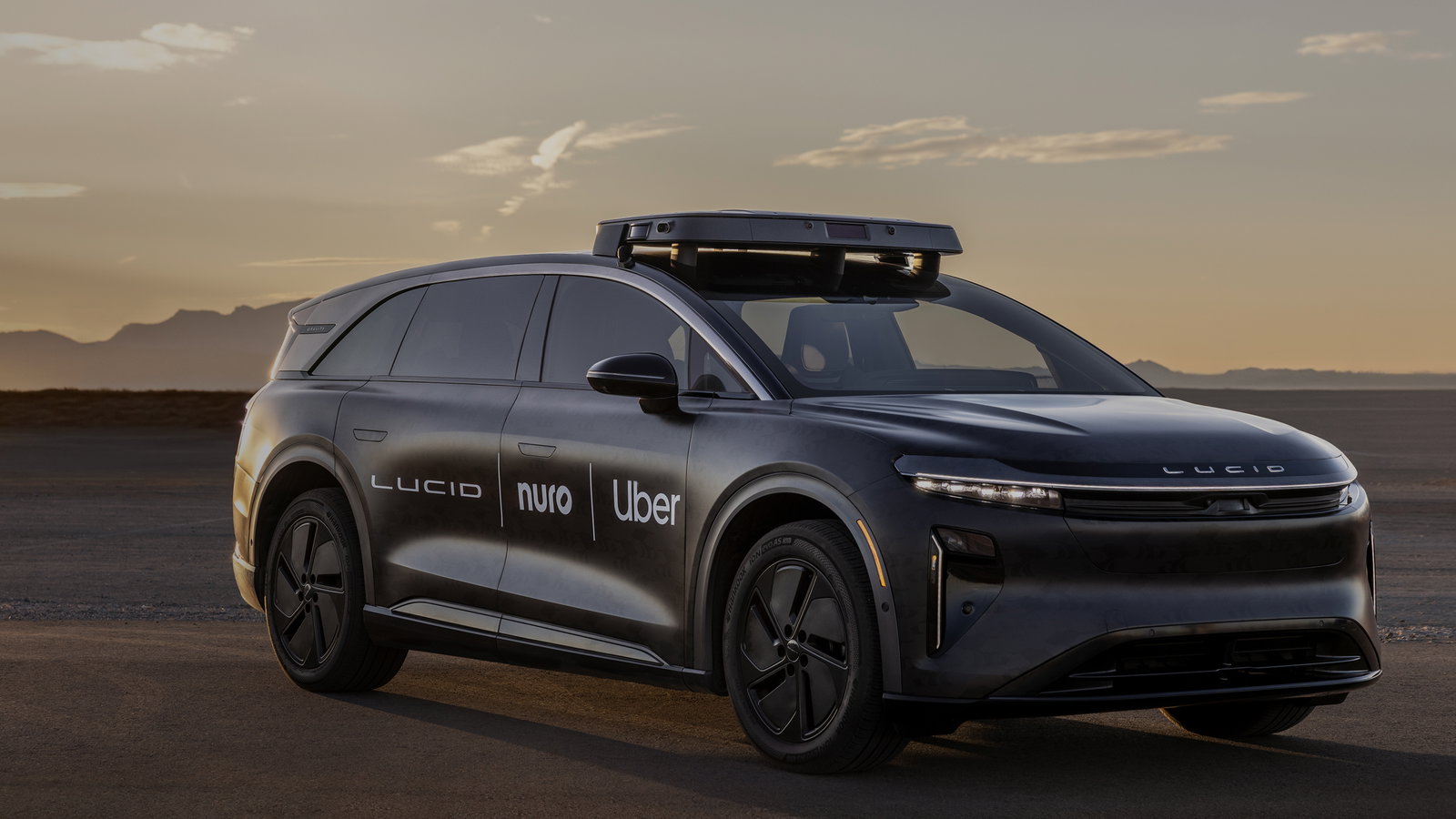
At present, Uber and Nuro are still conducting autonomous testing with human safety operators seated in the driver’s seat. The testing program recently expanded to include Uber employees, who can request rides in autonomous Lucid Gravity vehicles through the Uber app while a safety operator remains onboard.
Uber Deepens Commitment To Autonomous Mobility Partnership
As testing progresses, Uber has significantly expanded its investment and fleet commitments tied to the partnership.
When Uber, Lucid, and Nuro first announced their collaboration in July 2025, Uber committed $300 million toward Lucid and agreed to purchase 20,000 robotaxi-ready Gravity SUVs. That agreement has since grown considerably.
Uber’s revised commitment now totals $500 million and includes a minimum deployment target of 35,000 autonomous vehicles. The updated agreement includes at least 10,000 Lucid Gravity SUVs alongside 25,000 future electric vehicles based on Lucid’s upcoming midsize EV platform.
All vehicles in the program will use Nuro’s autonomous driving stack powered by NVIDIA’s Drive AGX Thor computing platform.
The Lucid Gravity robotaxi itself comes equipped with an advanced sensor suite that includes high-resolution cameras, solid-state lidar sensors, and radar systems that allow the autonomous platform to detect and interpret its surroundings in real time.
Topics For More Insights
Lucid Accelerates Engineering And Testing Ahead Of 2026 Rollout
Lucid also revealed fresh progress during its first-quarter earnings call, confirming that it has already delivered 75 engineering vehicles to Uber and Nuro for testing purposes.
The EV maker added that testing and mileage accumulation are underway across several U.S. cities as the companies continue refining the system ahead of launch.
Lucid reiterated that it remains on track to begin commercial robotaxi operations in late 2026. However, executives acknowledged that early operations could still involve limitations depending on how quickly additional regulatory approvals are secured.
Before Uber can commercially deploy a fully driverless ride-hailing service in California, Nuro must still secure a driverless deployment permit from the DMV alongside a driverless ride-hailing permit from the California Public Utilities Commission.
Even so, Lucid executives maintained an optimistic tone, stating that development timelines and certification milestones are progressing as expected.
First published on Thu, May 7, 2026

Enjoyed what you've read so far? Great news - there's more to explore!
Stay up to date with the latest news, a vast collection of tech articles including introductory guides, product reviews, trends and more, thought-provoking interviews, hottest AI blogs and entertaining tech memes.
Plus, get access to branded insights such as informative white papers, intriguing case studies, in-depth reports, enlightening videos and exciting events and webinars from industry-leading global brands.
Dive into TechDogs' treasure trove today and Know Your World of technology!
Disclaimer - Reference to any specific product, software or entity does not constitute an endorsement or recommendation by TechDogs nor should any data or content published be relied upon. The views expressed by TechDogs' members and guests are their own and their appearance on our site does not imply an endorsement of them or any entity they represent. Views and opinions expressed by TechDogs' Authors are those of the Authors and do not necessarily reflect the view of TechDogs or any of its officials. While we aim to provide valuable and helpful information, some content on TechDogs' site may not have been thoroughly reviewed for every detail or aspect. We encourage users to verify any information independently where necessary.
Loading comments...