
Lenovo took center stage at CES 2026 with a clear message, that the future of computing is intelligent, connected, and everywhere.
The company introduced new AI platforms, cross-device assistants, and concept hardware that together showcase how its ecosystem is evolving for both consumers and enterprises.
Here's everything you need to know.
TL;DR
- Lenovo partnered with NVIDIA to build a global AI cloud gigafactory for enterprise AI deployment.
- Introduced Qira, a cross-device AI assistant connecting PCs, smartphones, and wearables.
- Showcased AI concept glasses and adaptive PCs focused on real-world intelligence.
- Highlighted its hybrid AI strategy linking personal and enterprise computing experiences.
Lenovo And NVIDIA Team Up On AI Cloud Gigafactory
At the very first day of the CES 2026 event, Lenovo announced a major partnership with NVIDIA to accelerate AI adoption in enterprise data centers.
The collaboration, called the Lenovo AI Cloud Gigafactory with NVIDIA, combines Lenovo’s hybrid AI infrastructure and liquid cooling with NVIDIA’s advanced computing systems. The goal is to help organizations deploy AI environments in weeks instead of months.
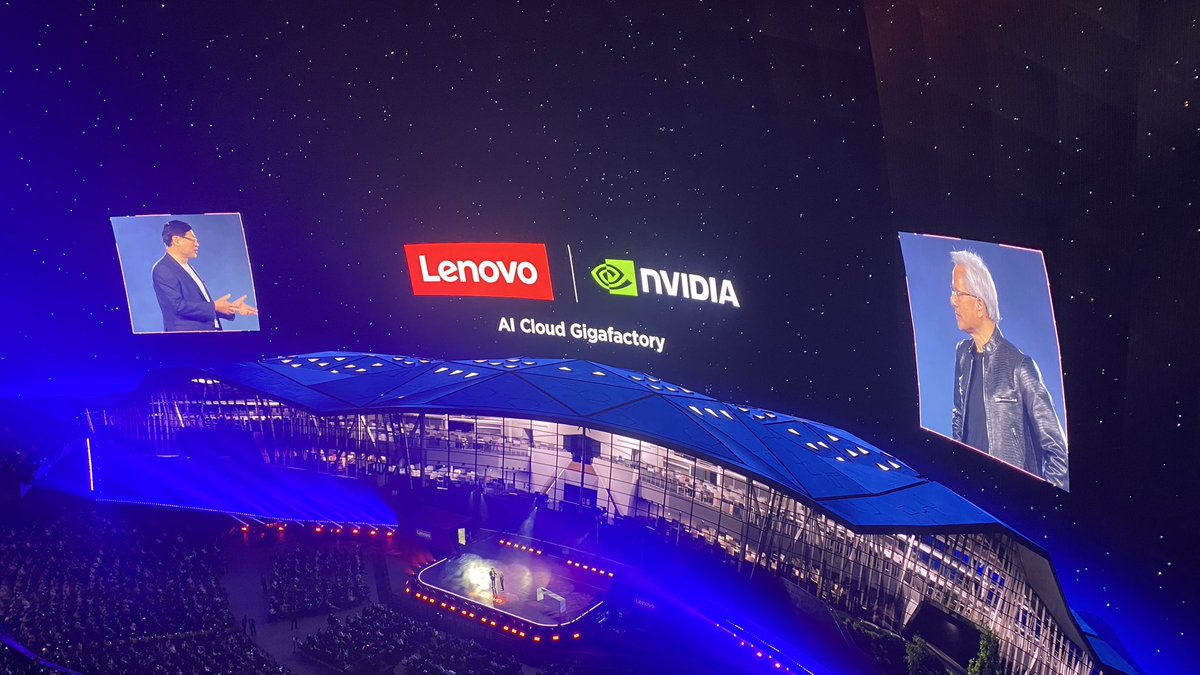
Lenovo CEO Yang Yuanqing said the initiative “sets a new benchmark for scalable AI factory design, enabling the world’s most advanced AI environments to be deployed in record-setting time.” He added that the partnership will help businesses move faster from AI testing to production use cases.
This partnership marks Lenovo’s next step toward becoming a full-scale AI and cloud infrastructure provider, complementing its traditional hardware business.
Qira: A Cross-Device, Proactive AI Assistant
Lenovo also introduced Qira, a new AI assistant platform that works seamlessly across PCs, smartphones, tablets, and wearables. Unlike traditional assistants that operate within one device, Qira learns user preferences and continues tasks across multiple platforms.
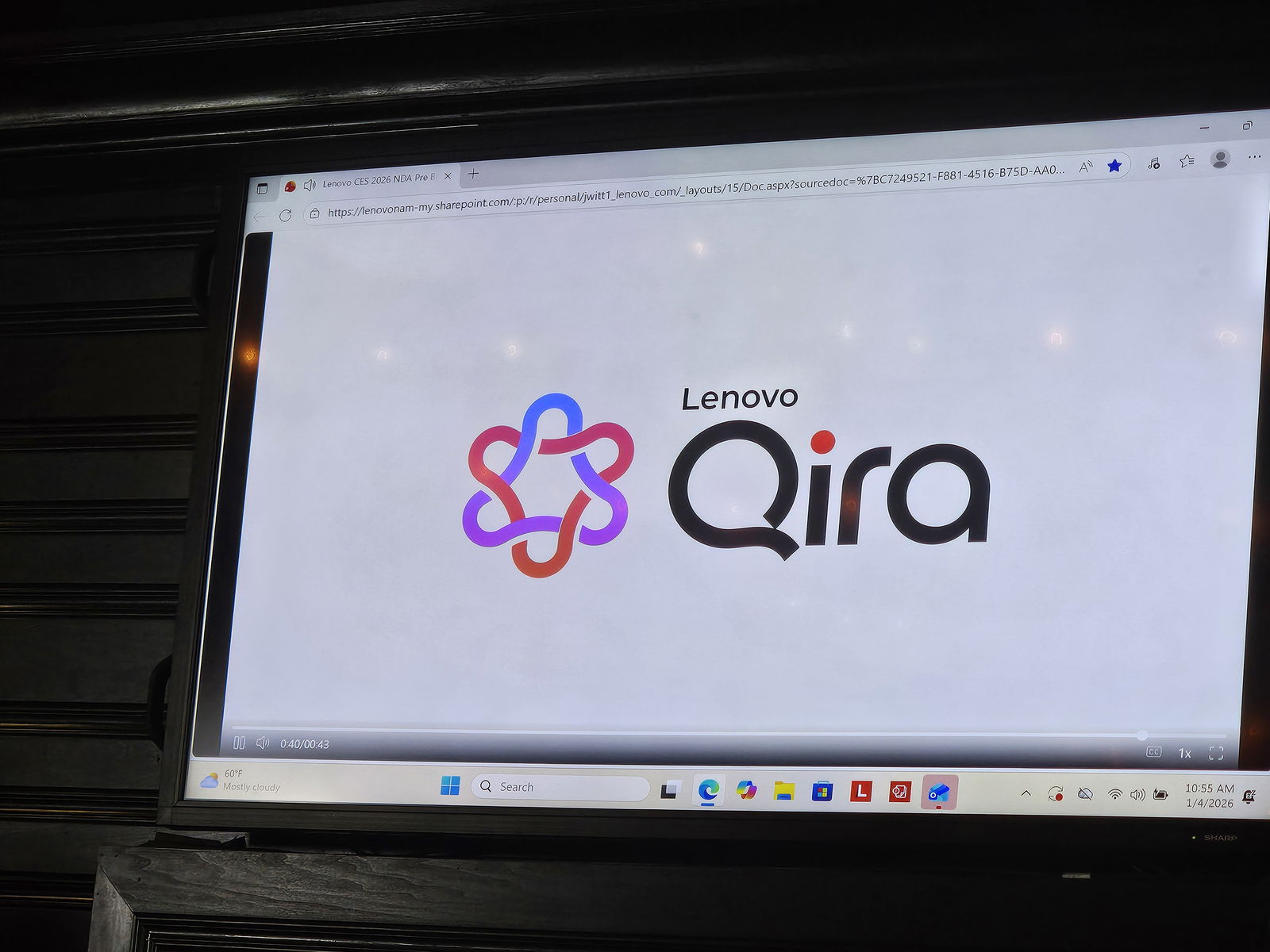
Jeff Snow, head of Lenovo’s AI software group, described Qira as “an assistant that works with you throughout the day and adapts to your behavior.” Qira integrates with Microsoft Azure AI, OpenAI models, and Stability AI tools, giving users flexibility and privacy control. Most data is processed locally, allowing users to manage what information the assistant can access.
Lenovo says Qira reflects its vision of AI as a personal, trusted companion that enhances productivity and creativity without compromising user data.
Concept Devices: AI Glasses And Wearables
Lenovo’s CES 2026 booth featured a range of futuristic concept devices that preview how AI may blend into daily life. Among them were AI concept glasses, a lightweight pair of smart glasses weighing around 45 grams, equipped with voice and touch controls, dual microphones, small speakers, and a bright binocular display.
The glasses can perform real-time translations, summarize notifications, identify objects, and display contextual information. Although still a prototype, they demonstrate Lenovo’s effort to bring natural, hands-free AI interaction into the wearable category.
Industry analysts said the concept highlights Lenovo’s ambition to merge its AI software and hardware expertise into new form factors that redefine mobile computing.
Topics For More Insights
New PCs And Ambient Innovation
Lenovo expanded its consumer lineup with several AI-ready devices, including the Yoga AIO i Aura Edition—a 32-inch 4K OLED all-in-one desktop featuring a transparent lighting bar that reacts to on-screen activity. It is powered by Intel Core Ultra X7 processors and includes a 16 MP camera and Harman Kardon speakers.
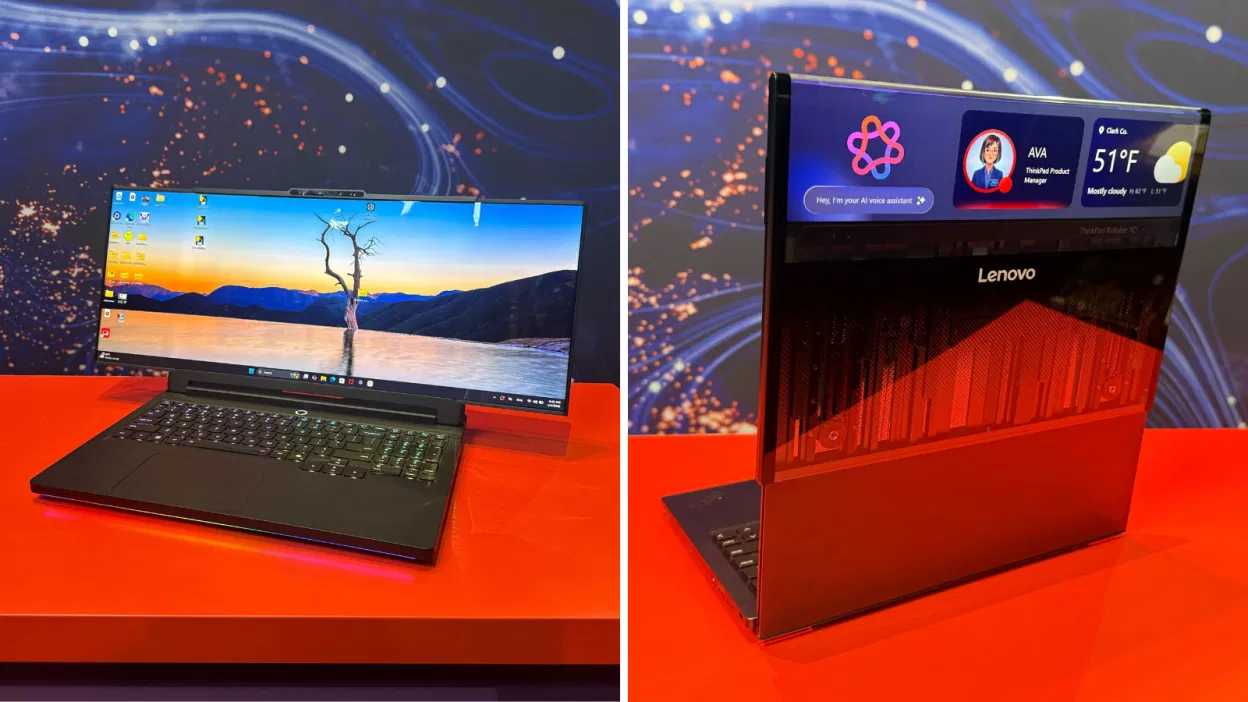
The device adjusts lighting and display behavior based on user activity, showing Lenovo’s focus on “ambient AI” design. The company also unveiled updated Yoga and IdeaPad laptops for creators, and the new ThinkPad X1 Carbon Aura Edition for professionals seeking AI-enhanced performance.
Lenovo's Vision For Hybrid AI And Future Devices
Lenovo’s central theme at CES 2026 was “AI everywhere.” Through its Tech World keynote, the company shared its long-term vision of connecting personal AI with enterprise AI to form a unified hybrid ecosystem.
Yang Yuanqing said Lenovo’s strategy is “to build an AI ecosystem where every device and every data center can work together intelligently.” He noted that this approach will allow users to experience consistent, reliable, and secure AI assistance across every device.
Although some of the showcased wearables remain in concept stages, Lenovo’s CES 2026 lineup makes clear that AI is the foundation for its future.
With its partnership with NVIDIA, the Qira assistant, and adaptive form factors, Lenovo is moving toward a world where computing becomes truly intelligent and interconnected.
