
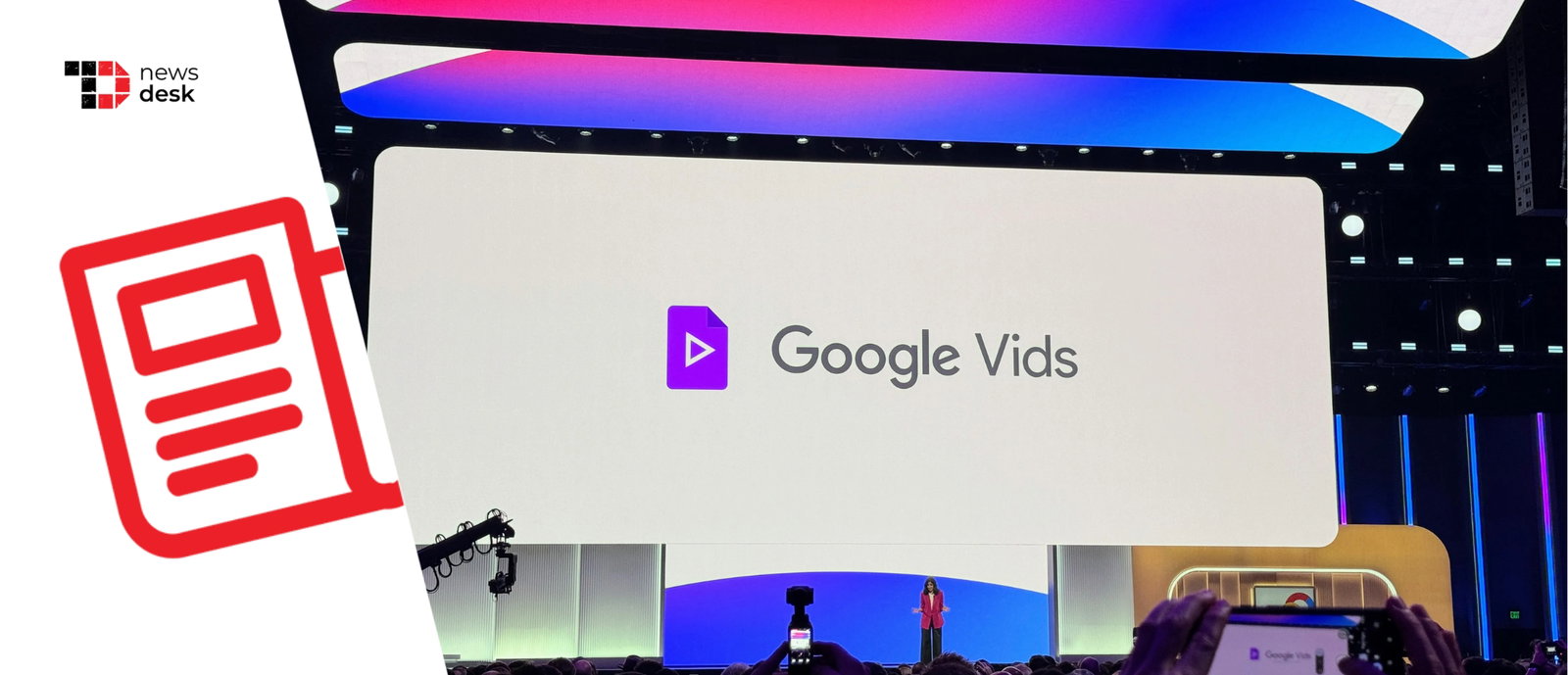
Google has introduced a new feature to its Vids app that allows users to direct AI-generated avatars using simple text prompts, further enhancing its push into AI-powered video creation and workplace productivity tools.
TL;DR
- Google Vids now lets users control AI avatars through text prompts
- Users can define scripts, tone, and delivery style for video presentations
- Feature is part of Google Workspace’s broader AI integration strategy
- Strengthens competition in AI video generation and enterprise content tools
What Does Google’s New Vids Feature Offer?
Google has updated its Vids app with the ability to control AI avatars using prompts, enabling users to generate video presentations without manually recording themselves.
The feature allows users to input scripts and instructions, which the AI then uses to animate avatars that deliver the content. Users can influence tone, pacing, and presentation style, making the videos more tailored to specific use cases such as training, onboarding, or internal communication.
This builds on Google Vids’ existing capabilities, which already include AI-assisted video creation tools like script generation, scene suggestions, and media integration within the Google Workspace ecosystem.

According to Google, the goal is to simplify video production for professionals who may not have the time or resources to create polished video content manually.
The update reflects a growing trend where AI tools are reducing the complexity of multimedia creation, allowing users to move from idea to execution using natural language prompts.
How Does This Fit Into Google’s AI Strategy?
The addition of prompt-driven avatar control aligns with Google’s broader push to embed generative AI across its Workspace products.
Google has been steadily integrating AI into tools like Docs, Slides, Gmail, and Meet, aiming to transform how users create, communicate, and collaborate. Vids represents its entry into AI-powered video creation, a category seeing rapid growth as businesses increasingly rely on video communication.
By enabling avatar-based presentations, Google is targeting enterprise users who need scalable ways to produce consistent and engaging content without requiring on-camera presence.
This move also positions Google more directly against competitors offering AI video generation tools, many of which focus on synthetic presenters and automated video production.
The company’s approach emphasizes integration, allowing users to create videos seamlessly within their existing workflows rather than relying on standalone tools.
Topics for more insights:
What Does This Mean For The AI Video Market?
The AI video generation space is becoming increasingly competitive, with companies racing to deliver tools that can produce high-quality, customizable video content from simple inputs.
Google’s latest update highlights the shift toward prompt-based creative control, where users can direct not just what content is created, but how it is delivered.
This is particularly relevant for enterprise use cases, where consistency, scalability, and efficiency are critical. AI avatars can help organizations standardize communication while reducing production time and costs.
However, the rise of AI-generated avatars also raises questions around authenticity, transparency, and potential misuse, especially in professional and public-facing content.
Despite these concerns, adoption continues to grow as businesses look for faster and more efficient ways to create video content.
With this update, Google strengthens its position in the AI-powered productivity space, signaling that video will play a central role in the future of workplace communication.
