

Wearable Technology
10 Insane AI Devices You Can Buy Right Now
Share
TL;DR
-
Ray-Ban Meta Gen 2 lets you ask questions about what you see and get spoken answers, hands-free, all day.
-
Plaud NotePin S transcribes meetings in 112 languages and generates action items without a bot or a phone on the table.
-
Apple AirPods Pro 3 added heart rate sensing, Live Translation, and an FDA-cleared hearing aid capability to the world's best-selling earbuds.
-
Rabbit R1's January 2026 DLAM update turned a dismissed gadget into a plug-and-play voice controller for your entire PC.
-
From the Oura Ring Gen 4's 18-pathway Smart Sensing to the Samsung Galaxy Ring's no-subscription model, smart rings now track health with clinical-grade precision.

Introduction
In Spike Jonze's 2013 film Her, Theodore Twombly carries an earpiece everywhere he goes. Through it, he speaks to Samantha, an AI that knows his routines, remembers his conversations, and answers before he finishes asking.
At the time, that was science fiction. In 2026, that earpiece is a real product. So is the ring on your finger, the glasses that look like Ray-Bans and function like a computer, and the clip-on that transcribes every meeting.
The AI hardware category has moved past the concept stage and the failed first-generation hype cycle. The devices that survived are the ones that do something a smartphone cannot. Every device on this list passed that test. Here are the 10 most insane AI Devices you can buy right now.
The 10 Most Insane AI Devices You Can Buy Right Now
Here are 10 AI Devices which you can buy: This selection is for readers comparing crazy AI gadgets to buy in 2026.
Ray-Ban Meta Gen 2
-
Price: Starting at $379
-
Best for: Everyday users who want hands-free AI without looking like a cyborg.
These frames are indistinguishable from standard Ray-Bans, which is the first and most important feature. Behind the design sits a 12-megapixel ultra-wide camera capable of 3K Ultra HD video, open-ear speakers, a five-microphone array, and Meta AI embedded in the hardware. The battery delivers up to 8 hours of active use, with the case extending that to a combined 48 additional hours. The long battery life also makes it a hands-free, real-time companion rather than a novelty camera.
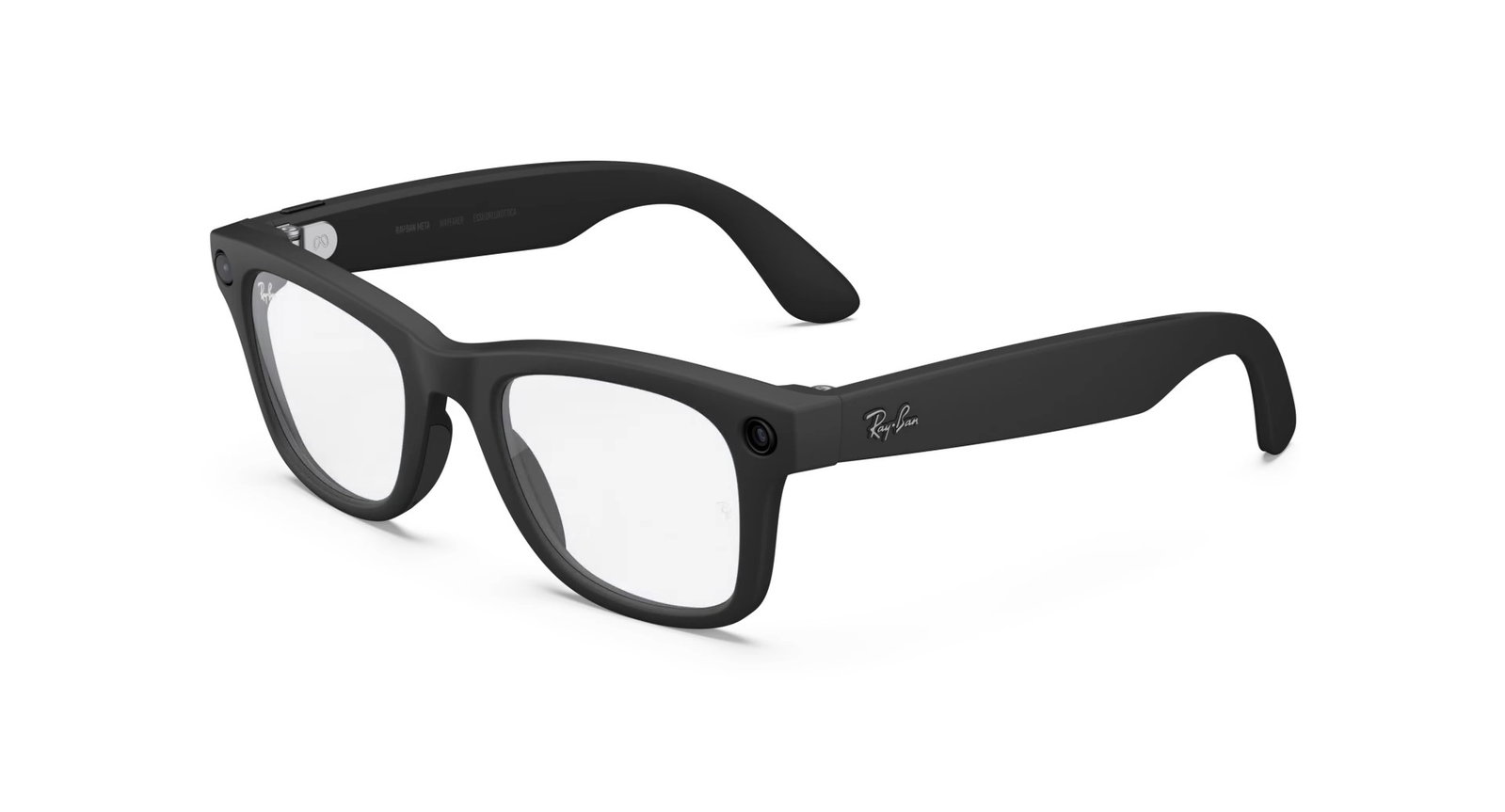
Meta's March 2026 updates added hands-free nutrition tracking via photo or voice, WhatsApp summaries processed on device with end-to-end encryption, and neural and writing for silent message replies. Prescription-optimised Blayzer and Scriber variants begin at $499. The only honest caveat is Meta's privacy track record; every live AI interaction requires Meta's servers, and that is a real trust decision.
Plaud NotePin S
-
Price: $179
-
Best for: Professionals in back-to-back meetings, healthcare workers, students, journalists.
Named Forbes Vetted's Best AI Wearable for 2026, the Plaud NotePin S weighs just 17 grams and clips to a collar, wrist, lanyard, or lapel. One long press starts recording. After a meeting, the Plaud app delivers a full transcript in any of 112 languages with speaker diarization and structured action items. For anyone asking what the best AI wearables for workplace use are, Plaud NotePin S records conversations and turns them into AI-assisted notes.
No bot joins your call. No phone sits on the table. The dual MEMS microphones pick up audio from up to three metres away.
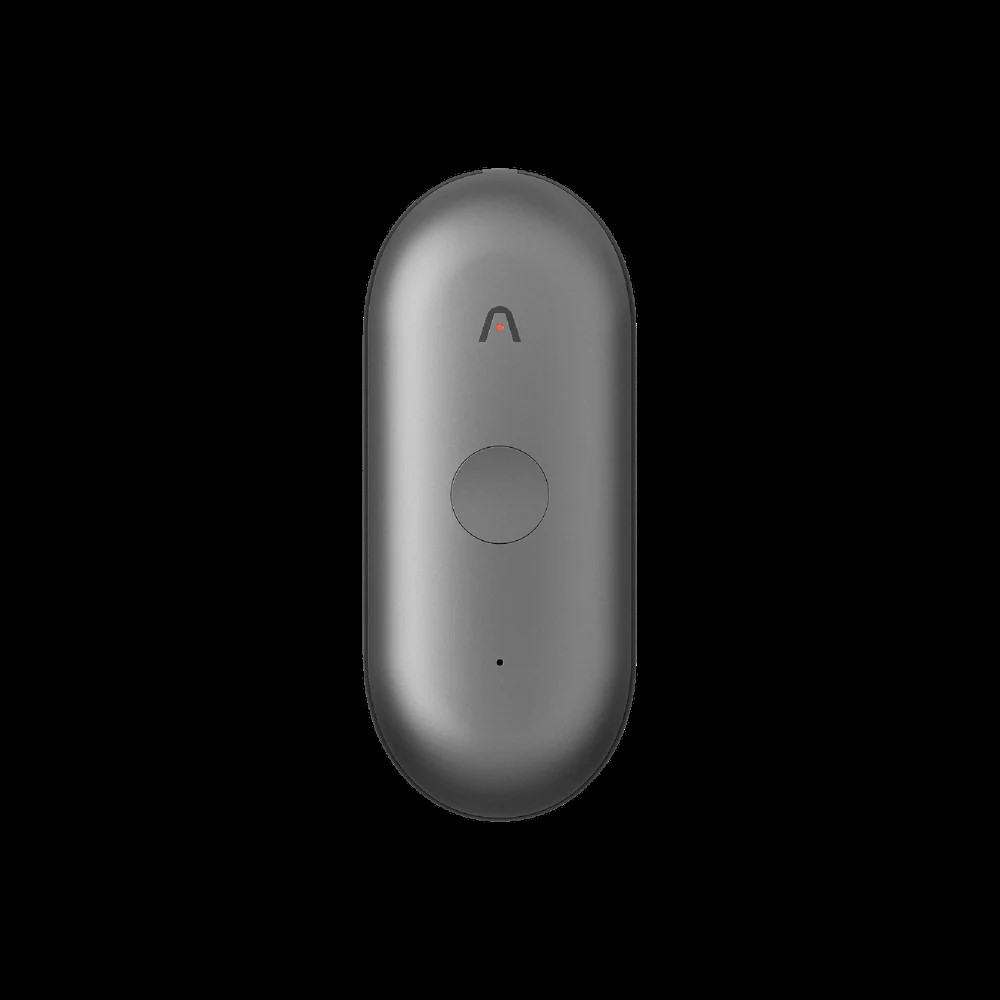
The device stores up to 64GB of audio locally, so it captures everything even without an internet connection. A free starter plan covers 300 transcription minutes per month. The pro plan extends that to 1,200 minutes for $8.34 per month.
Apple AirPods Pro 3
-
Price: $249
-
Best for: iPhone users who want ANC, hearing health features and heart rate tracking in one device.
The AirPods Pro 3, launched in September 2025, are the first earbuds to bundle Active Noise Cancellation, a clinically cleared hearing aid feature for mild to moderate hearing loss, heart rate sensing and real-time live translation into a single in-ear device. The ANC removes up to 4x more noise than the original AirPods Pro. Battery in transparency mode, critical for hearing aid users, reaches up to 10 hours per charge, a 67% improvement over the previous generation.
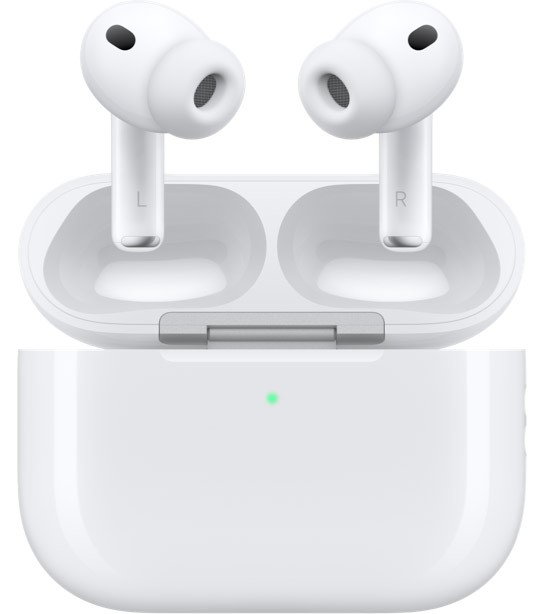
The heart rate sensor pulses infrared light 256 times per second and enables workout tracking across over 50 exercise types. Apple Intelligence's Workout Buddy provides AI coaching mid-session using real-time metrics and historical data. For iPhone users, this is the most capable audio device at any price in 2026.
Oura Ring Gen 4
-
Price: $349 + $5.99/month
-
Best for: Athletes and biohackers who want clinically validated health tracking without a screen.
The Oura Ring Gen 4, released in October 2024, introduced smart sensing, a proprietary platform using 18 signal pathways in its photoplethysmography system, up from six in the Gen 3. The result is measurably better accuracy across sleep stage detection, heart rate variability, blood oxygen and skin temperature tracking. For health-first buyers, it remains one of the strongest smart ring options because it tracks heart rates, sleep and recovery without a screen.
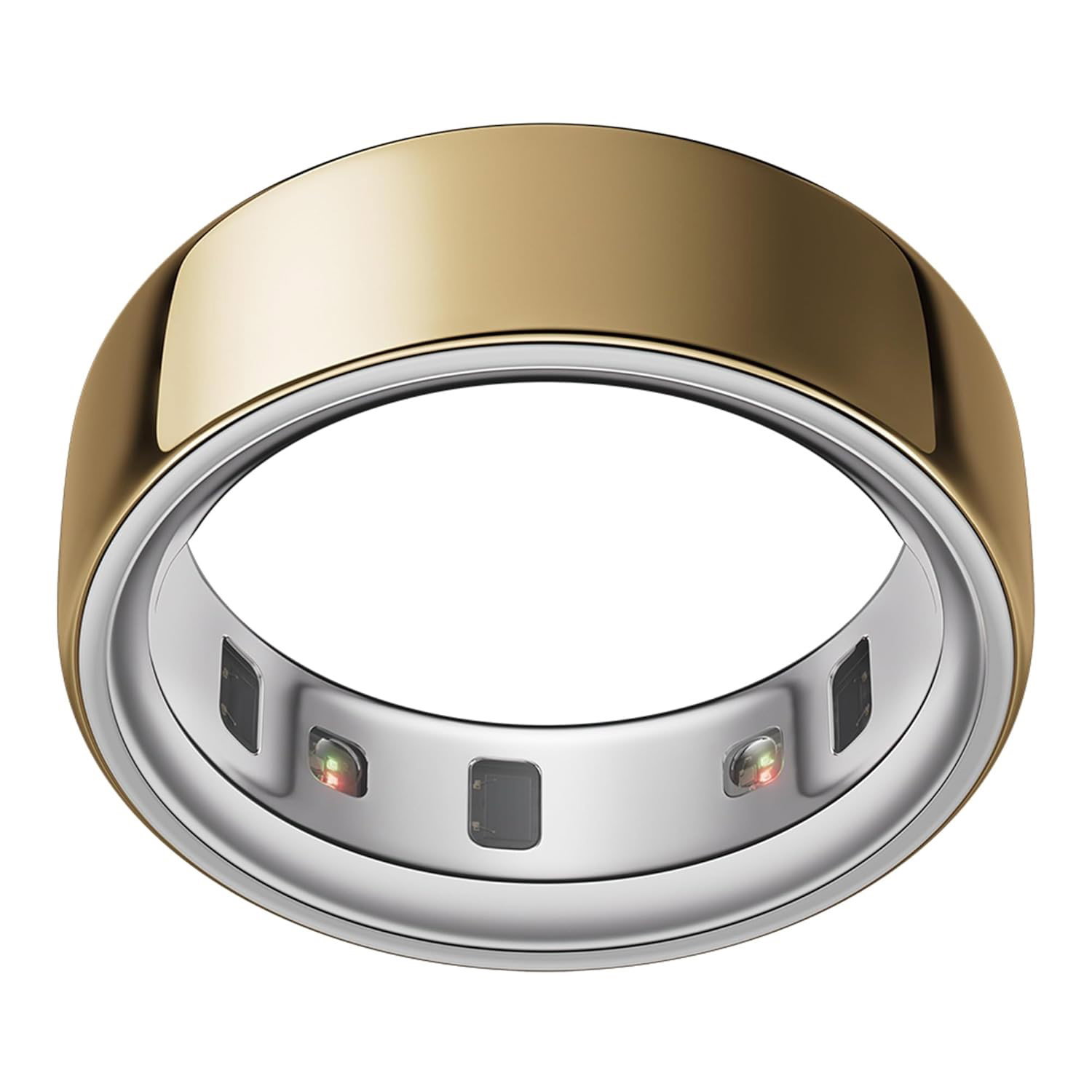
The mandatory $5.99 per month membership remains a sticking point. Subscription-free alternatives like the Samsung Galaxy Ring deliver strong functionality at $0 per month. For buyers who want the deepest and most clinically validated health insights in a ring, the Oura Ring Gen 4 is still the benchmark, conditional on accepting the recurring cost.
Samsung Galaxy Ring
-
Price: $399.99, no subscription
-
Best for: Samsung Galaxy phone users who want comprehensive health tracking with no recurring fee.
Samsung entered the smart ring category with one clear competitive statement: no monthly subscription fee. The titanium ring tracks heart rate, sleep stages, skin temperature, blood oxygen, activity and menstrual cycle insights through Samsung Health. Galaxy AI's Energy Score synthesises overnight data into a daily readiness rating, and it covers up to seven days of battery life across sizes 5 to 15.
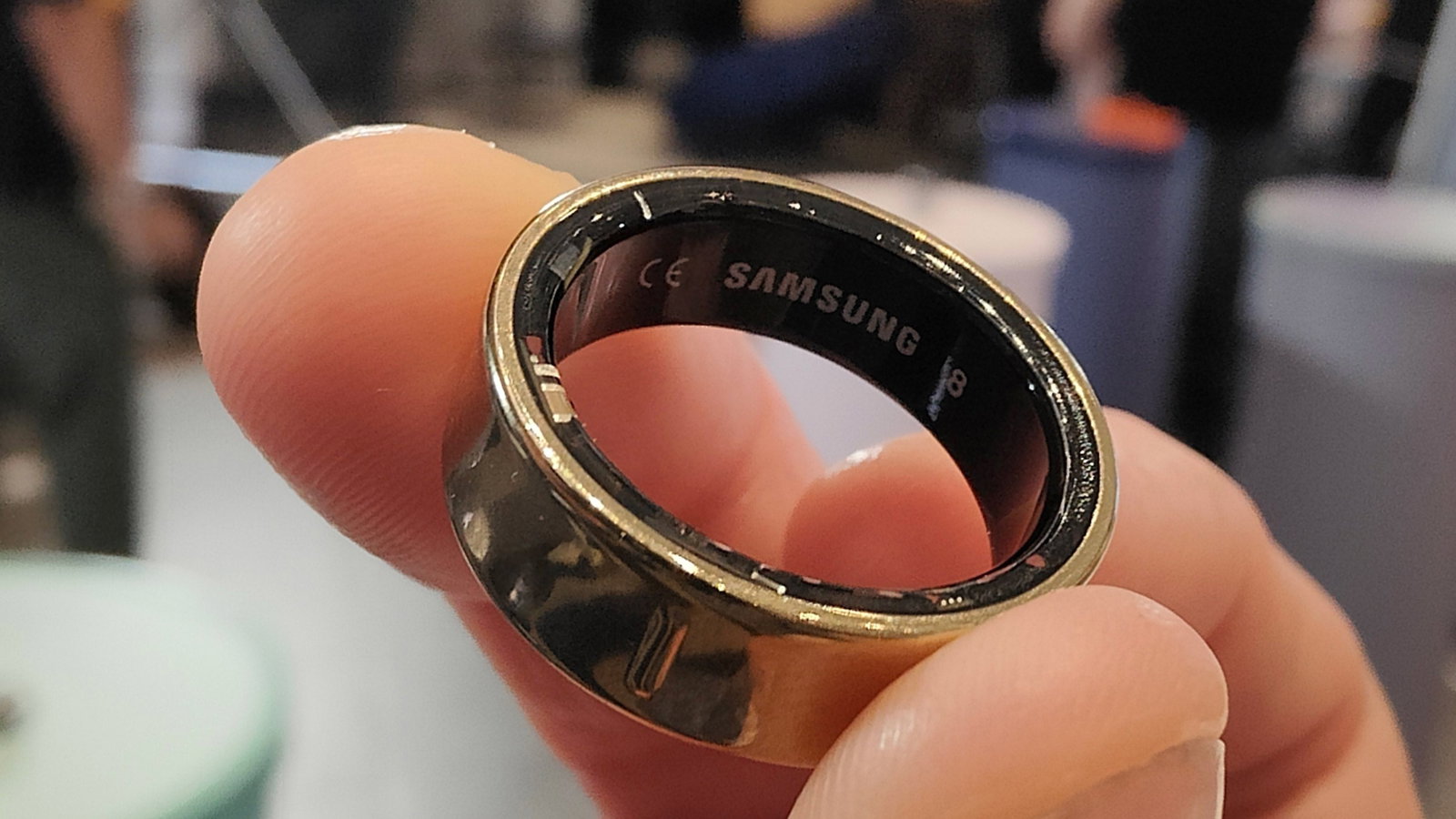
The significant limitation is platform exclusivity. Galaxy AI features require a compatible Samsung Galaxy smartphone. iPhone users receive substantially reduced functionality. For Android users already in Samsung's ecosystem, this is one of the most compelling wearables available in 2026 at any price.
Rabbit R1
-
Price: $199, no subscription
-
Best for: Productivity users and early adopters who want a voice-first PC controller.
The Rabbit R1 launched at CES 2024 to massive hype and brutal reviews. Tech reviewer MKBHD called it "barely reviewable." The January 2026 DLAM update changed everything. DLAM, Device-Level Action Model, turns the R1 into a plug-and-play voice controller for your Windows or Mac computer.
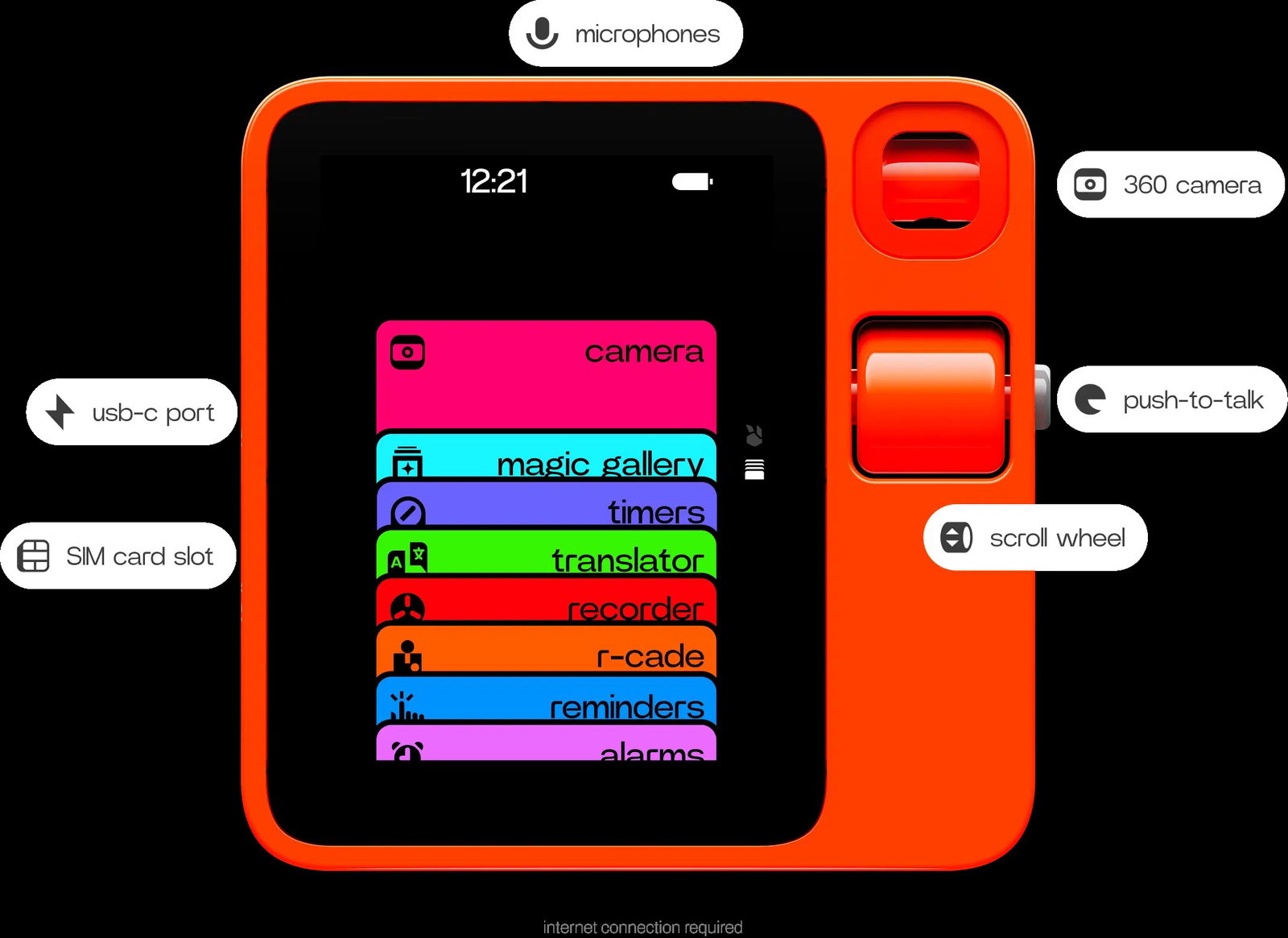
Plug it in via USB, and it can see your screen and execute tasks across your operating system, browser, and applications. At $199 with no subscription required, it is the most affordable dedicated AI agent device available today.
Bee Wearable
-
Price: $49.99 + $19/month Pro plan
-
Best for: Users who want ambient AI memory at the lowest possible hardware cost.
Amazon acquired Bee in July 2025 and showcased it at CES 2026 as part of its Alexa ecosystem roadmap. The clip-on pendant records everything it hears, processes audio in real time rather than storing raw files, and surfaces end-of-day summaries based on what you said in conversation, not what you manually typed.
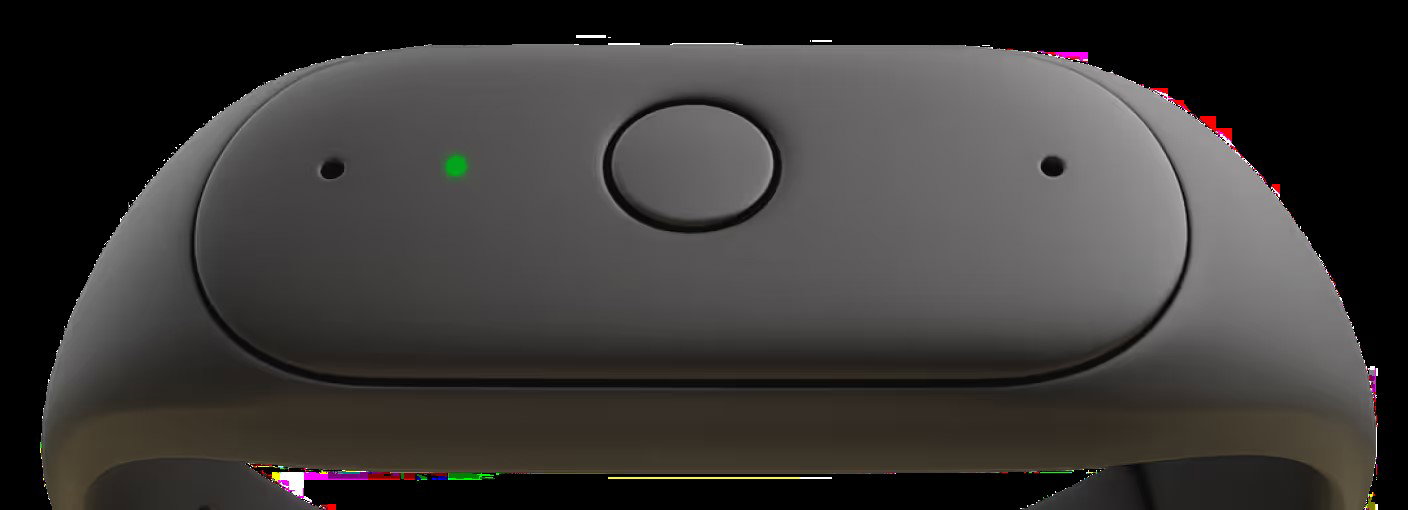
The $19 per month pro plan pushes first-year cost past $270, making the $49.99 sticker misleading for anyone who plans to use AI features beyond the free tier. For buyers who can accept both trade-offs, Bee is the most affordable entry into ambient AI wearables.
Even Realities G2
-
Price: $599
-
Best for: Professionals who want a discreet on-lens AI display without a camera or social features.
If the Ray-Ban Meta Gen 2 is the extrovert of AI glasses, the Even Realities G2 is the introvert. No camera. No social media integration. A waveguide display puts notifications, navigation prompts, and AI responses from the on-board Noa assistant directly in your field of view.
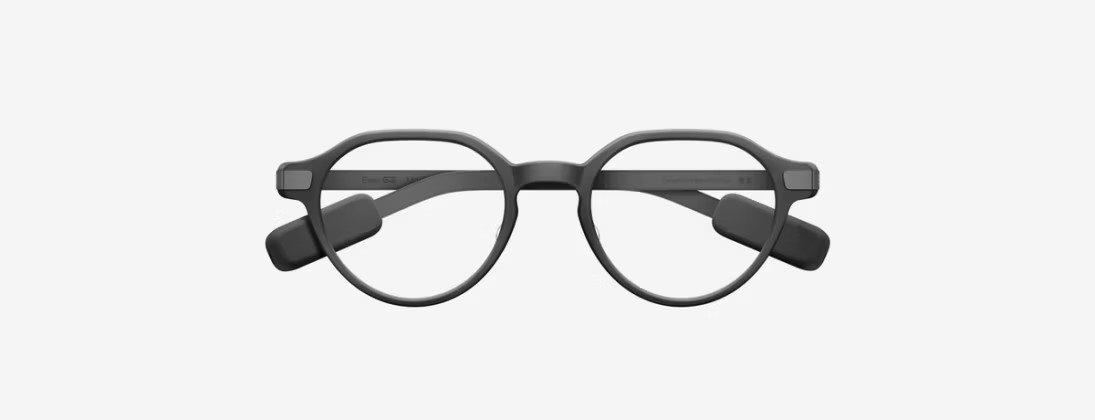
Battery runs two days per charge, exceptional for a display-equipped wearable. The design passes as ordinary eyewear. For buyers who want ambient AI information without a camera, the G2 remains the most practical option in the category in 2026.
ASUS ROG Cetra True Wireless SpeedNova
-
Price: ~$129.99
-
Best for: Gamers and professionals switching between competitive gaming and video calls
The ROG Cetra True Wireless SpeedNova uses bone conduction technology and AI-powered adaptive noise cancellation to isolate your voice from ambient noise, producing cleaner call audio than standard ANC. A dedicated 2.4GHz USB-C dongle drops audio latency to 35 milliseconds, keeping on-screen action and audio synchronised during competitive play. Battery reaches 27 hours with the wireless charging case.
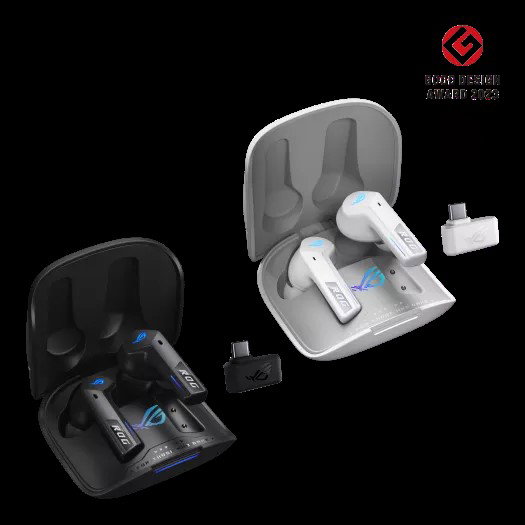
ASUS's Armory Crate software provides an 8-band equaliser, spatial audio tuning and platform-specific audio profiles. It works natively with PC, PlayStation 5 and Nintendo Switch. For users who need one pair of earbuds to handle gaming and professional calls back-to-back, the SpeedNova earns its place.
Amazon Echo Hub
-
Price: $179.99
-
Best for: Smart homeowners who want a faster, more private central AI control point
The Echo Hub's 2026 update added local AI processing, meaning Alexa commands now execute without a round trip to Amazon's cloud servers. The 8-inch touchscreen connects to over 100,000 compatible smart home products, lights, cameras, thermostats, and locks.
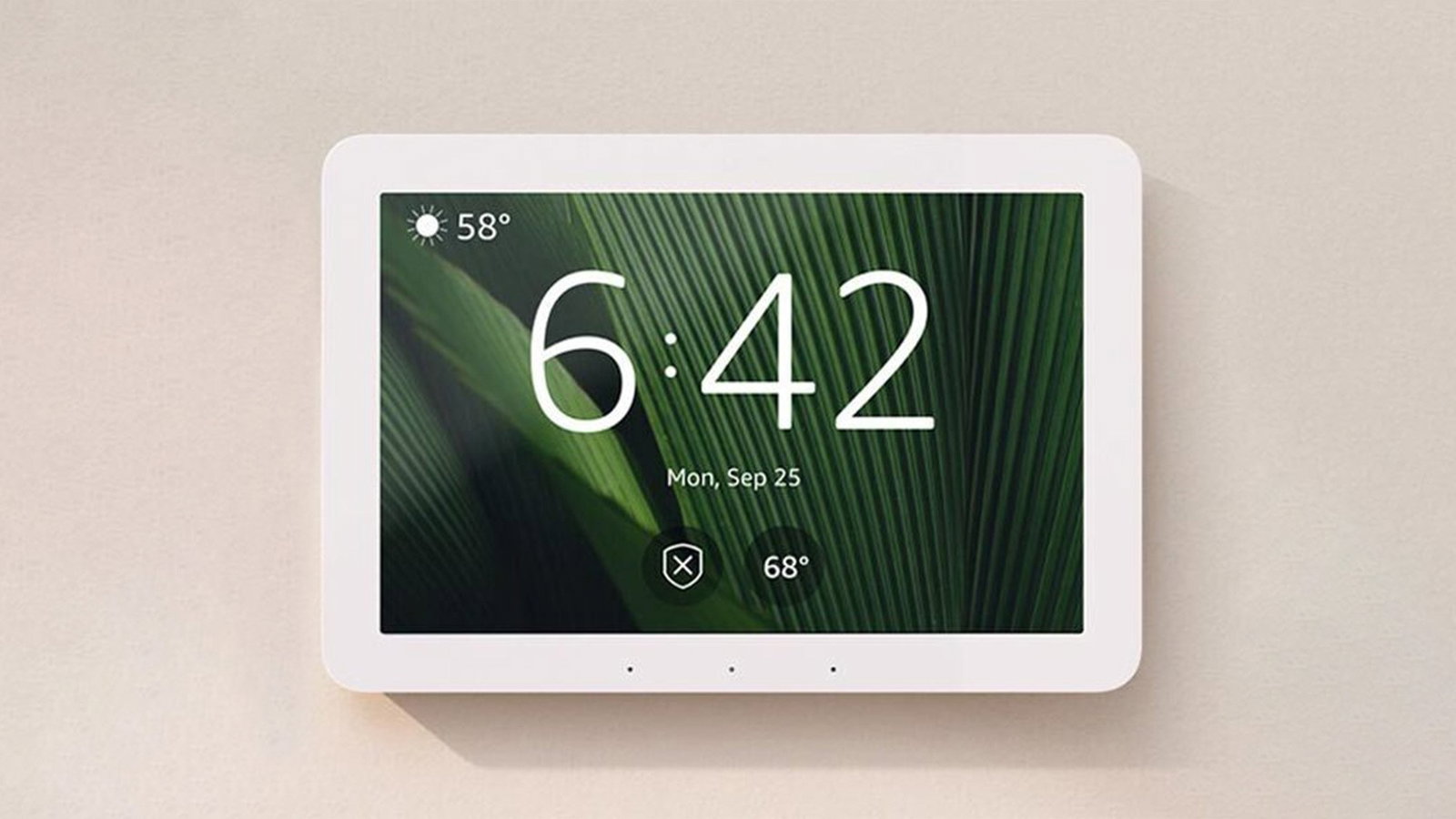
The upgraded Alexa AI surfaces contextual information based on time of day, user habits, and patterns developed through extended use. For households already invested in smart home infrastructure, Echo Hub is the most capable and centralised AI control available.
What To Watch Before You Buy
The Subscription Maths
Several devices here carry recurring costs. Oura charges $5.99 per month. Bee's Pro plan adds $19 per month. Plaud's Pro plan adds $8.34 per month. Calculate the 24-month total before evaluating the sticker price; a $179 device can cost over $400 in year one.
The Platform Question
Samsung's Galaxy AI features are locked to Galaxy smartphones. Apple's AirPods Pro 3 work best inside the Apple ecosystem. Match the device to the phone in your pocket before buying.
The Privacy Decision
Every ambient AI device on this list listens, records, or tracks something. For workplace deployments, IT and legal teams should review data practices before clearing any ambient AI wearable for use.
Conclusion
Theodore Twombly's Samantha was with him everywhere, knew everything, and never needed to be asked twice. The devices on this list are not Samantha, not yet. What they are is considerably more useful than a smartphone buried in your pocket during a meeting, a run, or a client conversation.
The Ray-Ban Meta Gen 2 gives you a hands-free AI that sees what you see. The Plaud NotePin S captures every conversation without a phone in the room. The AirPods Pro 3 are a clinical hearing aid and a fitness tracker in the same earbuds. The Rabbit R1 controls your entire computer by voice. Each one does something your phone cannot, and that is the only test that matters.
Frequently Asked Questions
Can AI Devices Talk To Each Other?
Yes, many AI devices can communicate with each other, but usually through a shared platform rather than directly. For example, a smart display, smart speaker, security camera, thermostat, and lights can work together through ecosystems like Alexa, Google Home, Apple Home, or Matter-supported smart home hubs. The experience is best when the devices support the same platform, because automations become easier to set up and manage.
What Are Some AI Devices For Smart Home?
AI devices can make a smart home feel more practical by automating everyday tasks. Smart displays can show camera feeds, control lights, manage routines, play music, and answer voice commands. AI security cameras can detect people, packages, pets, or motion more accurately than basic cameras. Smart thermostats and sensors can also learn usage patterns and adjust settings to save energy or improve comfort.
What Are The AI Devices With No Subscription?
Some AI devices work without a subscription, but the best features may still be locked behind a paid plan. Basic functions like recording, local storage, device controls, fitness tracking, or smart home automation may be free, depending on the product. However, advanced AI summaries, cloud storage, long-term history, transcription, or detailed health insights often require a subscription. Before buying, check whether the features you actually need are included for free or only available through a monthly plan.
Tue, Jul 7, 2026

Liked what you read? That’s only the tip of the tech iceberg!
Explore our vast collection of tech articles including introductory guides, product reviews, trends and more, stay up to date with the latest news, relish thought-provoking interviews and the hottest AI blogs, and tickle your funny bone with hilarious tech memes!
Plus, get access to branded insights from industry-leading global brands through informative white papers, engaging case studies, in-depth reports, enlightening videos and exciting events and webinars.
Dive into TechDogs' treasure trove today and Know Your World of technology like never before!
Disclaimer - Reference to any specific product, software or entity does not constitute an endorsement or recommendation by TechDogs nor should any data or content published be relied upon. The views expressed by TechDogs' members and guests are their own and their appearance on our site does not imply an endorsement of them or any entity they represent. Views and opinions expressed by TechDogs' Authors are those of the Authors and do not necessarily reflect the view of TechDogs or any of its officials. While we aim to provide valuable and helpful information, some content on TechDogs' site may not have been thoroughly reviewed for every detail or aspect. We encourage users to verify any information independently where necessary.
Loading comments...