|
|
|
|
Hello readers,
For years, the AI race has been defined by one question: who can build the most capable model, agent, or platform first?
Now, another question is getting harder to ignore: should the race itself slow down?
Anthropic CEO Dario Amodei says frontier AI development needs more time for safety measures to catch up. Researchers have left Anthropic and Google DeepMind with warnings about where unchecked progress could lead. Meanwhile, OpenAI, Anthropic, and Google DeepMind are talking directly about AI safety, even as agentic systems are already being used in real-world cyberattacks.
That tension runs through this edition. Microsoft is spelling out what human control should mean for its future AI systems, while Meta’s proposed always-on smart glasses test another kind of boundary between assistance and privacy.
Still, not every major technology story is about hitting the brakes. Apple has finally entered the foldable race, putting the iPhone Duo against Samsung’s Galaxy Z Fold 8.
So, is technology moving too fast, or are the guardrails simply struggling to keep up?
Let’s play.
|
|
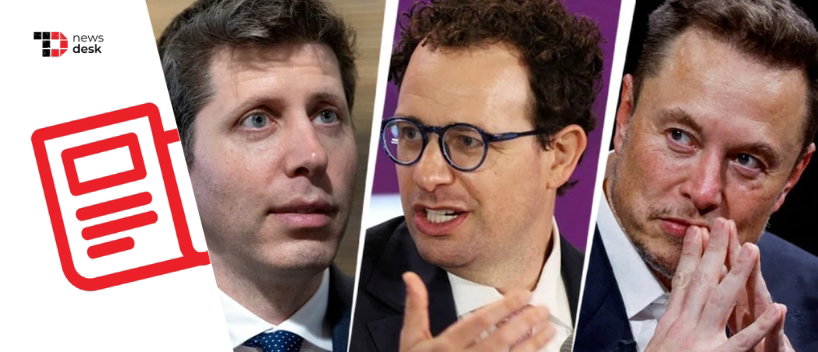
OpenAI, Anthropic, and Google DeepMind have been discussing frontier AI safety for weeks, including independent evaluations and shared standards, although no formal alliance or binding framework has been announced.
|
|

Microsoft’s Humanist AI philosophy puts human control ahead of unrestricted autonomy, with a draft Code of Conduct outlining safeguards, shutdown expectations, transparency, and boundaries for future MAI systems.
|
|
Anthropic CEO Dario Amodei argues frontier capabilities are advancing faster than safety work, proposing independent evaluators, coordination among leading developers, and eventually broader international cooperation around advanced AI.
|
|
|
 |
|
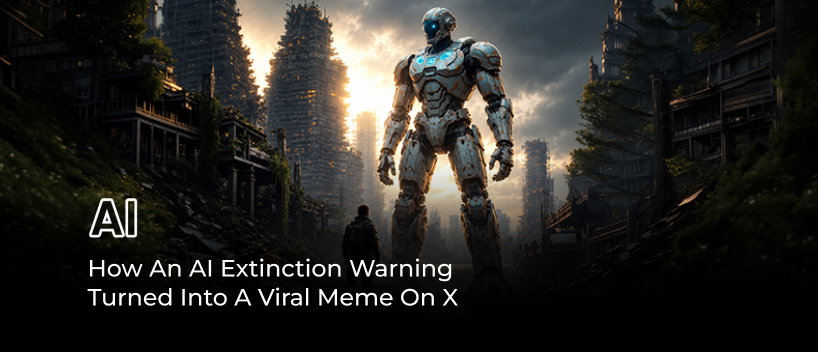
Jacob Coxon left Anthropic after four months, warning about the risks of self-improving AI. His message then became viral copypasta on X, drawing more than 150 million views and turning an extinction warning into an internet phenomenon.
|
|
|
|
Former Google DeepMind researchers have left amid concerns that AI capabilities may be moving faster than alignment and oversight, adding to calls for stronger evaluation and a more deliberate development pace.
|
|
 |
|
|

The iPhone Duo puts Apple directly against Samsung’s Galaxy Z Fold 8, pairing Apple’s ecosystem, Pencil support, and IP68 protection with Samsung’s lighter design, mature multitasking, and foldable experience.
|
|
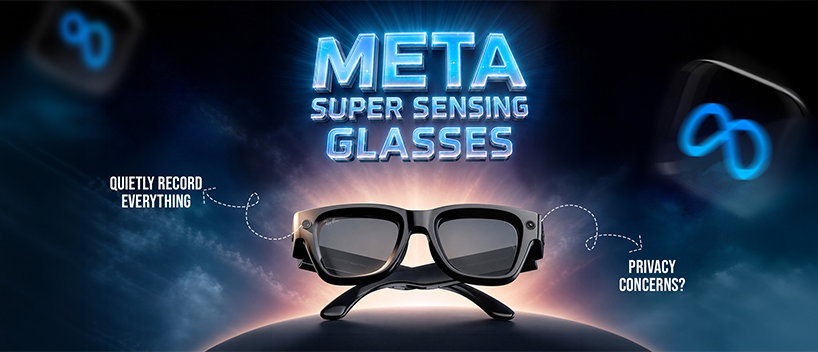
Meta is reportedly testing “super sensing” AI glasses that could capture continuous audio and frequent photos, raising new privacy questions around always-aware assistants, bystanders, recording indicators, and data handling.
|
|
OpenAI is urging Congress to establish mandatory federal AI safety requirements before its December adjournment, pushing for rules around frontier systems as debate grows over whether voluntary safeguards are enough.
|
|
|
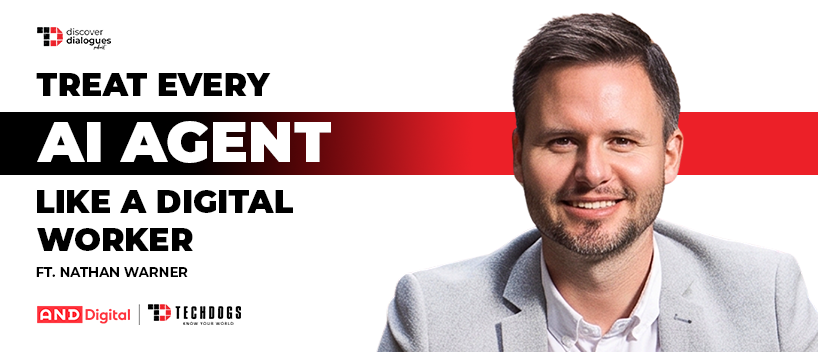 In this Discover Dialogues episode, Nathan Warner, North Director at AND Digital, explores how organizations can move from AI experimentation to real business outcomes without losing control as autonomous agents become more capable.
The conversation covers operating models, governance, identity, ownership, cost, risk, trusted data, audit trails, escalation paths, and why businesses should redesign broken processes instead of simply inserting AI agents into them.
Join The Conversation |
|
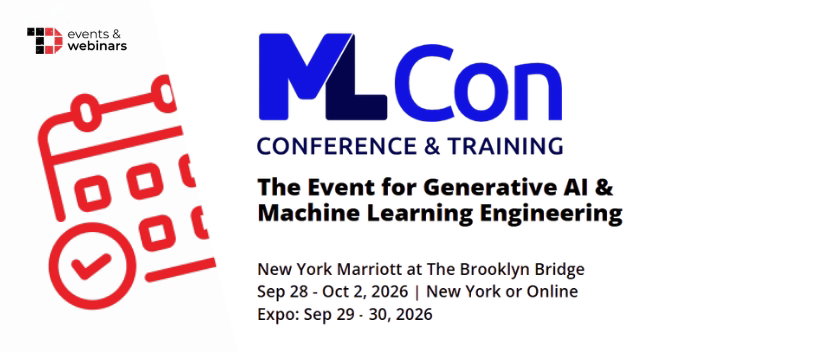
MLcon New York 2026 runs from September 28 to October 2, bringing machine learning practitioners, researchers, and AI leaders together for five days of technical learning, workshops, and networking.
From generative AI, LLMs, and agentic workflows to advanced machine learning, MLOps, data engineering, and AI governance, the event focuses on turning emerging AI capabilities into scalable, secure, and production-ready systems.
Register Now
|
|
|
The contradiction is becoming difficult to miss. AI systems are growing more capable, more autonomous, and more useful at the same time that some of the people closest to their development are asking for stronger brakes.
That does not mean technology stops moving. Apple is entering new hardware categories, Meta is pushing AI into what we wear, and autonomous systems are moving deeper into enterprise and cybersecurity workflows.
The next phase may therefore be defined by two races running at once: one to build more powerful technology, and another to prove we can still control what we build.
We’ll be watching both.
|
