
Consumer Electronics Technology
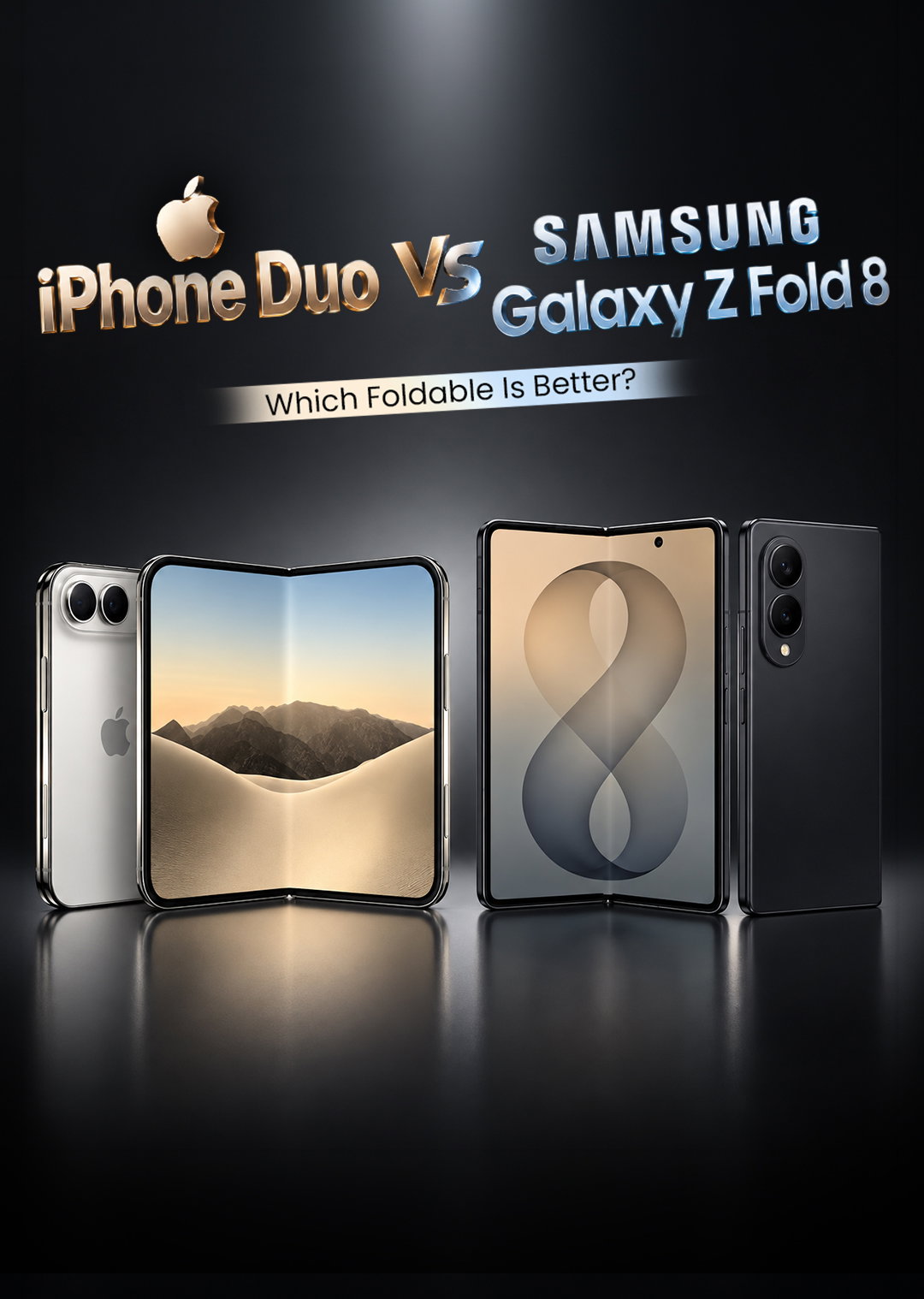
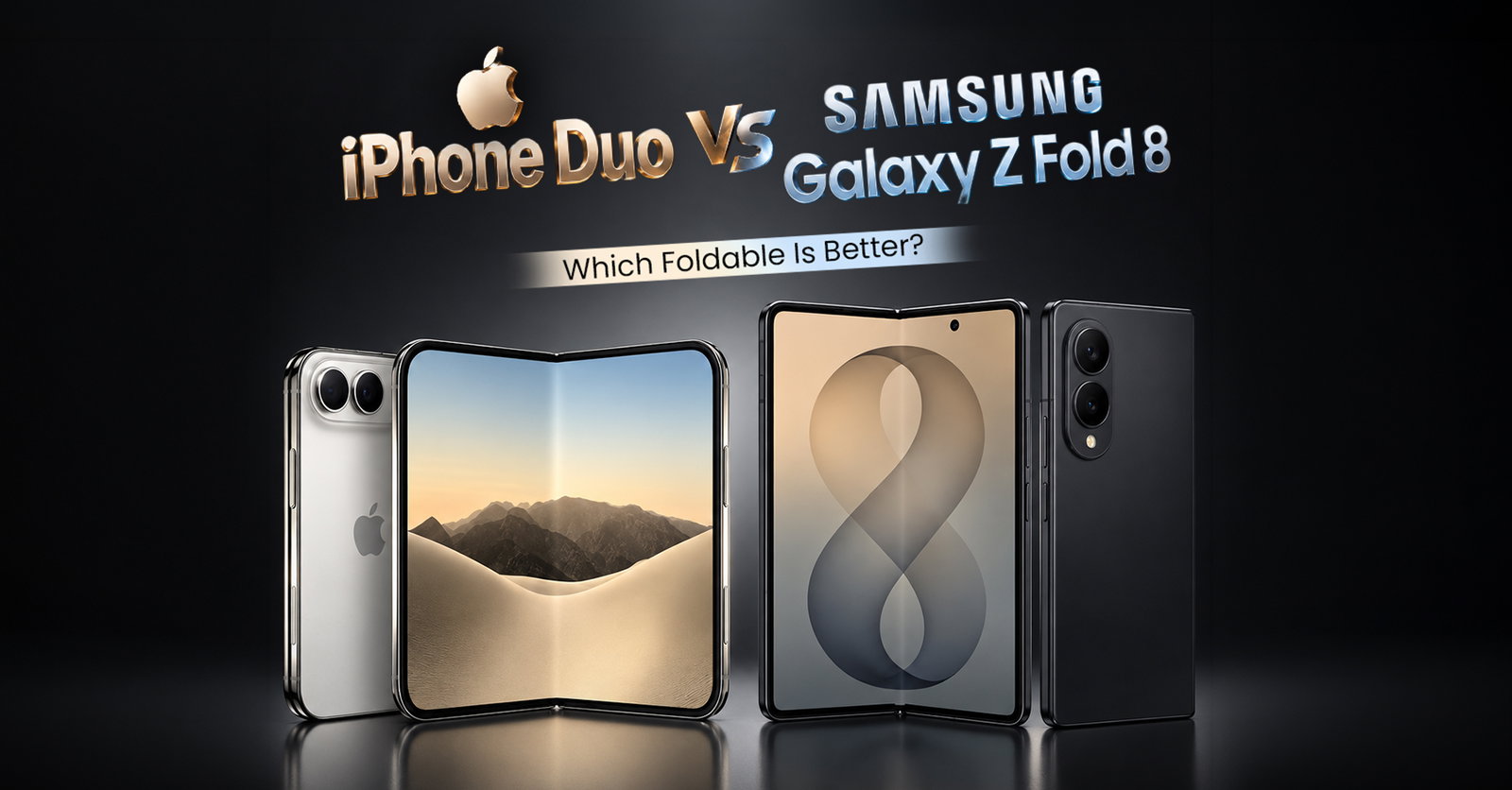
iPhone Duo vs Samsung Galaxy Z Fold 8: Which Foldable Is Better?
Share
TL;DR
-
The Galaxy Z Fold 8 is considerably lighter and thinner than the iPhone Duo, making Samsung's foldable easier to carry and use for longer periods.
-
The iPhone Duo offers stronger IP68 protection, Apple Pencil support, a multi-position hinge, and storage options going all the way up to 2TB.
-
Both phones feature 7.6-inch 120Hz inner displays with up to 3,000 nits of peak brightness, although their aspect ratios and software experiences differ.
-
Samsung's years of foldable development give the Galaxy Z Fold 8 an advantage in multitasking and large-screen productivity.
-
Apple brings iOS, Siri AI, MagSafe, Apple Pencil, and broader Apple ecosystem integration to a foldable device for the first time.
Introduction
In the movie The Prestige, two rival magicians spend years trying to outdo each other, not by performing the same trick, but by finding entirely different ways to make the impossible look effortless.
One leans on experience and relentless refinement. The other chases a fresh approach that could completely change how the audience sees the act. The result is not just a contest of skill. It is a battle of philosophy.
The foldable smartphone market now feels a little like that stage.
Samsung has been performing the foldable trick for years. With each generation of the Galaxy Z Fold, it has trimmed the weight, refined the hinge, improved multitasking, strengthened the display, and worked to make a device that once felt experimental behave more like an everyday flagship.
By the time the Galaxy Z Fold 8 arrived, Samsung was no longer trying to prove that foldables could work. It was focused on making them thinner, lighter, smarter, and easier to live with.
Apple, meanwhile, has finally stepped onto the same stage with the iPhone Duo.
Rather than rushing into the category early, Apple waited until foldable phones had already moved from futuristic prototypes to serious premium devices. Now, its first attempt arrives with a familiar book-style design, a 7.6-inch inner display, the A20 Pro chip, Apple Pencil support, AI-powered features, and deep integration with the wider Apple ecosystem.
That makes the iPhone Duo vs Samsung Galaxy Z Fold 8 comparison much more interesting than a simple battle between iOS and Android.
On paper, the two devices appear surprisingly similar. Both unfold into compact tablet-like screens. Both offer 120Hz displays, flagship-level processors, sophisticated camera systems, and software designed to take advantage of a larger canvas. Yet beneath those similarities are two very different ideas of what a foldable phone should be.

Samsung leans on eight generations of experience, mature multitasking, aggressive weight reduction, and a design shaped by years of real-world feedback. Apple brings its own priorities to the category, including display continuity, Apple Pencil support, stronger official dust and water resistance, MagSafe, ecosystem integration, and a hinge designed for multiple positions.
So, has Samsung's long head start produced the more complete foldable, or has Apple managed to make waiting worthwhile?
Now is the time to unfold the comparison.
iPhone Duo Vs Galaxy Z Fold 8: Specifications At A Glance
| Specifications | Apple iPhone Duo | Samsung Galaxy Z Fold 8 |
| Inner display | 7.6-inch Super Retina XDR OLED | 7.6-inch Dynamic AMOLED 2X |
| Cover display | 5.4-inch OLED | 5.5-inch Dynamic AMOLED 2X |
| Refresh rate | Up to 120Hz | Up to 120Hz |
| Peak brightness | Up to 3,000 nits | Up to 3,000 nits |
| Processor | A20 Pro | Snapdragon 8 Elite Gen 5 for Galaxy |
| Rear cameras | 48MP Main + 48MP Ultra-Wide | 50MP Main + 50MP Ultra-Wide |
| Storage | 256GB to 2TB | 256GB to 1TB |
| Weight | 254 g | 201 g |
| Folded thickness | 11.3 mm | 9.7 mm |
| Starting price in the US | $1,999 | $1,899 |
Specifications tell part of the story, but design reveals how those differences actually feel in everyday use.
Design: Samsung Wins The Weight Battle
The biggest difference between the two phones becomes apparent before you even turn them on.
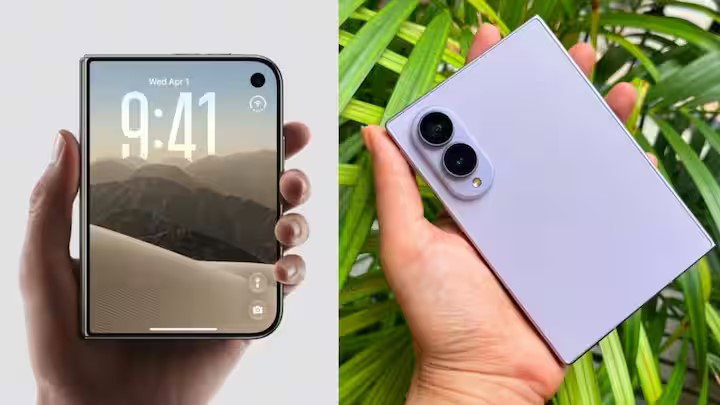
The Galaxy Z Fold 8 weighs 201 grams, while the iPhone Duo weighs 254 grams. That is a difference of 53 grams, which is significant for a device people may hold for extended reading, gaming, video calls, or multitasking sessions.
Samsung's phone is also thinner. The Fold 8 measures approximately 9.7 mm when folded and 4.5 mm when unfolded, while the iPhone Duo comes in at 11.3 mm folded and 5.2 mm unfolded.
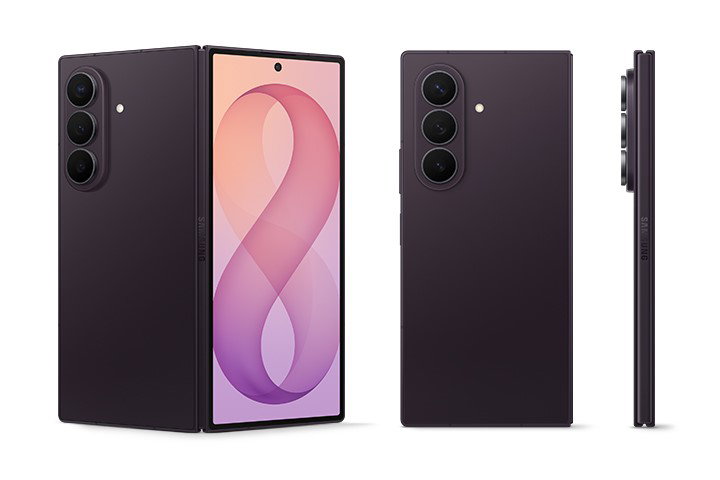
Those numbers matter because one of the biggest complaints surrounding early foldable smartphones was that they felt like two phones stacked together. Samsung has gradually reduced that bulk, and the Fold 8 is one of its clearest attempts yet to make a foldable feel closer to a traditional flagship smartphone.
Apple, however, has taken a slightly different route.
The iPhone Duo uses a Grade 5 titanium frame and a hinge that supports multiple partially folded positions. This allows users to position the phone differently depending on what they are doing, including watching videos, taking photos, joining video calls, or working with content on the larger display.
Samsung's redesigned hinge focuses more on reducing size and weight. Its approach helps the Fold 8 stay slim and portable but gives users less flexibility when it comes to keeping the device partially folded.
If portability matters most, the Galaxy Z Fold 8 has the advantage.
If you regularly use your foldable in partially open positions, Apple's hinge design could prove more useful.
Design winner: Samsung Galaxy Z Fold 8 for portability.
A foldable may look sleek and feel premium, but its real test begins with everyday use. That brings us to the next big question: how well do these designs hold up over time?
Durability: Apple Takes A Different Approach
Foldable phones have always raised questions around durability.
Unlike traditional smartphones, they introduce moving hinges, flexible displays, and additional areas where dust or debris could potentially enter.
The iPhone Duo carries an IP68 rating, while the Samsung Galaxy Z Fold 8 carries an IP48 rating.
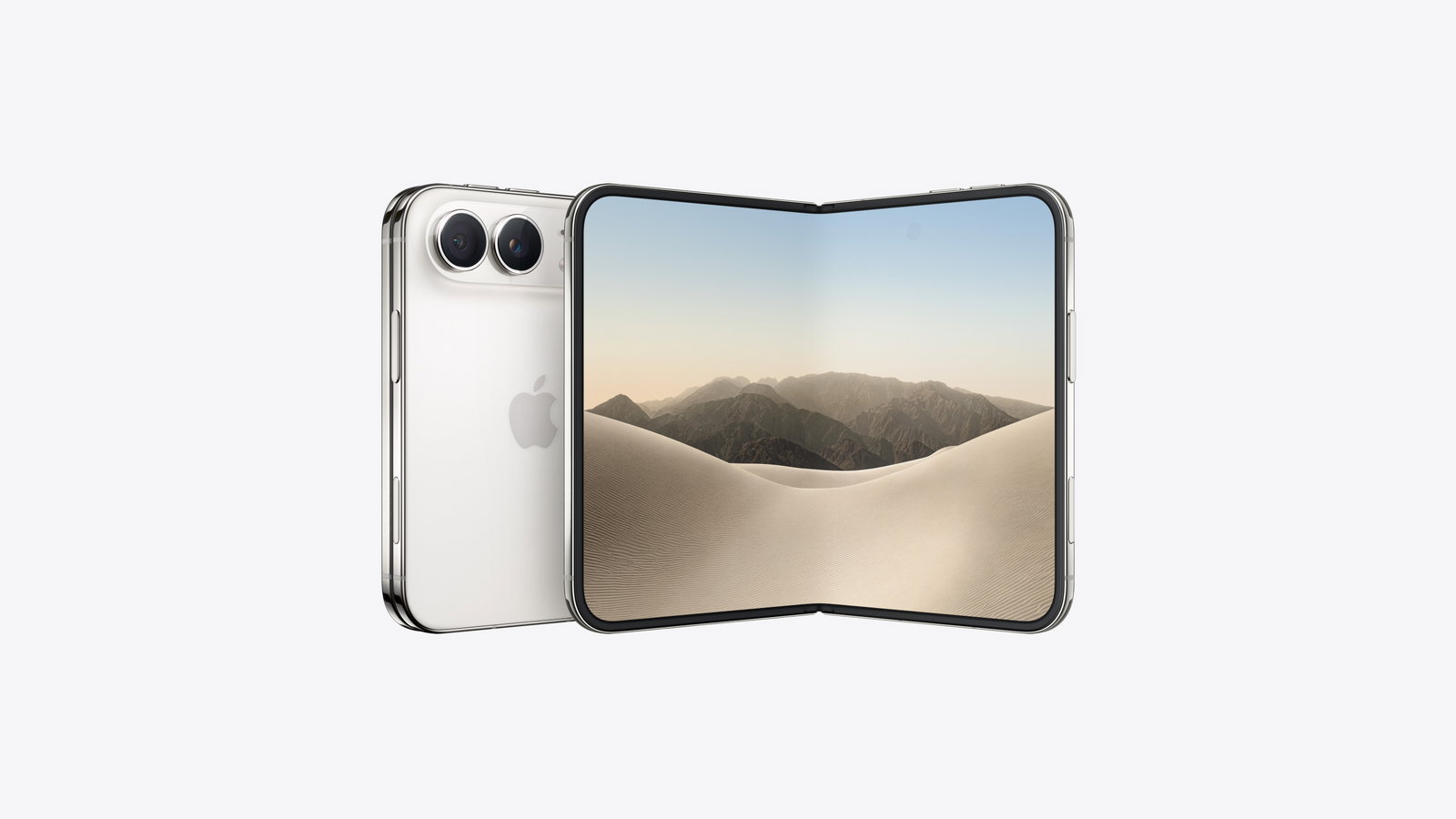
That gives Apple a stronger official dust-resistance rating on paper. Samsung has nevertheless strengthened its foldable using Gorilla Glass Ceramic 3 on the outer display, Gorilla Glass Victus 2 on the rear, and reinforced materials around the folding display.
Samsung also benefits from experience. The company has been building book-style foldables for several generations, giving it years to improve hinge structures, display protection, and long-term reliability.
Apple is entering the market later, but it has clearly treated durability as one of the major areas where its first foldable needed to compete immediately.
Still, specifications alone cannot determine long-term reliability. Foldable phones are mechanical devices, meaning months or years of real-world use will ultimately reveal how well their hinges and flexible displays hold up.
Durability winner: iPhone Duo on official protection ratings, although Samsung has the advantage of a foldable experience.
Durability protects the foldable experience, but the display defines it. Here’s how the tech giants differ.
Display: Same Size, Different Philosophy
The Apple iPhone Duo compared with Samsung Galaxy Z Fold 8 becomes particularly interesting when looking at the displays.
Both devices feature a 7.6-inch inner folding display, support refresh rates up to 120Hz, and offer peak brightness ratings of up to 3,000 nits.
Yet the way Apple and Samsung use those displays differs.
The iPhone Duo has a 5.4-inch outer display. Apple has designed the inner and outer screens around similar proportions, so content can move naturally between them as the phone opens and closes.
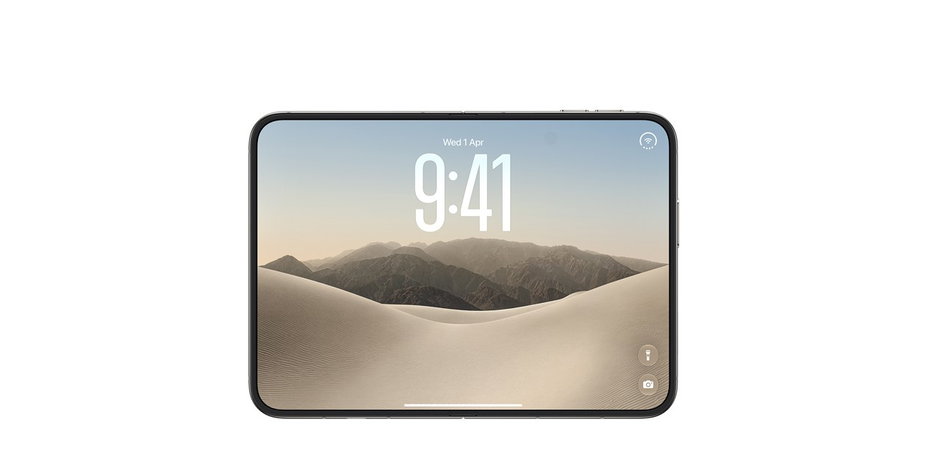
Apple's folding display also incorporates a nano-texture treatment aimed at reducing reflections and making the crease less noticeable during normal use.
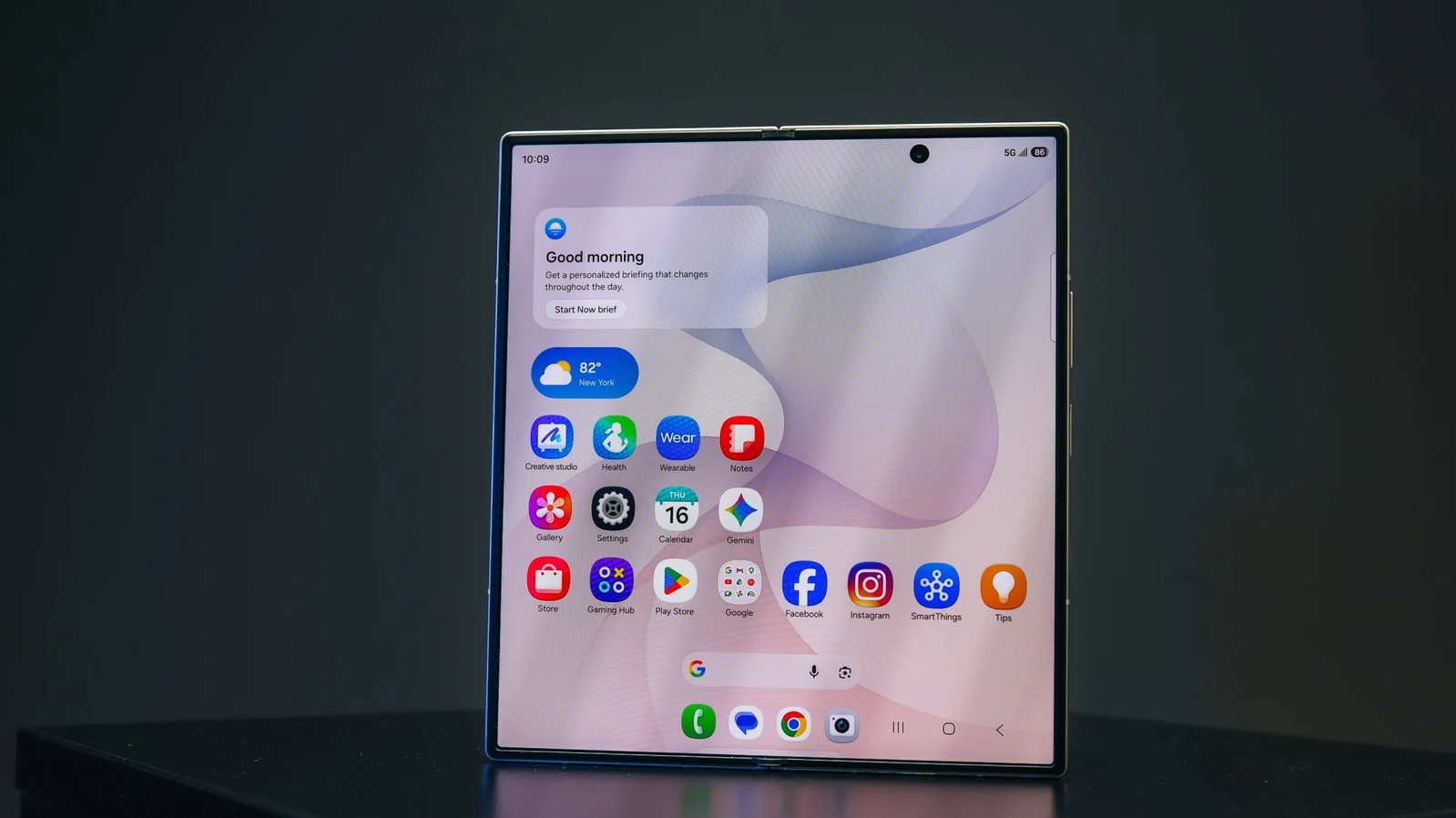
The Galaxy Z Fold 8 has a slightly larger 5.5-inch cover display. Its 10:16 outer ratio is designed to behave more like a conventional smartphone, while the wider 4:3 inner display provides more room for documents, web pages, videos, games, and multitasking.
Neither approach is necessarily better.
Apple seems focused on making the switch between folded and unfolded modes feel consistent.
Samsung treats the two screens more like two different working environments, with the outer screen handling quick smartphone tasks and the inner screen acting more like a compact tablet.
Display winner: Tie. Apple wins on stylus support, while Samsung offers a highly refined foldable display experience.
Apple Pencil Vs. S Pen
One unexpected difference could matter significantly to productivity users.
The iPhone Duo supports Apple Pencil with USB-C, allowing users to sketch, annotate, sign documents, and take handwritten notes on the larger inner display.
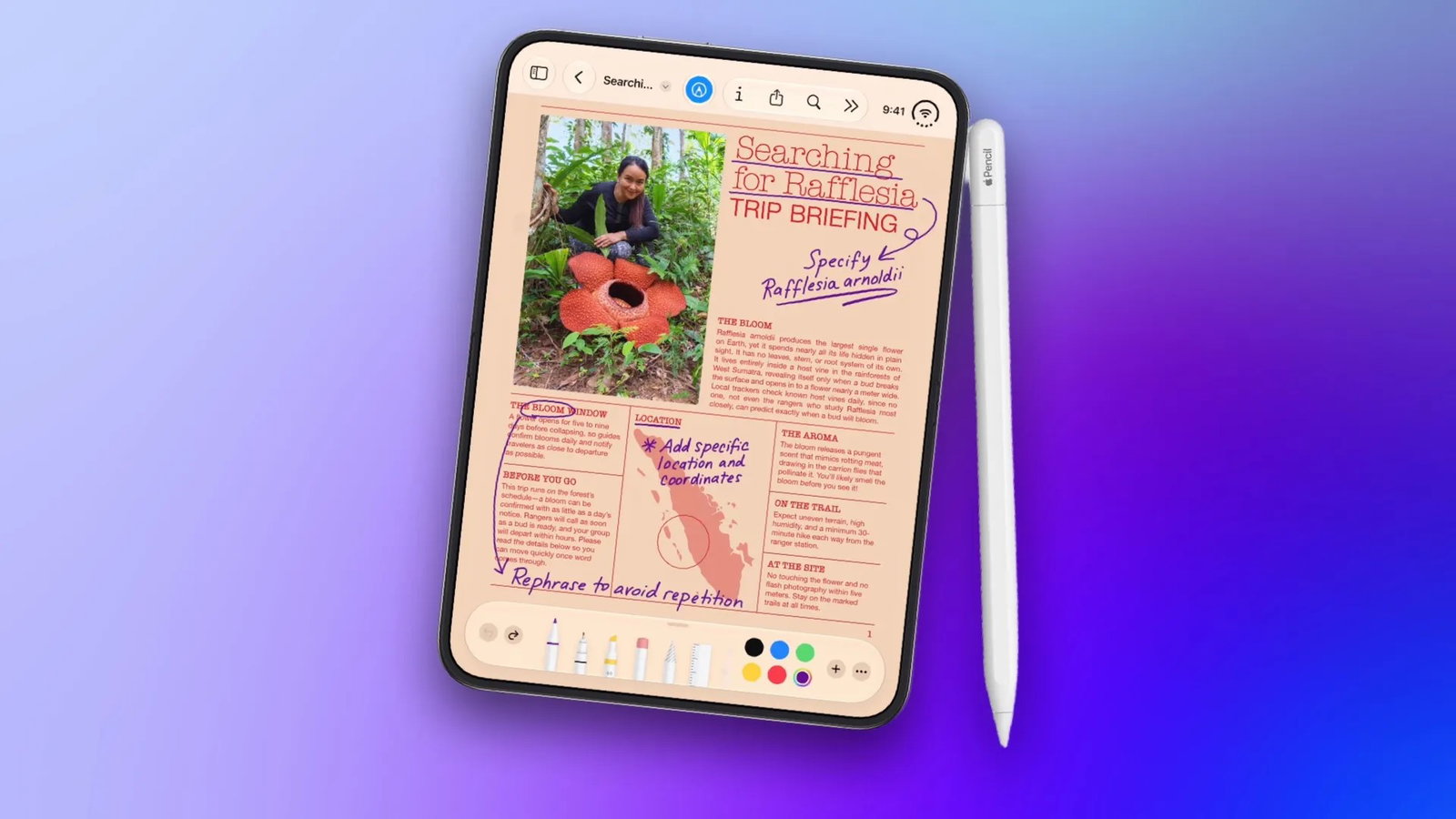
Samsung, surprisingly, does not offer S Pen support on the standard Galaxy Z Fold 8.
That reverses a feature advantage Samsung previously held in the foldable market.
For artists, designers, students, or professionals who regularly annotate documents, Apple Pencil support gives the Duo a genuine productivity advantage.
Display and allied accessories can make a foldable feel impressive, but the real test begins with the hardware powering it. Here’s how the iPhone Duo and Galaxy Z Fold 8 compare on processor performance.
Performance: A20 Pro Vs. Snapdragon 8 Elite Gen 5
Both phones use flagship processors designed for demanding workloads.
The iPhone Duo is powered by Apple's A20 Pro, which includes a six-core CPU, seven-core GPU, dual 16-core Neural Engine, and hardware-accelerated ray tracing.
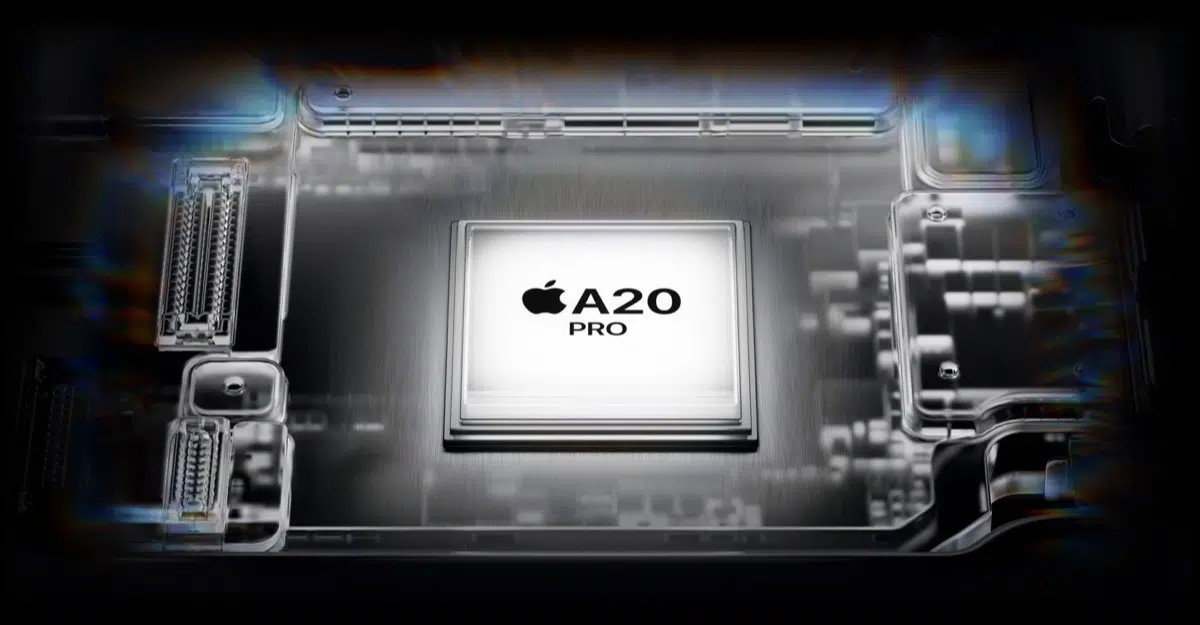
Apple has also included a vapor chamber to improve sustained performance. This could help during gaming, video editing, AI processing, and other workloads that generate significant heat over extended periods.
The Galaxy Z Fold 8 uses the Snapdragon 8 Elite Gen 5 for Galaxy, a customized version of Qualcomm's flagship mobile platform.
Samsung pairs the chip with 12GB of memory on its 256GB and 512GB variants, while the 1TB model moves up to 16GB.
Both phones should easily handle everyday apps, gaming, photo editing, productivity apps, and AI workloads.
However, raw benchmark numbers matter less on foldables than software optimization. The real question is how efficiently each operating system uses the larger screen.
Since the iPhone Duo is Apple's first foldable, a proper Apple iPhone Duo review will need to examine how well apps adapt to the new form factor over time.
Performance winner: Too early to call.
Raw performance matters, but how that power translates into everyday multitasking speaks even more.
Multitasking: Samsung's Experience Shows
This may be one of Samsung's strongest advantages in the entire iPhone Duo vs Z Fold 8 comparison.
Apple has redesigned iOS 27 for the Duo, introducing features such as Split View, app pairs, multiple windows, and the ability to run two instances of compatible applications.
Users can also access Siri AI while working inside another app, helping Apple's larger display feel more productive than a regular iPhone.
However, Samsung has been refining foldable multitasking for years.
The Galaxy Z Fold 8 supports two-way and three-way split-screen layouts, app continuity, multi-window workflows, drag-and-drop interactions, and other features designed specifically around its large inner screen.
Samsung's software feels less like a smartphone interface stretched across a tablet-sized screen and more like a hybrid productivity environment.
This maturity matters for users who frequently manage email, documents, browsers, messaging apps, spreadsheets, or video calls simultaneously.
Apple's software could eventually catch up quickly, especially if developers optimize popular iOS apps for the Duo.
Multitasking winner: Samsung Galaxy Z Fold 8.
Multitasking shows how well each foldable uses its larger screen, while AI adds another layer by making those workflows more intuitive, responsive, and context-aware.
AI Features: Two Different Ecosystems
AI is another important part of the Samsung Galaxy Z Fold8 vs Apple iPhone Duo comparison.
Samsung integrates Galaxy AI throughout the Fold 8 experience, combining generative features, productivity tools, image editing, translation, search, and contextual assistance with its larger display.

The foldable format makes these tools particularly useful because users can view original content and AI-generated results side by side.
Apple takes a more ecosystem-focused approach.
The iPhone Duo combines Siri AI with Apple's broader intelligence features, allowing users to summarize information, work across apps, generate or rewrite content, and access contextual assistance.
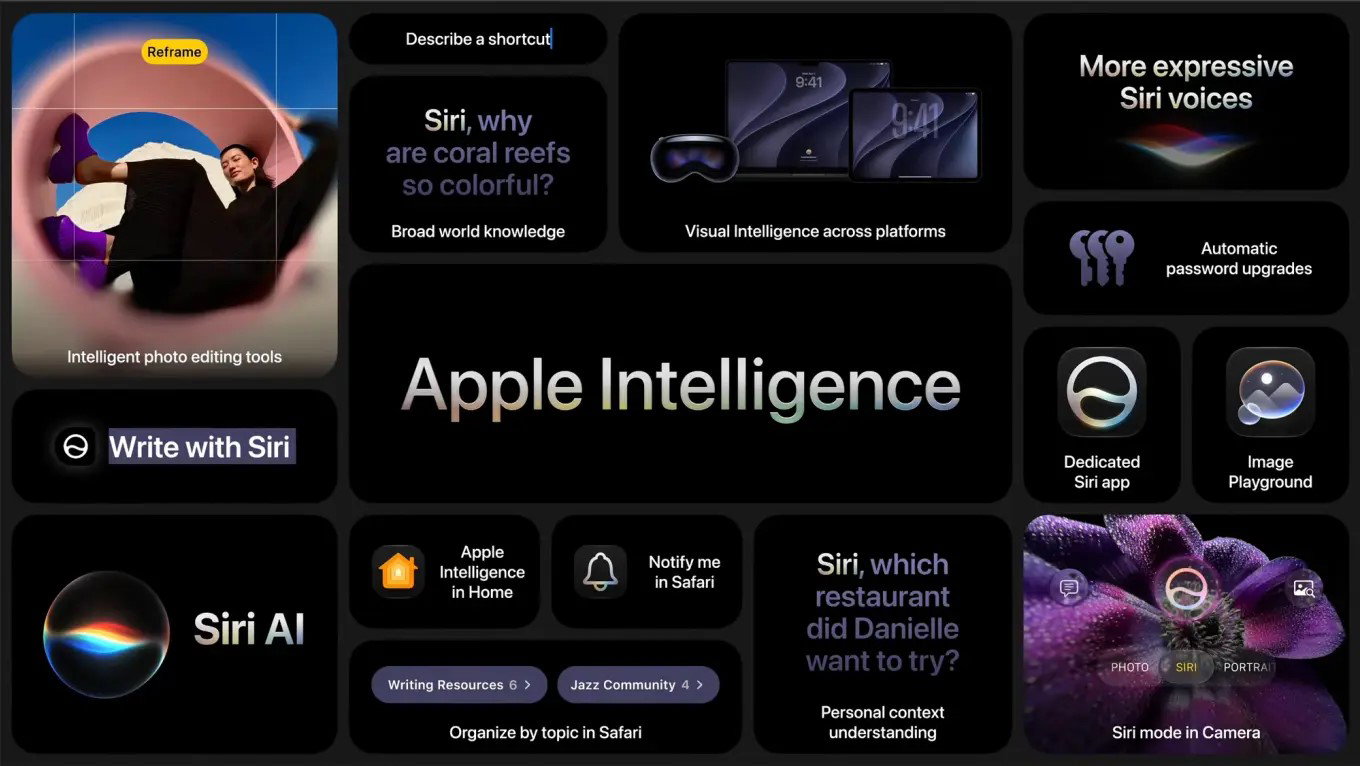
The main difference will likely come down to workflow.
Samsung currently provides a more optimized set of tools designed specifically around large-screen multitasking.
Apple's strength is integration across iPhone, Mac, iPad, Apple Watch, AirPods, and other devices.
Neither device wins the AI category purely on the number of features. The better option depends on which ecosystem users already rely on.
AI shapes how these phones think and assist, while the cameras show how well they capture the world around you.
Cameras: More Similar Than You Might Expect
Despite their flagship prices, neither standard model focuses entirely on extreme camera specifications.
The Galaxy Z Fold 8 uses a 50MP main camera and 50MP ultra-wide camera, along with cameras on the cover and inner displays.
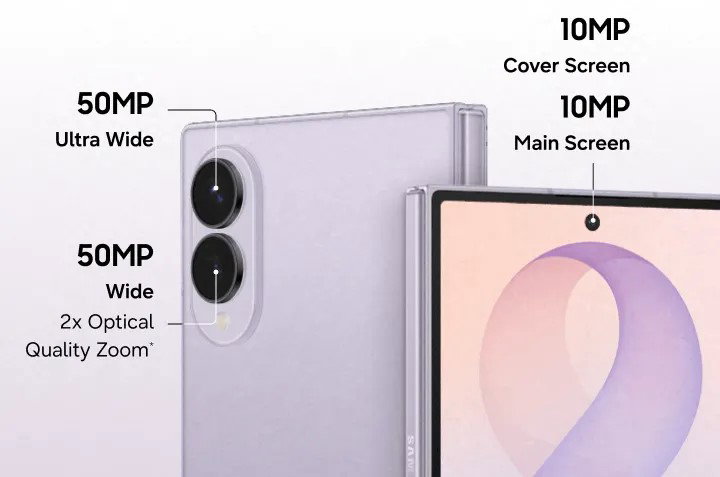
Its primary camera can provide 2x optical-quality zoom through sensor cropping, along with additional digital zoom.
Apple equips the Duo with a 48MP Fusion Main camera and 48MP Fusion Ultra Wide camera.
Its main sensor also provides a 2x optical-quality option.
For selfies and video calling, Apple includes a 12MP Center Stage camera on the outside and an under-display FaceTime camera on the internal screen.
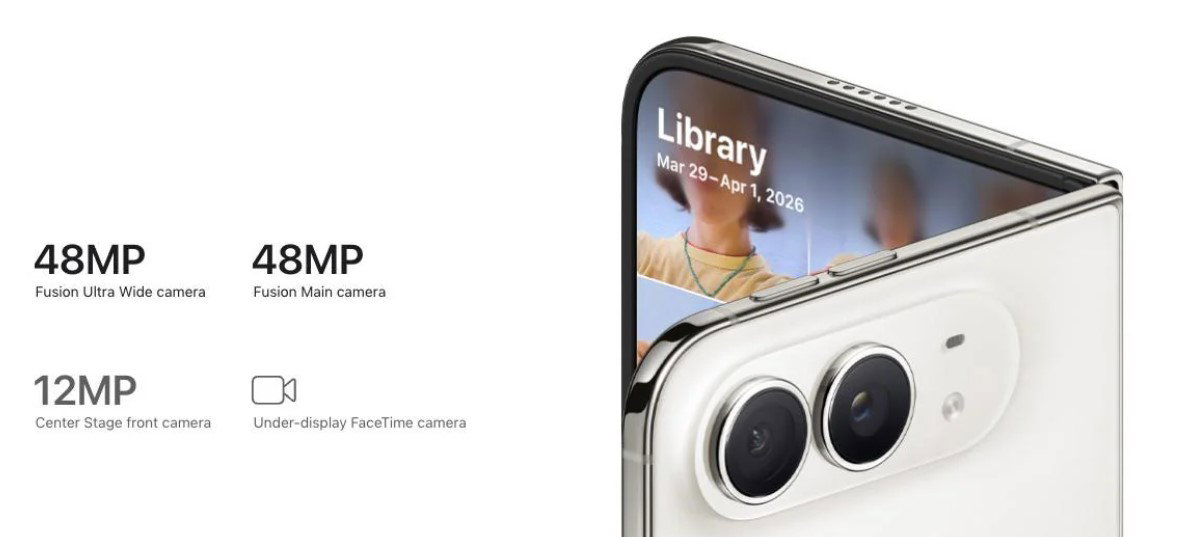
Neither phone includes a traditional dedicated long-range telephoto camera.
That means users who regularly photograph distant subjects may find conventional camera-focused flagships more suitable.
However, foldable phones provide another photography advantage: their flexible designs can effectively function as built-in stands.
Users can partially fold the device, position it on a surface, and capture group photos, videos, or time-lapse footage without needing a tripod.
The final winner will depend heavily on image processing, video stabilization, low-light results, skin tones, and moving subjects.
Camera winner: Too close to call before extensive real-world testing.
Cameras can capture the moment, but a foldable also needs enough endurance to keep going after the shot is taken. That is where battery performance becomes the next big test.
Battery And Charging: Real-World Testing Will Matter
Battery life is particularly difficult to compare on foldables because users may divide their time differently between the smaller outer screen and larger internal display.
Samsung lists a 4,800mAh battery for the Galaxy Z Fold 8 and claims up to 26 hours of video playback.
The phone also supports fast wired charging, wireless charging, and Wireless PowerShare for charging compatible accessories.
Apple does not emphasize the iPhone Duo's battery capacity. Instead, it provides usage estimates.
The company claims up to 24 hours of typical use, up to 44 hours of video playback using the outer screen, and up to 31 hours using the inner display.
The Duo can reportedly reach 50 percent charge in around 20 minutes using a suitable wired adapter.
It also supports MagSafe and Qi2 wireless charging at up to 25W.
Manufacturer battery estimates should not be directly compared because each company uses different testing conditions.
For both phones, battery life will depend heavily on screen brightness, cellular connectivity, AI usage, gaming, multitasking, and how often the large display is used.
Battery winner: Real-world testing required.
Battery keeps the experience running, while storage decides how much you can carry with you.
Storage: Apple Offers More Headroom
Storage is another area where the devices separate.
The Galaxy Z Fold 8 is available with up to 1TB of storage, while Apple offers the iPhone Duo with as much as 2TB.
Topics For More Insights
That extra capacity could appeal to users who record large amounts of high-resolution video, store media locally, work with large creative files, or simply want a phone they can use for several years without worrying about storage.
For most users, however, 256GB or 512GB will likely remain sufficient.
Apple's advantage here is not essential for everyone, but professionals working with large media libraries may appreciate the additional option.
Storage winner: iPhone Duo.
Beyond hardware, the real difference often comes down to the ecosystem each phone fits into.
Ecosystem: This Could Decide The Winner Before Specs Do
For many buyers, the choice between these phones will not be decided by cameras, displays, or benchmarks.
It will be decided by the ecosystem.
An iPhone user with a MacBook, Apple Watch, AirPods, iCloud storage, and other Apple services already has a strong reason to consider the Duo.
Features such as AirDrop, Continuity, iCloud synchronization, FaceTime, and cross-device workflows can make switching away from iOS inconvenient.
Likewise, Samsung users already invested in Galaxy Watches, Galaxy Buds, SmartThings devices, Windows integrations, or Android services may find the Fold 8 fits naturally into their existing setup.
This is why the question of Z Fold or iPhone Duo is not purely about which smartphone has better hardware.
The better foldable may simply be the one that works best with everything else you already own.
Ecosystem can shape the experience, but price may ultimately shape the buyer’s decision.
How Much Does The iPhone Duo Cost Compared To The Galaxy Z Fold 8?
Price may be the easiest category to judge.
In the US, the iPhone Duo starts at $1,999, while the Galaxy Z Fold 8 starts at $1,899.
That $100 difference is relatively modest when comparing devices in such an expensive category.
India tells a very different story.
The 256GB iPhone Duo starts at ₹2,99,900, while the 256GB Galaxy Z Fold 8 starts at ₹1,79,999.
That means Apple's entry model costs roughly ₹1.2 lakh more.
The iPhone Duo is also available in 512GB, 1TB, and 2TB configurations, while Samsung offers the Fold 8 in 256GB, 512GB, and 1TB versions.
For buyers comparing specifications against price, Samsung offers the more accessible route into a flagship book-style foldable.
Price winner: Samsung Galaxy Z Fold 8.
Who Should Buy The iPhone Duo?
The iPhone Duo is likely the better choice if you:
-
Already use multiple Apple devices and want to remain inside the Apple ecosystem.
-
Want a book-style foldable running iOS.
-
Need Apple Pencil support for sketching, annotation, or handwritten notes.
-
Prefer MagSafe accessories and Apple's existing accessory ecosystem.
-
Want stronger official dust and water resistance.
-
Need as much as 2TB of internal storage.
-
Value a hinge that can remain open at different angles.
-
Are willing to pay more for Apple's first-generation foldable experience.
For this audience, the Duo offers something no previous iPhone could: the ability to switch from a conventional phone experience to a tablet-like workspace without changing platforms.
Who Should Buy The Galaxy Z Fold 8?
The Galaxy Z Fold 8 is likely better if you:
-
Want a significantly lighter and thinner foldable.
-
Frequently multitask across several applications.
-
Prefer Android's flexibility and customization.
-
Want Samsung's established foldable software experience.
-
Care about getting better value from an ultra-premium smartphone.
-
Want a mature foldable design refined across several generations.
-
Prefer a larger-screen productivity device without carrying as much weight.
-
Do not need Apple Pencil support or Apple's ecosystem.
For buyers simply searching for one of the best foldable smartphones, rather than specifically wanting a foldable iPhone, the Fold 8 currently presents the more balanced package.
Final Verdict: iPhone Duo Vs Samsung Galaxy Z Fold 8
So, iPhone Duo vs Samsung Galaxy Z Fold 8: Which foldable is better?
For most buyers, the Samsung Galaxy Z Fold 8 is the stronger overall package.
Its lighter and thinner design, enhanced multitasking software, established foldable ecosystem, and lower price give it a better balance of portability, productivity, and value.
The iPhone Duo, however, is not simply Apple's imitation of Samsung's Fold series.
Apple has introduced its own interpretation through features such as Apple Pencil support, IP68 protection, a hinge capable of multiple positions, MagSafe, seamless transitions between displays, and deep integration with the wider Apple ecosystem.
For existing iPhone users who have spent years waiting for Apple to produce a foldable, those strengths may matter more than price or weight.
Samsung has built the more practical foldable for the broader market.
Apple has built the foldable most likely to convince committed iPhone users to finally try the category.
If the question is simply Z Fold or iPhone Duo, choose the Galaxy Z Fold 8 for value, portability, and bolstered foldable productivity.
Choose the iPhone Duo if iOS, Apple Pencil, Apple ecosystem integration, and Apple's particular approach to the foldable experience matter more to you than the price.
Frequently Asked Questions
Is The iPhone Duo Better Than The Samsung Galaxy Z Fold 8?
The iPhone Duo has advantages including IP68 protection, Apple Pencil support, up to 2TB of storage, and a hinge that can remain open at different positions. However, the Galaxy Z Fold 8 is significantly lighter, thinner, and cheaper while offering more mature multitasking software. For most buyers, Samsung currently delivers a stronger overall value. Existing Apple users, however, may find the Duo's ecosystem integration more important than those advantages.
Does The iPhone Duo Have A Bigger Screen Than The Galaxy Z Fold 8?
No. Both phones feature 7.6-inch main folding displays. The Galaxy Z Fold 8 has a slightly larger 5.5-inch outer display compared with the iPhone Duo's 5.4-inch cover screen. Both devices also offer refresh rates of up to 120Hz and peak brightness of up to 3,000 nits. Their biggest display differences come from aspect ratios, software optimization, stylus support, and how applications use the larger internal screen.
Which Is More Expensive, The iPhone Duo Or Galaxy Z Fold 8?
The iPhone Duo is more expensive. It starts at $1,999 in the US, compared with $1,899 for the Galaxy Z Fold 8. The price gap becomes much larger in India, where the iPhone Duo starts at ₹2,99,900 while Samsung's Galaxy Z Fold 8 starts at ₹1,79,999. Apple does offer a 2TB configuration, however, while Samsung's standard Fold 8 storage options stop at 1TB.
Tue, Sep 15, 2026

Enjoyed what you've read so far? Great news - there's more to explore!
Stay up to date with the latest news, a vast collection of tech articles including introductory guides, product reviews, trends and more, thought-provoking interviews, hottest AI blogs and entertaining tech memes.
Plus, get access to branded insights such as informative white papers, intriguing case studies, in-depth reports, enlightening videos and exciting events and webinars from industry-leading global brands.
Dive into TechDogs' treasure trove today and Know Your World of technology!
Disclaimer - Reference to any specific product, software or entity does not constitute an endorsement or recommendation by TechDogs nor should any data or content published be relied upon. The views expressed by TechDogs' members and guests are their own and their appearance on our site does not imply an endorsement of them or any entity they represent. Views and opinions expressed by TechDogs' Authors are those of the Authors and do not necessarily reflect the view of TechDogs or any of its officials. While we aim to provide valuable and helpful information, some content on TechDogs' site may not have been thoroughly reviewed for every detail or aspect. We encourage users to verify any information independently where necessary.
Loading comments...