|
|
|
|
Hello readers,
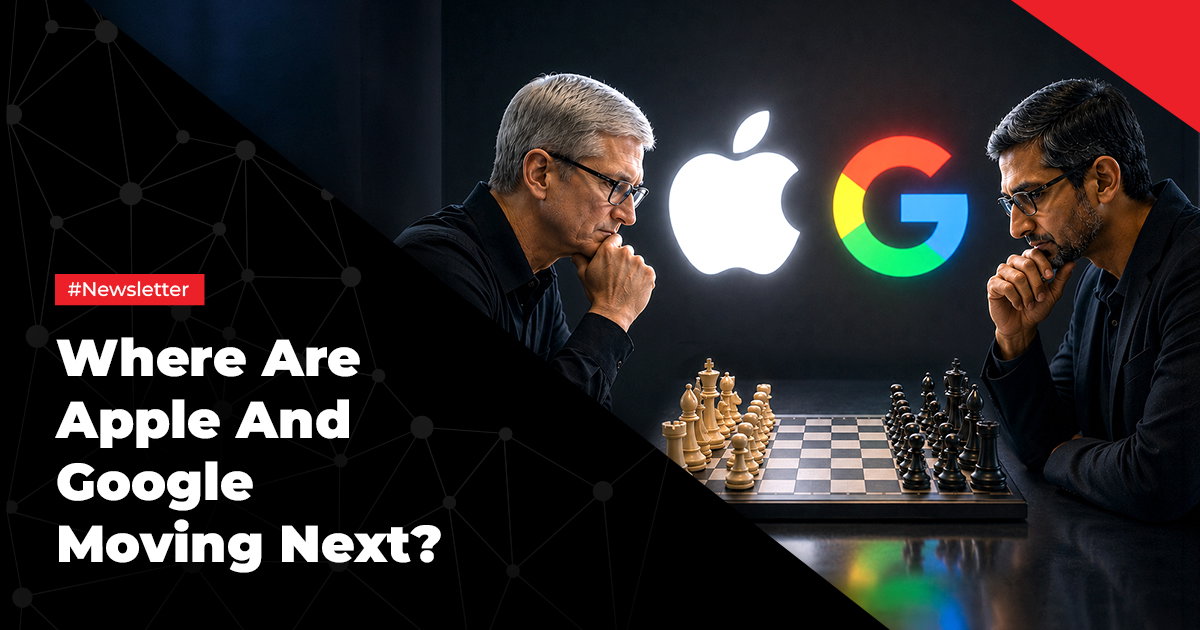
A launch used to mean introducing something new. Today, some of technology’s biggest moves are about taking what already works and pushing it somewhere it has not been before.
Apple Pay may finally be heading to India, while Apple is finding a way to bring its AI into China. Google is preparing to put its new Googlebook platform into the hands of journalists, and Walmart is opening its stores to Apple Pay and Google Pay.
The expansion is geographical too. Bilibili is looking beyond China, while Reddit wants its famously text-heavy conversations to work just as well when people press play instead of scroll.
Then there is the physical world. Amazon wants drone delivery to reach hundreds more US communities, while Nevada has cleared the way for thousands of robotaxis from Tesla, Uber, Waymo, and their partners.
We’re going to take a closer look at these and more.
Let’s dive in because tech is moving into a lot of new territory.
|
|
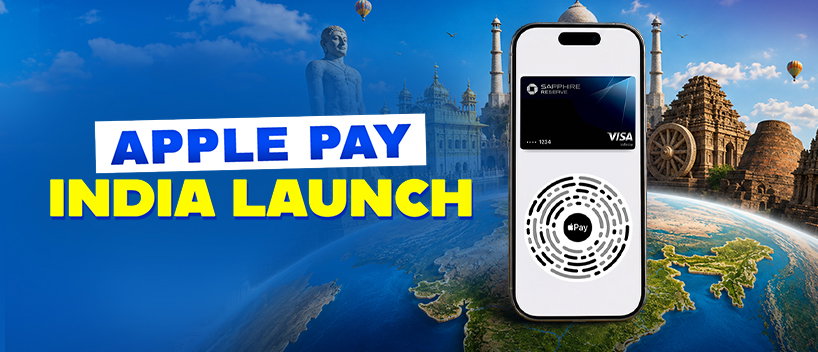
Apple Pay could arrive in India as early as late September or October 2026, initially supporting Visa and Mastercard credit cards rather than UPI. Apple has not officially confirmed the launch date.
|
|
Apple is reportedly working with Alibaba on a China-specific AI model and Qwen integration, creating a path for Apple Intelligence to reach Chinese iPhones while complying with Beijing’s AI regulations.
|
|
Walmart began introducing Apple Pay and Google Pay at select Walmart and Sam’s Club locations on August 24. Support is expected across all stores and clubs by the end of 2026.
|
|
|
 |
|
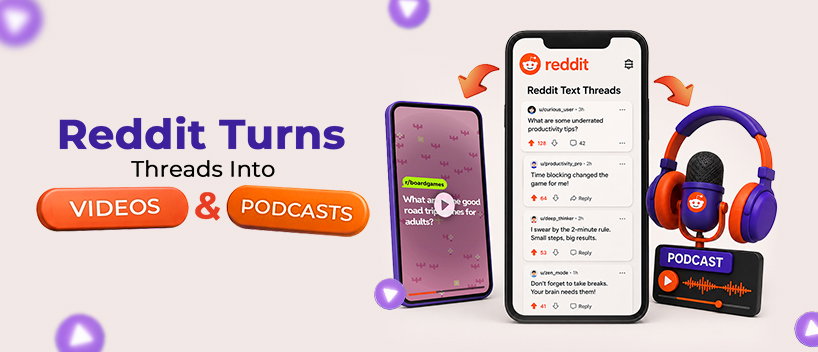
Reddit is testing AI-generated audio and short-video versions of selected posts and comments, using synthetic voices and on-screen text to extend its traditionally text-first experience into more watchable and listenable formats.
|
|
|
|
Bilibili has relaunched its international Android app, with iOS expected to follow, as it targets overseas creators and viewers through fewer verification barriers, an English-language web experience, and more globally mixed content.
|
|
 |
|
|
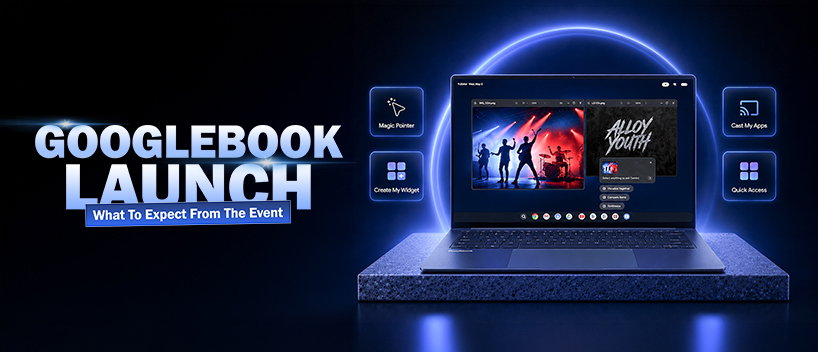
Google will preview Googlebook in New York City on September 15, showcasing a premium laptop category built around Gemini Intelligence, Android integration, and ChromeOS, with devices from Acer, ASUS, Dell, HP, and Lenovo.
|
|
Amazon plans to expand Prime Air from 11 US sites to communities across nearly 500 cities and towns by the end of 2026, with eligible deliveries arriving in as little as 30 minutes.
|
|
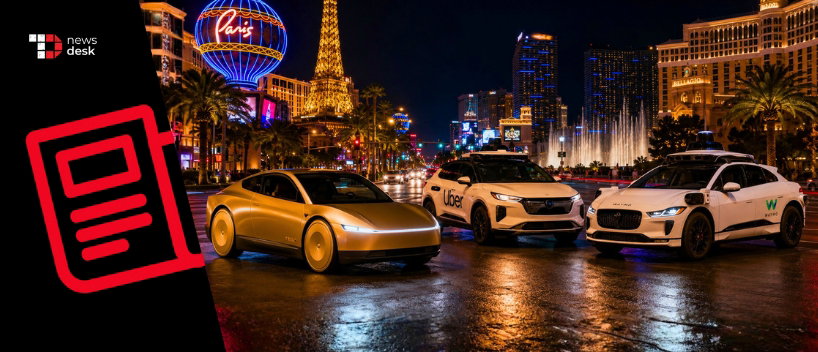
Nevada has approved commercial permits that could allow thousands of robotaxis from Tesla, Uber, Waymo, and their partners across Clark County, although the approved numbers represent capacity rather than guaranteed deployments.
|
|
|
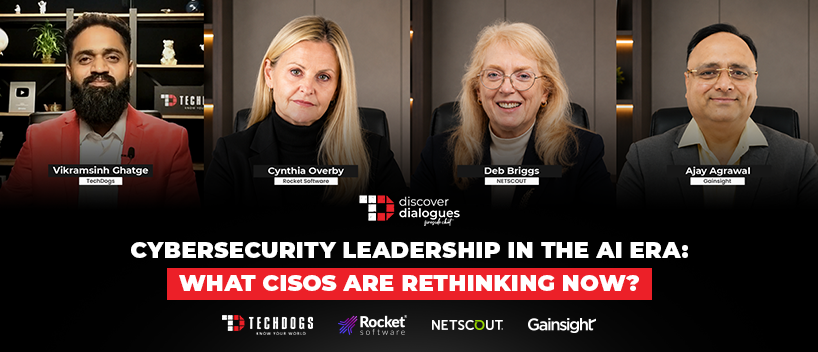 In this Discover Dialogues roundtable, Deb Briggs of NETSCOUT, Cynthia Overby of Rocket Software, and Ajay Agrawal of Gainsight explore what cybersecurity leadership looks like as AI adoption accelerates.
The discussion moves through shadow AI, identity risks, third-party dependencies, supply chain exposure, governance, vulnerability management, and the growing challenge of translating technical cyber risks into decisions the boardroom can act on.
Join The Conversation |
|
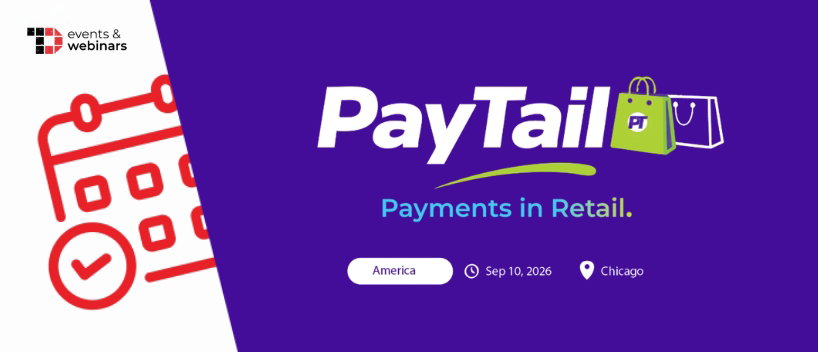
PayTail Chicago arrives on September 10, 2026, bringing senior retail, ecommerce, payments, and technology leaders together to examine how the checkout experience itself is evolving.
From digital wallets, Pay-by-Bank, and embedded payments to agentic commerce, AI-powered decisioning, fraud prevention, and omnichannel experiences, the event looks at how payments are becoming a bigger part of customer experience, loyalty, conversion, and growth.
Register Now
|
|
|
The bigger story this time is not simply that companies are launching more technology.
It is that products, platforms, and ideas are moving into places they could not reach before, whether that means a new country, another device category, a different content format, or the physical streets and skies around us.
For technology companies, the next opportunity may be less about inventing another lane and more about figuring out where the current one can go next.
Keep watching the boundaries. We’ll be back with another fresh set of signals in the next edition.
|
