
Digital Assets
Apple Pay Launch In India: Can Apple’s Tap-To-Pay Compete With UPI?
Share
TL;DR
-
Reports point to a late-September or October launch, although Apple has not confirmed the date.
-
The first rollout is expected to support Visa and Mastercard credit cards, without UPI integration.
-
UPI processed 23.66 billion transactions worth ₹29.88 trillion in July 2026.
-
Apple Pay could appeal to premium iPhone and Apple Watch users seeking faster, tokenized card payments.
-
Without UPI, Apple Pay is more likely to complement India’s payment ecosystem than replace its dominant payment habit.
Introduction
Imagine India’s payments market as a metro system. UPI is the network that already reaches almost every stop, from supermarkets to roadside tea stalls. Apple Pay is the premium express line reportedly preparing to enter the city: polished, fast, and convenient, but starting with fewer stations.
That difference matters. UPI processed 23.66 billion transactions worth ₹29.88 trillion in July 2026, while Apple’s iPhone held about 7% of India’s smartphone shipment market in Q2 2026. The Apple Pay India launch may still matter to premium device and credit card users, but it is entering a market with an entrenched payment habit.
So, can Apple’s tap experience challenge UPI?
Apple Pay India Release Date: What Is Actually Confirmed?
Reporting points to a late-September or October 2026 rollout. Business Standard reported on August 9 that Apple is preparing Apple Pay for India by October, initially around Visa and Mastercard credit cards, with UPI absent at launch. Apple has also been negotiating with major card issuers over transaction fees.
However, this remains a reported timeline. Apple’s own list of countries and regions supporting Apple Pay does not currently include India. For anyone searching for the Apple Pay India release date or Apple Pay India launch date, October is the reported target, not an Apple-confirmed date.
Pine Labs CEO Amrish Rau said, “We do believe Apple Pay will enter the market before the end of this year.” That supports industry expectations, but it is not a launch notice.
Apple Pay Coming To India: What Will Work At Launch?
If the reported plan holds, Apple Pay will begin as a card wallet rather than a UPI app. Eligible users would add supported cards to Apple Wallet, authenticate with Face ID, Touch ID, or a passcode, then hold an iPhone or Apple Watch near a compatible Near Field Communication (NFC) point-of-sale terminal.
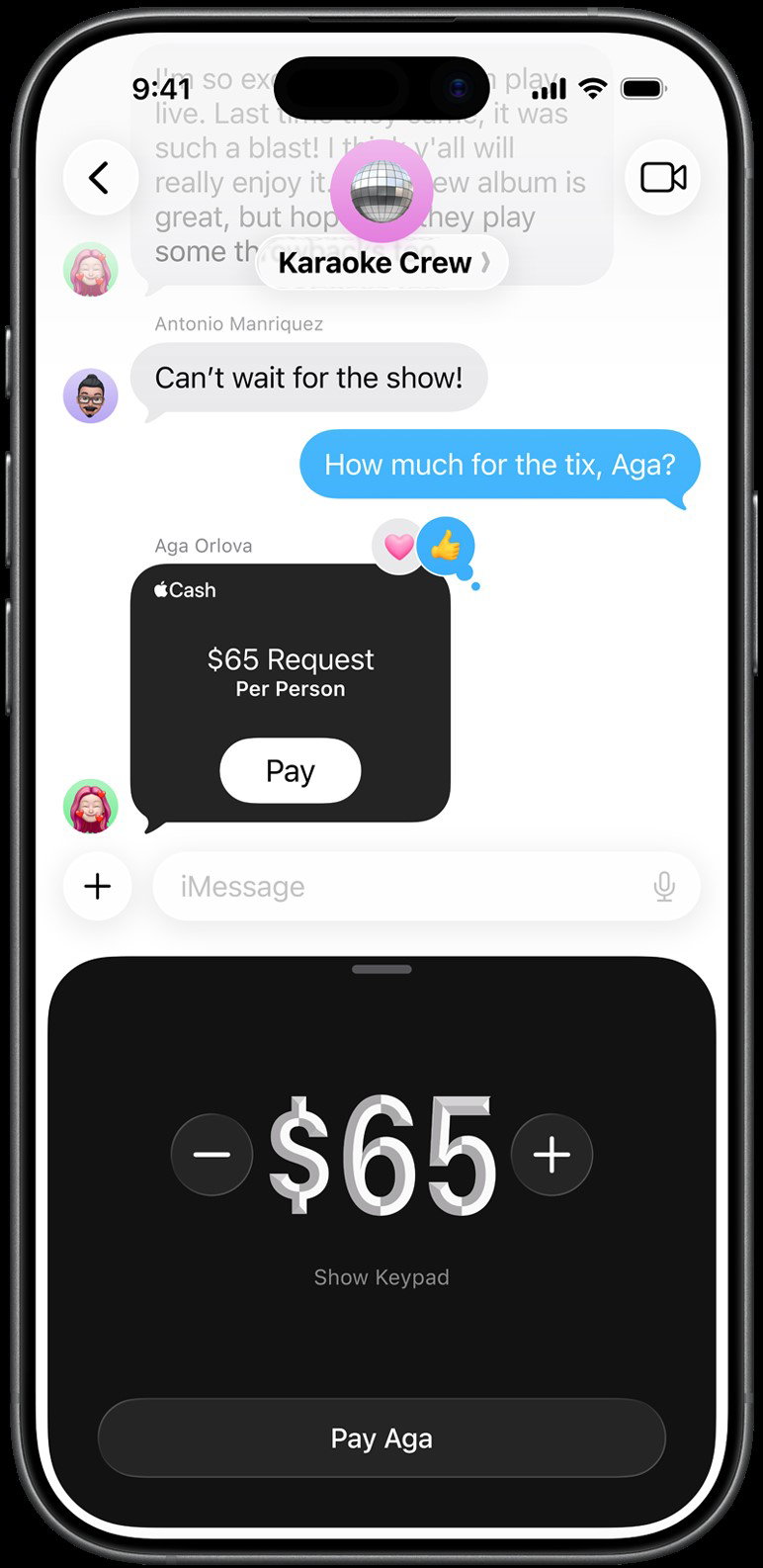
Apple says it does not store the original card number used with Apple Pay. Instead, issuers create a device-specific number stored in the Secure Element, while each purchase uses a transaction-specific security code.
One terminology point matters here. Apple Pay is the consumer payment service. “Tap to Pay on iPhone” is a separate Apple product that lets merchants accept contactless payments on an iPhone. Here, “tap-to-pay” describes the consumer experience.
Apple also recently restored card payments for Apple Account purchases in India, although that service is separate from Apple Pay.
Apple Pay Vs UPI: A Premium Express Meets A National Network
The Apple Pay vs UPI comparison is not simply wallet versus wallet. At launch, they are expected to sit on different payment rails.
| Factor | Apple Pay, Reported First Phase | UPI |
| Rail | Tokenized card payments | Instant interoperable bank payments |
| Checkout | NFC card terminal | QR, UPI ID, intent, and NFC Tap & Pay |
| Reach | Supported Apple devices, cards, banks, and terminals | 55.49 crore users, 6.5 crore merchants, 731 banks |
| Economics | Card interchange and a reported Apple fee | Free for consumers; future merchant MDR may be limited |
| Ecosystem | Apple-controlled wallet | Multi-app, interoperable network |
According to Government of India data, UPI accounted for 85% of India’s digital payment transactions by volume in FY 2025-26, making it an established checkout reflex rather than just another wallet.
Even tapping is not entirely new to UPI. NPCI already offers UPI Tap & Pay, which uses NFC to read a merchant’s UPI Smart Tag or Smart QR. Apple Pay can offer a smoother system-level card tap on supported iPhones, but contactless convenience itself is not new to India.
Where Apple Pay Could Still Win
Apple does not need to beat UPI nationwide to make the launch meaningful.
Its clearest opportunity is the premium card segment. iPhone users who already carry Visa or Mastercard cards could replace a physical-card tap with biometric authentication and an iPhone or Apple Watch.
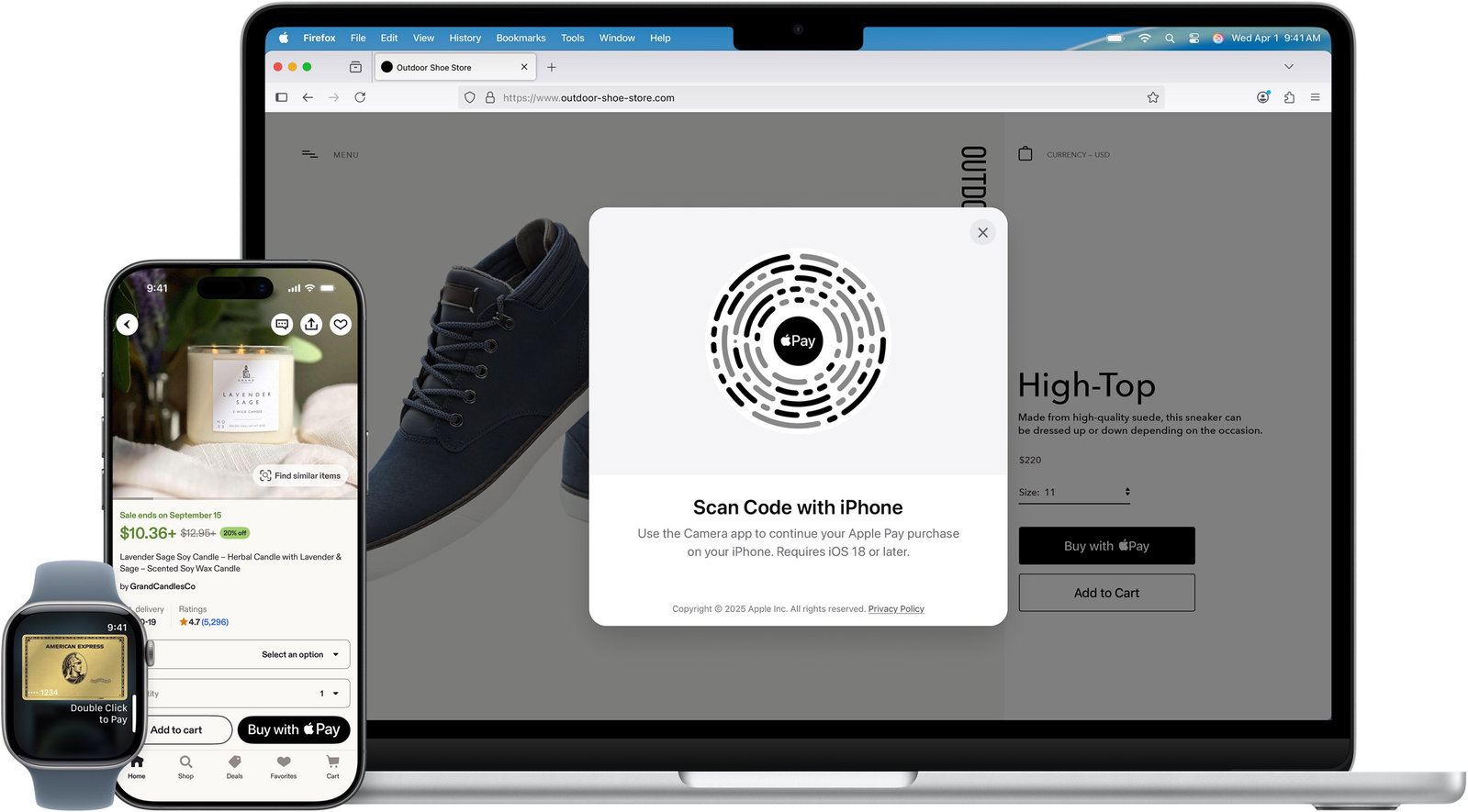
Higher-value retail payments may also favor cards because users can retain existing rewards, EMI options, and credit periods.
Users who already store passes and credentials in Wallet may also find adding payment cards natural. That gives Apple a credible niche, not UPI-scale reach.
What Could Stop Apple Pay From Scaling?
The biggest limitation is UPI’s reported absence.
Business Standard says Apple would need NPCI clearance and a sponsor bank to route UPI transactions. Until that happens, Apple Pay cannot follow users into the universe of QR-first merchants where card terminals may not exist.
Economics are another hurdle. Apple has reportedly sought 15 to 20 basis points from each credit card transaction, while some large Indian issuers have pushed closer to 10 basis points. UPI remains free for consumers, and the government says any future merchant discount rate would apply only to a limited set of transactions above a threshold.
There is also an ecosystem constraint. Apple’s current NFC and Secure Element Platform eligibility list for third-party secure contactless apps does not include India. That keeps the iPhone’s broader NFC payments landscape more controlled than Android’s.
Can Apple Pay Compete With UPI In India?
Yes, but not in the way the headline fight suggests.
If reports saying Apple Pay to debut in India by October prove accurate, the service will initially compete for premium card payments, not UPI’s entire transaction base. It can make card payments faster for iPhone and Apple Watch users at NFC-enabled retailers.
UPI still has the larger advantage: interoperability, merchant reach, bank coverage, and habit. Apple Pay becomes a serious UPI challenger only if Apple eventually integrates UPI. Even then, Apple would not replace the UPI rail. It would compete to become the interface through which iPhone users access it.
Conclusion
The metro analogy holds. UPI is the citywide network. Apple Pay could arrive as a sleek express service for premium card users.
That is enough to matter, but not enough to redraw India’s payment map. The bigger question is whether Apple can eventually connect its tap experience to UPI.
Until then, Apple Pay may win the tap. UPI still owns the route.
Frequently Asked Questions
When Will Apple Pay Be Available In India?
Reports point to late September or October 2026, but Apple has not confirmed the India launch date. Apple’s current support page does not list India as an Apple Pay market.
Will Apple Pay Support UPI In India?
Not in the reported first phase. Business Standard says UPI support would require NPCI approval and a sponsor bank. No official UPI integration date has been announced.
Will RuPay Cards Work With Apple Pay In India?
RuPay support has not been officially announced. Current reports focus on Visa and Mastercard credit cards, so users should wait for Apple and participating banks to publish the final supported-card list.
Fri, Aug 21, 2026

Enjoyed what you read? Great news – there’s a lot more to explore!
Dive into our content repository of the latest tech news, a diverse range of articles spanning introductory guides, product reviews, trends and more, along with engaging interviews, up-to-date AI blogs and hilarious tech memes!
Also explore our collection of branded insights via informative white papers, enlightening case studies, in-depth reports, educational videos and exciting events and webinars from leading global brands.
Head to the TechDogs homepage to Know Your World of technology today!
Disclaimer - Reference to any specific product, software or entity does not constitute an endorsement or recommendation by TechDogs nor should any data or content published be relied upon. The views expressed by TechDogs' members and guests are their own and their appearance on our site does not imply an endorsement of them or any entity they represent. Views and opinions expressed by TechDogs' Authors are those of the Authors and do not necessarily reflect the view of TechDogs or any of its officials. While we aim to provide valuable and helpful information, some content on TechDogs' site may not have been thoroughly reviewed for every detail or aspect. We encourage users to verify any information independently where necessary.
Loading comments...