
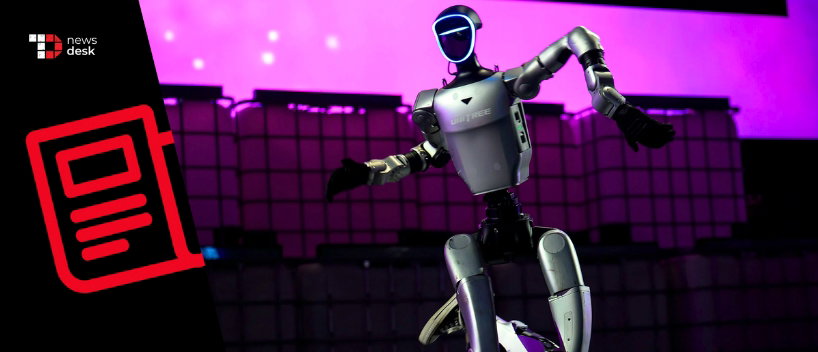
China may control roughly 85% of the global humanoid robot market, but its newest machines will no longer have an open route into the United States.
The Trump administration is blocking new foreign-made advanced robots and power inverters over national security concerns.
The restrictions are designed to protect critical infrastructure, strengthen the US artificial intelligence supply chain and encourage manufacturers to move production onshore. Previously authorized models can still be imported and sold.
TL;DR
- The FCC has banned new foreign-made humanoid robots, quadruped robots and connected power inverters, with the measures primarily targeting Chinese imports.
- Previously authorized models are not affected.
- Officials cited cybersecurity, surveillance, remote access and supply chain risks, while China accused the US of using national security as a pretext for protectionism.
FCC Blocks New Chinese Humanoid Robots To Protect US AI Supply Chains
The Federal Communications Commission (FCC) added new foreign-produced advanced robotic devices to its Covered List, a register of products and services considered risks to US national security.
The measure covers humanoid robots and quadruped machines, often described as four-legged robot dogs. It applies only to new versions of foreign-made products and does not prevent the import or sale of models already authorized by the FCC.
According to the agency, foreign-built robots could be exploited to monitor Americans, support foreign intelligence operations or allow malicious actors to remotely take control of the machines.
“These devices could create supply chain vulnerabilities that could disrupt U.S. economic and national security and could create a cybersecurity risk that threatened American critical infrastructure,” the FCC said.
FCC Chairman Brendan Carr said the agency would continue doing its part “to secure America’s critical supply chains.”
US Power Inverter Ban Targets Data Centers And Energy Infrastructure
The FCC also blocked new foreign-made connected power inverters, which convert direct current electricity into alternating current electricity.
These devices are widely used in renewable energy systems, batteries, household appliances, electrical grids and data center infrastructure. Their presence across critical energy and computing systems gives the restrictions potentially broader consequences than the robotics ban alone.
The FCC warned that overseas manufacturers could potentially disable compromised inverters, extract data, enable remote surveillance or provide access to foreign government actors. Officials also raised concerns that the equipment could be manipulated during a cyberattack.
By restricting both technologies, the administration is attempting to reduce its reliance on foreign hardware across the physical infrastructure supporting AI, cloud computing and renewable energy.
China’s Humanoid Robot Lead Raises The Stakes For US Manufacturers
The ban arrives as Chinese manufacturers rapidly expand production while reducing costs faster than many international competitors.
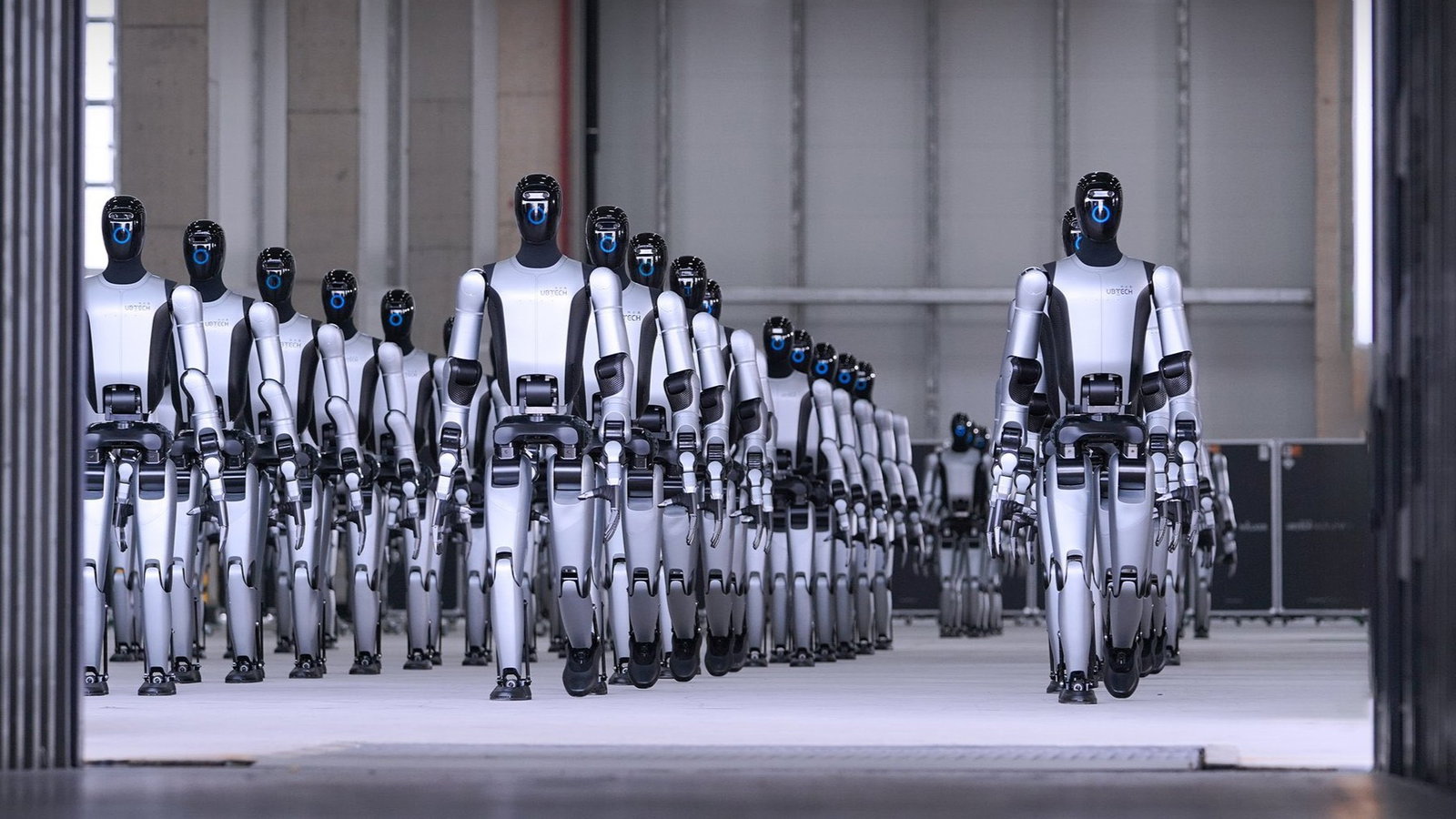
China is estimated to hold around 85% of the global humanoid robot market. Of approximately 15,000 humanoid robots shipped worldwide in 2025, Unitree and AGIBOT reportedly delivered more than 5,000 units each.
US companies such as Tesla and Figure AI shipped only a few hundred units or fewer during the same period.
Morgan Stanley analysts expect China’s humanoid robot market to reach $15 billion by 2030, supported by domestic manufacturing capacity and government policies promoting robotics and artificial intelligence.
“Restricting their access to the U.S. removes an important future market and protects U.S. developers from potential price competition,” Morningstar analyst Kangyuxiao Li said.
However, Li added that the decision would not materially slow China’s overall humanoid robot development because of its large domestic manufacturing base and access to other export markets.
The restrictions could also complicate partnerships between US and Chinese technology companies. Nvidia, for example, revealed a humanoid robot reference design in June that uses a chassis developed by China-based Unitree.
The Pentagon has since included Unitree and other Chinese technology companies on a list of businesses it says have links to or support China’s military, an allegation Beijing rejects.
Topics For More Insights
Beijing Condemns Robot Ban As US-China Technology Tensions Grow
China accused Washington of stretching the meaning of national security to restrict Chinese businesses and protect American companies from competition.
“Protectionism does not make the U.S. more competitive, and it will only hurt the interests of U.S. companies and consumers,” Chinese Foreign Ministry spokesperson Mao Ning said.
The Chinese embassy in Washington called on the US to stop “politicising” trade issues and imposing sanctions using “groundless pretexts.” Beijing also said it would take “all measures necessary” to protect the rights and interests of Chinese companies.
The bans add humanoid robots and power infrastructure to a growing list of technology flashpoints between the two countries. Washington has already restricted Chinese drones, effectively shut Chinese electric vehicles out of the US market through steep tariffs and limited exports of advanced American semiconductors to China.
The latest measures could further strain relations ahead of Chinese leader Xi Jinping’s planned September visit to meet US President Donald Trump.
