
Regulatory Technology (RegTech)
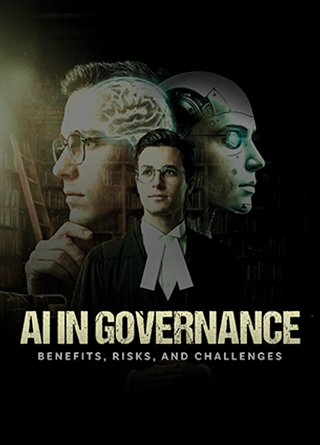
AI In Governance: Benefits, Risks, And Challenges
Share
Introduction
When an AI system gets something wrong, the consequences fall on real people. That is why governance matters, not as a bureaucratic add-on, but as the infrastructure that makes AI trustworthy enough to rely on.
Artificial Intelligence governance is the framework that defines how AI systems should be built, deployed, monitored, and held accountable. It brings together policies, standards, roles, and controls so that AI operates within boundaries that reflect human values, legal requirements, and organizational responsibility.
This article walks through what AI governance actually means in practice, the benefits it creates for businesses, the risks it is designed to manage, and how organizations are putting it to work in the real world.
TL;DR
-
AI governance is the framework of policies, controls, and oversight practices that keep AI systems fair, transparent, secure, and accountable.
-
Without governance, AI risks include biased decisions, unexplainable outcomes, privacy gaps, and unchecked automation in high-stakes situations.
-
Good governance builds trust, improves compliance readiness, reduces bias, and makes AI easier to scale responsibly across an organization.
-
Organizations put governance into practice through pre-launch reviews, human oversight, bias audits, documentation, and continuous monitoring after deployment.
What Is AI Governance And Why Does It Matter?
AI governance is not a single policy document or a one-time compliance checklist. It is an ongoing system of oversight that covers the entire lifecycle of an AI system. At its core, it answers three fundamental questions:
How should this AI system behave? Who is responsible when it does not? And what happens next when something goes wrong?
Formally defined, AI governance refers to the collection of policies, standards, roles, controls, and monitoring practices that guide how AI is developed, deployed, and managed within an organization. It is built around a set of principles that most frameworks agree on: accountability, transparency, fairness, privacy, security, and meaningful human oversight.
-
Accountability means there is always a person or team that owns the outcome of an AI decision, not just the technology behind it.
-
Transparency means the system can be explained, at least to the degree that the people affected by it can understand why a decision was made.
-
Fairness means the system does not systematically disadvantage certain groups because of how it was trained or designed.
-
Privacy and security mean the data powering these systems is handled responsibly and protected from misuse.
-
Human oversight means automation supports judgment rather than replacing it entirely.
Why does this matter now? Because AI adoption has outpaced the structures meant to manage it. Organizations have deployed AI tools rapidly, often without fully understanding how those tools make decisions or how they behave as conditions change over time. That gap creates real exposure.
Regulators are already responding. The EU AI Act sets mandatory requirements around transparency, human oversight, and documentation. Similar guidance is taking shape in the US and beyond. Businesses that build governance now are not just being cautious; they are getting ahead of requirements that will eventually be non-negotiable.
There is also an equally important trust dimension. When organizations can demonstrate that their AI is governed, tested, and monitored, it builds confidence with employees, customers, and the public that is genuinely hard to earn any other way.
The meaning becomes clearer when you look at the practical value governance brings to organizations.
What Are The Benefits Of AI Governance For Businesses?
These five benefits show why governance is now essential for responsible AI growth. Organizations looking to put these principles into practice can evaluate ai governance tools that support centralized AI inventories, risk assessment, policy enforcement, audit logging, continuous monitoring, and compliance management across their AI systems.
-
Builds Trust And Accountability
AI Governance helps clarify who owns what, who gets to make decisions, and who is responsible for reviewing things throughout the AI lifecycle. When organizations understand who approved a system, how it operates, and how it's monitored, they can communicate their decisions more clearly and build trust with employees, customers, and regulators.
-
Improves Compliance Readiness
A solid governance model helps organizations link their internal AI practices with the changing legal, regulatory, and policy landscape. It simplifies the process of turning external requirements into internal controls, documentation, and enforceable rules, rather than just responding after problems or audits come up.
-
Reduces Bias And Model Drift
Governance sets up official measures to ensure data quality, test for fairness, and keep an eye on performance. This helps teams spot biased patterns, unreliable outputs, and model drift before they turn into bigger issues for the business or its reputation. It also provides a more stable performance as AI systems engage with evolving real-world data.
-
Strengthens Privacy And Security
AI systems usually depend on a lot of sensitive or regulated data. Governance outlines what is expected regarding the collection, access, protection, and use of that data. This helps reduce the chances of misuse, privacy issues, weak controls, and security gaps that might impact trust and operations.
-
Makes AI Adoption Easier To Scale
Governance brings consistency to how AI projects are documented, approved, and monitored across teams. That consistency is what allows organizations to expand their AI usage without losing visibility or control, turning ad hoc experimentation into something sustainable and repeatable.
Understanding the risks is just as critical as recognizing the value. Governance earns its place not just by enabling AI, but by protecting organizations from the very real problems that arise when AI operates without guardrails.
Topics For More Insights
What Are The Biggest AI Governance Risks And Challenges?
These five issues explain where governance becomes most important and most difficult.
-
Bias Can Lead To Unfair Decisions
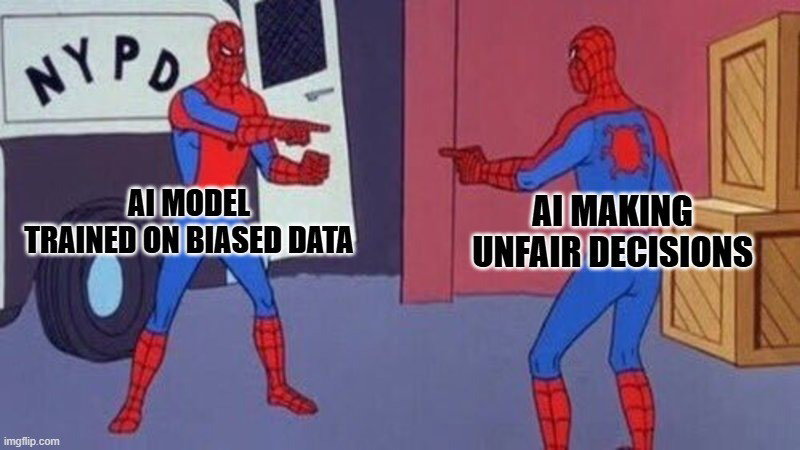
AI systems that learn from flawed, incomplete, or biased data can lead to unfair results in important areas like hiring, lending, social services, and law enforcement. If there's no governance in place, those outcomes can end up being automated and repeated on a large scale, which makes it tougher to spot and fix any harm that arises.
-
Low Transparency Weakens Accountability
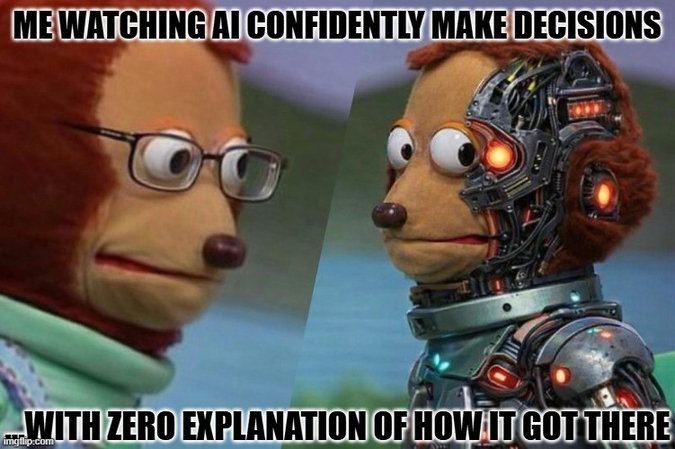
Many AI systems, especially those built on deep learning, produce results without being able to clearly explain why a specific decision was made. When that decision affects a loan application, a job candidacy, or access to public services, the inability to interrogate the system is a real problem. Governance addresses this by setting explainability requirements, ensuring that AI used in high-stakes contexts can provide reasoning that humans can actually review and act on.
-
Privacy And Security Risks Grow Quickly
AI systems can open up new ways for sensitive data to be exposed, particularly when they work within extensive data environments. Poor governance allows for personal information to be mishandled, overused, or not adequately protected. It's important to have strong controls in place during the entire AI lifecycle, not just when it's being deployed.
-
Overreliance Can Reduce Human Judgment
As AI gets more integrated into our daily tasks, there's a genuine concern that people might start trusting it too fast or stop critically evaluating what it produces. Governance ensures that people remain accountable for key decisions, allowing automation to assist in judgment rather than taking over entirely.
-
Legacy Systems And Skill Gaps Slow Implementation
Even a solid governance plan can have a tough time when organizations deal with old infrastructure, restricted data access, tight budgets, or a lack of understanding of AI. These obstacles can complicate the consistent application of governance and may slow down responsible adoption, particularly in large or heavily regulated settings.
The topic becomes easier to grasp once governance is shown through simple real-world practices.
AI Governance Examples: How Organizations Put It Into Practice?
Governance can sound abstract until you see how it actually shows up in day-to-day AI operations. These examples show what it looks like when organizations move from principles to practice.
-
Pre-Launch Review Before Deployment
A lot of companies make AI systems go through a structured review process before they can be used. This usually involves checking the purpose, amount of risk, data sources, privacy concerns, testing for fairness, and who owns the approval. The goal is to find and fix big problems with the system before it goes live for customers, workers, or the public.
-
Human Review For High-Impact Decisions
In fields like hiring, finance, healthcare, public services, or legal decisions, organizations usually involve a human in the process. This makes sure that AI helps with decision-making instead of making final calls by itself, especially in situations where fairness, context, and human responsibility are really significant.
-
Bias Audits And Fairness Checks
A useful governance tool usually checks training data, model outputs, and decision patterns for signs of bias regularly. These checks help figure out if a system is unfair to certain groups and if changes need to be made before bias becomes part of the way it works.
-
Documentation And Audit Trails
The records that are kept behind the system often show how it is governed. Organizations write down the goal of the model, the history of the data, changes, approvals, thresholds, and monitoring. It is easier to review, describe, and audit AI that has good documentation. It is also easier to track AI throughout its lifecycle.
-
Continuous Monitoring After Launch
Following rules doesn't end when a model goes live. Over time, teams also keep an eye on results, drift, security problems, breached thresholds, and other warning signs. This ongoing oversight makes it easier for companies to act quickly when performance changes or new risks show up after launch.
Let’s wrap this up.
Conclusion
AI governance is not a barrier to innovation. It is what makes innovation sustainable. As AI becomes more deeply embedded in business operations, public services, and everyday decisions, the organizations that govern it well will be the ones that scale it responsibly, earn lasting trust, and stay ahead of the regulatory curve.
The framework does not need to be perfect from day one. What matters is that accountability is clear, oversight is ongoing, and the people affected by AI decisions have some meaningful recourse when things go wrong. Governance turns AI from a powerful but unpredictable tool into something organizations can genuinely stand behind.
Frequently Asked Questions
What Is AI Governance In Simple Words?
AI governance is the set of rules, policies, and oversight practices that guide how AI is developed, used, and monitored. It helps ensure AI systems are fair, secure, transparent, and accountable.
Why Is AI Governance Important?
AI governance is important because AI can create risks such as bias, weak transparency, privacy issues, and poor accountability when left unchecked. Governance helps organizations manage those risks while using AI more responsibly.
What Are Common AI Governance Examples?
Common AI governance examples include pre-deployment reviews, human oversight in high-stakes decisions, bias audits, documentation, audit trails, and continuous monitoring after launch.
Fri, Mar 27, 2026

Enjoyed what you read? Great news – there’s a lot more to explore!
Dive into our content repository of the latest tech news, a diverse range of articles spanning introductory guides, product reviews, trends and more, along with engaging interviews, up-to-date AI blogs and hilarious tech memes!
Also explore our collection of branded insights via informative white papers, enlightening case studies, in-depth reports, educational videos and exciting events and webinars from leading global brands.
Head to the TechDogs homepage to Know Your World of technology today!
Disclaimer - Reference to any specific product, software or entity does not constitute an endorsement or recommendation by TechDogs nor should any data or content published be relied upon. The views expressed by TechDogs' members and guests are their own and their appearance on our site does not imply an endorsement of them or any entity they represent. Views and opinions expressed by TechDogs' Authors are those of the Authors and do not necessarily reflect the view of TechDogs or any of its officials. While we aim to provide valuable and helpful information, some content on TechDogs' site may not have been thoroughly reviewed for every detail or aspect. We encourage users to verify any information independently where necessary.
Loading comments...