
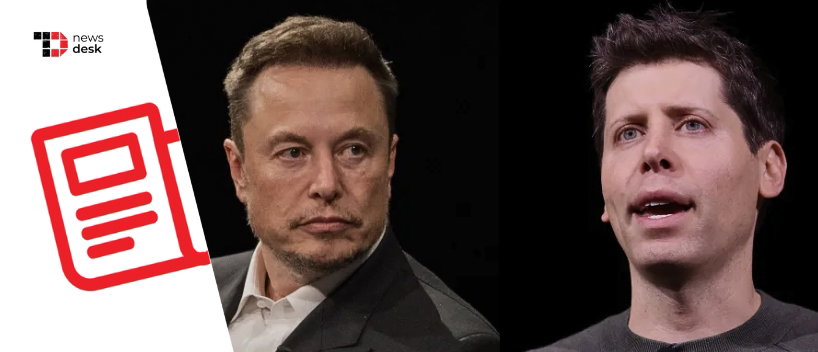
A federal judge has ruled that Elon Musk’s lawsuit against OpenAI alleging the company violated its founding nonprofit mission when it restructured as a for-profit entity can proceed to a jury trial, rejecting OpenAI’s effort to have the case dismissed.
TL;DR
- U.S. District Judge Yvonne Gonzalez Rogers said there is “plenty of evidence” suggesting OpenAI leaders assured Musk the organization would remain a nonprofit.
- The case will go to a jury trial scheduled for March 2026.
- Musk seeks damages for what he calls “ill-gotten gains” from OpenAI’s restructuring and Microsoft partnership.
- OpenAI denies all claims, calling the lawsuit baseless and part of a “pattern of harassment.”
- Microsoft also denies involvement, saying there’s no proof it “aided and abetted” any wrongdoing.
Judge Allows Trial To Proceed
At a January 7 hearing in Oakland, California, Judge Gonzalez Rogers said there were enough disputed facts for a jury to decide whether OpenAI breached commitments to maintain its nonprofit structure. She stated there was “plenty of evidence” indicating that assurances were made to Musk about preserving the nonprofit model. A written order will follow addressing OpenAI’s motion to dismiss.
What Musk Claims
Musk, who co-founded OpenAI in 2015 and left in 2018, alleges he contributed about $38 million roughly 60 percent of the organization’s early funding plus strategic guidance based on promises that OpenAI would remain a public-benefit nonprofit.
Source
The complaint accuses OpenAI leaders Sam Altman and Greg Brockman of orchestrating a for-profit conversion that ultimately led to multibillion-dollar deals with Microsoft. Musk seeks unspecified monetary damages from what he calls “ill-gotten gains.”
OpenAI and Microsoft Responses
After the hearing, OpenAI issued a statement saying: “Mr Musk’s lawsuit continues to be baseless and part of his ongoing pattern of harassment, and we look forward to demonstrating this at trial.”
Microsoft, also named as a defendant, urged the court to throw out claims against it. Its counsel said no evidence exists that Microsoft aided OpenAI’s actions. Both companies have denied all allegations.
Topics For More Context
Next Steps In Court
Judge Gonzalez Rogers said jurors will also decide whether Musk filed his lawsuit within the legal time limit. OpenAI’s lawyers argued he had not shown a sufficient factual basis for fraud or breach of contract. The court declined to dismiss those claims outright. The jury trial is set for March 2026 in the Northern District of California.
Industry Context
The dispute unfolds amid intense competition in generative AI, with Musk’s startup xAI creator of the Grok chatbot now rivaling OpenAI in the commercial AI space. The outcome may determine whether OpenAI’s early commitments can be enforced and could influence how future AI organizations manage transitions between nonprofit and for-profit structures.
