
Artificial Intelligence
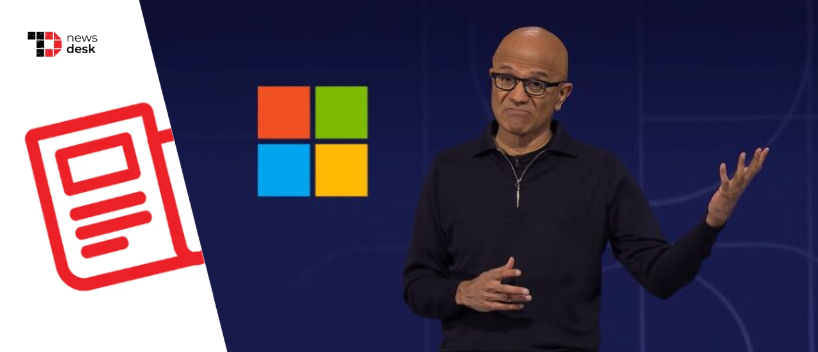
Microsoft CEO Satya Nadella Explains 60,000 Employee Buyouts Amid AI Workforce Shift
Updated on Thu, Nov 19, 2026
Share
Microsoft CEO Satya Nadella has explained why the company offered voluntary buyouts to 60,000 employees, even as he insists artificial intelligence (AI) isn't simply replacing workers. Instead, Microsoft wants employees to rethink their roles, with AI agents taking on more work.
The catch? Not everyone may want to make that transition.
Here's what Nadella had to say.
TL;DR
- Microsoft offered voluntary buyouts to 60,000 employees in October instead of relying on another large round of layoffs.
- Nadella says the decision supports Microsoft's transition toward an AI-first workforce.
- Software engineers and other employees could increasingly supervise AI agents rather than perform every task themselves.
- Nadella acknowledges that organizational restructuring can create anxiety and difficult career decisions.
Microsoft CEO Satya Nadella Explains Why 60,000 Employees Received Buyout Offers
During the New York Times DealBook Summit, as reported by TechCrunch, Nadella addressed Microsoft's controversial decision to offer voluntary buyouts to 60,000 employees in October.
Rather than framing the move as an attempt to replace people with AI, Nadella described it as part of a larger organizational transformation.
The company wants its workforce to adopt new working methods centered on AI, while giving employees some control over whether they want to participate in that transition.
This follows Microsoft's earlier announcement of voluntary buyout offers, which raised questions about how the company's growing AI ambitions would affect existing jobs.
However, the 60,000 figure represents employees offered buyouts, not confirmed departures.
Nadella acknowledged that adjusting to unfamiliar responsibilities can be difficult, particularly when established teams must rethink how their work gets completed.
For Microsoft, that transformation extends beyond introducing AI tools. It involves changing the responsibilities, structures, and workflows that have defined its operations for decades.
Microsoft Plans To Transform Software Engineering With AI Agents
Nadella used software engineering to illustrate how rapidly attitudes toward AI have changed.
The industry initially questioned whether AI could develop software effectively. That skepticism eventually gave way to concerns that AI might eliminate the need for programmers altogether.
Now, Nadella believes software engineering will continue to thrive, although developers will operate differently.
He highlighted the 11-person team developing Cowork, an AI agent for Microsoft 365 applications.
According to Nadella, these developers use AI to create systems that handle software development work, rather than building every component themselves.
"They build a software factory that builds the product. They don’t build the product," Nadella explained.
This approach reflects Microsoft's broader push toward AI-assisted operations, also visible in its plans to combine Copilot chat, coding, Cowork, and autonomous agents.
Nadella expects this operating model to extend beyond engineering, with employees increasingly directing AI agents instead of manually completing every assignment.
Microsoft AI Workforce Restructuring Raises Employee Anxiety
However, the transition presents a considerable challenge for Microsoft, a 51-year-old company built around established organizational processes.
During a separate appearance on The Pragmatic Engineer podcast, Nadella acknowledged that discussions about AI replacing jobs have created significant uncertainty among employees.
He pointed to predictions about artificial intelligence surpassing human intelligence and eliminating employment opportunities as factors contributing to workers' concerns.
That anxiety makes organizational changes more complicated, particularly when employees feel they have limited influence over their professional futures.
Nadella's explanation suggests Microsoft's voluntary buyouts were intended to give workers an alternative to adapting to its emerging AI-first operating model.
Topics For More Insights
- Microsoft Offers 60,000 Employees Voluntary Buyouts With Up To 12 Months' Pay Amid AI Push
- Microsoft Confirms 2026 Copilot Super App Combining Chat, Code, And Agents
- AI Will Reshape Jobs, Not Replace Them, Says Microsoft India President
- Microsoft & Anthropic Launch Copilot Cowork To Boost Enterprise AI Automation
Microsoft's AI-First Strategy Could Redefine Employee Responsibilities
Nadella believes employees across different functions will eventually take on responsibilities resembling those of AI agent managers.
However, he also recognizes that transforming an established organization will take longer than some expect, particularly when changes affect existing roles, compensation structures, and established workflows.
While Microsoft is encouraging workers to embrace AI-driven responsibilities, Nadella's comments acknowledge that some employees may prefer to pursue opportunities elsewhere.
The company has not established how many employees will ultimately accept the voluntary buyouts, leaving the actual workforce impact uncertain.
For now, Microsoft's message is increasingly clear: AI adoption isn't just changing the tools employees use. It's changing what the company expects them to do.
First published on Thu, Nov 19, 2026

Enjoyed what you've read so far? Great news - there's more to explore!
Stay up to date with the latest news, a vast collection of tech articles including introductory guides, product reviews, trends and more, thought-provoking interviews, hottest AI blogs and entertaining tech memes.
Plus, get access to branded insights such as informative white papers, intriguing case studies, in-depth reports, enlightening videos and exciting events and webinars from industry-leading global brands.
Dive into TechDogs' treasure trove today and Know Your World of technology!
Disclaimer - Reference to any specific product, software or entity does not constitute an endorsement or recommendation by TechDogs nor should any data or content published be relied upon. The views expressed by TechDogs' members and guests are their own and their appearance on our site does not imply an endorsement of them or any entity they represent. Views and opinions expressed by TechDogs' Authors are those of the Authors and do not necessarily reflect the view of TechDogs or any of its officials. While we aim to provide valuable and helpful information, some content on TechDogs' site may not have been thoroughly reviewed for every detail or aspect. We encourage users to verify any information independently where necessary.
Loading comments...