
Artificial Intelligence
Meta’s AI Agent Muse Reached No. 2 On The US App Store With 83,000+ iOS Downloads
Updated on Mon, Sep 14, 2026
Share
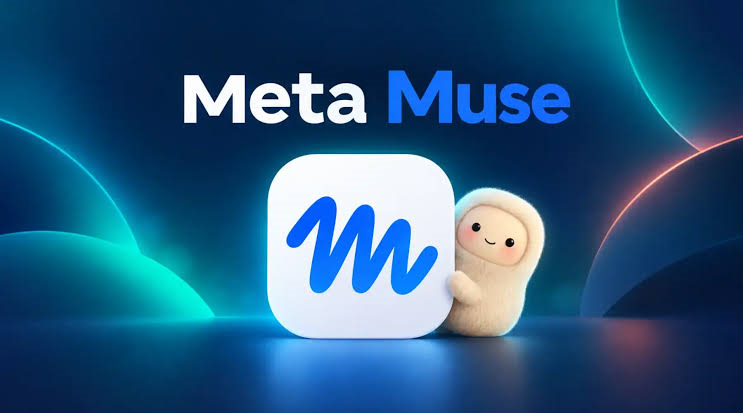
Meta’s newly launched personal AI agent Muse reached the No. 2 position on Apple’s US App Store after attracting more than 83,000 iOS downloads, giving the company an early sign of consumer interest in its push beyond traditional AI chatbots.
However, the ranking was already moving days later, highlighting how quickly mobile app charts can change and why the download figure may be a more useful measure of Muse’s early traction.
TL;DR
- Sensor Tower data cited by TechCrunch put Muse above 83,000 US iOS downloads and at No. 2 on September 10.
- Meta launched Muse in the US on September 8 across iOS, Android, the web and WhatsApp.
- Its early downloads trail launches such as Threads and Meta AI.
- Later App Store snapshots showed Muse falling from its No. 2 peak.
Muse Climbs To No. 2
According to TechCrunch, citing data supplied by mobile intelligence firm Sensor Tower, Meta’s Muse surpassed 83,000 iOS downloads in the US within days of its September 8 launch. That pushed the app from No. 4 on September 9 to No. 2 on Apple’s US App Store Top Charts a day later.
The ranking was not permanent. A September 11 chart snapshot from mobile app tracker Marlvel showed Muse at No. 4 overall, while Applyra listed it at No. 5 on September 12. That makes the No. 2 position an early launch milestone rather than its latest verified ranking.
TechCrunch also reported a significant gap between Muse’s performance on iOS and Android. As of September 10, Muse ranked No. 338 in Google Play’s Productivity category, although Android download estimates were not available at the time.
Muse Is Meta’s Bet On Personal AI Agents
Meta officially launched Muse on September 8 as a personal AI agent designed to do more than answer questions. The company says Muse can send emails, book travel, open websites, fill out forms, negotiate on a user’s behalf and continue working on longer tasks even after the user closes the app.
The agent is powered by Meta’s Muse Spark technology and runs inside what the company calls Muse Secure VM, a dedicated virtual machine that stores the agent and connected user data. Meta says users can decide which services Muse can access, revoke permissions and require approval before sensitive actions such as sending an email or making a purchase.
Muse is currently rolling out only in the US across iOS, Android and the web, with access also available through WhatsApp. Meta says most usage is free, while Reuters reported additional subscription tiers priced at $20 and $100 per month for heavier users.
A Strong Start, But Smaller Than Meta’s Biggest App Launches
The No. 2 ranking gives Muse visibility, but its absolute download numbers remain below some major consumer app launches.
Sensor Tower figures cited by TechCrunch show Threads recording more than 4.3 million US downloads on its launch day, while the Meta AI app registered around 108,000 US downloads during its debut. ChatGPT, meanwhile, surpassed 500,000 US installs in less than a week following its original iOS launch.
Muse therefore appears to be gaining meaningful early traction without matching the scale of Meta’s biggest launches.
Security Could Be Just As Important As Downloads
That adoption also comes with a bigger trust requirement. Muse can connect with email, calendars, payments, shopping, health services and other applications containing sensitive information.
Topics for more insights:
Reuters reported that Meta delayed an earlier planned April launch while working on security and that internal testing uncovered reliability problems and cases involving unintended exposure of sensitive information. Meta Vice President of AI Products Vishal Shah told Reuters that “every single part of the architecture has been designed to make this as safe, as secure, as private as we can possibly make it.”
Meta says Muse includes a separate Sentinel agent that reviews actions before they reach the internet, asks for permission when required and keeps credentials in secure storage so Muse itself cannot see passwords or payment details. The company also plans to introduce a Confidential VM later this year that it says will encrypt user data with a key controlled by the user.
For Meta, the early App Store performance shows consumers are at least curious about an AI agent that can act rather than simply answer. Whether those initial downloads turn into sustained usage will depend on Muse proving that convenience, reliability and access to personal information can coexist.
First published on Mon, Sep 14, 2026

Enjoyed what you read? Great news – there’s a lot more to explore!
Dive into our content repository of the latest tech news, a diverse range of articles spanning introductory guides, product reviews, trends and more, along with engaging interviews, up-to-date AI blogs and hilarious tech memes!
Also explore our collection of branded insights via informative white papers, enlightening case studies, in-depth reports, educational videos and exciting events and webinars from leading global brands.
Head to the TechDogs homepage to Know Your World of technology today!
Disclaimer - Reference to any specific product, software or entity does not constitute an endorsement or recommendation by TechDogs nor should any data or content published be relied upon. The views expressed by TechDogs' members and guests are their own and their appearance on our site does not imply an endorsement of them or any entity they represent. Views and opinions expressed by TechDogs' Authors are those of the Authors and do not necessarily reflect the view of TechDogs or any of its officials. While we aim to provide valuable and helpful information, some content on TechDogs' site may not have been thoroughly reviewed for every detail or aspect. We encourage users to verify any information independently where necessary.
Loading comments...