
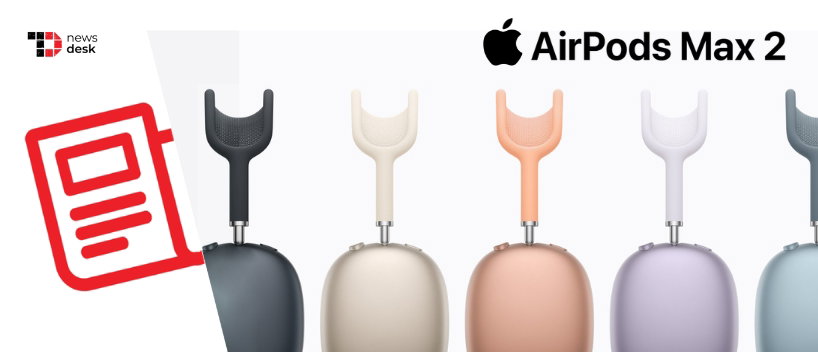
It comes with significant upgrades, including Apple's H2 chip, sharper noise cancellation, richer sound output, and a suite of intelligent features aimed at both everyday users and content creators.
Priced at $549 in the U.S., AirPods Max 2 continues to sit at the premium end of the market, now backed by a stronger mix of performance, intelligence, and creator-focused features.
The headphones will be available in five colors including midnight, starlight, orange, purple, and blue.
Pre-orders begin March 25, with retail availability starting early next month.
TL;DR
- H2 chip powers up to 1.5x better Active Noise Cancellation (ANC) and smarter audio processing
- New features include Adaptive Audio, Live Translation, and Conversation Awareness
- Supports 24-bit, 48 kHz lossless audio via USB-C for pro-grade workflows
- Adds studio-quality recording and camera remote for creators
- Starts at $549, available to order March 25
Apple Reinvents Over-Ear Listening With H2-Powered AirPods Max 2
Apple’s latest AirPods Max 2 builds on its predecessor’s design while introducing meaningful upgrades under the hood. At the center of it all is the H2 chip, which enables a more refined and responsive audio experience across listening, calls, and content creation.
“With the incredible performance of H2, AirPods Max are upgraded with up to 1.5x more effective ANC for the ultimate all-day listening experience,” said Eric Treski, Apple’s director of Audio Product Marketing.
The improved Active Noise Cancellation now blocks out a wider range of ambient sounds, including consistent background noise like airplane engines and trains.
At the same time, Transparency mode has been fine-tuned to sound more natural, helping users stay aware of their surroundings without disrupting playback.
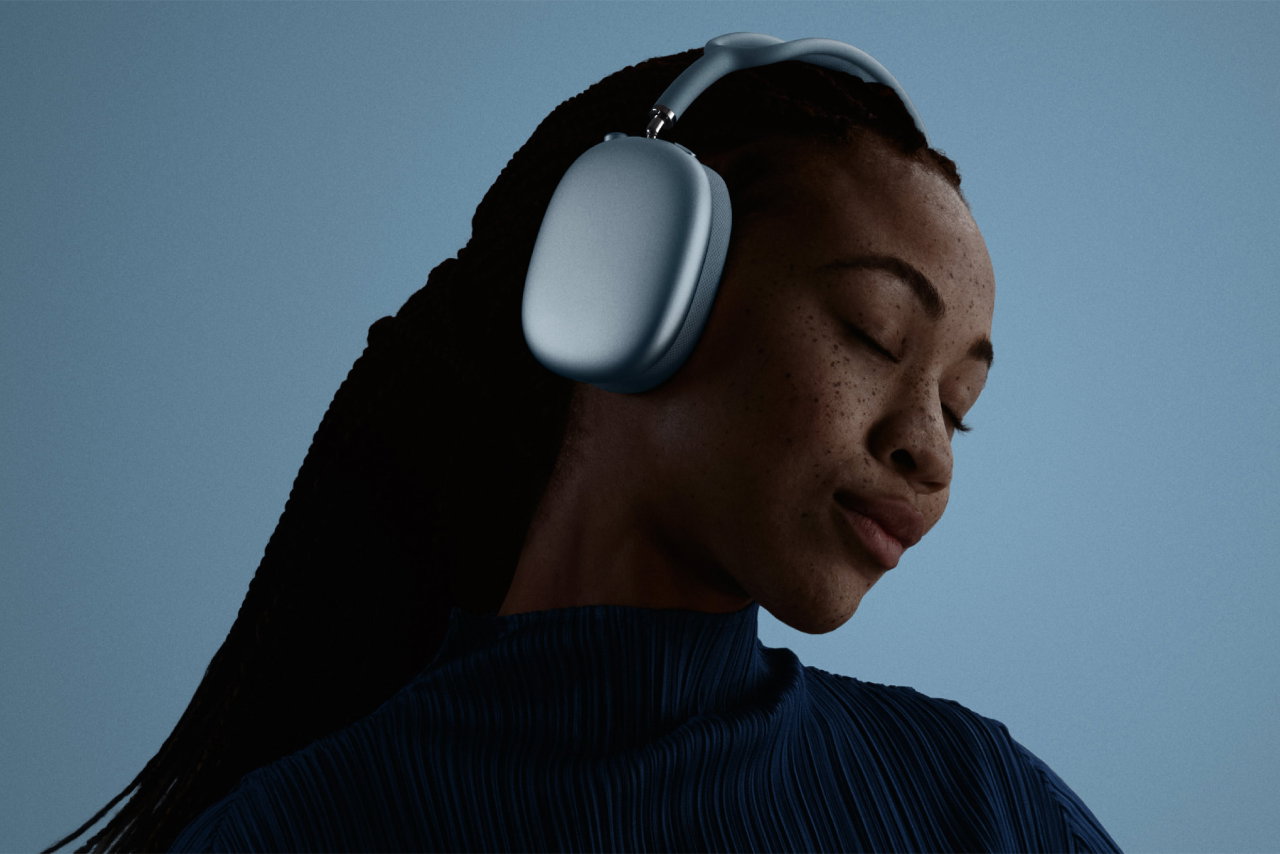
High-Fidelity Audio And Lossless Playback Push Sound Quality Further
AirPods Max 2 also raises the bar for audio quality.
A new high dynamic range amplifier delivers cleaner sound while preserving the original signature users expect. Spatial Audio has been enhanced with better instrument separation, deeper bass consistency, and more natural mids and highs.
For those seeking professional-grade output, the headphones now support 24-bit, 48 kHz lossless audio when connected via USB-C. This unlocks new use cases, especially for musicians and audio professionals working on Logic Pro.
Apple is positioning these headphones beyond casual listening. With ultra-low latency and lossless capabilities, creators can now produce, mix, and edit audio with Personalized Spatial Audio and head tracking, all within a single device.
Adaptive Audio And AI Features Make Listening Smarter
Beyond sound, Apple is pushing intelligence deeper into the listening experience.
AirPods Max 2 introduces Adaptive Audio, which dynamically adjusts noise control levels based on the user’s environment.
Conversation Awareness lowers playback volume when users begin speaking, while Voice Isolation ensures clearer calls by filtering out background noise.
One standout addition is Live Translation, powered by Apple Intelligence, enabling real-time multilingual conversations. Meanwhile, features like Personalized Volume and Loud Sound Reduction ensure a more tailored and safer listening experience over time.
Even Siri interactions are evolving, allowing users to respond with simple head gestures instead of voice commands.
Apple Expands AirPods Max Into A Creator And Productivity Tool
Apple is also targeting creators with new capabilities.
Studio-quality audio recording allows podcasters, singers, and interviewers to capture clearer, more natural sound directly from the headphones.
The addition of a camera remote further expands functionality, letting users control photo and video capture remotely using the Digital Crown.
These features signal Apple’s intent to position AirPods Max 2 as more than just headphones, turning them into a versatile tool for content creation and mobile productivity.
Topics For More Insights
Apple's Sustainability Goals
AirPods Max 2 also aligns with Apple’s broader environmental goals.
The device uses 100 percent recycled rare earth elements, recycled polyester in ear cushions, and recycled materials across circuit boards, while packaging remains fully fiber-based.
