What Is Authentication?
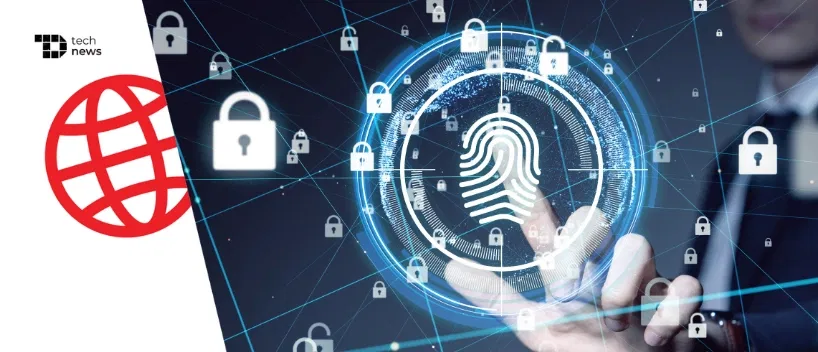
The concept of authentication can be compared to a bouncer at a nightclub checking your identification to ensure that you are who you say you are before allowing you entry. Identity verification is crucial in restricting private data access so only authorized parties can view it. Let's get into some technical details now. Passwords, biometrics, and two-factor authentication are the most widely used user authentication methods, but there are many others (2FA). Passwords are similar to personal secret codes. Your password is stored in an encrypted format on the server, making it unreadable even if a hacker gains access to the database. "biometrics" refers to a person's distinctive physical characteristics, such as fingerprints, face, or voice. Biometric authentication, which relies on these characteristics to verify your identity, is quickly gaining traction in mobile devices like smartphones. As an extra layer of security, 2FA works like having two doormen instead of one. Requiring a second authentication piece (such as a code sent to your phone or an authentication app) in addition to your password increases security. If a hacker obtains this information, it will be much more difficult for them to access your account. The question is, why is authentication so crucial? Since everyone enjoys a good spy story, let's pretend for a moment that you are one. It would be best if you got into a server containing sensitive information, but you don't have permission. It would be trivial to gain unauthorized access to the server by guessing a password or using another form of deception if adequate security measures were not in place. In terms of national security, that's terrible news. To gain access to those files, however, you would need to pass through multiple authentication measures, such as a password, a fingerprint scan, and a security token. That's not easy, even for a professional spy like yourself. Identity verification, or authentication, is crucial for protecting confidential data. Common authentication methods include passwords, biometrics, and two-factor authentication, all of which make it more difficult for hackers to access your accounts. The next time you log in, think of the bouncer (and the authentication process) and how much they've helped you maintain the security of your data.
Related Terms by IT Security
Related White Papers On IT Security








Related Reports On IT Security




Related Video Hub On IT Security

Related News On IT Security






Join Our Newsletter
Get weekly news, engaging articles, and career tips-all free!
By subscribing to our newsletter, you're cool with our terms and conditions and agree to our Privacy Policy.