
Wearable Technology
Inside The New Google Fitbit Edge: 10 Things You Need To Know
Share
TL;DR
-
Google Fitbit Edge launched on October 12, 2026, starting at $179.99 in the United States, with retail availability beginning from October 27.
-
The Fitbit Edge features a 1.34-inch AMOLED display, an aluminum housing, interchangeable straps, and an improved physical side button.
-
Battery life reaches up to seven days, with fast magnetic charging and a replaceable battery designed to support longer device ownership.
-
Built-in GPS, advanced health sensors, and AI-powered activity recognition support exercise tracking, sleep analysis, heart monitoring, and personalized coaching.
-
Compared with the Fitbit Charge 6, the Edge introduces a larger screen, improved GPS, and more advanced activity tracking, but removes NFC-based contactless payments.
Introduction
Remember the movie Back to the Future Part II, when Marty McFly traveled to 2015 and discovered a world filled with futuristic gadgets, self-lacing shoes, and technology that seemed impossible? While flying cars and hoverboards haven't quite become everyday essentials, wearable technology has certainly caught up with some of those futuristic ideas.
Today, a small device on your wrist can monitor your heart rate, track workout, analyze sleep, and offer personalized fitness insights. However, with smartwatches becoming increasingly complex, sometimes all you need is a simple device that does its job well.
That's where the Google Fitbit Edge comes into the picture!
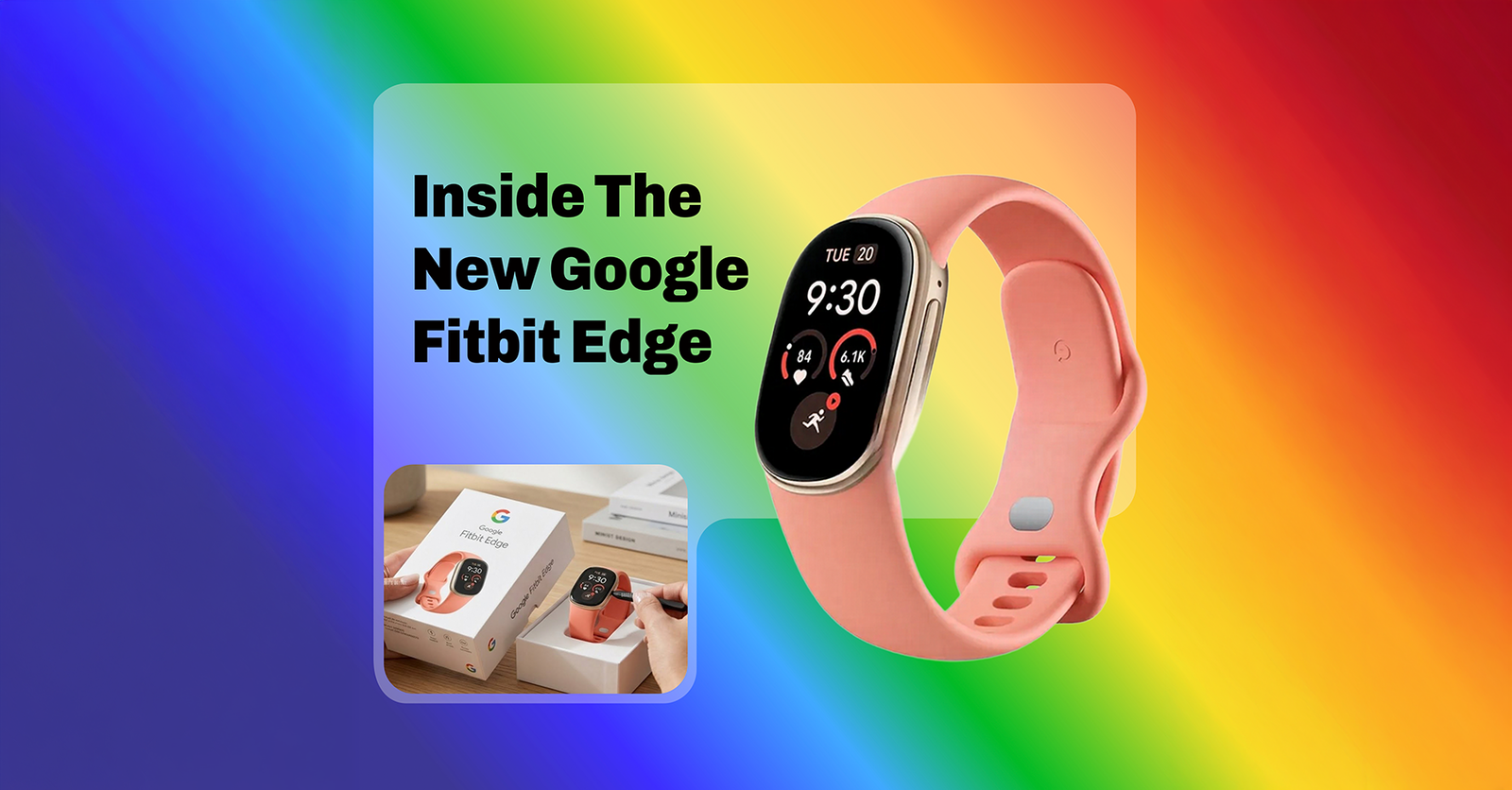
The Fitbit Edge combines advanced health tracking, built-in GPS, a larger AMOLED display, and improved battery life in a compact fitness band. Positioned between basic fitness trackers and premium smartwatches, it aims to offer practical features without unnecessary complexity.
So, what makes this new wearable stand out? From Google Fitbit Edge specs and pricing to battery performance and its comparison with the Fitbit Charge 6, let's explore 10 things you need to know!
1. Google Fitbit Edge Launch Date And Availability
The Google Fitbit Edge launch took place on October 12, 2026, expanding the company's fitness-tracking lineup with a new screen-equipped wearable.
Preorders opened immediately, while general retail availability is scheduled for October 27, 2026.
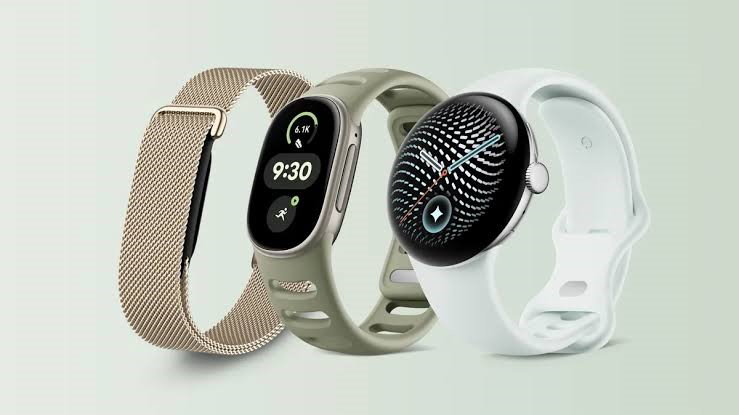
Unlike the screenless Fitbit Air, the Edge provides a full-color display for checking activity statistics, navigating fitness features, and viewing notifications without constantly reaching for a phone.
It sits below the Pixel Watch 5, targeting consumers who want advanced fitness capabilities without paying for a complete smartwatch experience.
The Fitbit Edge also supports Android and iPhone, provided the connected smartphone meets the following requirements:
-
Android 11 or newer
-
iOS 16.4 or newer
-
A Google Account and the Google Health app
Some health features and subscription services may vary depending on the country.
With availability established, the next question is how much buyers will need to spend.
2. Fitbit Edge Price: How Much Does It Cost?
The Fitbit Edge price starts at $179.99 in the United States, making it more affordable than Google's flagship smartwatch lineup while offering considerably more functionality than basic fitness bands.
Google is also introducing a Stephen Curry Special Edition priced at $219.99. Created in collaboration with the basketball star, the special edition features distinctive colors, premium materials, and a customized strap.
For buyers comparing the Google Fitbit Edge cost with other fitness trackers, it's important to consider possible ongoing expenses.
The device includes three months of Google Health Premium, but continued access to certain AI-powered coaching features requires a paid subscription after the promotional period.
Regional pricing and availability may differ, so buyers should verify their local Google Store listing before purchasing.
3. Bigger AMOLED Display And A Slimmer Design
One of the most noticeable Google Fitbit Edge specs is its upgraded display. The tracker features a 1.34-inch AMOLED color screen, offering approximately 46% more viewing area than previous Fitbit trackers.
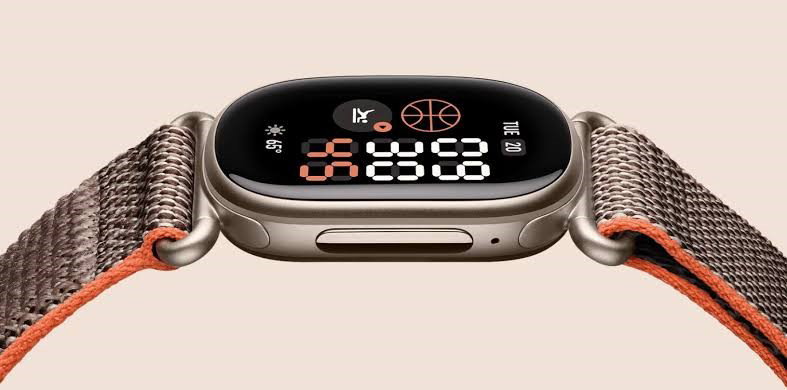
The larger screen makes it easier to read workout metrics, check notifications, and access health information while moving. Despite the display upgrade, the device remains compact.
Its aluminum body measures approximately 11.58 mm thick and weighs just 17.7 grams without the strap. Google has also introduced a redesigned physical side button that offers tactile feedback. This is particularly useful during workouts when navigating a touchscreen can become inconvenient.
The Fitbit Edge is available in four standard color combinations, including Obsidian, Fog, Olive, and Canyon, with interchangeable bands for personalization. The design combines the simplicity of a fitness band with some of the visual convenience associated with smartwatches.
However, its capabilities go beyond appearance.
4. Google Fitbit Edge Battery Life: Up To Seven Days
Battery performance remains one of the strongest reasons to choose a dedicated fitness tracker over a smartwatch. The Google Fitbit Edge battery life is rated at up to seven days on a single charge under specified usage conditions.
That means users could potentially track daily activities, nighttime sleep, and several workout sessions without charging every day.
Here are the key battery specifications:
| Battery Feature | Specifications |
| Battery capacity | 65 mAh |
| Maximum advertised battery life | Up to 7 days |
| Always-on display usage | Approximately 2 days |
| Full charging time | About 90 minutes |
| Fast charging | Up to 1 day of use in 5 minutes |
| Charging method | Magnetic USB-C cable |
Actual battery performance depends on GPS use, screen settings, notifications, and other enabled features. More interestingly, the Fitbit Edge introduces a replaceable battery through a modular internal design.
This makes it Google's first repairable Fitbit fitness tracker and could help extend the device's usable lifespan. However, replacement requires following the supported repair process. The battery isn't intended to be casually swapped like a standard watch battery.
For users concerned about long-term durability, that could be an added advantage.
5. Does The Google Fitbit Edge Have Built-In GPS?
Yes, the Google Fitbit Edge comes with built-in GPS, allowing users to record outdoor workout routes without carrying a smartphone. Google claims its upgraded GPS system delivers up to 40% better tracking accuracy than previous generations.
The improvement comes from an updated GPS chipset and changes to the device's aluminum housing. This could be particularly useful for runners, cyclists, and people who regularly exercise outdoors.
The tracker also includes an integrated altimeter to measure elevation changes during activities such as hill running, hiking, and stair climbing. For users who frequently train outdoors, accurate location and elevation information can help provide a more complete picture of workout performance.
However, the advertised accuracy improvement is based on Google's testing. Real-world GPS performance may differ depending on buildings, terrain, and environmental conditions. Location tracking is only part of the story, though. The Fitbit Edge also introduces expanded exercise-monitoring capabilities.
6. AI-Powered Workout Tracking Gets Smarter
Forgetting to start workout tracking is a familiar problem. You finish a long walk or cycling session, only to realize your fitness tracker didn't record it as a workout. The Fitbit Edge aims to reduce that frustration through improved automatic activity recognition.
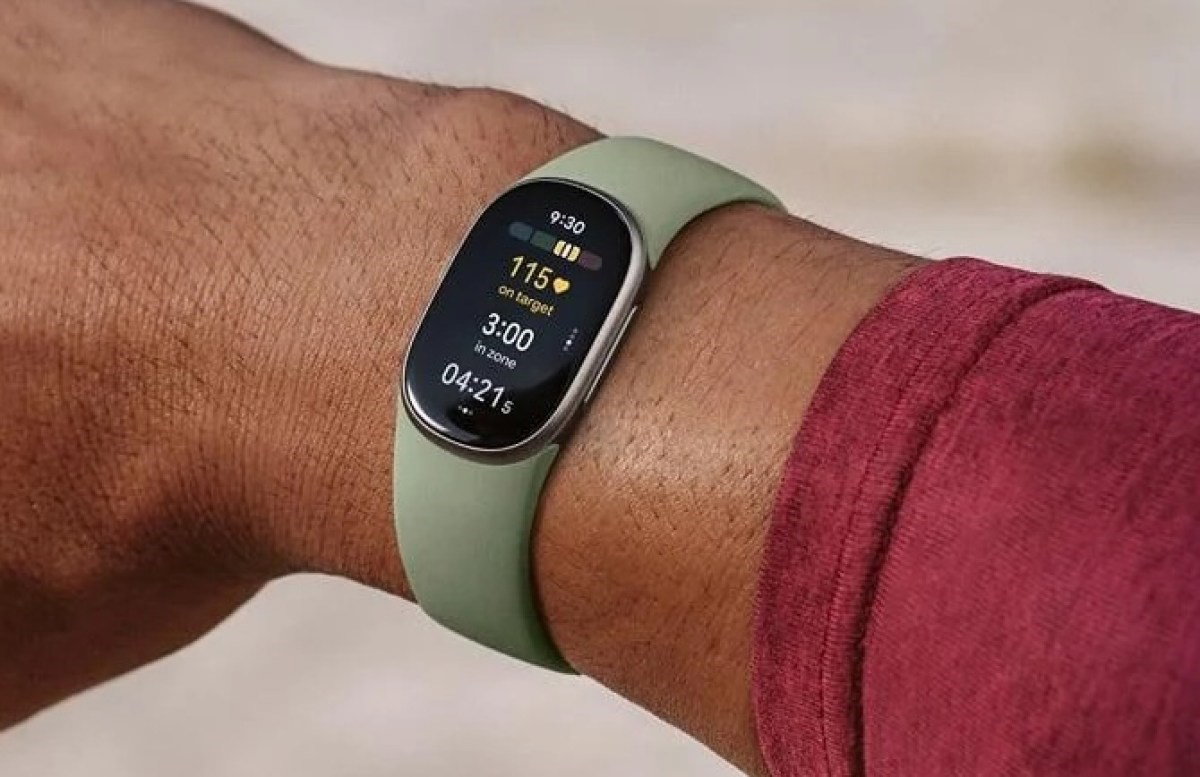
It can recognize and categorize up to 100 types of physical activities, using AI-powered contextual analysis to identify what the wearer is doing. The device also provides more than 50 on-device exercise modes, including running, cycling, Pilates, and high-intensity interval training.
During workouts, users can view useful measurements such as:
-
Heart rate zones and exercise intensity
-
Running pace and split times
-
Distance and elevation changes
-
Active Zone Minutes and Cardio Load
-
Real-time workout guidance
These capabilities could make exercise tracking more convenient, especially for people following varied fitness routines. The distinction between automatic recognition and manually selected exercise modes is crucial. Not every automatically detected activity necessarily offers the same detailed tracking options.
Beyond exercise, Google is also placing greater emphasis on understanding overall health and recovery.
7. Advanced Health Sensors Offer Deeper Wellness Insights
The Fitbit Edge includes several sensors designed to monitor different aspects of physical health. These include optical heart rate sensors, electrical sensors compatible with the ECG app, blood oxygen sensors, and skin temperature monitoring.
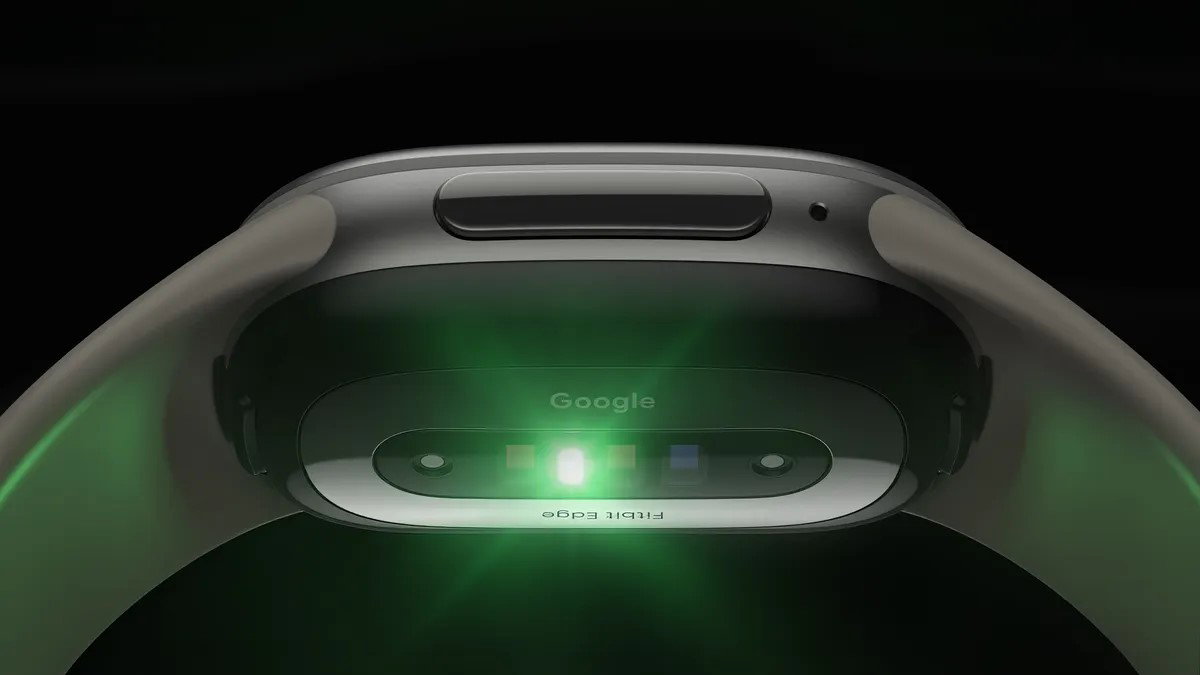
Together, they support features such as continuous heart rate tracking, sleep analysis, heart rhythm assessments, and recovery insights. The device also introduces Health Guardian capabilities that identify longer-term changes in wellness patterns.
For example, supported features can provide insights into blood pressure and insulin resistance trends. However, there's a critical distinction here.
The Fitbit Edge does not directly replace a blood pressure monitor or medical diagnostic equipment. Its trend-based insights are intended for general wellness awareness and should not be used to diagnose conditions or make treatment decisions.
Certain features, including ECG and advanced health monitoring, are also subject to regional availability and eligibility requirements. These sensors provide valuable information, but Google's broader ambition is to turn that information into personalized recommendations.
8. Google Health Coach Brings AI Into Everyday Fitness
Another major addition is integration with Google Health Coach, an AI-powered wellness assistant that provides personalized guidance based on available health and activity information.
Rather than simply presenting workout numbers, the system aims to help users understand what those numbers mean for their fitness goals. For example, someone preparing for a marathon could receive exercise recommendations based on recent activity, recovery patterns, and training objectives.
The assistant can also adjust workout plans around changing schedules and provide context for shifts in health trends. These capabilities introduce a more personalized approach to fitness tracking.
However, Google Health Coach requires Google Health Premium, and its recommendations are not a substitute for professional medical advice. AI-generated guidance can also be inaccurate or unsuitable for individual circumstances.
The Fitbit Edge therefore works best as a wellness companion that supports informed choices, rather than an automated health authority.
9. Fitbit Edge Vs. Fitbit Charge 6: What's Different?
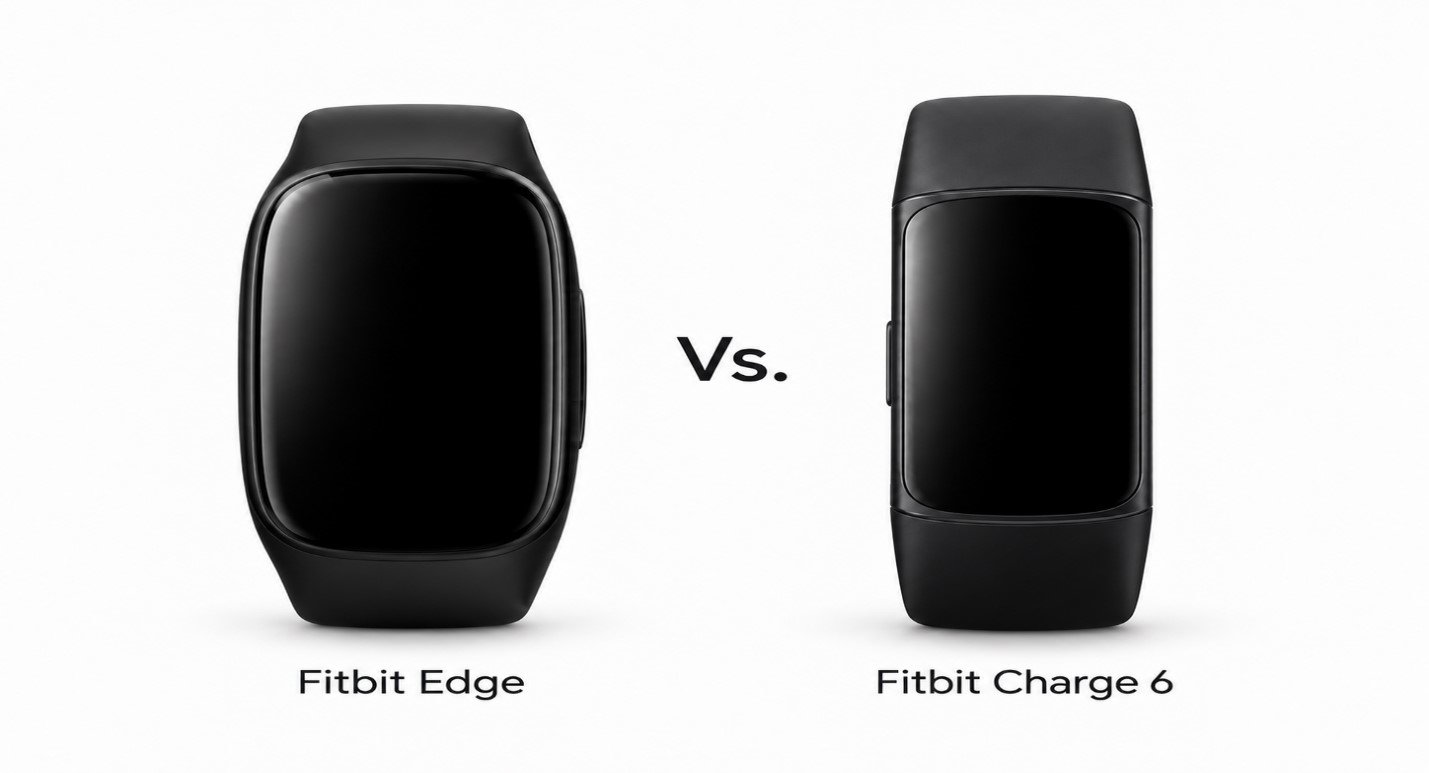
For existing Fitbit users, one of the biggest questions is whether the Edge offers enough improvements to justify upgrading. The Fitbit Edge vs. Fitbit Charge 6 comparison reveals meaningful changes, alongside a few compromises.
| Feature | Fitbit Edge | Fitbit Charge 6 |
| Display | 1.34-inch AMOLED | Smaller AMOLED |
| Battery Life | Up to 7 days | Up to 7 days |
| Built-in GPS | Yes, upgraded | Yes |
| ECG Support | Yes | Yes |
| Elevation Tracking | Integrated altimeter | No dedicated altimeter |
| Automatic Activity Recognition | Up to 100 activities | Limited |
| Battery Replacement | Replaceable design | Not designed for battery replacement |
| Contactless Payments | No NFC | Google Wallet support |
| US Launch Price | $179.99 | $159.95 |
The Edge offers a larger screen, improved GPS performance, expanded automatic activity recognition, and a more repairable design. These improvements could appeal to users who prioritize outdoor fitness, workout data, and everyday convenience.
However, the absence of NFC means the Fitbit Edge cannot replace the Charge 6 for contactless payments. That trade-off could matter to users who regularly rely on Google Wallet during workouts or everyday errands.
So, should existing Charge 6 owners upgrade? For users satisfied with their current tracking capabilities, the improvements may not be essential. However, those wanting a larger display, updated sensors, and improved GPS could find the Edge more appealing.
10. Fitbit Edge Offers Smart Features Without Becoming A Full-Fledged Smartwatch
The Fitbit Edge isn't intended to replace the Pixel Watch. Instead, it provides selected smartwatch conveniences while keeping health and fitness tracking at the center.
Users can access Google Maps guidance, weather updates, smartphone notifications, alarms, timers, and media controls. The interface also includes customizable watch faces and tiles for quickly accessing crucial information.
Topics For More Insights:
However, the device doesn't offer the same app ecosystem or communication capabilities as a full smartwatch. It lacks a built-in microphone, speaker, and NFC support, limiting features such as wrist-based calling and contactless payments.
That makes its positioning particularly interesting. The Fitbit Air serves users who prefer screenless fitness tracking, while the Pixel Watch 5 targets those wanting broader smartwatch functionality.
The Fitbit Edge sits between them, offering enough display-based interaction for everyday convenience without introducing the complexity of a full smartwatch. For many fitness-focused users, that balance may be its biggest selling point.
Conclusion
The Google Fitbit Edge brings a larger AMOLED display, improved GPS, AI-powered activity tracking, advanced health sensors, and a replaceable battery to everyday fitness tracking. It bridges the gap between basic fitness bands and premium smartwatches.
While missing features like contactless payments and requiring subscriptions for advanced coaching, it remains a promising option for fitness enthusiasts. With real-world performance yet to be tested, the Fitbit Edge could make fitness tracking smarter, simpler, and more convenient.
Frequently Asked Questions
What Is The Google Fitbit Edge Price And Release Date?
The Google Fitbit Edge starts at $179.99 in the United States. It was announced on October 12, 2026, with preorders opening immediately and retail availability scheduled for October 27. A Stephen Curry Special Edition costs $219.99.
Does The Google Fitbit Edge Have Built-In GPS?
Yes. The Fitbit Edge includes built-in GPS for tracking outdoor activities without a smartphone. Google claims the upgraded hardware offers up to 40% better GPS tracking accuracy than previous generations.
How Long Does The Google Fitbit Edge Battery Last?
The Fitbit Edge offers up to seven days of battery life under specified conditions. Battery life can fall to approximately two days with the always-on display enabled. It also supports fast magnetic charging and features a replaceable battery design.
Wed, Oct 14, 2026

Liked what you read? That’s only the tip of the tech iceberg!
Explore our vast collection of tech articles including introductory guides, product reviews, trends and more, stay up to date with the latest news, relish thought-provoking interviews and the hottest AI blogs, and tickle your funny bone with hilarious tech memes!
Plus, get access to branded insights from industry-leading global brands through informative white papers, engaging case studies, in-depth reports, enlightening videos and exciting events and webinars.
Dive into TechDogs' treasure trove today and Know Your World of technology like never before!
Disclaimer - Reference to any specific product, software or entity does not constitute an endorsement or recommendation by TechDogs nor should any data or content published be relied upon. The views expressed by TechDogs' members and guests are their own and their appearance on our site does not imply an endorsement of them or any entity they represent. Views and opinions expressed by TechDogs' Authors are those of the Authors and do not necessarily reflect the view of TechDogs or any of its officials. While we aim to provide valuable and helpful information, some content on TechDogs' site may not have been thoroughly reviewed for every detail or aspect. We encourage users to verify any information independently where necessary.
Loading comments...