
Computing
Top 5 Quantum Computing Software Of 2026
Share
TL;DR
-
IBM Qiskit: Offers a modular, open-source framework with an AI-powered code assistant for easy circuit creation.
-
Amazon Braket: Provides a unified development environment to test algorithms across various quantum hardware providers on AWS.
-
Azure Quantum: Delivers a robust cloud platform featuring the Q# language and seamless integration with AI services.
-
Strawberry Fields: A specialized Python library designed for building and simulating programs on photonic quantum hardware.
-
Entropica Labs: Focuses on critical error correction tools and algorithms to make quantum systems more stable for industry.
Introduction
The term quantum computing often brings to mind images of Ant-Man navigating the surreal Quantum Realm or perhaps a confusing storm of scientific jargon. If you lean toward the latter, think of it this way: a traditional computer is like a librarian who reads every book one by one, while a quantum computer is like one that can read every book in the library at the same time.
While fully mature quantum systems may still be years away, the technology is already creating real-world impact. From strengthening cryptography and accelerating drug discovery to transforming machine learning, quantum computing is steadily moving from theory to application.
As businesses and researchers invest heavily to prepare for a future shaped by quantum mechanics, early adopters stand to gain a significant competitive edge. If your industry depends on complex problem-solving and large-scale computation, now is the time to pay attention.
Here is our curated list of the Top 5 Quantum Computing Software of 2026 to help you stay ahead of the revolution. Read on!
What Is Quantum Computing Software?
Quantum Computing Software is a digital solution that allows users to design, simulate, and execute quantum algorithms without directly managing the complexities of quantum hardware. Acting as the operational layer between quantum systems and users, these platforms provide tools for programming, testing, debugging, and optimizing quantum applications with greater efficiency.
Many platforms also support hybrid environments where classical and quantum systems work together, making experimentation more practical for businesses and researchers alike. As quantum technology continues to evolve, the software is becoming just as important as the hardware itself.
That is why we have curated the Top 5 Quantum Computing Software of 2026 that are helping organizations turn quantum concepts into practical outcomes.
Top 5 Quantum Computing Software Of 2026
Well, quantum computing might just be the future, and every business wants to be prepared for the quantum revolution. If you’re one of them, read on to find the Top 5 Quantum Computing Software of 2026!
 |
 |
 |
 |
 |
IBM Quiskit: Best Overall
Returning to this year’s lineup, IBM Qiskit is one of those platforms that continues to show up for a reason. Developed by IBM, it gives developers and businesses a practical way to explore quantum computing without needing to build everything from scratch. The IBM Quantum System Two, which works alongside Qiskit, was recognized with a D&AD Pencil Award for Technological Innovation in 2024. It shows IBM is building both the tools and the systems to make quantum computing more practical.
Why We Chose IBM Qiskit In 2026
IBM Qiskit stands out for how approachable it makes quantum development. It gives users a solid set of tools to design, test, and run quantum programs on real hardware, without feeling overwhelmed. Its modular setup also means you can build and tweak applications your way, rather than being locked into a rigid system. On top of that, it supports a range of compute options, including GPUs, QPUs, and CPUs, and even includes an AI-powered Code Assistant to help speed up circuit creation.
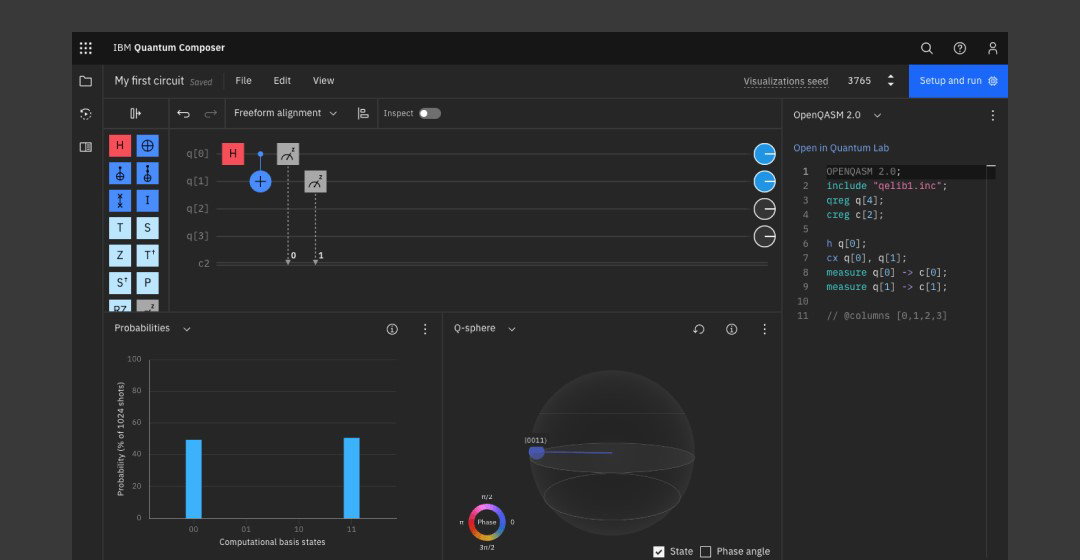
Another reason it gets attention is the ecosystem around it. Supported by IBM, Qiskit benefits from an active open-source community, detailed documentation, and smooth integration with the IBM Quantum Experience and IBM’s quantum hardware. It all comes together to make experimenting with quantum computing feel a lot more accessible.
Pricing
IBM Qiskit offers a free plan with up to 10 minutes of runtime per month. Beyond that, there’s a pay-as-you-go option starting at $96 per minute, or a Flex Plan with prepaid usage from $72 per minute for larger, project-based needs.
What Works And What Doesn’t
| Pros | Cons |
| Open-source access | Limited hardware access |
| Strong support resources | Third-party issues |
| Quantum-safe security | Access delays |
Our Final Take
IBM Qiskit is a strong fit for developers, researchers, and organizations looking for flexibility in building and testing solutions. It may not suit users who need fully stable and uninterrupted hardware access. Overall, it’s a great option if you want to explore, develop, and scale quantum applications over time.
Amazon Braket: Best For Scalability
New to this year’s list, Amazon Braket is helping a wide range of users, from startups and enterprises to research teams, explore quantum computing more easily. It brings different quantum computers and simulators together in one place, so everything can be built and tested using a single set of tools. Running on a managed cloud setup, it keeps pricing and workload control simple for both quantum and classical tasks. This is how Amazon Braket offers a practical way for teams to start experimenting with quantum computing without heavy setup or complexity.
Why We Chose Amazon Braket In 2026
Amazon Braket brings everything together in one place, from access to different quantum computers, built-in simulators, to a single development environment on AWS. There’s no need to deal with heavy infrastructure management when you can build, test, and run quantum algorithms in a structured, consistent way. The Amazon Braket SDK technology helps simplify the process of designing and running algorithms, so you don’t have to worry about differences between hardware. Everything works within a managed AWS setup, which lets teams focus more on experimenting and less on the backend complexity.
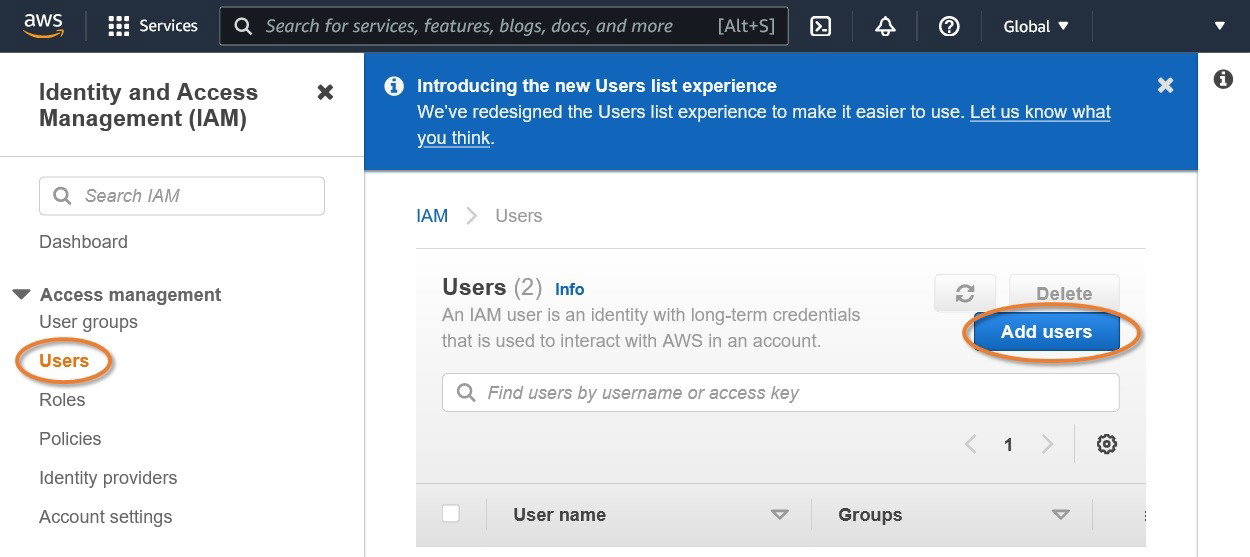
You can move between simulators and real quantum hardware with just small code changes, which makes testing far easier. It also supports hybrid quantum-classical jobs, managed notebooks, and integrations with tools like PennyLane for more advanced workflows. From learning basics to running research-level experiments, Amazon Braket gives users a practical and flexible way to explore quantum computing without getting overwhelmed by the complexity.
Pricing
Amazon Braket follows a pay-as-you-go model, so businesses can pay only for what they use. They can contact the AWS team for a customized quote. Alongside this, AWS offers Private Pricing, which provides discounts and benefits in exchange for a longer-term commitment across 200+ eligible services, available through AWS or its partners.
What Works And What Doesn’t
| Pros | Cons |
| Unified SDK | Noisy hardware |
| Budget controls | Queue delays |
| Expert support access | Scaling limits |
Our Final Take
Amazon Braket is suited for enterprises, research teams, and developers exploring quantum computing on a cloud-based, hardware-agnostic platform. It may not fit teams outside AWS or those needing fully fault-tolerant systems. Overall, it’s a good choice for organizations looking to experiment and build for the future within a trusted cloud environment.
Azure Quantum: Best For Integration
Microsoft's Azure Quantum is back again, as part of the Microsoft Azure cloud ecosystem. It’s a cloud-based platform that lets users explore quantum computing using access to advanced quantum hardware and logical qubits, all within a familiar Azure setup. In November 2024, it gained attention for creating 24 entangled logical qubits using CNOT operations, marking a major quantum computing milestone.
Why We Chose Azure Quantum In 2026
Azure Quantum blends high-performance computing and AI with quantum technologies to make it easier for teams to experiment without having to build everything from the ground up. Its hybrid approach is a key strength, allowing users to combine quantum and classical computing depending on what the problem needs. It also supports different quantum systems, including trapped ions, superconducting qubits, and topological qubits, which add flexibility across use cases.
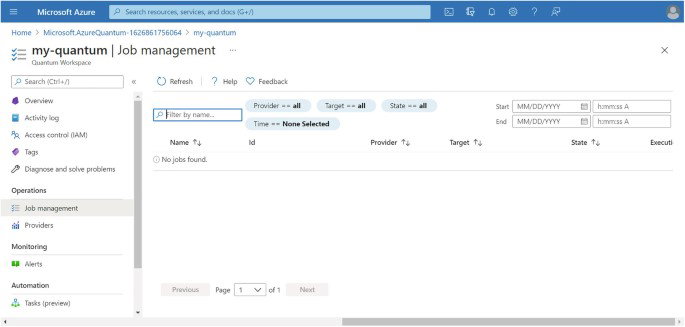
On the development side, Azure Quantum comes with a solid toolkit built around Q#, a high-level programming language designed for quantum workflows. Along with that, it offers pre-built libraries and smooth integration with Azure’s AI and machine learning services, helping bridge quantum experiments with real-world applications. Overall, Azure Quantum feels like a practical space to explore quantum computing while staying closely connected to the wider Azure ecosystem.
Pricing
Azure Quantum offers a free trial and a consumption-based pricing model, so you only pay for the cloud resources you use and can scale as needed. For steady usage, you can also reduce costs with commitment options like Azure Reservations and the Azure Savings Plan for compute.
What Works And What Doesn’t
| Pros | Cons |
| Hybrid computing | Limited hardware access |
| Easy to use | Complex workflows |
| Scalable platform | Integration issues |
Our Final Take
Azure Quantum can be used by those who want to explore quantum computing through a cloud setup with tools like Q#, simulators, and hybrid computing. It may not suit users looking for simple systems or just starting out due to its technical depth. If you want to experiment and build within the Azure ecosystem with scalable cloud support, then Azure Quantum is a great fit.
Topics For More Insights
Strawberry Fields: Best Customization
Strawberry Fields is back on our list this year, developed by Toronto-based Xanadu, a team working in photonic quantum computing. It’s a Python-based library that helps users build, test, and run quantum programs on photonic hardware in a more straightforward way, without making the process overly complex. In 2023, it was also named a Technology Pioneer by the World Economic Forum, recognizing its growing role in the quantum computing space.
Why We Chose Strawberry Fields In 2026
Built as a Python-based library, Strawberry Fields helps users develop quantum machine learning models and run quantum simulations in a more structured way. The platform also comes with ready-to-use applications, detailed documentation, and smooth integration with Xanadu’s quantum hardware and cloud services.
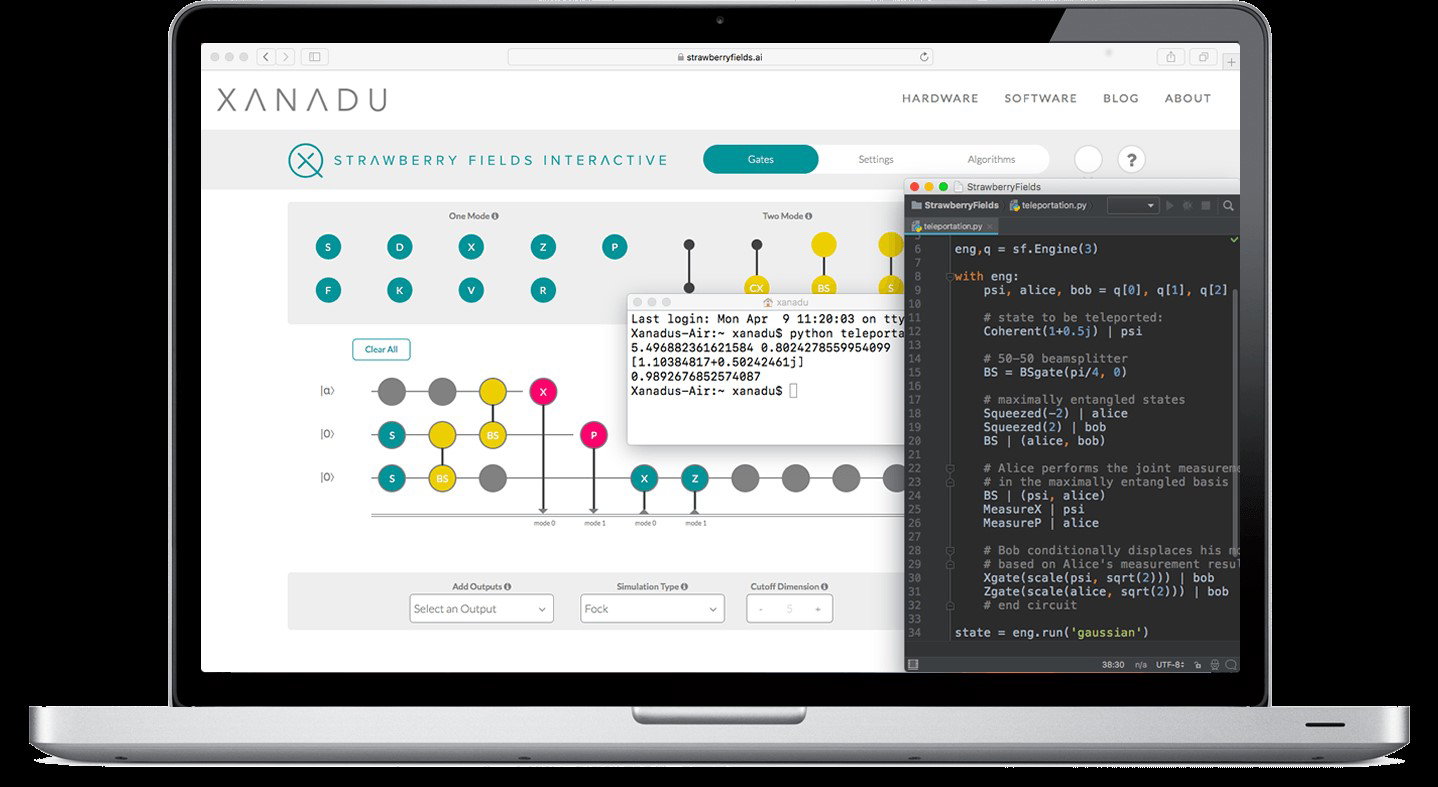
It further extends its usability through high-level quantum functions for practical problem-solving and support for TensorFlow, making it easier to work at the intersection of quantum and machine learning. This combination makes it especially useful for experimenting with photonic-based quantum workflows in a more practical setup, while also supporting faster prototyping and smoother experimentation for developers exploring new quantum approaches.
Pricing
While exact pricing details aren’t publicly available, Strawberry Fields does offer a free community edition for getting started, along with a paid plan that unlocks advanced features and access to quantum hardware.
What Works And What Doesn’t
| Pros | Cons |
| Easy integration | Limited compatibility |
| Strong documentation | Narrow system support |
| Developer friendly | Hardware dependency |
Our Final Take
Strawberry Fields is best suited for developers and researchers working on photonic quantum computing and quantum machine learning who want a structured environment for building and testing applications. It may not be ideal for those needing broader quantum system support beyond photonics due to its specialized focus. If you want to explore quantum workflows in this niche area, Strawberry Fields is a good choice.
Entropica Labs: Best For Enterprise
Entropica Labs makes its comeback this year. Entropica Labs is working to make quantum computing more accessible for real-world use. Instead of focusing only on theory, it builds models, algorithms, and tools that help industries actually experiment with and apply quantum technology. In 2024, the startup also gained strong backing, including the Startup SG Tech grant from Enterprise Singapore and a $5.5 million investment from State Farm Ventures, highlighting growing confidence in its work within the quantum computing space.
Why We Chose Entropica Labs In 2026
Entropica Labs is built around one of the toughest challenges in quantum computing today, which is error correction. Its software helps researchers, developers, and hardware teams design error correction codes, add QEC logic, and run quantum programs in a more stable and reliable way. The goal is to make quantum systems less fragile and more practical for real-world use.
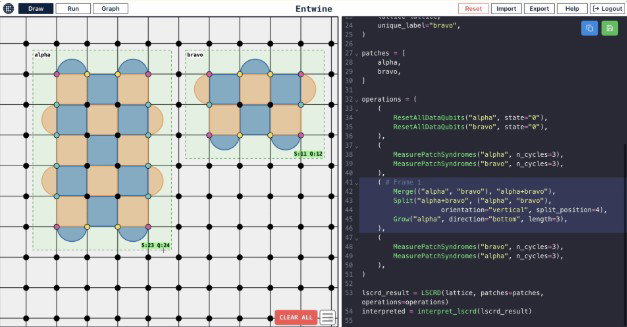
It also works smoothly with existing quantum platforms, so teams don’t need to change their setup. With ready-to-use algorithms, it supports real applications across logistics, insurance, and finance. On top of that, its ability to simulate quantum behavior on classical systems makes it easier for startups and research teams to experiment without heavy hardware costs.
Pricing
Entropica Labs doesn’t publicly share exact pricing, but its model is typically project-based. It also offers flexible subscription options for startups, along with custom enterprise plans designed for larger organizations with more complex needs.
What Works And What Doesn’t
| Pros | Cons |
| Easy integration | Limited support |
| Practical algorithms | Weak documentation |
| Useful permutations | Narrow guidance |
Our Final Take
Entropica Labs is best suited for hardware teams, researchers, and developers looking to design error correction codes and build fault-tolerant quantum applications for real-world use. It may not be ideal for nontechnical users due to limited support and documentation, but a strong choice if you want practical quantum tools with integration into existing systems.
Top 5 Quantum Computing Software Comparison
Choosing the right Quantum Computing Software isn’t always simple. This guide compares the top 5 platforms in 2026, highlighting their key features, strengths, and ideal use cases to help you explore, build, and scale quantum applications with confidence.
P.S.: Always remember to visit the vendor's site for the latest information!
| Criteria |  |
 |
 |
 |
 |
| Starting Price | $96/minute | NA | NA | NA | NA |
| Avg. User Rating | 4.2 | 4.6 | 4.6 | NA | 4.0 |
| Free Trial/Demo | NA | NA | 30 Days | NA | NA |
| Key Features | Modular development, real hardware access, and an AI code assistant | Unified SDK, hardware access, and hybrid workflows | Hybrid computing, multiple hardware, and Q# toolkit | Photonic computing, Python library, and ML integration | Quantum stability, ready algorithms, and system integration |
| Integrations | Q-CTRL, QunaSys, QEDMA, and more |
Qatalyst, Discord, Jupyter AI, and more | Classiq, Photonic Inc, Cirq, and more |
PennyLane, TensorFlow, PyTorch, and more |
IonQ, Rigetti computing, Quobly, and more |
Wrapping Up
Quantum computing might still feel like a glimpse into the future, but as this list shows, it’s already taking shape in practical ways. From flexible development platforms to specialized tools tackling error correction and photonic systems, each solution brings something unique to the table.
The real takeaway is there's no one-size-fits-all here; just different paths depending on what you want to explore or build. Whether you're experimenting, researching, or planning long-term innovation, these platforms offer a solid starting point.
The space is evolving fast, and getting familiar with these tools now could put you one step ahead. That's because in quantum, the future isn’t coming; it’s already computing!
Frequently Asked Questions
Which Are The Top Quantum Computing Software Of 2026?
The top Quantum Computing Tools of 2026 include IBM Qiskit, Amazon Braket, Azure Quantum, Strawberry Fields, and Entropica Labs. Each offers different strengths, from cloud access to specialized quantum workflows.
Who Can Use Quantum Computing Software?
Quantum Computing is mainly used by developers, researchers, and enterprises exploring advanced problem-solving. However, many platforms now offer beginner-friendly tools and make it easier for learners to get started.
Why Is Quantum Computing Software Important?
Quantum Computing Software makes quantum technology usable by providing structure and tools to build real applications. Without it, working directly with quantum hardware would be far more complex and limited.
Tue, Apr 28, 2026

Enjoyed what you've read so far? Great news - there's more to explore!
Stay up to date with the latest news, a vast collection of tech articles including introductory guides, product reviews, trends and more, thought-provoking interviews, hottest AI blogs and entertaining tech memes.
Plus, get access to branded insights such as informative white papers, intriguing case studies, in-depth reports, enlightening videos and exciting events and webinars from industry-leading global brands.
Dive into TechDogs' treasure trove today and Know Your World of technology!
Disclaimer - Reference to any specific product, software or entity does not constitute an endorsement or recommendation by TechDogs nor should any data or content published be relied upon. The views expressed by TechDogs' members and guests are their own and their appearance on our site does not imply an endorsement of them or any entity they represent. Views and opinions expressed by TechDogs' Authors are those of the Authors and do not necessarily reflect the view of TechDogs or any of its officials. While we aim to provide valuable and helpful information, some content on TechDogs' site may not have been thoroughly reviewed for every detail or aspect. We encourage users to verify any information independently where necessary.
Loading comments...