
Computing
Top 5 Edge Computing Platforms Of 2026
Share
TL;DR
-
AWS IoT Greengrass: Addresses cloud dependency by enabling local IoT data processing and offline operation.
-
NVIDIA Jetson Platform: Handles high-latency AI processing by bringing powerful AI computation directly to edge devices.
-
Microsoft Azure IoT Edge: Simplifies centralized control with scalable, secure cloud-to-edge management.
-
Google Distributed Cloud: Overcomes data sovereignty and latency challenges by running workloads locally or in disconnected environments.
-
Cisco Edge Intelligence: Manages complex IoT data flows by filtering and securely routing edge data to enterprise systems.
Introduction
Have you ever calculated 1+1 on a calculator?
You probably haven’t done it intentionally, but many of us still reach for a calculator for simple math out of habit. Unlock your phone, open the app, type in the numbers, and wait for an answer your brain could have solved in seconds. It’s a small example of making a simple task more complicated than it needs to be.
Many businesses handle data in a similar way. Information generated by devices often travels all the way to centralized cloud servers for processing, even when faster decisions could be made much closer to where the data is created. That delay can impact performance, especially in industries that rely on real-time responses.
Edge computing platforms solve this by processing data closer to its source. This reduces latency, improves efficiency, and helps businesses act on critical information faster.
We’ve curated the Top 5 Edge Computing Platforms of 2026, but before we explore the list, let’s understand what edge computing platforms actually do and why they matter.
What Is An Edge Computing Platform?
An Edge Computing Platform is a technology framework that facilitates data analytics and processing to happen in the proximity where the data is generated. It could be close to edge servers or local systems, instead of aligning with unified cloud servers.
By bringing computation close to the edge of networks, these platforms foster real-time responsiveness, reduce latency, and minimize the demand for transmitting large data volumes over longer distances.
Edge computing platforms consist of software, hardware, and networking configurations that work in unison to process, manage, and secure data locally. This makes them extremely valuable for applications like autonomous systems, IoT, smart infrastructure, and industrial automation.
If your business is struggling with data processing infrastructure, we have researched and handpicked some of the best edge computing platforms of 2026 that would best resonate with your work compatibility.
Top 5 Edge Computing Platforms of 2026
Each platform on this list offers a different approach to real-time data processing, scalability, and distributed infrastructure management. Here are the top edge computing platforms businesses should consider in 2026.
 |
 |
 |
 |
 |
AWS IoT Greengrass: Best Overall
AWS IoT Greengrass extends Amazon’s cloud capabilities to edge devices, allowing businesses to run machine learning models, process data locally, and maintain operations even during internet disruptions. It remains widely used across industries that depend on real-time processing and distributed device networks.
Its continued relevance in 2026 comes from its scalability and strong integration with the broader Amazon Web Services ecosystem, making it a popular choice for enterprise edge deployments.
Why We Chose AWS IoT Greengrass In 2026
AWS IoT Greengrass earns its spot for its strong offline capabilities, flexible deployment model, and seamless AWS integration. It supports local data processing, machine learning inference, container workloads, and AWS Lambda execution, helping businesses process information closer to devices while reducing latency.
Its centralized fleet management and over-the-air updates make large-scale deployments easier to manage. On the security side, it includes hardware root-of-trust, encryption, and IAM-based access controls to support enterprise-grade deployments.
Its biggest advantage is scalability. Businesses can deploy and manage applications across large device networks without building separate edge infrastructure from scratch.
Pricing
AWS IoT Greengrass follows a pay-as-you-go pricing model at approximately $0.16 per active core device per month. AWS also offers a free tier for the first three Greengrass Core devices each month for one year, though additional AWS service costs may apply.
What Works And What Doesn’t
| Pros | Cons |
| Low-latency processing | Limited documentation |
| Strong offline functionality | Steep learning curve |
| Enterprise-grade security | Lack of proper support |
Our Final Take
AWS IoT Greengrass delivers the most value for enterprises managing large-scale IoT and operational technology environments where low latency, local processing, and uninterrupted performance are critical. Its deep integration with the broader Amazon Web Services ecosystem also makes it a strong choice for businesses already invested in AWS services. Organizations seeking lightweight, cloud-agnostic platforms or operating smaller edge environments may find other solutions better aligned with their needs.
NVIDIA Jetson Platform: Best AI Features
NVIDIA Jetson Platform is built for businesses that need real-time AI processing directly on edge devices such as drones, robots, autonomous machines, and smart systems. It has built a strong presence in industrial AI and robotics, holding nearly 39% of the edge AI computing market.
Its market relevance remains strong in 2026, supported by multiple innovation recognitions, including CES and Vision Product awards. The launch of Jetson AGX Thor further strengthened its position by introducing supercomputing-level AI performance for edge environments.
Why We Chose NVIDIA Jetson Platform In 2026
NVIDIA Jetson Platform earns its spot for handling complex AI workloads directly on devices without depending heavily on cloud infrastructure. Jetson AGX Thor delivers up to 2070 TFLOPs and significantly improved computing efficiency, making it suitable for advanced workloads such as multi-sensor fusion, generative AI, computer vision, and autonomous decision-making.
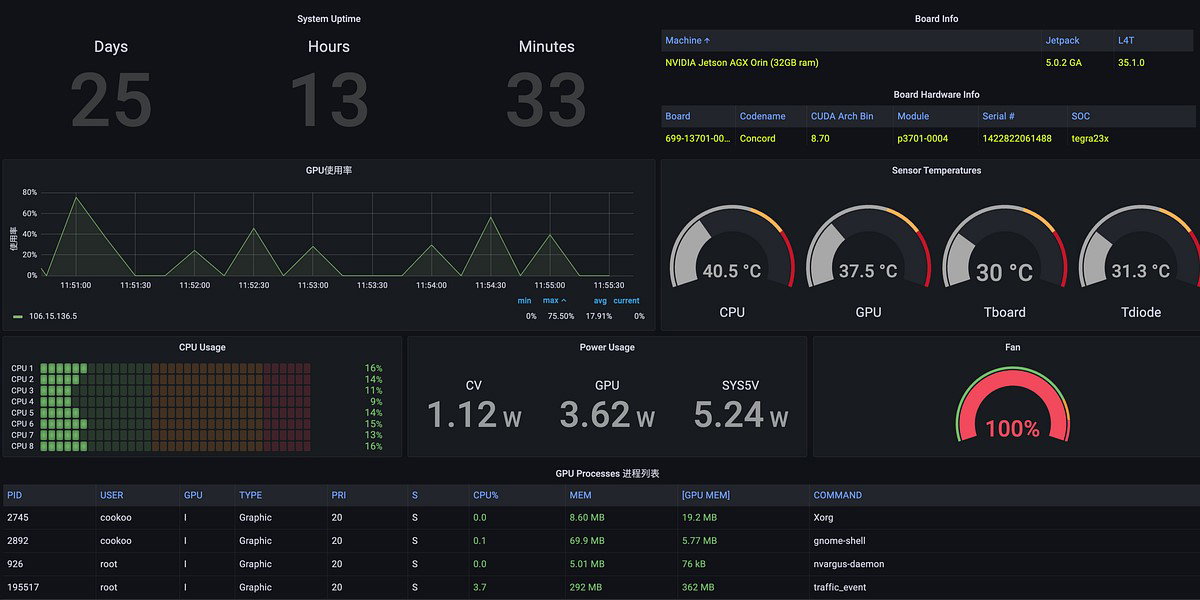
The platform includes high-speed I/O capabilities for sensor-heavy environments, Multi-Instance GPU support for workload isolation, and a centralized software stack that simplifies development and deployment. Its product lineup also ranges from affordable development kits to high-performance enterprise modules, giving businesses flexibility as deployments scale.
Security and reliability remain key strengths through hardware-level protection, thermal optimization, power efficiency, and end-to-end security controls. NVIDIA’s large developer ecosystem and strong documentation further support long-term adoption.
Pricing
NVIDIA Jetson Platform offers flexible pricing based on hardware requirements. Entry-level development kits such as Orin Nano start at approximately $249, while advanced modules like Orin NX and AGX Orin typically range from $375 to over $1,000, depending on performance needs.
What Works And What Doesn’t
| Pros | Cons |
| Strong edge AI performance | Steep learning curve |
| Energy-efficient compute modules | Higher-end models can be expensive |
| Robust developer ecosystem | Limited memory in entry-level devices |
Our Final Take
NVIDIA Jetson Platform delivers strong value for industries such as robotics, manufacturing, automotive, healthcare, surveillance, retail automation, and smart cities, where real-time AI processing is critical. Its ability to handle computer vision, autonomous systems, and intelligent automation workloads makes it a strong choice for AI-first deployments. Businesses focused on general IoT orchestration or large-scale AI training may prefer alternative platforms.
Microsoft Azure IoT Edge: Best Customization
Microsoft Azure IoT Edge extends cloud intelligence directly to IoT devices, allowing businesses to run analytics, AI models, and business logic closer to where data is generated. Its local processing capabilities help reduce latency while keeping systems operational during connectivity disruptions.
Its enterprise presence continues to grow across industries such as manufacturing, analytics, and digital transformation. As part of the broader Microsoft ecosystem, it also benefits from strong market credibility, including recognition such as Frost & Sullivan’s IoT Platform of the Year award.
Why We Chose Microsoft Azure IoT Edge In 2026
Microsoft Azure IoT Edge earns its spot for giving businesses greater flexibility in how they deploy and manage edge workloads. It allows organizations to customize deployments by running containerized applications, analytics tools, and AI models directly on edge devices while maintaining centralized control through Microsoft Azure.
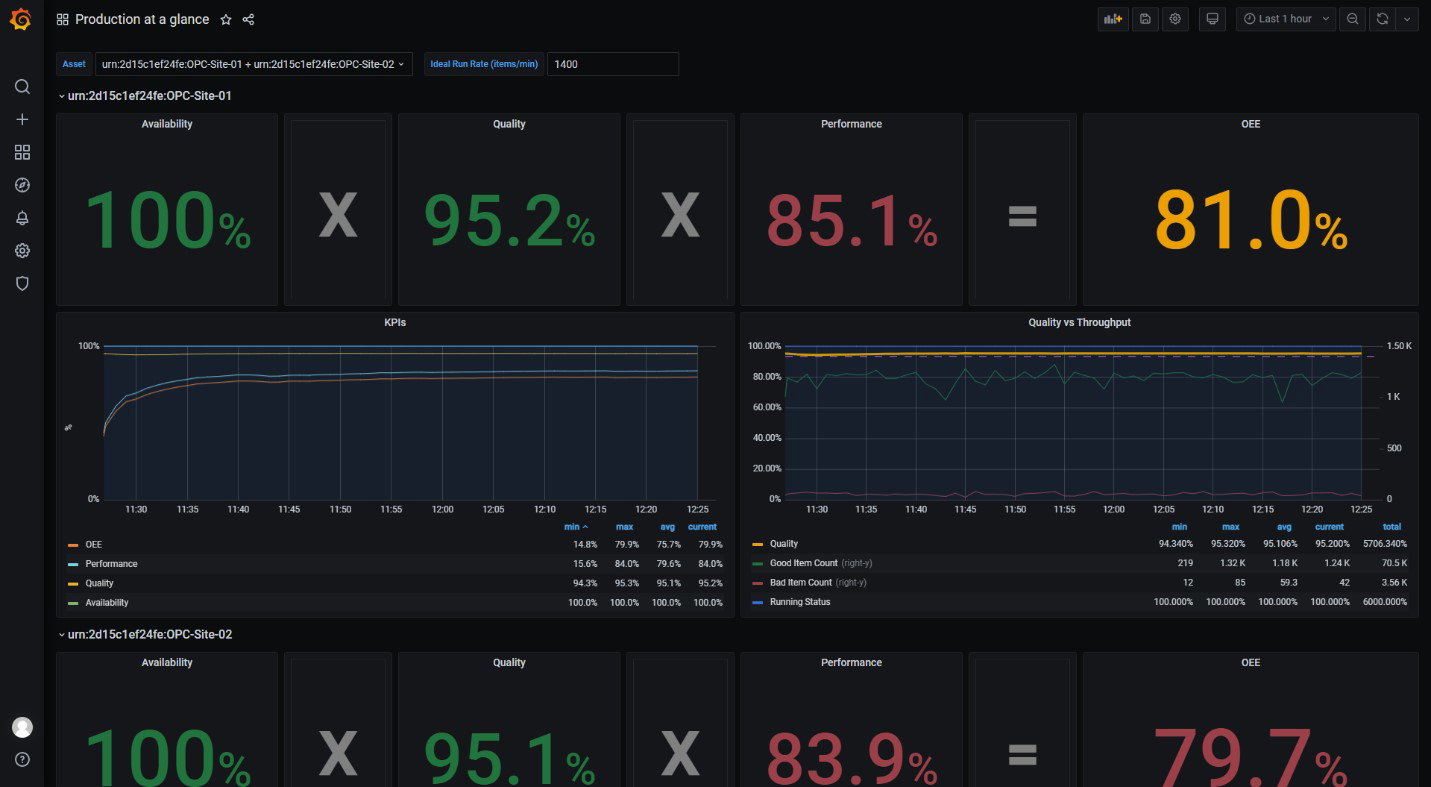
Its integration with Azure Arc further strengthens hybrid cloud management by helping businesses manage cloud, edge, and on-premise systems through a unified environment. Real-time AI inference, offline operations, encryption, and device provisioning add further value for enterprises managing distributed infrastructure.
Pricing
Microsoft Azure IoT Edge uses a flexible pay-as-you-go model with no upfront platform costs. The IoT Edge runtime is open-source and free, while pricing depends on services such as Azure IoT Hub, analytics modules, message volume, and deployment scale.
What Works And What Doesn’t
| Pros | Cons |
| Real-Time Analytics | Higher hardware requirements |
| Lower bandwidth costs | Dependency on Azure IoT Hub |
| Flexible container deployments | Occasional tooling complexity |
Our Final Take
Microsoft Azure IoT Edge works particularly well for manufacturing, logistics, retail, healthcare, and smart infrastructure organizations that need real-time processing across distributed locations. Its deep integration with Microsoft services makes it especially valuable for businesses already operating within the Azure ecosystem. Organizations looking for standalone edge platforms with minimal cloud dependencies may prefer alternative solutions.
Topics For More Insights
Google Distributed Cloud: Best For Enterprise
Google Distributed Cloud extends Google’s infrastructure to on-premise environments and edge networks, helping organizations run low-latency workloads closer to operations. It is designed for businesses managing regulated environments, remote infrastructure, and workloads that require offline capabilities.
Its enterprise adoption continues to expand across organizations such as Mercedes-Benz, government agencies, and Uber. Its market credibility was further reinforced through major wins such as Google’s £400 million UK Ministry of Defence contract in 2025 and continued recognition through Google Cloud Partner Awards programs.
Why We Chose Google Distributed Cloud In 2026
Google Distributed Cloud earns its place for giving enterprises greater flexibility across cloud, on-premise, and fully air-gapped environments. Organizations can run workloads in connected or completely offline settings while maintaining operational consistency across distributed infrastructure.
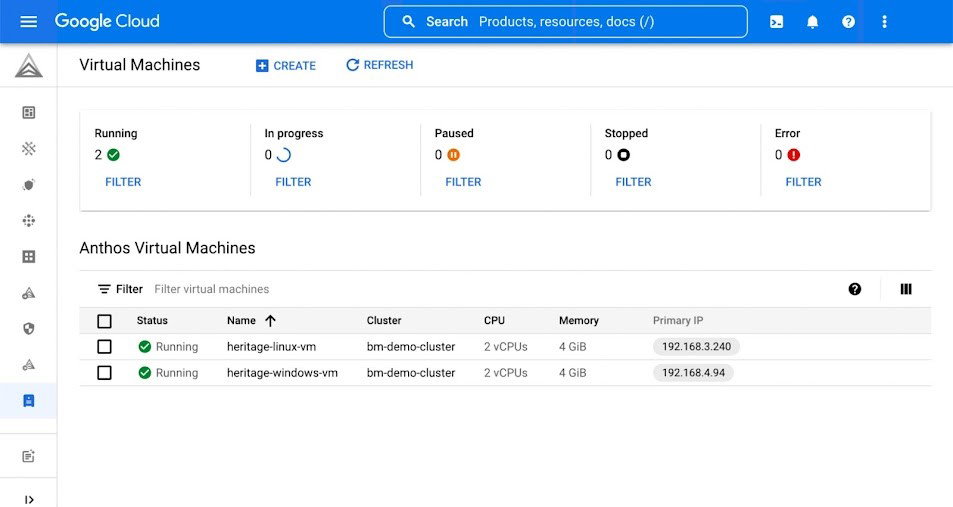
Its Kubernetes-based architecture allows businesses to scale deployments from a single location to thousands of distributed sites while maintaining performance for low-latency applications. It also offers strong security capabilities through isolated environments, frequent vulnerability updates, and data sovereignty controls.
These capabilities make it particularly useful for industries where compliance, security, and operational continuity are major priorities.
Pricing
Google Distributed Cloud uses a custom pricing model based on infrastructure requirements, storage needs, and deployment scale. Connected edge deployments typically start at approximately $415 per node per month, while more complex air-gapped deployments require custom enterprise pricing.
What Works And What Doesn’t
| Pros | Cons |
| Strong data sovereignty controls | Higher infrastructure complexity |
| Low-latency performance | Resource availability challenges |
| Flexible deployment environments | Data consistency management |
Our Final Take
Google Distributed Cloud delivers strong value for industries such as defense, finance, healthcare, telecom, public sector operations, and manufacturing, where security, compliance, and low-latency processing are critical. Smaller businesses looking for simpler edge deployments may find their infrastructure requirements more complex than necessary.
Cisco Edge Intelligence: Best For Integration
Cisco Edge Intelligence helps businesses process, filter, and move data from IoT devices to enterprise applications in real time. It is widely used in industries such as utilities, manufacturing, and logistics, supported by Cisco Systems’s large global enterprise footprint.
Its continued relevance in 2026 reflects Cisco’s strong presence in networking, edge infrastructure, and AI innovation, making it a reliable choice for organizations managing distributed operations.
Why We Chose Cisco Edge Intelligence In 2026
Cisco Edge Intelligence earns its place for bringing connectivity, data processing, and security into a single platform. It helps businesses filter and process data closer to devices while ensuring important information reaches business systems quickly.
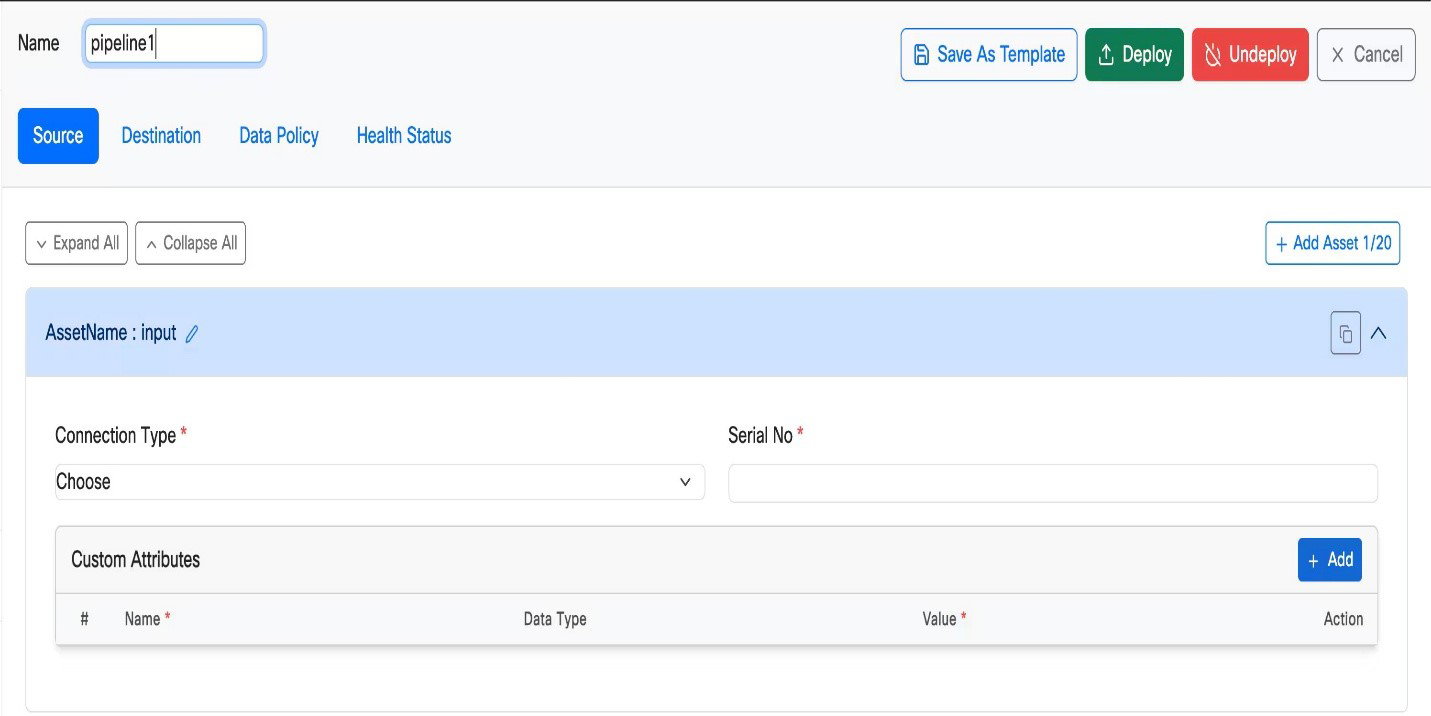
Key capabilities include centralized management, zero-touch provisioning, data normalization, and integrations with Cisco’s broader networking and observability ecosystem. These features make it particularly useful for enterprises managing large IoT deployments across multiple locations.
Its security capabilities also stand out, with zero-trust architecture, network-level protection, and centralized governance that help businesses secure distributed edge environments.
Pricing
Cisco Edge Intelligence follows a custom enterprise pricing model based on deployment scale, hardware requirements, and feature needs. Pricing is typically structured as part of broader Cisco enterprise infrastructure agreements.
What Works And What Doesn’t
| Pros | Cons |
| Simplified data management | Higher setup costs |
| Strong governance and security | Complexity at scale |
| Multicloud integration | Limited heavy compute capabilities |
Our Final Take
Cisco Edge Intelligence delivers strong value for manufacturing, utilities, logistics, telecom, and smart infrastructure organizations that need secure data movement across large IoT networks. Businesses already using Cisco infrastructure may benefit the most from its ecosystem integrations, while smaller companies looking for lightweight edge platforms may prefer simpler alternatives.
Top 5 Edge Computing Platform Comparison
Comparing edge computing platforms can get complicated when each solution focuses on different strengths. To make your decision easier, we’ve summarized pricing, ratings, key features, and integrations to help you find the right fit.
| Criteria |  |
 |
 |
 |
 |
| Starting Price | $0.16 per month | $99 for entry-level | $25/month per unit | $415 per node per month | NA |
| Avg. User Rating | 4.1 | 4 | 4 | 4.3 | 4.5 |
| Free Trial/Demo | 12 months | NA | available | 3 months | demo |
| Key Features | Modularity, offline support, and security | Edge AI computing, GPU-accelerated processing, and embedded computing | Edge-based AI and analytics, flexible programming, and cross-platform support | Advanced AI & ML integration, data sovereignty, and operational resiliency | Seamless data extraction, edge data transformation, and intelligent data pipelines |
| Integrations | Amazon S3, Amazon CloudWatch, AWS IoT Core, and more | CUDA, Docker, Kubernetes, and more | Ubuntu server, Azure RTOS, Container engines, and more | VMware, Dell PowerFlex, Microsoft Azure, and more | AWS IoT Core, Splunk, Microsoft Visual Studio, and more |
Wrapping Up
Sending every piece of data back to distant cloud servers can feel a lot like using a calculator for simple math. It may get the job done but often adds unnecessary steps and delays. Edge computing platforms solve that problem by processing information closer to where it’s created, helping businesses respond faster and operate more efficiently.
All Edge Computing Platform Providers on this list approach that challenge differently. Some focus on AI-heavy workloads, others prioritize enterprise integration, security, or large-scale device management across distributed environments.
The right choice depends on your infrastructure goals, industry requirements, and how quickly your systems need to act on data. As businesses continue building smarter connected ecosystems, edge computing is becoming a practical foundation for faster and more responsive operations.
Frequently Asked Questions
How Do I Choose The Right Edge Computing Platform?
The choice depends on your use case, scalability needs, and existing cloud or hardware ecosystem. You should also consider factors like security, cost, and ease of integration.
Are Edge Computing Platforms Suitable For Small Businesses?
Yes, some platforms offer scalable and cost-effective options suitable for smaller deployments. However, complex or enterprise-grade solutions may require higher investment and expertise.
Do Edge Computing Platforms Support AI And Machine Learning?
Yes, most modern edge platforms support AI/ML for real-time inference at the device level. This allows faster decision-making without sending all data to the cloud.
Wed, Apr 29, 2026

Enjoyed what you've read so far? Great news - there's more to explore!
Stay up to date with the latest news, a vast collection of tech articles including introductory guides, product reviews, trends and more, thought-provoking interviews, hottest AI blogs and entertaining tech memes.
Plus, get access to branded insights such as informative white papers, intriguing case studies, in-depth reports, enlightening videos and exciting events and webinars from industry-leading global brands.
Dive into TechDogs' treasure trove today and Know Your World of technology!
Disclaimer - Reference to any specific product, software or entity does not constitute an endorsement or recommendation by TechDogs nor should any data or content published be relied upon. The views expressed by TechDogs' members and guests are their own and their appearance on our site does not imply an endorsement of them or any entity they represent. Views and opinions expressed by TechDogs' Authors are those of the Authors and do not necessarily reflect the view of TechDogs or any of its officials. While we aim to provide valuable and helpful information, some content on TechDogs' site may not have been thoroughly reviewed for every detail or aspect. We encourage users to verify any information independently where necessary.
Loading comments...