
Data Management
Top 5 Big Data Tools Of 2026
Share
TL;DR
-
Snowflake: Provides a premier cloud-native architecture that independently scales storage and compute.
-
Apache Kafka: Serves as a high-throughput event-streaming platform for mission-critical real-time data pipelines.
-
Databricks Data Intelligence Platform: Utilizes a unified lakehouse structure to simplify AI and machine learning workflows.
-
Estuary Flow: Offers a specialized user experience for building low-latency pipelines with automated schema evolution.
-
Hevo Data: Delivers exceptional value through a no-code interface that automates data ingestion from over 150 sources.
Introduction
Think back to the days of clunky CD binders and stacks of floppy disks. These once-revolutionary storage devices were the height of technology, yet they could only hold a sliver of information and were incredibly vulnerable to a single scratch or a bit of heat. As our digital lives expanded from mere megabytes to massive terabytes, we traded physical plastic for the limitless reach of the cloud.
This shift transformed data from a static resource into a living, breathing asset that requires a much smarter approach to organization. Today, we call this phenomenon Big Data, and for modern enterprises, it represents both a massive challenge and a golden opportunity. Managing these enormous datasets is no longer a simple DIY task for a standard IT department. Specialized tools are now essential to handle, process, and analyze information at a scale that was once unimaginable. Here are the top 5 Big Data Tools of 2026 to help your business thrive in this data-driven era. Read on!
What Are Big Data Tools?
Big Data Tools are specialized solutions to handle, process, and analyze massive volumes of enterprise data. They allow organizations to derive real-time, actionable insights and optimize their decision-making by managing data from various sources at scale. These tools also include features for improved data storage, data-processing frameworks, and data integration, which support organizations in harnessing the full potential of big data.
So, now that you know what it is, let’s get on to listing some of the best Big Data Tools of 2026!
Top 5 Big Data Tools Of 2026
Big Data software is the ubiquitous data management solution of our data-driven business world. If your business works with data and wants to scale with it, chances are, you’re already using a Big Data Tool. Yet, it’s always best to keep an eye out for the top tools each year.
So, moving ahead, here are the top 5 Big Data Platforms of 2026.
 |
 |
 |
 |
 |
Snowflake: Best For Scalability
Snowflake retains its strong position in our 2026 list, as one of the world’s most trusted cloud data platforms, enabling large-scale analytics, sharing, and AI-driven workloads across AWS, Azure, and Google Cloud. It remains independent and continues to grow rapidly. Snowflake reported 11,159 total customers, including 580 with over $1 million in trailing 12-month product revenue in early 2025, rising to 654 by mid-2025. The platform operates across 19+ countries, maintaining a strong global footprint.
Why We Chose Snowflake In 2026
Snowflake’s core strength is its truly cloud-native “Data Cloud” architecture that decouples storage and compute, supports structured and semi-structured data, and enables data sharing and collaboration across business units and clouds. This unified vision gives it an edge over many legacy data warehouses and point solutions.
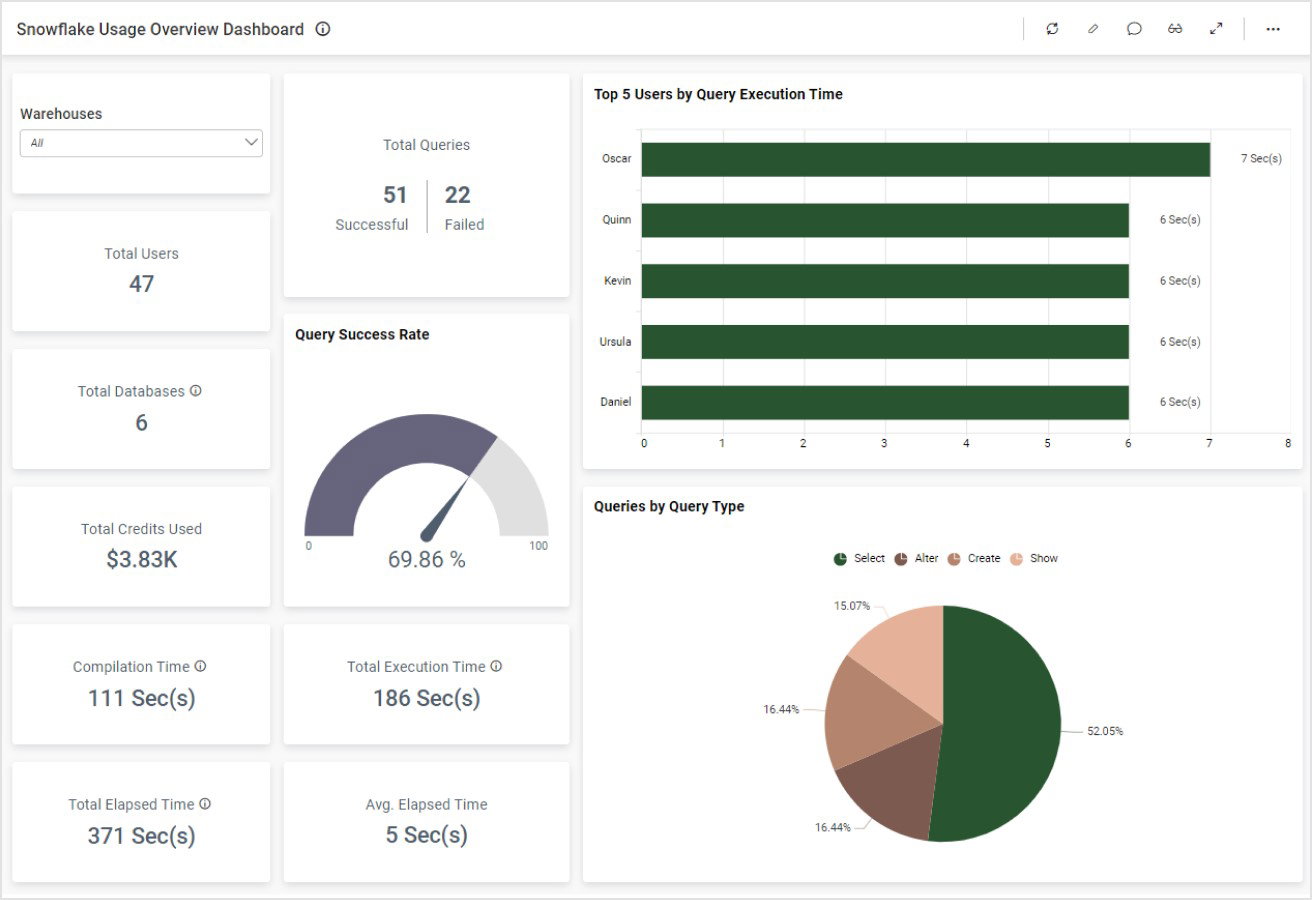
In 2026, Snowflake offers features such as Snowpark for Python/Java/Scala, real-time ingestion, multi-cloud deployments (AWS, Azure, GCP), and native support for data sharing and monetization. On the security and compliance front, Snowflake supports enterprise-grade encryption (in-transit and at-rest) and fine-grained access controls; for governance, it supports role-based access and audit logging (via its documentation).
Pricing
Snowflake follows a consumption-based pricing model with separate charges for compute, storage, and data transfer. Compute costs start at $2.00 per credit; storage averages $23 per TB/month, and a free $400 trial is available for new users.
What Works And What Doesn’t
| Pros | Cons |
| Excellent elasticity and separation of compute/storage enable scalable workloads | Costs can grow quickly if virtual warehouses run idle or at large sizes without management |
| Strong data sharing and ecosystem support for collaboration across teams and clouds | Some advanced features require technical expertise to configure and tune |
| Multi-cloud support and modern architecture suited for analytics, data lakes, and data warehouses | Smaller teams with simple workloads may find the overhead over-engineered |
Our Final Take
Snowflake is best suited for medium to large enterprises or data-driven organizations seeking a unified, cloud-native data platform that supports analytics, downstream AI workloads, and data collaboration at scale. It may not be ideal for very small teams or organizations with minimal data-engineering needs if cost control and simplicity are the highest priority. For those looking for a high-performance, future-ready foundation in 2026, Snowflake is a compelling choice.
Apache Kafka: Best For Integration
Apache Kafka remains a foundational real-time event-streaming platform in 2026, and thus a new entrant in our list. It is used by thousands of companies and is trusted by over 80% of Fortune 100 firms for mission-critical data pipelines. The ongoing Data Streaming Awards, organized by Confluent at its Current conference, continue to honor innovation built on Kafka technologies. Additionally, the Red Hat Certified Specialist in Event-Driven Development with Kafka remains a globally recognized credential for developers building Kafka-based applications.
Why We Chose Apache Kafka In 2026
Kafka’s core strength lies in its high throughput, low latency, and durable event log architecture that supports massive ingestion, real-time processing, and decoupled microservices. It enables both streaming and replayable event workflows. The flexible partitioning, cluster-scale, and evolving ecosystem give it an edge for streaming use-cases versus traditional batch-only tools.
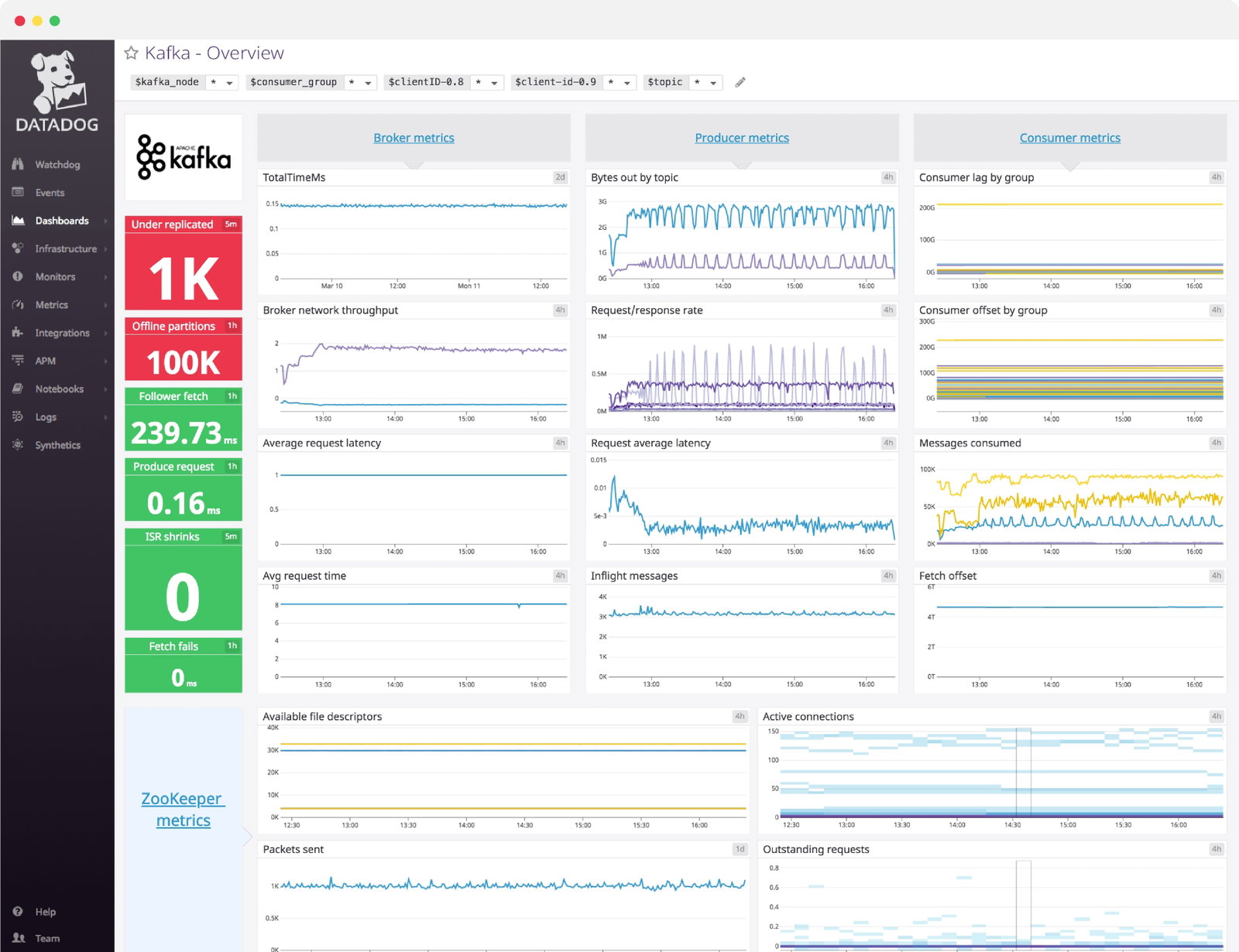
In 2026, Kafka delivers real-time pipelines, durable storage of streams, and fault-tolerant cluster modes (KRaft, Brokers, Producers/Consumers). Security features include encryption in transit, ACLs, and role-based policies in enterprise distributions. For compliance, many managed Kafka services support enterprise-grade controls and monitoring. Strong integration across data platforms and cloud services makes deployments scalable and production ready.
Pricing
Kafka’s pricing model has a core open-source version which is free to use under the Apache License 2.0 with no software license cost. Managed Kafka services, like those from Amazon and Digital Ocean, show usage-based pricing: for example, a managed tier may charge ~$0.09 per cluster-hour and $0.17 per GB-month storage in a U.S. region.
What Works And What Doesn’t
| Pros | Cons |
| Capable of ingesting extremely large event volumes with low latency | Self-management of clusters demands strong operations/DevOps expertise |
| Durable log storage + replayable streams enable complex workflows | The hidden total cost can become large in scale |
| Vast ecosystem | Initial setup and tuning can be complex for smaller teams |
Our Final Take
Apache Kafka is ideal for data-engineer teams and enterprises that require robust streaming architecture and can invest in operational maturity. It may not be the best fit for very small teams with limited streaming needs and minimal operations bandwidth. For organizations seeking flexible, scalable event-streaming in 2026, Kafka remains a top-tier choice.
Databricks Data Intelligence Platform: Best Overall
The Databricks Data Intelligence Platform stays in our 2026 list as it remains a leader in 2026 for unifying analytics, AI, and data engineering across the enterprise. It has been recognized in the 2025 Gartner Magic Quadrant for Data Science & Machine Learning Platforms, ranking #1 in execution and vision. Sources also show it hosts its annual 2025 Data Intelligence Awards to honor customer innovation.
Why We Chose Databricks In 2026
The platform’s strength lies in its unified lakehouse architecture, bringing data engineering, warehousing, streaming, and AI/ML into a single platform. It appeals because it simplifies moving from legacy data systems, supports multi-cloud deployments, and allows data teams to consolidate workflows rather than spin up separate tools.
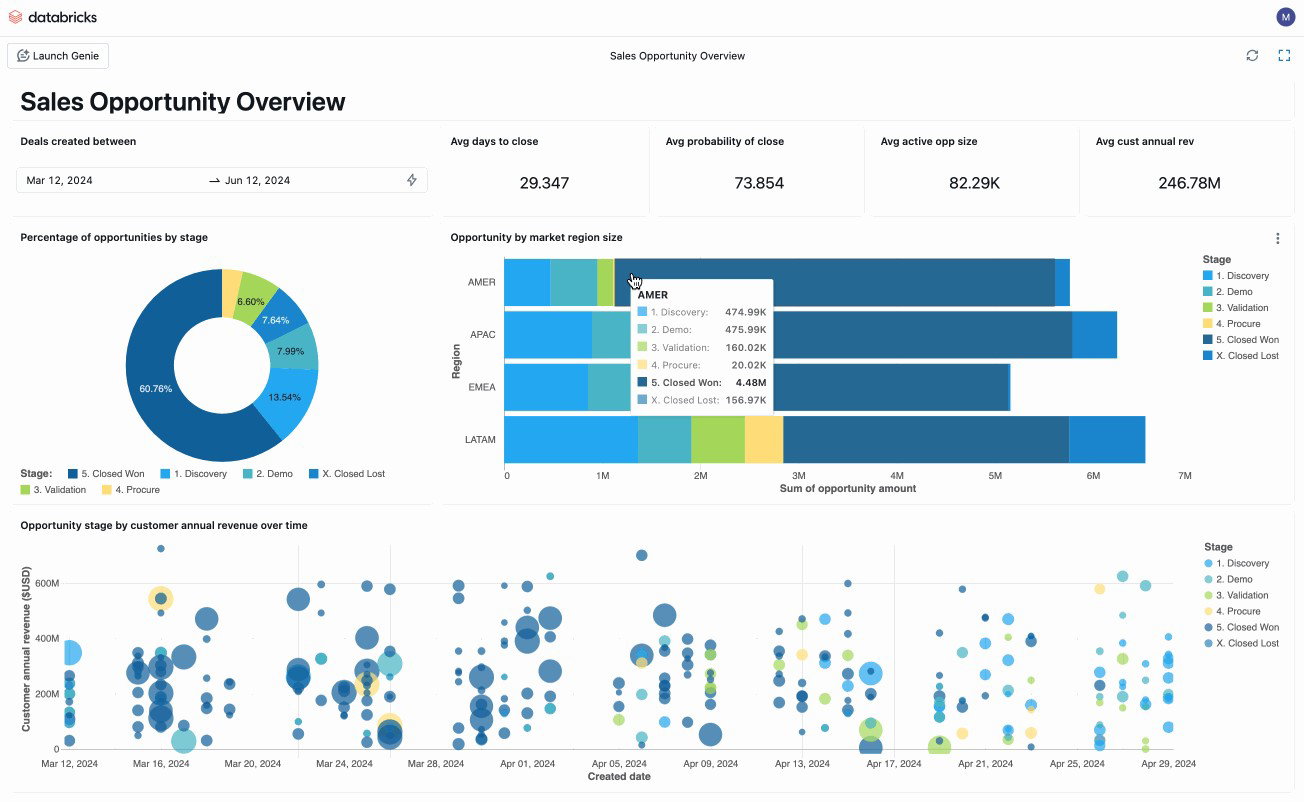
In 2026, the platform offers advanced features like its Unity Catalog with intelligent signals for data quality and usage, automated optimization, and agent-driven insights. Security and compliance are enterprise-grade, covering encryption, RBAC, auditing, and multi-cloud governance. Sources show the platform supports major certifications and enterprise workloads.
Pricing
Databricks uses a pay-as-you-go pricing model, with no upfront costs, billing by the second for compute and usage. Their official pricing page states you only pay for what you use. Underlying cost is driven via DBUs (Databricks Units). For example, third-party sources note that DBU rates may start around $0.20 per DBU for certain workloads, and the median annual spend among buyers is about $249,960 per year in 2025.
What Works And What Doesn’t
| Pros | Cons |
| Unified lakehouse simplifies bridging data engineering, analytics, and AI | Pricing is complex (DBUs + cloud infrastructure) and harder to predict for large scales |
| Strong multi-cloud support and advanced governance via Unity Catalog | Requires significant setup and the ability to optimize performance and cost |
| Supports ACID transactions, unified batch and streaming workloads, and schema evolution | Smaller organizations with simpler workloads may get less marginal value |
Our Final Take
The Databricks Data Intelligence Platform is ideal for large enterprises or advanced data teams looking to unify data, analytics, and AI under one roof. It may not be the best fit for small teams with very simple data needs and tight budgets. If you’re looking for a scalable, future-ready platform for analytics and AI in 2026, this is a top-tier choice.
Topics For More Insights
Estuary Flow: Best User Experience (UX)
Estuary Flow is a new entrant in our 2026 list, a rising real-time data integration and pipeline platform built for analytics, operations, and AI workflows. It supports batch, streaming, and CDC pipelines with sub-100 ms latency and exactly once delivery. In 2024, Estuary achieved three Google Cloud Ready designations, strengthening its credibility in enterprise data streaming.
Why We Chose Estuary Flow In 2026
Estuary Flow offers a unique blend of streaming and batch pipelines in one tool, delivering CDC, transformations, and materializations under a single roof. It stands out for no-code connectors, multi-destination writes, and ultra-low latency—features that help organizations avoid stitching multiple tools together.
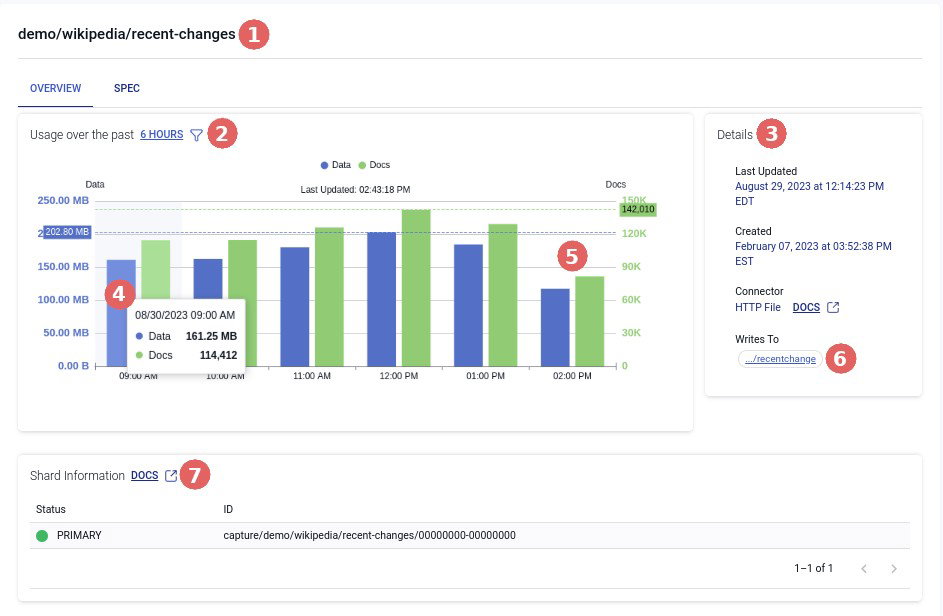
In 2026, Estuary Flow enables rapid deployment of data pipelines, with features like automated schema evolution, real-time transformations (SQL or TypeScript), many-to-many source-to-destination flows, and built-in data-ops automation. On security and compliance, it supports SOC 2 Type II, and addresses HIPAA, GDPR, and CCPA requirements in its architecture.
Pricing
Estuary Flow offers a Free plan (10 GB/month, 2 connectors) and a Cloud plan starting at $0.50 per GB plus up to $100 per connector instance. The Enterprise plan provides 24/7 support, SOC 2 and HIPAA compliance, and private deployments.
What Works And What Doesn’t
| Pros | Cons |
| Unified streaming + batch pipeline support with CDC and many-to-many destinations | Newer product, fewer long-term enterprise references than legacy tools |
| Sub-100 ms latency, exactly once delivery, automated schema evolution | The pricing model can become complex depending on many connectors and destinations |
| No-code connectors + developer API/CLI for flexibility, supports SQL/TypeScript transforms | Teams used to traditional ETL tools may face a learning curve for real-time pipeline operations |
Our Final Take
Estuary Flow is ideal for data-engineering teams and organizations needing real-time, many-destination pipelines that combine streaming, batch, and CDC. It may be less suited for very small teams with static workloads and minimal transformations. For 2026, if you are building right-time data infrastructure and want both agility and performance, Estuary Flow is a very compelling option.
Hevo Data: Best Value
Hevo Data continues to be a strong contender for 2026 as well in our list, as a no-code data-pipeline platform built for modern ELT, reverse-ETL, and data-integration needs. It supports 150+ source connectors, real-time and batch workflows, and was recognized as a “Top Performer” in the FeaturedCustomers Spring 2025 ETL Software report.
Why We Chose Hevo Data In 2026
Hevo’s core strength lies in its user-friendly interface paired with robust pipeline automation. It enables rapid data ingestion from SaaS, databases, streaming, and file stores into data warehouses without heavy code. The platform excels at enabling faster time-to-value for analytics teams while reducing dependency on engineering resources.
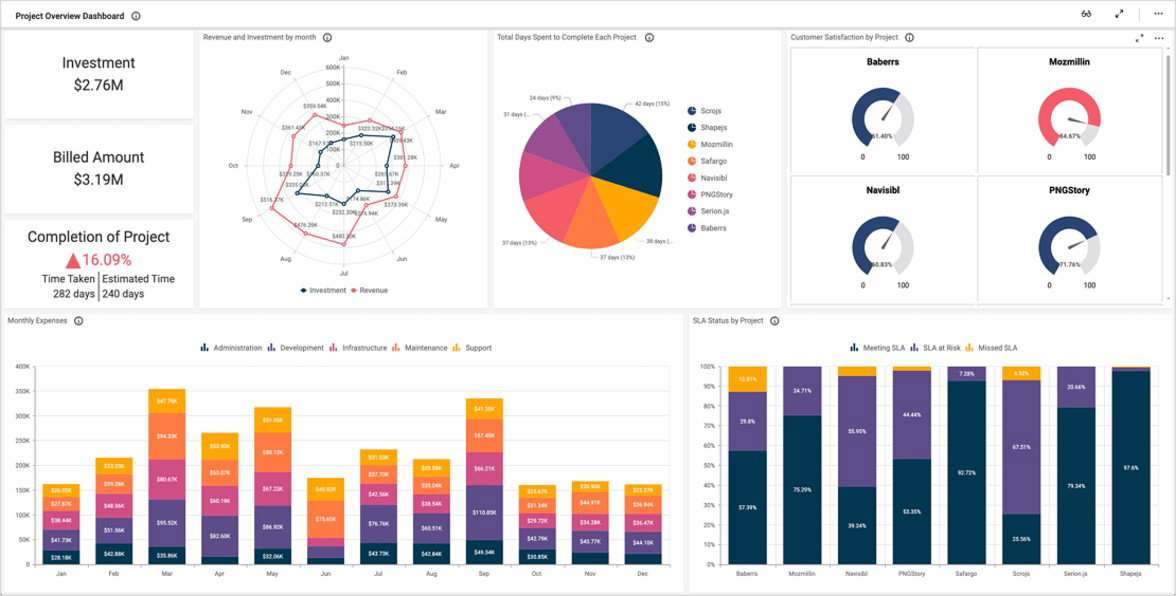
In 2026, Hevo offers features like change-data-capture (CDC) support, bi-directional pipelines, and real-time delivery into warehouses and lakes. Security and compliance are prioritized with support for role-based access, encryption, and enterprise-grade features in upper plans. The platform integrates closely with partners like the lakehouse on Databricks, helping modern data teams streamline ingestion workflows.
Pricing
Hevo pricing plan offers a Free plan moving up to 1 million events/month at no charge. Starter plans begin around US $239/month for 5 million events, with pricing scaling upward for larger usage. Annual commitments can reduce costs.
What Works And What Doesn’t
| Pros | Cons |
| Zero-code pipelines enable business and analytics users to deploy without heavy engineering overhead | Event-based pricing means cost can rise rapidly as data volume or update frequency grows |
| Large connector library (150+ sources) and strong support for SaaS & database systems | Custom transformations or highly complex logic may require external engineering |
| Real-time ingestion, CDC, and reverse ETL capabilities support modern use-cases beyond classic ETL | Some enterprise features may require upsizing or additional tooling |
Our Final Take
Hevo Data is ideal for mid-sized to large data teams needing a platform to quickly onboard, transform, and deliver data from many sources into analytics environments without heavy coding. It may be less suitable for small teams with minimal transformation needs and very tight budgets, where usage-based pricing could become significant. If your goal in 2026 is to achieve swift data delivery, broad connectivity, and operational simplicity, Hevo is a smart choice.
Top 5 Big Data Tools Comparison
| Criteria |  |
 |
 |
 |
 |
| Starting Price | $2.00/credit | Free | $0.20/DBU | Free | Free |
| Avg. User Rating | 4.6 | 4.5 | 4.7 | 4.8 | 4.5 |
| Trial Period / Demo | 3-Day Free Trial | 30-Day Free Trial (Managed Kafka) | 14-Day Free Trial | 30-Day Free Trial | 14-Day Free Trial |
| Key Features | Multi-cloud data warehouse, separate compute & storage, data sharing | High-throughput real-time streaming, fault-tolerant clusters, replayable events | Unified lakehouse, ACID transactions, AI/ML integration | Real-time CDC pipelines, schema evolution, SQL/TypeScript transforms | No-code data pipelines, real-time ELT & reverse ETL, 150+ connectors |
| Integrations | AWS, Azure, GCP, Tableau, Power BI, Databricks | Kafka Connect, Spark, Flink, Confluent, Databricks, AWS MSK | AWS, Azure, GCP, Snowflake, Tableau, Power BI | AWS S3, BigQuery, Snowflake, PostgreSQL, Redshift, Databricks | Snowflake, BigQuery, Redshift, Databricks, PostgreSQL, MySQL |
Conclusion
The 2026 big data landscape demonstrates a clear convergence of performance, automation, and accessibility. Mature platforms like Snowflake and Databricks continue to anchor enterprise data strategies, offering high scalability, security, and multi-cloud flexibility. Meanwhile, Apache Kafka retains its critical role as the real-time backbone for event-driven systems, ensuring seamless data flow across architectures.
At the same time, innovators such as Estuary Flow and Hevo Data are redefining integration through low-latency pipelines and no-code automation, enabling faster deployment and reduced engineering overhead. Together, these tools represent a shift from complex, siloed data stacks toward intelligent, unified ecosystems. In 2026, success in data management hinges on choosing platforms that balance agility, cost-efficiency, and real-time insights to drive measurable business outcomes.
Frequently Asked Questions
What Are The Top 5 Big Data Tools Of 2026?
The top five big data tools of 2026 are Snowflake, Apache Kafka, Databricks Data Intelligence Platform, Estuary Flow, and Hevo Data, recognized for their scalability, real-time processing, AI integration, and unified data management capabilities.
What Are The Features Of Big Data Tools?
Big data tools offer data integration, scalability, real-time analytics, security compliance, and multi-cloud flexibility, enabling organizations to collect, process, and analyze massive data volumes efficiently while supporting AI-driven and streaming-based business intelligence workflows.
What Is the Best Big Data Tool In 2026?
The best big data tool in 2026 depends on organizational needs. Platforms like Snowflake, Databricks, and Kafka excel in scalability and analytics, while Estuary Flow and Hevo Data offer simplicity and real-time integration. Each suits different data volumes, infrastructure goals, and technical expertise.
Thu, Mar 12, 2026

Enjoyed what you read? Great news – there’s a lot more to explore!
Dive into our content repository of the latest tech news, a diverse range of articles spanning introductory guides, product reviews, trends and more, along with engaging interviews, up-to-date AI blogs and hilarious tech memes!
Also explore our collection of branded insights via informative white papers, enlightening case studies, in-depth reports, educational videos and exciting events and webinars from leading global brands.
Head to the TechDogs homepage to Know Your World of technology today!
Disclaimer - Reference to any specific product, software or entity does not constitute an endorsement or recommendation by TechDogs nor should any data or content published be relied upon. The views expressed by TechDogs' members and guests are their own and their appearance on our site does not imply an endorsement of them or any entity they represent. Views and opinions expressed by TechDogs' Authors are those of the Authors and do not necessarily reflect the view of TechDogs or any of its officials. While we aim to provide valuable and helpful information, some content on TechDogs' site may not have been thoroughly reviewed for every detail or aspect. We encourage users to verify any information independently where necessary.
Loading comments...