
Financial Management Solutions
4 Main Types Of Digital Wallets And How They Work
Share
TL;DR
-
Digital wallets simplify everyday transactions by enabling convenient, secure payments without physical cash or cards.
-
The four main types of digital wallets are open, closed, semi-closed, and cryptocurrency wallets.
-
Open wallets offer broader payment flexibility, while closed wallets restrict transactions to specific brand ecosystems.
-
Semi-closed wallets support payments across selected merchant networks, balancing convenience with controlled acceptance.
-
Cryptocurrency wallets manage cryptographic keys, enabling users to access, send, and receive blockchain-based digital assets.
Introduction
Remember how, in Harry Potter, the wizarding world had its own way of doing almost everything? From sending letters through owls to traveling by Floo Powder, everyday tasks that seemed complicated in the Muggle world were surprisingly effortless with a little magic.
Now, imagine telling someone at Hogwarts that Muggles have figured out a way to pay for almost anything with just a tap of their phones. Sounds like a pretty impressive spell, doesn't it?
Well, that's exactly what digital wallets have brought to our everyday lives! Whether you're ordering groceries, shopping online, splitting restaurant bills, or transferring money, solutions like Apple Pay, Google Wallet, and PayPal have made transactions quicker and more convenient, without the need to carry physical cash or cards.
However, just as different spells serve different purposes, not all digital wallets work the same way. Some are designed for specific brands, others work across multiple merchants, and a few even let users manage cryptocurrencies.
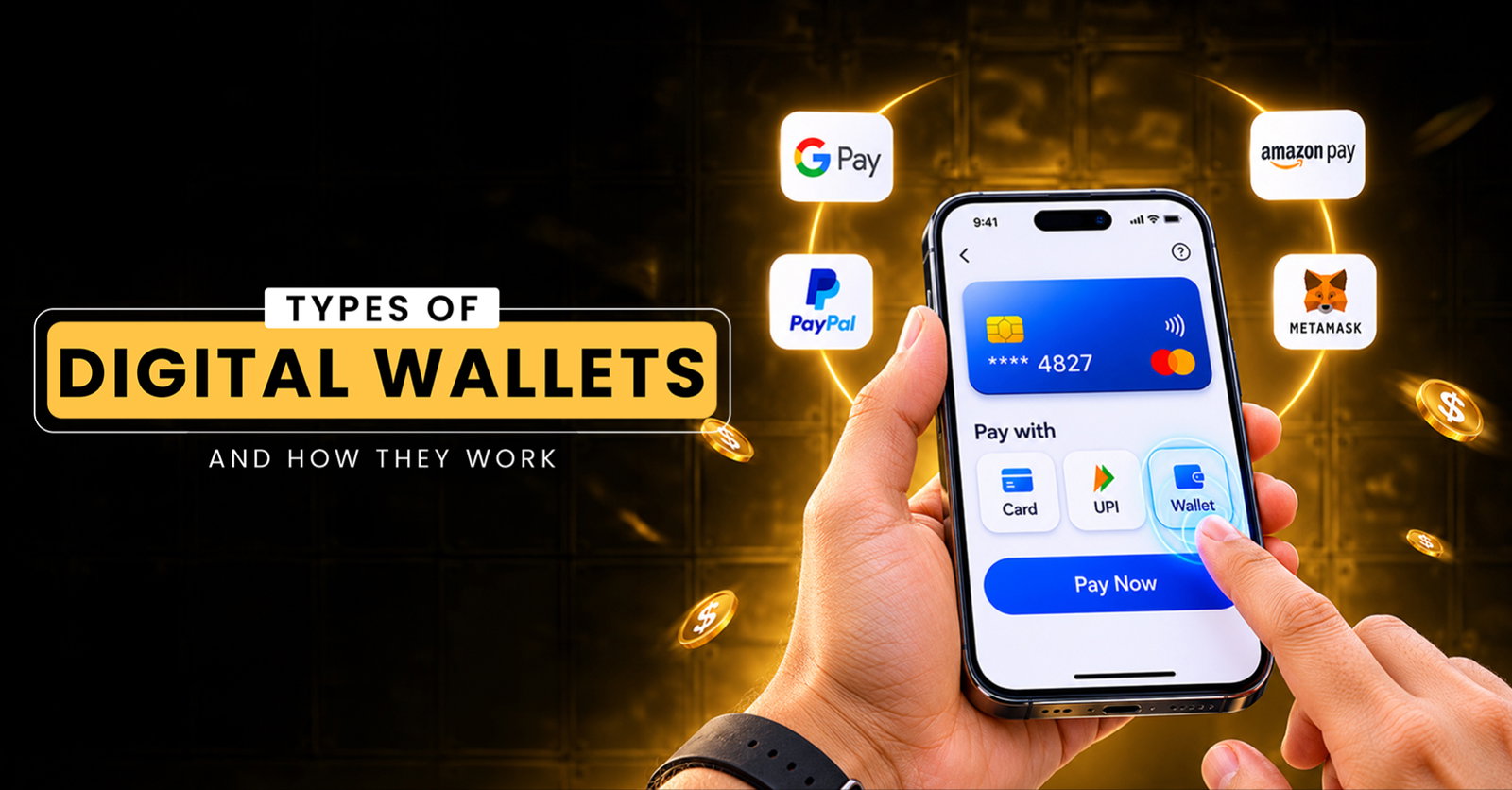
So, what are the four main types of digital wallets, and how do digital wallets work? Let's unlock the magic behind modern payments!
What Is A Digital Wallet And How Does It Work?
A digital wallet, also called an e-wallet, is a software-based payment solution that allows users to store payment credentials, access funds, or manage digital assets electronically. It can operate through smartphones, computers, wearable devices, or dedicated hardware.
Instead of manually entering payment information for every transaction, users can authenticate themselves and authorize payments through a digital interface. Understanding how digital wallets work starts with their underlying payment mechanisms.
Most conventional digital wallets follow a straightforward process:
-
Account setup: Users register with a wallet provider and verify their identity when required.
-
Payment integration: They link a bank account, add a debit or credit card, or load money into a prepaid balance.
-
Transaction initiation: Users select the wallet at checkout, scan a QR code, or tap a compatible payment terminal.
-
Authentication: A PIN, password, fingerprint, or facial recognition confirms the transaction.
-
Payment processing: The wallet communicates with the relevant payment network, bank, or processor to authorize the transaction.
Many card-based wallets use tokenization, replacing sensitive card information with digital tokens. This helps protect actual card details during transactions. However, these processes can vary depending on the wallet's payment infrastructure and operational restrictions. That's where the different categories come into play.
What Are The 4 Main Types Of Digital Wallets?
The main types of digital wallets covered here are open wallets, closed wallets, semi-closed wallets, and cryptocurrency wallets.
The first three categories primarily describe where a wallet can be used and how funds move within a payment ecosystem. Cryptocurrency wallets differ because they manage cryptographic keys associated with blockchain assets.
Let's understand each type individually.
1. Open Wallets: Flexible Payments Across Multiple Merchants
An open wallet supports payments across a broad network of merchants and, depending on its structure, may provide fund transfers, bank withdrawals, or other financial services. Unlike wallets restricted to particular retailers, open wallets offer greater payment flexibility through connections with established financial networks.
How does an open wallet work?
Users connect an eligible financial account or hold funds within an authorized wallet system. When a payment is initiated, the provider routes the transaction through supported banking or payment infrastructure.
Open-system prepaid wallets may also support cash withdrawals, subject to regional regulations and account eligibility.
Examples: Apple Pay and Google Wallet demonstrate broad merchant acceptance, although they are primarily card-based payment interfaces rather than traditional open-system prepaid wallets.
The Google Wallet payment mechanism, for instance, uses device-specific payment tokens for supported contactless card transactions.

The payment passes through established card networks, allowing users to pay without revealing their actual card numbers to merchants.
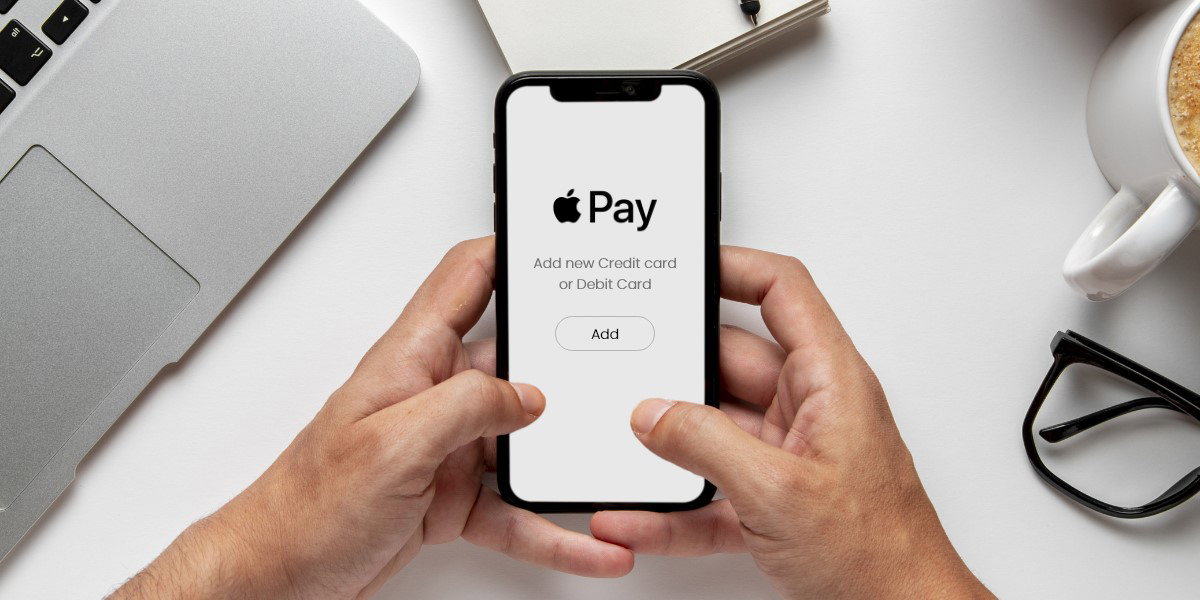
Similarly, Apple Pay enables secure payments at participating physical stores, websites, and applications through tokenized card credentials.
Key benefits:
-
Broad merchant acceptance across supported payment networks.
-
Convenient online, in-app, and contactless payments.
-
Enhanced card security through tokenization and authentication.
Open wallets are particularly useful for consumers who prefer flexibility across different shopping environments. However, businesses sometimes prioritize a different objective: keeping payments and customer spending within their own ecosystem.
2. Closed Wallets: Payments Within A Single Brand's Ecosystem
A closed wallet is a digital payment system that allows customers to spend stored value exclusively with the issuing company or its permitted services. These wallets are commonly used by retailers, food chains, and digital platforms to encourage repeat purchases and streamline internal transactions.
How does a closed wallet work?
A business issues a wallet that customers can load with funds, receive credits into, or use to manage eligible refunds.
The stored balance can then be spent within that company's ecosystem. Generally, customers cannot transfer the balance to unrelated merchants or withdraw it as cash.
A prepaid Starbucks Card balance is a practical example because it can be used for eligible purchases within Starbucks' participating network.
Another example involves the Amazon Pay closed wallet ecosystem, although an important distinction applies.
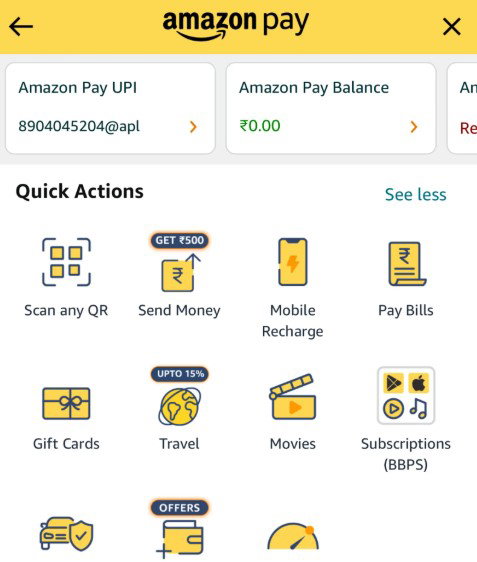
Amazon gift card balances illustrate closed-loop spending because their use is restricted to eligible Amazon purchases. Amazon Pay itself is broader, offering checkout at participating third-party websites. Therefore, Amazon Pay as a complete service should not be classified as an exclusively closed wallet.
Key benefits:
-
Encourages customer loyalty and repeat transactions.
-
Simplifies refunds, rewards, and promotional credits.
-
Creates a controlled payment environment for businesses.
While closed wallets provide convenience within specific brands, their limited acceptance makes them less suitable for customers shopping across multiple businesses.
That limitation creates demand for a middle-ground alternative.
3. Semi-Closed Wallets: Payments Across Selected Merchant Networks
A semi-closed digital wallet combines some flexibility of open wallets with the controlled acceptance of closed wallets. Instead of restricting spending to one company, it allows users to transact with a defined network of participating merchants.
This makes semi-closed wallets particularly relevant for marketplaces, payment platforms, and merchant partnerships.
How does a semi-closed digital wallet work for online shopping?
Consider a customer who adds funds to a semi-closed wallet supported by several online retailers.
During checkout, the customer selects the wallet as their payment option. The system verifies whether the retailer participates in its merchant network, checks the available balance, and processes the transaction.
If the merchant is outside the approved network, the wallet cannot be used through that arrangement.
Typically, semi-closed prepaid wallets do not allow cash withdrawals, although permitted transfers and redemption arrangements depend on local regulations.
Examples: Certain prepaid wallet products offered through platforms such as Paytm have historically operated under semi-closed arrangements.
The phrase PayPal semi closed wallet also appears in discussions about digital wallet categories. However, PayPal is not necessarily a semi-closed wallet. Its payment services operate across an extensive merchant network and may support transfers and withdrawals, depending on the market.
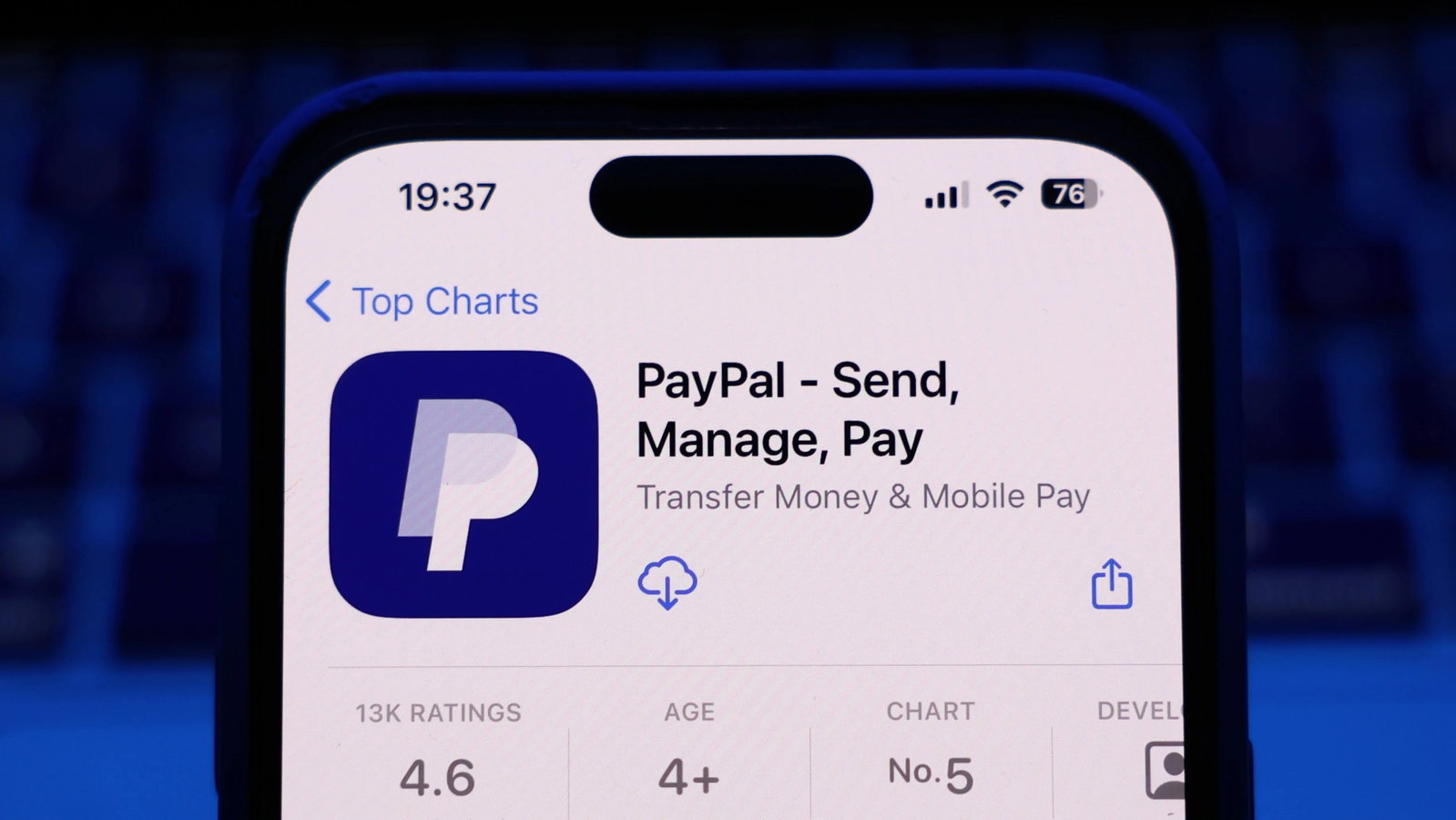
A wallet's classification should therefore reflect its actual payment permissions rather than its brand name alone.
Key benefits:
-
Supports purchases across multiple participating merchants.
-
Gives businesses access to a shared payment ecosystem.
-
Balances merchant-network flexibility with defined acceptance rules.
Semi-closed wallets effectively bridge the gap between brand-specific payment systems and broader financial networks. However, the fourth category takes digital wallets beyond conventional payment infrastructure altogether.
4. Cryptocurrency Wallets: Managing Digital Assets On Blockchain Networks
Cryptocurrency wallets are designed to manage the cryptographic credentials needed to access, send, and receive blockchain-based assets such as Bitcoin and Ether.
Unlike conventional wallets, cryptocurrency wallets do not literally store coins inside an application. Instead, they manage the private keys that authorize transactions involving assets recorded on blockchain networks.
How does a cryptocurrency wallet work?
A cryptocurrency wallet uses cryptographic keys to manage blockchain transactions.
A public address allows others to send supported digital assets to the wallet, while private keys authorize outgoing transactions.
When a user initiates a transfer, the wallet signs the transaction using the relevant private key. The transaction is then submitted to the blockchain network for validation and recording.
Cryptocurrency wallets generally fall into several categories:
-
Hot wallets: Internet-connected wallets designed for convenient access and frequent transactions.
-
Cold wallets: Offline key-storage solutions that reduce exposure to online attacks.
-
Custodial wallets: Wallets where a third-party provider controls the private keys.
-
Non-custodial wallets: Wallets where users retain direct control over their private keys.
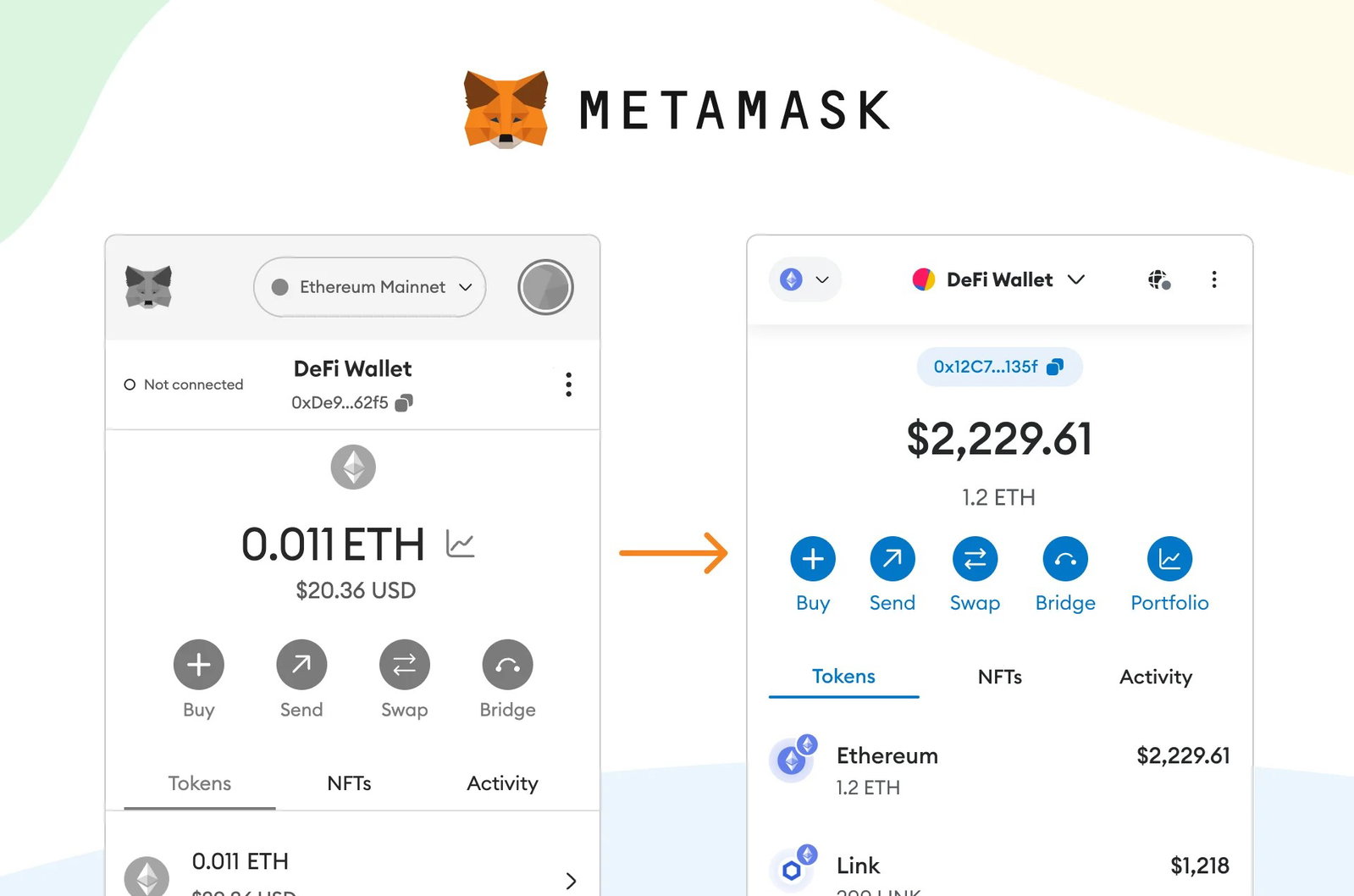
Examples: MetaMask and Trust Wallet are popular software wallet options, while Ledger and Trezor offer hardware wallet solutions.
Key benefits:
-
Enables direct interaction with supported blockchain networks.
-
Supports transfers and management of various digital assets.
-
Offers self-custody options for users seeking control over their keys.
However, cryptocurrency wallets introduce distinct security responsibilities. Losing access to private keys or recovery credentials can result in permanent loss of funds, particularly with non-custodial wallets.
With all four categories explained, understanding their differences becomes much easier.
Open Wallet Vs. Closed Wallet Vs. Semi-Closed Wallet Vs. Cryptocurrency Wallet
The following comparison highlights how these types of digital wallets differ in functionality and practical use.
| Wallet Type | Payment Reach | Main Use Case | Key Limitations |
| Open Wallet | Broad supported merchant network | Everyday payments and financial transactions |
Depends on network acceptance and applicable regulations |
| Closed Wallet | Issuing brand or permitted ecosystem | Brand purchases, rewards, and stored credits |
Cannot generally be used outside its ecosystem |
| Semi-Closed Wallet | Defined network of participating merchants | Online shopping and partner payments | Restricted merchant acceptance |
| Cryptocurrency Wallet | Compatible blockchain networks | Managing and transferring digital assets | Key-management risks and blockchain transaction costs |
The central distinction in open wallet vs closed wallet comparisons is payment reach. Open wallets prioritize wider acceptance, while closed wallets restrict spending to a specific issuer.
Semi-closed wallets sit between these models, whereas cryptocurrency wallets use a fundamentally different transaction infrastructure.
Understanding the differences makes it easier to see what each digital wallet brings to the table. However, knowing how they compare is only half the story. The real question is, which one best suits your payment habits and everyday needs?
How To Choose The Right Digital Wallet
Choosing a suitable wallet depends on how, where, and why you make payments. For everyday shopping across multiple retailers, an open or broadly accepted card-based wallet may offer greater convenience. Closed wallets can be useful for frequent purchases from a particular brand, especially when they provide rewards or promotional benefits.
Topics For More Insights
Semi-closed wallets work well when customers regularly shop within a participating merchant network. Cryptocurrency wallets are more appropriate for users who need to manage blockchain-based assets.
Regardless of the category, consider merchant acceptance, transaction fees, security features, withdrawal options, and local regulatory protections before choosing a provider.
Conclusion
Digital wallets have evolved from simple payment alternatives into tools for managing everyday transactions, customer loyalty, and digital assets.
Understanding the four main types of digital wallets reveals why different payment experiences exist. Open wallets emphasize flexibility, closed wallets prioritize brand ecosystems, semi-closed wallets connect participating merchants, and cryptocurrency wallets enable blockchain-based asset management.
Ultimately, the right digital wallet depends on the freedom, functionality, and security users need from their payment experience.
Frequently Asked Questions
What Is The Difference Between An Open Wallet And A Closed Wallet?
An open wallet supports payments across a broad merchant network and may offer transfers or withdrawals, depending on its structure. A closed wallet restricts spending to the issuing brand or its permitted ecosystem.
Can Semi-Closed Digital Wallets Be Used At Every Online Store?
No. Semi-closed wallets work only with participating merchants that accept the wallet through an approved arrangement. Their acceptance is broader than closed wallets but more restricted than open payment networks.
Are Cryptocurrency Wallets Safer Than Traditional Digital Wallets?
Not necessarily. Cryptocurrency wallets use cryptographic security, but their risks differ from those of conventional payment wallets. Security depends on key management, wallet design, user practices, and whether a custodial provider is involved.
Thu, Nov 12, 2026

Enjoyed what you read? Great news – there’s a lot more to explore!
Dive into our content repository of the latest tech news, a diverse range of articles spanning introductory guides, product reviews, trends and more, along with engaging interviews, up-to-date AI blogs and hilarious tech memes!
Also explore our collection of branded insights via informative white papers, enlightening case studies, in-depth reports, educational videos and exciting events and webinars from leading global brands.
Head to the TechDogs homepage to Know Your World of technology today!
Disclaimer - Reference to any specific product, software or entity does not constitute an endorsement or recommendation by TechDogs nor should any data or content published be relied upon. The views expressed by TechDogs' members and guests are their own and their appearance on our site does not imply an endorsement of them or any entity they represent. Views and opinions expressed by TechDogs' Authors are those of the Authors and do not necessarily reflect the view of TechDogs or any of its officials. While we aim to provide valuable and helpful information, some content on TechDogs' site may not have been thoroughly reviewed for every detail or aspect. We encourage users to verify any information independently where necessary.
Loading comments...