
Social Media
Spotify Joins LinkedIn & YouTube's Social Circle, Apple-Google App Store Wars
Updated on Wed, Aug 27, 2025
Share
The Microsoft-owned platform, LinkedIn, is expanding its presence in video advertising as it seeks to capture a larger share of the marketing dollars in a space dominated by video giants TikTok, Instagram, and YouTube. It has boosted its BrandLink program, allowing publishers and creators to run pre-roll ads before their content and share in the revenue.
Originally launched last year as the Wire Program for publishers, it was rebranded in May to include creators. Since then, LinkedIn has signed on more than 70 publishers and creators, with payouts increasing by a factor of three year-on-year.
Video is one of LinkedIn’s fastest-growing formats, with uploads up 20% by July and views rising 36% year over year as of February.
The platform is also introducing a new slate of sponsored shows. AT&T Business will back Small Business Builders, IBM is behind Founder’s Blueprint, SAP will support AI in Action and ServiceNow is sponsoring The CEO Playbook. The shows feature prominent creators including Guy Raz, Kara Goldin, Allie K Miller and Steven Bartlett.
“Advertisers are incredibly interested in connecting with people who make decisions, particularly in the business-to-business marketplaces,” said Matthew Derella, LinkedIn’s VP of Marketing Solutions.
With major publishers like TED, Bloomberg and Vox Media on board, LinkedIn is positioning itself as the go-to platform for professional video advertising.
That focus on video engagement isn’t unique to LinkedIn. YouTube creators are facing a different kind of change, driven by AI.
YouTube has confirmed it is using AI to enhance Shorts without creators’ consent. YouTube's head of editorial and creator liaison, Rene Ritchie, acknowledged in a post on X that some videos have been altered with “traditional machine learning technology” to unblur, reduce noise and improve clarity.
He compared the process to enhancements found in modern smartphones. However, the disclosure has stirred concerns among creators, who say the edits were applied without their consent.
Music educator Rick Beato, with more than five million subscribers, noticed his own face looked subtly retouched. “I was like, ‘man, my hair looks strange,’” he told. Guitarist Rhett Shull described oversharpened features in his Shorts, saying, “If I wanted this terrible over-sharpening I would have done it myself.”
Experts warn that the issue is less about the technical definition of AI and more about trust. “What happens if people know that companies are editing content from the top down, without even telling the content creators themselves?” asked Samuel Wooley of the University of Pittsburgh.
While YouTube experiments with AI edits, its parent company Google is reshaping Android itself with a move that could redefine its identity.
Android’s identity has long been built on openness, giving users freedom to install apps from outside the Play Store, unlike Apple’s iPhone. However, that hallmark is about to change. Google has announced that it will require all Android app developers to verify their identities, regardless of where they publish. As a result, unverified apps will eventually be blocked on most Android devices.
The move, described by Google as an “ID check at the airport,” follows the company’s 2023 mandate for Play Store developers to verify their identities, which it says led to a sharp decline in malware and fraud. Google argues the broader rollout is necessary, claiming apps sideloaded from outside its store are 50 times more likely to contain malware.
Starting October 2025, the system will be tested with early access. By March 2026, all developers will be able to begin verification through a new Android Developer Console. The rollout will begin in Brazil, Indonesia, Singapore and Thailand in September 2026, with global expansion planned in 2027.
However, Google is not the only one facing criticism for its take on app installations. Apple has fpund itself on the wrong end of a lawsuit for monopolizing its App Store.
Elon Musk’s xAI has sued Apple and OpenAI, accusing them of colluding to shut out rivals. The case claims that Apple’s exclusive deal to put ChatGPT on iPhones, iPads and Macs unfairly sidelines xAI’s Grok chatbot, which Musk says was deliberately buried in App Store rankings despite strong reviews.
xAI is seeking billions in damages but OpenAI dismissed the lawsuit as “Mr. Musk’s ongoing pattern of harassment,” while Apple has yet to respond.
Meanwhile, Spotify is not staying silent, betting on conversation to keep users listening and “talking”.
Spotify is reviving in-app messaging, seven years after discontinuing the feature, to enhance user engagement and remain competitive. The tool lets users aged 16 and older chat and share music with people they’ve interacted with on the platform.
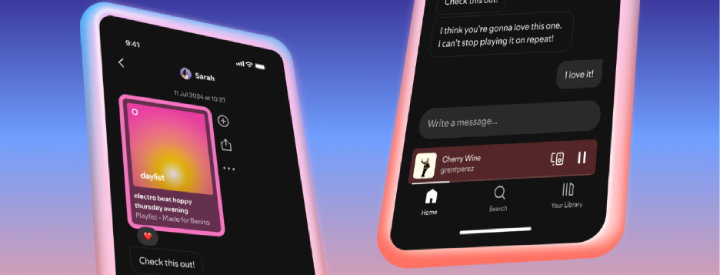
Rolling out this week on mobile in select markets, it’s aimed at Spotify’s 696 million monthly active users. With rivals like Apple, Amazon and YouTube intensifying competition, Spotify has also announced it will be raising Premium prices to improve margins while doubling down on community-driven features. The company is eyeing a target of one billion users, with messaging tools central to its growth strategy.
Do you think LinkedIn and Spotify can stand out in the crowded social messaging market with their new strategies? Are Google and Apple monopolizing access to apps with their policies?
Let us know your thoughts in the comments section below!
First published on Wed, Aug 27, 2025

Enjoyed what you've read so far? Great news - there's more to explore!
Stay up to date with the latest news, a vast collection of tech articles including introductory guides, product reviews, trends and more, thought-provoking interviews, hottest AI blogs and entertaining tech memes.
Plus, get access to branded insights such as informative white papers, intriguing case studies, in-depth reports, enlightening videos and exciting events and webinars from industry-leading global brands.
Dive into TechDogs' treasure trove today and Know Your World of technology!
Disclaimer - Reference to any specific product, software or entity does not constitute an endorsement or recommendation by TechDogs nor should any data or content published be relied upon. The views expressed by TechDogs' members and guests are their own and their appearance on our site does not imply an endorsement of them or any entity they represent. Views and opinions expressed by TechDogs' Authors are those of the Authors and do not necessarily reflect the view of TechDogs or any of its officials. While we aim to provide valuable and helpful information, some content on TechDogs' site may not have been thoroughly reviewed for every detail or aspect. We encourage users to verify any information independently where necessary.
Loading comments...