

Manufacturing Technology
Serve Robotics Launches Physical AI Services, Wants To Be The AWS For Robots
Updated on Fri, Nov 6, 2026
Share
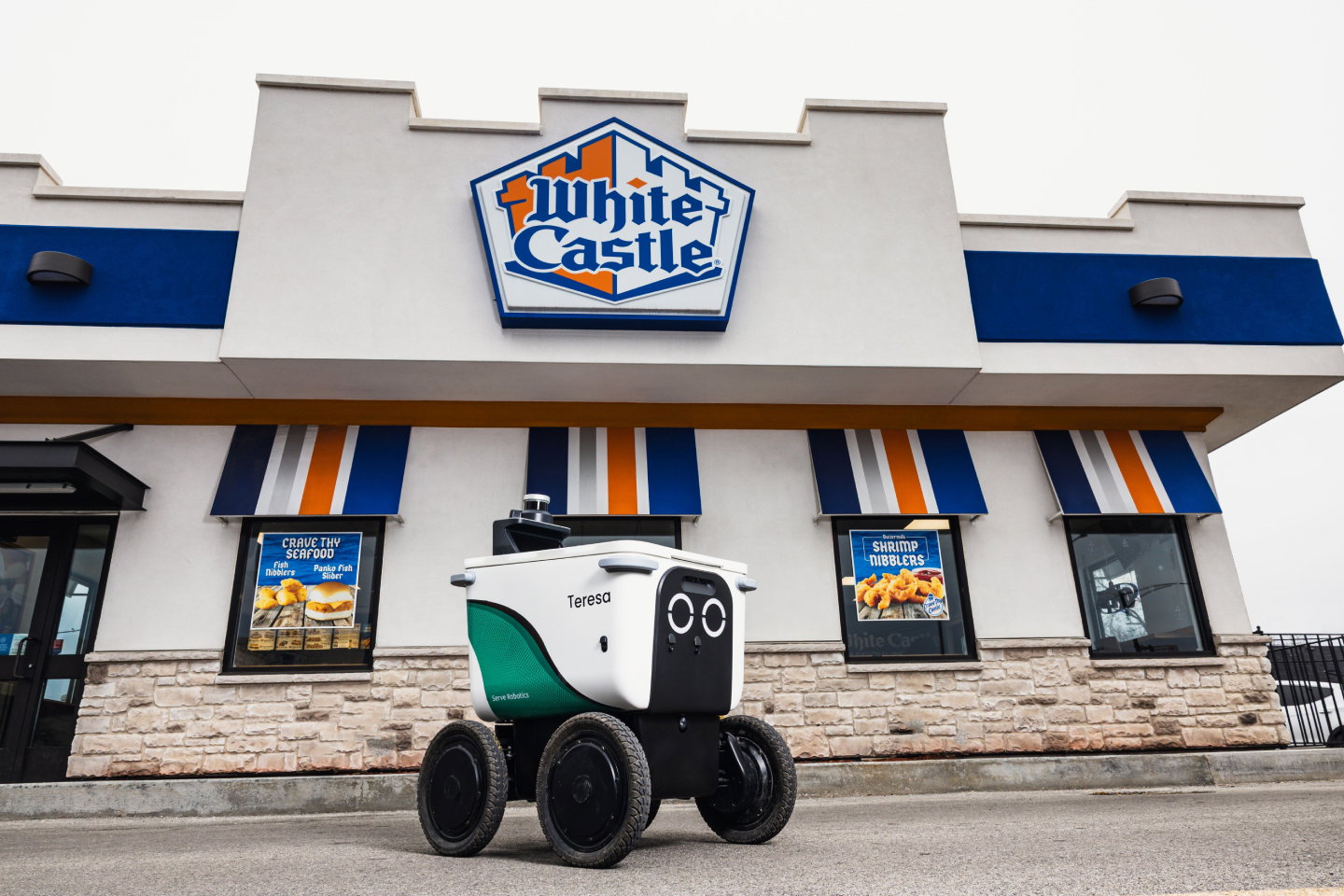
Serve Robotics is no longer content with making robots deliver food. The autonomous delivery company has launched Physical AI Services, a new business that allows other robotics developers to use the connectivity, data management, and AI training technology powering its own machines.
Essentially, Serve wants to become the infrastructure provider behind other robots. Here's what's happening.
TL;DR
- Serve Robotics has launched Physical AI Services, expanding its business beyond autonomous delivery robots.
- The offering includes Serve Link, Serve Data Curator, and a real-world training data catalog for physical AI systems.
- Bedrock Robotics is among its first customers, while Serve is working with T-Mobile to bring AI computing closer to robots.
- Serve will continue operating its delivery and hospital robots.
Serve Robotics Launches Physical AI Services With Three New Products
On November 5, 2026, Serve Robotics announced Physical AI Services, opening up technology it developed while building and operating autonomous robot fleets.
The new business focuses on three products designed to help robots communicate, learn from real-world experiences, and operate more effectively in unpredictable environments.
The first is Serve Link, a high-performance connectivity solution that connects robots operating in physical environments to AI models and computing infrastructure in data centers.
This allows developers to access more powerful AI capabilities without installing all the required computing hardware directly onto their robots. It also addresses unreliable network connections that can interrupt communication between machines and remote intelligence systems.
Next comes Serve Data Curator, which identifies important or unusual incidents from the enormous volumes of information collected by robots during everyday operations.
Rather than reviewing all recorded data, developers can focus on unusual situations that help train AI models and improve robotic performance.
The third offering is a real-world foundation-model data catalog built using Serve's sidewalk delivery robots. It provides data about physical surroundings, terrain, infrastructure, and human environments to help AI systems better understand real-world conditions.
Together, these tools are designed to support robotics developers working beyond controlled laboratory environments.
Bedrock Robotics And T-Mobile Support Serve's Physical AI Expansion
Serve already has a customer for its new business.
Bedrock Robotics, a startup developing autonomous systems for heavy construction equipment, is among the first companies using its technology.
According to Serve, Bedrock uses Serve Link to connect equipment over Wi-Fi, LTE, 5G, and satellite networks, enabling communication between machines and their supporting intelligence systems.
Meanwhile, Serve is working with T-Mobile, to bring AI computing capabilities closer to robots operating in the field.
The broader opportunity extends to machines used in construction, agriculture, warehouses, and other complex environments.
It also connects with the development of autonomous freight logistics, where reliable communication and decision-making are important to operating vehicles without constant human intervention.
Serve Robotics Expands Beyond Its Delivery Robot Business
Interestingly, Serve isn't abandoning the robots that helped it develop this technology.
The company, which emerged from Uber's acquisition of Postmates in 2021 and went public in 2024, continues operating sidewalk delivery robots.
It also operates hospital service robots following its acquisition of Diligent Robotics, expanding into healthcare environments where autonomous delivery systems are being developed for moving supplies and equipment.
Its delivery operations have also been evolving, with the company expanding relationships with DoorDash and Wonder while reducing its dependence on Uber.
Serve Robotics co-founder and CEO Ali Kashani told TechCrunch that he considers the new business an "AWS moment," drawing a parallel with Amazon's decision to commercialize infrastructure originally developed for its own operations.
Rather than requiring every robotics company to build its own connectivity and data systems, Serve wants developers to use the infrastructure it has already tested through its own fleets.
Topics For More Insights
Serve Robotics Targets A Bigger Role In The Physical AI Industry
For robotics developers, Serve's approach could reduce the need to build specialized connectivity and training infrastructure from scratch.
For Serve, it creates an opportunity to commercialize technology beyond the machines it manufactures and operates.
However, the company has not disclosed detailed pricing for the new services, leaving the commercial terms unclear.
Whether Serve can establish itself as a major infrastructure provider for physical AI remains to be seen, but its latest launch signals a shift from operating robots to powering the technology behind them.
First published on Fri, Nov 6, 2026

Liked what you read? That’s only the tip of the tech iceberg!
Explore our vast collection of tech articles including introductory guides, product reviews, trends and more, stay up to date with the latest news, relish thought-provoking interviews and the hottest AI blogs, and tickle your funny bone with hilarious tech memes!
Plus, get access to branded insights from industry-leading global brands through informative white papers, engaging case studies, in-depth reports, enlightening videos and exciting events and webinars.
Dive into TechDogs' treasure trove today and Know Your World of technology like never before!
Disclaimer - Reference to any specific product, software or entity does not constitute an endorsement or recommendation by TechDogs nor should any data or content published be relied upon. The views expressed by TechDogs' members and guests are their own and their appearance on our site does not imply an endorsement of them or any entity they represent. Views and opinions expressed by TechDogs' Authors are those of the Authors and do not necessarily reflect the view of TechDogs or any of its officials. While we aim to provide valuable and helpful information, some content on TechDogs' site may not have been thoroughly reviewed for every detail or aspect. We encourage users to verify any information independently where necessary.
Loading comments...