
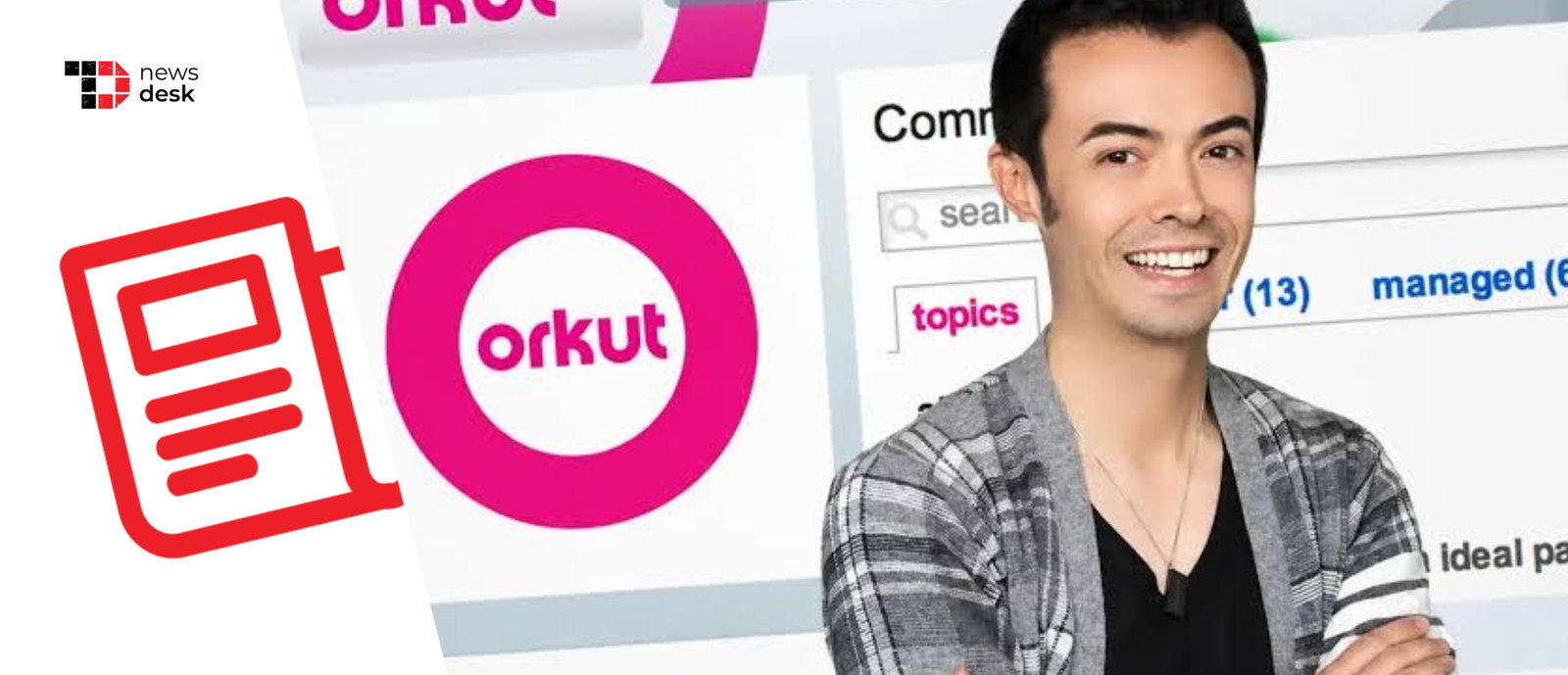
Social Media
Orkut Founder Plans Social Media Comeback As Over 2.6 Lakh Users Back Revival Campaign
Updated on Mon, Oct 12, 2026
Share
Remember Orkut, the social networking platform that ruled the internet before Facebook, Instagram, and other modern social media platforms became popular?
More than a decade after Google shut it down, Orkut founder Orkut Büyükkökten is exploring a comeback, launching an online campaign to gauge public interest in a new social network focused on authentic connections, communities, and human interaction.
The initiative has already attracted hundreds of thousands of supporters, indicating that the nostalgia surrounding the platform remains strong.
TL;DR
- Orkut founder Orkut Büyükkökten has launched a campaign seeking support for the return of the iconic social network.
- ThePrint reported 266,119 signatures from 119 countries on October 9, 2026.
- The proposed platform would prioritize real people, meaningful relationships, and communities over engagement-driven algorithms.
- No official relaunch date or finalized product details have been announced.
Orkut Founder Wants To Bring Back Human Connections To Social Media
According to TechCrunch, Orkut Büyükkökten is asking users to support the revival of his once-popular social networking platform, with the goal of rebuilding meaningful online communities.
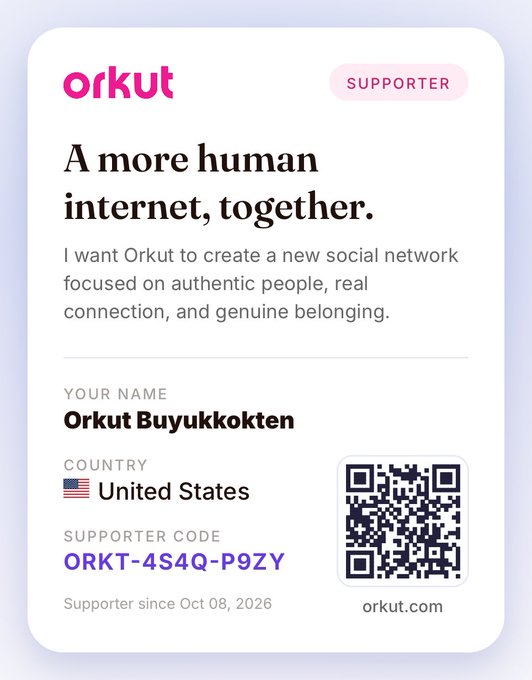
In a post on X, Büyükkökten encouraged people to visit Orkut.com, add their names to the campaign, and invite friends to join the movement.
The initiative comes amid growing criticism of modern social networking platforms, particularly their dependence on engagement-focused algorithms, advertising, and artificial intelligence (AI)-generated content.
In an open letter published on Orkut's official website, Büyükkökten expressed concerns about how social media has changed over the past two decades.
"Artificial intelligence is extraordinary technology, but it’s dissolving the one premise that made social networking special and worth building: that there was a person on the other side," he wrote.
The founder believes modern social media has increasingly prioritized users' attention over building genuine relationships.
Instead, he wants to establish a network where people can develop friendships, participate in interest-based communities, and experience a stronger sense of belonging.
"I know how to get there: we rebuild the internet we first loved. The one with authentic people, real connection, and genuine belonging," Büyükkökten added.
Over 2.6 Lakh People Support Orkut's Possible Return
The campaign has attracted significant attention, particularly among people who remember using Orkut during the early days of social networking.
According to The Print, the official Orkut website had recorded 266,119 signatures across 119 countries at the time of publication. The publication also reported that 1,631 people had signed up during the preceding hour.
The figures highlight the initial response to Büyükkökten's appeal, although petition signatures do not necessarily indicate how many people would actively use a relaunched platform.
Interested supporters can visit Orkut.com, submit their details, and receive a shareable supporter card with a unique code.
However, the website clarifies that signing the petition does not reserve a username, create an account, or guarantee access to any future service.
For now, the campaign is focused on gathering support for a new social networking experience rather than launching a functioning platform.
Why Did Orkut Shut Down In 2014?
Launched in January 2004 as a Google project developed by Büyükkökten, Orkut became one of the most recognizable social networking websites of its time.
It was particularly popular in India and Brazil, where users could connect with friends, exchange scraps, write testimonials, and join communities built around shared interests.
However, the rapid growth of competing social media platforms, particularly Facebook, eventually reduced Orkut's popularity.
Google discontinued the service in September 2014 as it shifted attention toward other products, including Google+ and YouTube.
Büyükkökten subsequently continued exploring social networking concepts.
As TechCrunch reported, he launched Hello in 2016, a social platform designed to connect people through shared interests. That venture also eventually shut down.
In 2022, Büyükkökten indicated on Orkut.com that he was working on something new. He later discussed plans for another social network that could use AI and machine learning to strengthen communities.
Can Orkut Compete With Meta, Instagram, And Other Social Networks?
While Orkut's possible return has sparked nostalgia, competing with established social platforms would present significant challenges.
Meta's Facebook and Instagram, along with TikTok and other platforms, have developed extensive user networks, advertising ecosystems, and sophisticated content recommendation systems.
However, Büyükkökten appears to be targeting a different social networking experience rather than directly replicating those services.
Topics for more insights:
His proposed vision emphasizes interest-based communities, authentic identities, and meaningful conversations instead of maximizing time spent scrolling through algorithm-driven feeds.
Interestingly, the founder is not rejecting artificial intelligence entirely.
According to Orkut's official website, AI could help people discover and strengthen friendships rather than replace human interaction with synthetic content.
This distinction could become important as social platforms face growing questions about bots, deepfakes, AI-generated posts, and online authenticity.
Nevertheless, the proposed approach remains a vision rather than a completed product.
When Will Orkut Relaunch?
Despite the campaign's growing support, Orkut has not officially announced a relaunch date, detailed product specifications, or a confirmed rollout schedule.
TechCrunch also reported that Büyükkökten had not clarified whether a new version of the service was already under development or would ultimately launch.
The publication said its request for comment had not received a response.
Whether the eventual product will resemble the original Orkut or introduce a completely different social networking experience remains uncertain.
For now, the founder is testing whether people still want a social platform built around genuine relationships rather than algorithmic engagement.
The public response suggests considerable interest in that idea, but converting nostalgia into a sustainable social network will be the real challenge.
First published on Mon, Oct 12, 2026

Enjoyed what you've read so far? Great news - there's more to explore!
Stay up to date with the latest news, a vast collection of tech articles including introductory guides, product reviews, trends and more, thought-provoking interviews, hottest AI blogs and entertaining tech memes.
Plus, get access to branded insights such as informative white papers, intriguing case studies, in-depth reports, enlightening videos and exciting events and webinars from industry-leading global brands.
Dive into TechDogs' treasure trove today and Know Your World of technology!
Disclaimer - Reference to any specific product, software or entity does not constitute an endorsement or recommendation by TechDogs nor should any data or content published be relied upon. The views expressed by TechDogs' members and guests are their own and their appearance on our site does not imply an endorsement of them or any entity they represent. Views and opinions expressed by TechDogs' Authors are those of the Authors and do not necessarily reflect the view of TechDogs or any of its officials. While we aim to provide valuable and helpful information, some content on TechDogs' site may not have been thoroughly reviewed for every detail or aspect. We encourage users to verify any information independently where necessary.
Loading comments...