
Manufacturing Technology
China And The Rise Of The Humanoid Robots
Share
Introduction
The shift from ambition to action is what makes this moment different. China’s advanced Chinese humanoid robots are now being tested in factories, trained on real-world data for hours a day, demonstrated at national events, and governed by freshly minted national standards. The humanoid robot market in China is becoming concrete fast.
So, the conversation has moved on. It is no longer just about whether China can build humanoid robots. It is about where they are showing up, which companies are pulling ahead, and what is still standing in the way of wider deployment. Let's get into it.
Why China Is Investing in Humanoid Robots?
The short answer is strategy. China sees its next-gen humanoids as part of the broader China robotics industry, a direct extension of its push into advanced manufacturing, industrial automation, and artificial intelligence leadership.
The policy groundwork came early. A 2023 government roadmap set concrete targets for 2025 and 2027, covering core technology development, supply chain depth, batch production capability, and real-economy deployment. By 2026, those targets were showing up in shipment numbers, national standards, and live factory pilots.
What makes China's approach distinct is that it isn't only building robot bodies. It is simultaneously investing in the data collection infrastructure, dedicated training sites, and supply chain ecosystems that make humanoid robots actually useful. That matters because hardware alone doesn't make a robot reliable. It needs vast amounts of real-world physical data to handle balance, grip, movement, and task variation in unpredictable environments.
In other words, China is playing the long game while also moving fast. The shipment numbers from 2025 are evidence of early commercialization momentum, but the bigger bet is on building the full stack before anyone else gets there first.
How China Is Using Humanoid Robots Today?
Right now, most humanoid robots in China are being used in controlled environments.
A large part of the work is focused on training. In Shanghai, one major training site uses around 100 robots working alongside about 200 human operators. These robots repeat tasks for up to 17 hours a day. The goal is simple: collect physical-world data. This helps improve balance, movement, object handling, and task completion in real conditions.
Factory deployments are the next step for these humanoid robots. Early deployments are focused on tasks like quality inspection, material handling, and basic assembly support. These are structured environments, which makes them easier for robots to operate in. It also gives companies a safer way to test reliability before moving into more complex use cases.
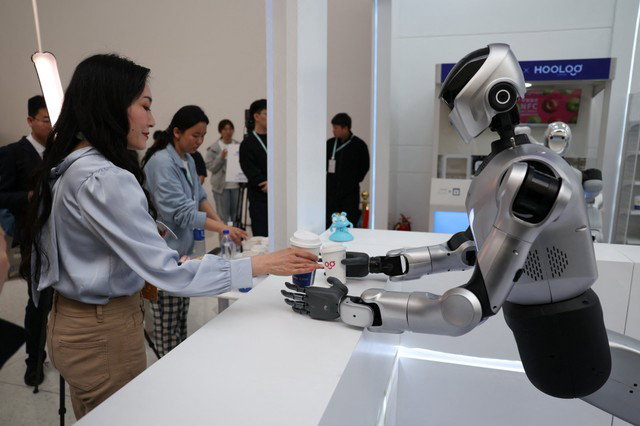
Public demonstrations are also playing a role. They help make the technology easier to understand. In 2026, humanoid robots appeared at major events in Beijing. At the Zhongguancun Forum, robots from Leju Robotics and Galbot were shown serving coffee in a simulated café setup. These moments are less about scale and more about showing what is possible in real time.
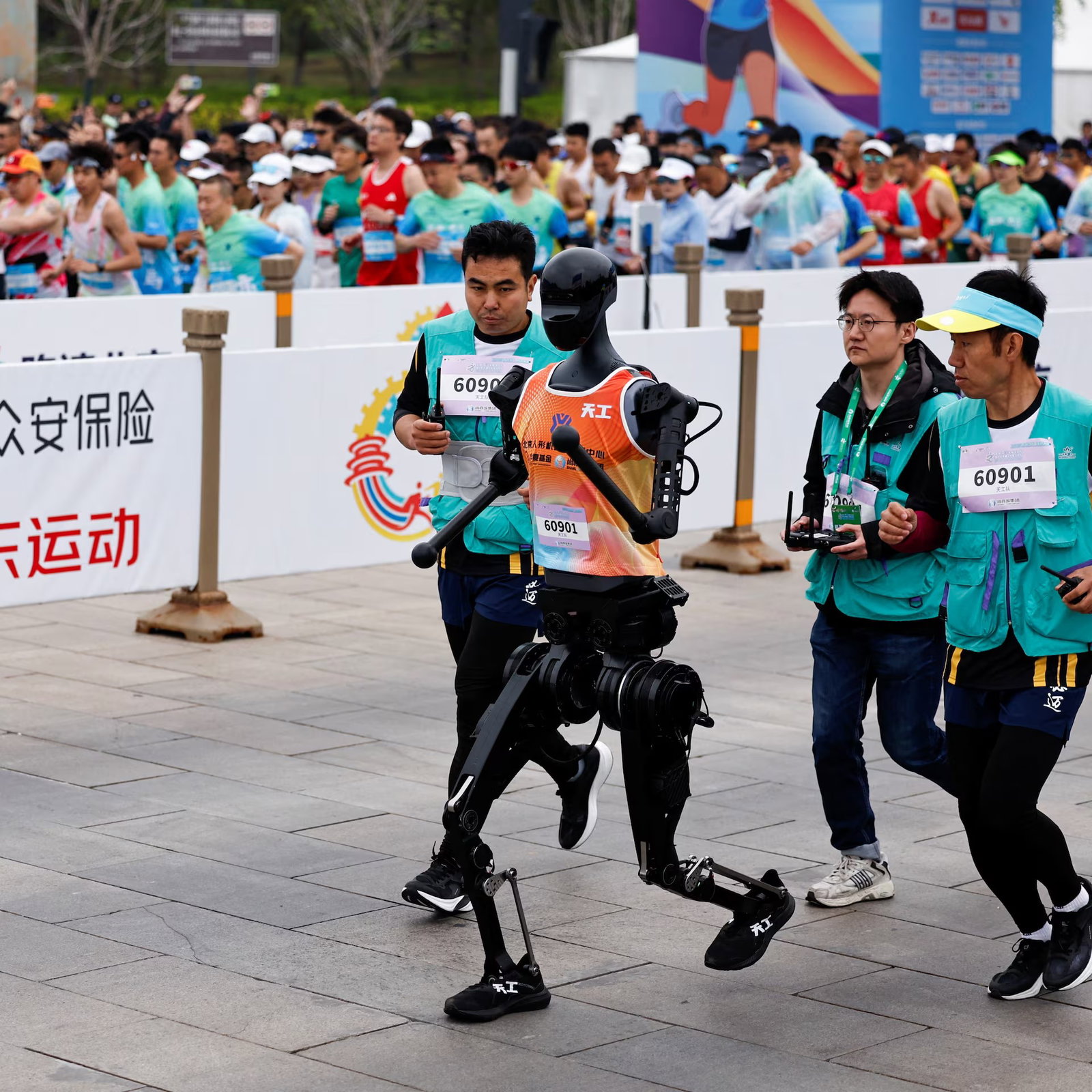
Another widely noticed example came in April 2025. A group of 21 humanoid robots took part in the Beijing Yizhuang half-marathon alongside human runners. One robot, Tiangong Ultra, completed the full 21-kilometer course in 2 hours and 40 minutes. It was not about speed. It showed how much progress has been made in movement and coordination.
Overall, the pattern is clear. China is not pushing humanoid robots directly into everyday life yet. Instead, it is building capability step by step, starting with training, moving into controlled factory use, and then expanding through demonstrations.
What Are The Top Humanoid Robot Companies In China?
A few companies are shaping the global humanoid robot market and getting more attention than the rest. This is based on shipments, factory partnerships, training infrastructure, and visible progress in the market.
-
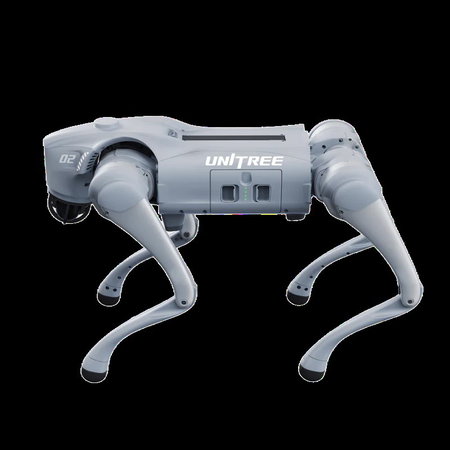
Unitree
Unitree is one of the most visible names in China’s humanoid robot space today. In 2025, the company shipped over 5,500 humanoid robots, accounting for about 32.4% of global shipments.
Its growth has been rapid. In its 2026 IPO filing in Shanghai, Unitree reported a 335% jump in operating income, reaching 1.708 billion yuan in 2025. The company is often seen as a key driver of early commercialization in this market.
-
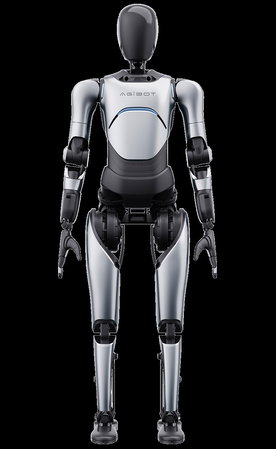
AgiBot
AgiBot stands out for its focus on training and data collection. Instead of only building robots, the company is investing heavily in how those robots learn.
At one of its Shanghai facilities, around 100 robots work alongside 200 human operators to generate physical-world data. This kind of setup is important because humanoid robots need real-world experience to improve movement, balance, and interaction.
-
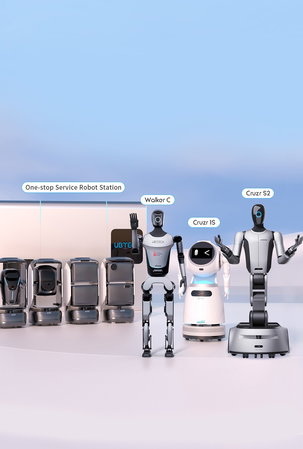
UBTech
UBTech is positioning itself closer to industrial use cases. The company is actively linking humanoid robots to manufacturing environments.
In January 2026, UBTech announced a partnership with Airbus, marking a move into aviation manufacturing. It also reported over 1.4 billion yuan in humanoid robot orders in 2025. By 2026, its production capacity for industrial humanoids is expected to exceed 10,000 units.
China’s humanoid robot market is not limited to just these companies. By 2025, the country had more than 140 manufacturers and over 330 models in development.
That wider ecosystem shows how quickly the space is expanding, even though only a few companies are clearly leading at this stage.
Topics For More Insights
What Are The Challenges China’s Humanoid Robots Still Face?
Even with fast progress, a few challenges are still holding the industry back.
-
Data Gaps
Humanoid robots need large amounts of physical-world data. This is harder to collect than text or image data. Robots must learn balance, grip, movement, and object handling through real-world interaction. Without enough data, performance improves slowly, and human supervision is still required in many cases.
-
Task Limitations
Most humanoid robots can already handle simple, repetitive tasks in structured environments. The challenge is flexibility. Switching between tasks or adapting to unpredictable situations is still difficult. That is why most deployments are still limited to pilots and controlled use cases.
-
Early Deployment Stage
China is ahead in shipments and visibility, but large-scale deployment is still limited. Most current use cases are focused on factory trials, inspection, and guided service roles. Wider adoption across everyday work environments has not happened yet.
-
Emerging Standards
In February 2026, China introduced its first national standard system for humanoid robotics and embodied AI. It covers safety, ethics, and technical requirements. This is an important step, but it also shows how early the industry still is. Standards are still evolving.
-
Global Pressure
Humanoid robots are now part of a broader technology and security conversation. In March 2026, U.S. lawmakers proposed a bipartisan bill to restrict the use of Chinese-made humanoid robots in federal systems. This may not affect China’s domestic growth, but it could slow expansion into certain global markets.
Overall, the direction is clear. The technology is improving quickly, but real-world deployment still depends on better data, more flexibility, and clearer standards.
Conclusion
China’s progress in next-gen humanoids is becoming more visible and measurable.
The humanoid robot market in China now has scale. There are active deployments, growing shipment numbers, defined companies, and early standards in place. What was once mostly experimental is now starting to take shape as a real industry.
At the same time, this is still an early stage. Robots are improving, but challenges around data, flexibility, and real-world reliability are not fully solved yet. Most deployments remain controlled and task-specific.
China has clearly built early momentum. The next phase will depend on how well these robots move from pilots and demonstrations into consistent, everyday use.
Frequently Asked Questions
Why Is China Investing So Heavily In Humanoid Robots?
China sees humanoid robots as part of its larger push in advanced manufacturing, AI, and automation. The focus is on building stronger supply chains, improving industrial efficiency, and moving early into a market that could shape future robotics.
How Are Humanoid Robots Being Used In China Today?
Right now, humanoid robots in China are mainly being used in training sites, factory pilots, inspection work, guided service demos, and public technology events. Most use cases are still controlled and task-specific rather than fully scaled across daily life.
Which Companies Are Leading China’s Humanoid Robot Market?
Some of the most visible names include Unitree, AgiBot, UBTech, and Tiangong-related projects. These companies stand out for shipments, factory partnerships, robot training work, and public demonstrations during 2025 and 2026.
Tue, Mar 31, 2026

Liked what you read? That’s only the tip of the tech iceberg!
Explore our vast collection of tech articles including introductory guides, product reviews, trends and more, stay up to date with the latest news, relish thought-provoking interviews and the hottest AI blogs, and tickle your funny bone with hilarious tech memes!
Plus, get access to branded insights from industry-leading global brands through informative white papers, engaging case studies, in-depth reports, enlightening videos and exciting events and webinars.
Dive into TechDogs' treasure trove today and Know Your World of technology like never before!
Disclaimer - Reference to any specific product, software or entity does not constitute an endorsement or recommendation by TechDogs nor should any data or content published be relied upon. The views expressed by TechDogs' members and guests are their own and their appearance on our site does not imply an endorsement of them or any entity they represent. Views and opinions expressed by TechDogs' Authors are those of the Authors and do not necessarily reflect the view of TechDogs or any of its officials. While we aim to provide valuable and helpful information, some content on TechDogs' site may not have been thoroughly reviewed for every detail or aspect. We encourage users to verify any information independently where necessary.
Loading comments...