
Manufacturing Technology
Ford Ships First Fathom Battery Cells Using CATL Technology Amid U.S. Scrutiny
Updated on Thu, Nov 19, 2026
Share
Ford has begun shipping battery cells made in Michigan for its upcoming Fathom electric truck.
The irony?
Its latest American manufacturing milestone relies on technology licensed from China's CATL, a partnership that has already attracted criticism from U.S. officials.
TL;DR
- Ford's Michigan battery plant has shipped its first lithium iron phosphate (LFP) cells to Louisville for Fathom electric truck prototypes.
- The Ford-owned facility uses licensed CATL technology and can produce 40 battery cells per minute.
- U.S. officials have questioned the CATL arrangement, while Ford maintains control of the plant and expects to qualify for federal manufacturing tax credits.
Ford's Michigan Battery Plant Begins Shipping LFP Cells For Fathom
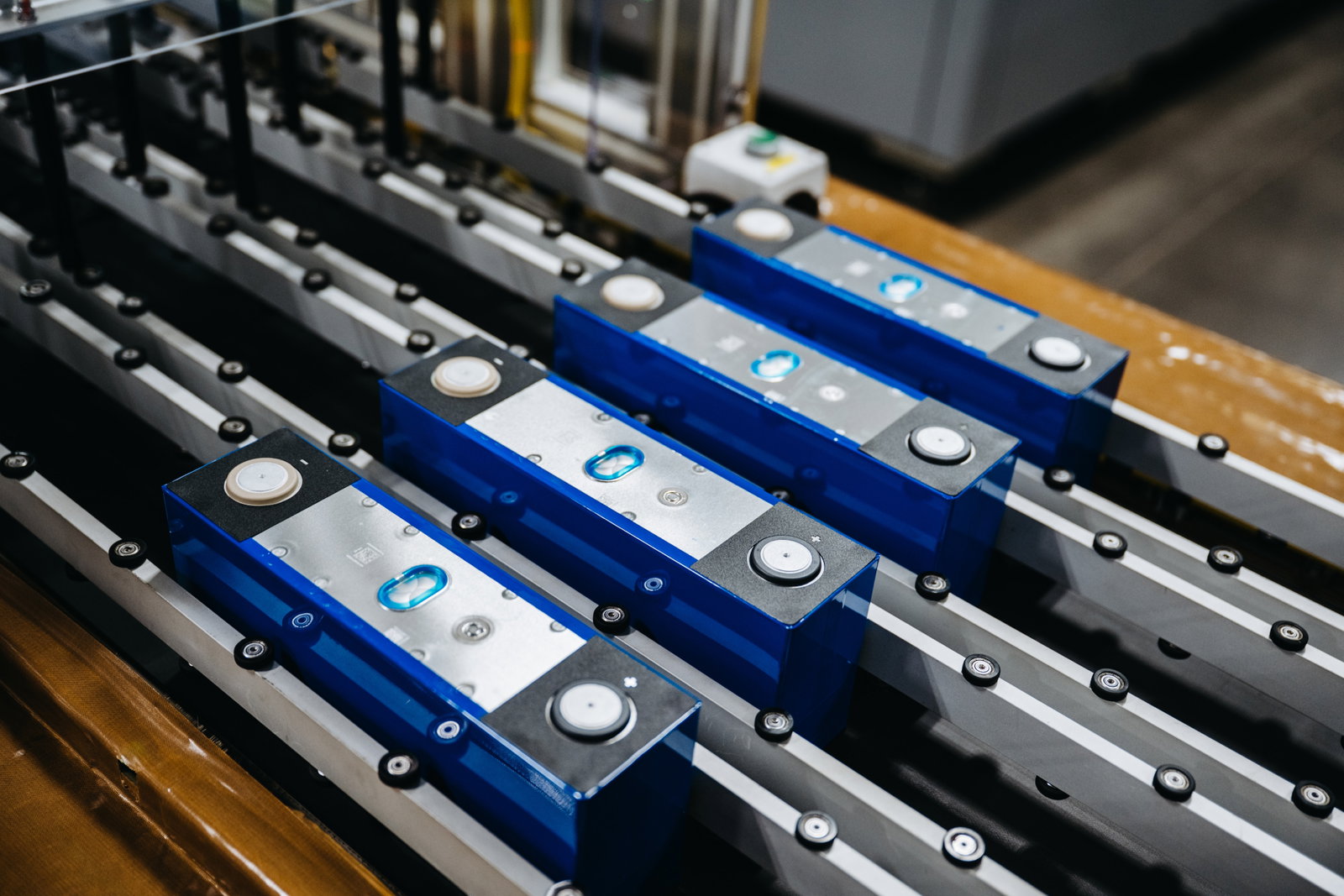
The first shipments come from BlueOval Battery Park Michigan in Marshall, where Ford is manufacturing prismatic lithium iron phosphate (LFP) battery cells for its upcoming midsize electric pickup truck.
As reported on November 18, these cells are headed to Ford's Louisville Assembly Plant in Kentucky for use in Fathom prototypes.
According to Ford's official announcement, its assembly lines can manufacture 40 cells per minute, making the facility one of the fastest LFP prismatic battery production operations outside China.
LFP batteries are generally cheaper than nickel-based alternatives and are considered more durable. Those advantages make the chemistry particularly attractive as automakers pursue more affordable electric vehicles.
Ford's earlier manufacturing update detailed how employees assemble cells through coating, formation, aging, and final inspection, with safety and quality checks built into production.
The company is also using AI-powered image recognition to detect manufacturing defects, with an ambitious goal of measuring defective cells per billion produced rather than per million.
However, the technology behind this American manufacturing operation comes with considerable political baggage.
Ford's CATL Battery Technology Deal Faces U.S. Government Scrutiny
Although Ford owns and operates the Michigan facility, its manufacturing process uses technology licensed from Chinese battery giant Contemporary Amperex Technology Co. Limited (CATL).
That relationship has drawn criticism from Washington.
U.S. Transportation Secretary Sean Duffy expressed that his department was "deeply alarmed" by Ford's dependence on CATL technology in a letter to CEO Jim Farley, as per reports.
Ford strongly rejected the criticism.
In its official response to Duffy, the automaker clarified that its arrangement with CATL is a limited technology-licensing and services agreement, not a joint venture or foreign-owned manufacturing operation.
Ford emphasized that it owns the factory, controls its operations, and employs American workers.
Meanwhile, Alan Clarke, Ford's vice president of advanced development projects, defended the partnership, describing CATL as "the best supplier to get us that technology and help us learn how to produce LFP cells."
The automaker believes working with CATL is the quickest route toward manufacturing affordable electric vehicles domestically.
A Ford spokesperson also said the company still expects to qualify for a federal battery manufacturing tax credit, although its eligibility has not been independently confirmed.
Topics For More Insights
Ford Fathom Targets 2027 Launch As Battery Production Advances
Despite the controversy, Ford is proceeding with development of the Fathom, its first vehicle built on the Universal Electric Vehicle Platform.
According to Ford's official product page, the electric pickup will launch in 2027 with a starting MSRP of $28,350, excluding destination charges and other fees.
Preorders are expected to begin in early 2027, although Ford has not yet disclosed the vehicle's EPA-estimated driving range.
The company also plans to establish battery pack production in Marshall in 2027 and apply its manufacturing expertise to its expanding energy storage business.
For now, the Michigan shipments represent an important step toward domestic battery manufacturing.
The bigger question is whether Ford can turn Chinese-licensed technology into a competitive, affordable American electric truck while addressing Washington's concerns.
First published on Thu, Nov 19, 2026

Enjoyed what you've read so far? Great news - there's more to explore!
Stay up to date with the latest news, a vast collection of tech articles including introductory guides, product reviews, trends and more, thought-provoking interviews, hottest AI blogs and entertaining tech memes.
Plus, get access to branded insights such as informative white papers, intriguing case studies, in-depth reports, enlightening videos and exciting events and webinars from industry-leading global brands.
Dive into TechDogs' treasure trove today and Know Your World of technology!
Disclaimer - Reference to any specific product, software or entity does not constitute an endorsement or recommendation by TechDogs nor should any data or content published be relied upon. The views expressed by TechDogs' members and guests are their own and their appearance on our site does not imply an endorsement of them or any entity they represent. Views and opinions expressed by TechDogs' Authors are those of the Authors and do not necessarily reflect the view of TechDogs or any of its officials. While we aim to provide valuable and helpful information, some content on TechDogs' site may not have been thoroughly reviewed for every detail or aspect. We encourage users to verify any information independently where necessary.
Loading comments...