

Cyber Security
Black Friday Cyberattacks Surge 50% In November; Shipping & Oil Containers Targeted
Updated on Wed, Nov 25, 2026
Share
While retailers prepare to capitalize on Black Friday 2026, cybercriminals appear to have their own plans.
Artificial intelligence (AI) is accelerating cyberattacks, insurance coverage remains alarmingly low among smaller retailers, and cybersecurity threats are extending well beyond storefronts, reaching international shipping vessels.
TL;DR
- November sees ransomware attacks rise 50% above the monthly average across retail, leisure, and hospitality businesses.
- Only 43% of small and midsize retailers have cyber insurance.
- AI is accelerating cyberattacks, with security experts reporting a substantial increase in exposed vulnerabilities.
- US officials reportedly suspect Iranian hackers may be responsible for as many as 50 maritime cyberattacks.
Black Friday 2026 Exposes Retailers' Cyber Insurance Gap
Black Friday and Cyber Monday represent some of the most lucrative trading days for retailers, but they also expose businesses to potentially devastating financial losses from cyberattacks.
According to claims data from specialist insurer CFC, cyber insurance adoption among small and midsize retailers significantly trails financial services (81%) and technology businesses (71%).
The disparity comes despite growing commercial opportunities during the holiday shopping season.
Research from PwC UK forecasts Black Friday spending to reach its highest level since 2022, with participating British shoppers expected to spend £235 ($307) each.
CFC's recently published Cyber Insurance Disconnect research also found that ransomware represents 64% of its cyber claims costs, despite only 30% of surveyed small and midsize businesses identifying it as a major threat.
AI-Powered Cyberattacks Put Retail Revenue And Operations At Risk
Retailers' interconnected supply chains, payment infrastructure, and extensive customer financial records make cybersecurity particularly consequential during peak trading periods.
Rather than purchasing additional insurance specifically for Black Friday, retailers generally prioritize strengthening and testing their existing cybersecurity defenses.
The financial consequences of inadequate protection are already well documented.
Following its 2013 holiday-season data breach, which compromised approximately 40 million payment card accounts, US retailer Target incurred $202 million in net expenses, after accounting for insurance recoveries.
However, businesses now face the additional challenge of increasingly capable AI-powered attacks.
According to Francisco Donoso, chief product and technology officer at Beazley Security, AI is accelerating attacks, while the number of vulnerabilities being exposed has grown nearly sixfold year over year.
Although AI is also enhancing cybersecurity defenses, concerns surrounding its offensive capabilities recently prompted more than 150 technology and cybersecurity companies to call for collective action against rogue AI cyberattacks.
Meanwhile, the risks of compromised digital infrastructure are becoming increasingly apparent at sea.
Topics For More Insights
Suspected Iranian Cyberattacks Target Oil And Shipping Tankers
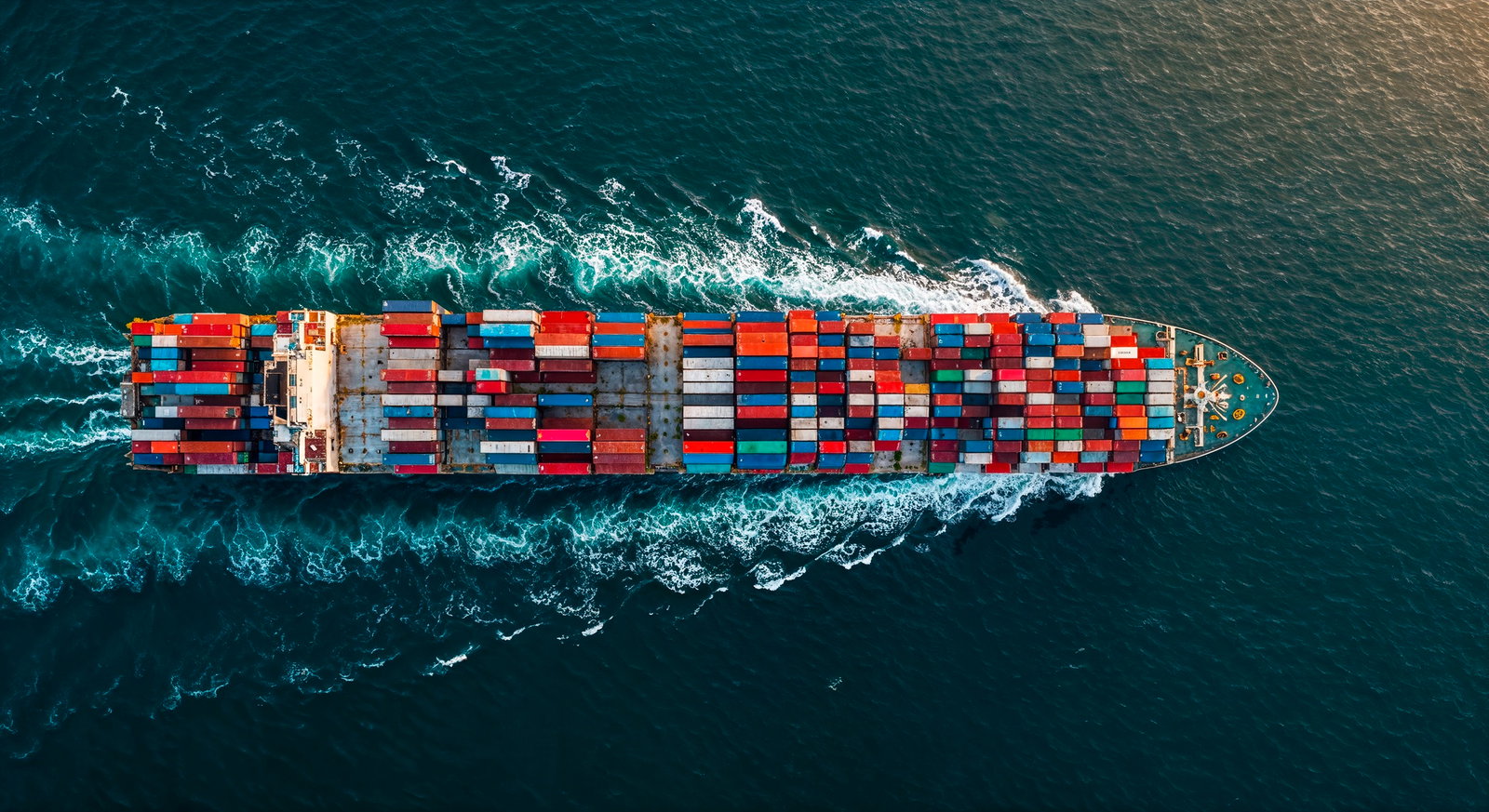
US authorities are reportedly investigating suspected Iranian involvement in recent maritime cyberattacks involving vessels transporting oil, liquefied gas, and hazardous chemicals across Europe and Asia.
Investigators are examining whether the attacks were intended to disrupt shipping operations or threaten port safety.
Among the suspected avenues of compromise is FortiBleed, a cybersecurity campaign targeting Fortinet networking equipment.
Interestingly, Fortinet previously clarified that FortiBleed does not represent a newly discovered vulnerability. Instead, the company associated the activity with compromised credentials and inadequate authentication protections.
Fortinet recommended resetting affected credentials, implementing multifactor authentication, reviewing system configurations, and restricting external administrative access.
While Iranian involvement remains unconfirmed and there is no established evidence that AI facilitated the maritime attacks, both developments highlight the consequences of inadequate cybersecurity preparedness across industries increasingly dependent on connected infrastructure.
First published on Wed, Nov 25, 2026

Enjoyed what you read? Great news – there’s a lot more to explore!
Dive into our content repository of the latest tech news, a diverse range of articles spanning introductory guides, product reviews, trends and more, along with engaging interviews, up-to-date AI blogs and hilarious tech memes!
Also explore our collection of branded insights via informative white papers, enlightening case studies, in-depth reports, educational videos and exciting events and webinars from leading global brands.
Head to the TechDogs homepage to Know Your World of technology today!
Disclaimer - Reference to any specific product, software or entity does not constitute an endorsement or recommendation by TechDogs nor should any data or content published be relied upon. The views expressed by TechDogs' members and guests are their own and their appearance on our site does not imply an endorsement of them or any entity they represent. Views and opinions expressed by TechDogs' Authors are those of the Authors and do not necessarily reflect the view of TechDogs or any of its officials. While we aim to provide valuable and helpful information, some content on TechDogs' site may not have been thoroughly reviewed for every detail or aspect. We encourage users to verify any information independently where necessary.
Loading comments...