
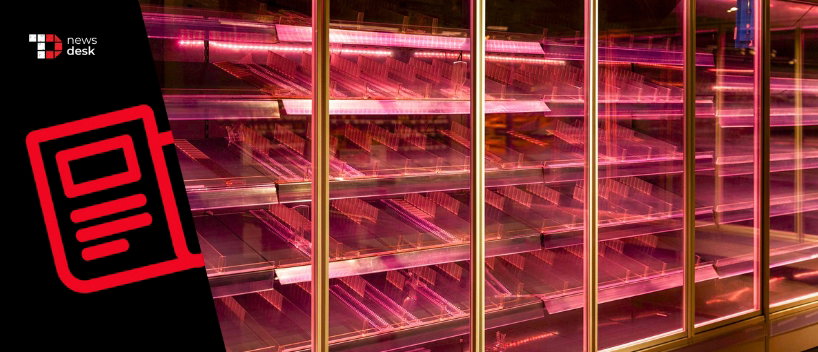
Imagine a cyberattack that doesn't steal data but turns supermarket freezers into heaters!
France has accused Iranian military hackers of manipulating refrigeration systems across roughly 700 retail locations, causing food spoilage, millions in losses, and at least 15 fires. Meanwhile, similar attacks have threatened blood storage facilities, raising concerns about the security of internet-connected industrial equipment.
TL;DR
- France has blamed an Iranian Revolutionary Guard cyber unit for October attacks that sabotaged refrigeration systems at around 700 retail sites.
- The hackers remotely changed temperature settings, causing tens of millions of euros in damage and at least 15 fires.
- A separate November attack targeted French blood storage facilities, but monitoring systems prevented damage to blood products.
Iranian Hackers Target 700 French Retail Sites Through Refrigeration Systems
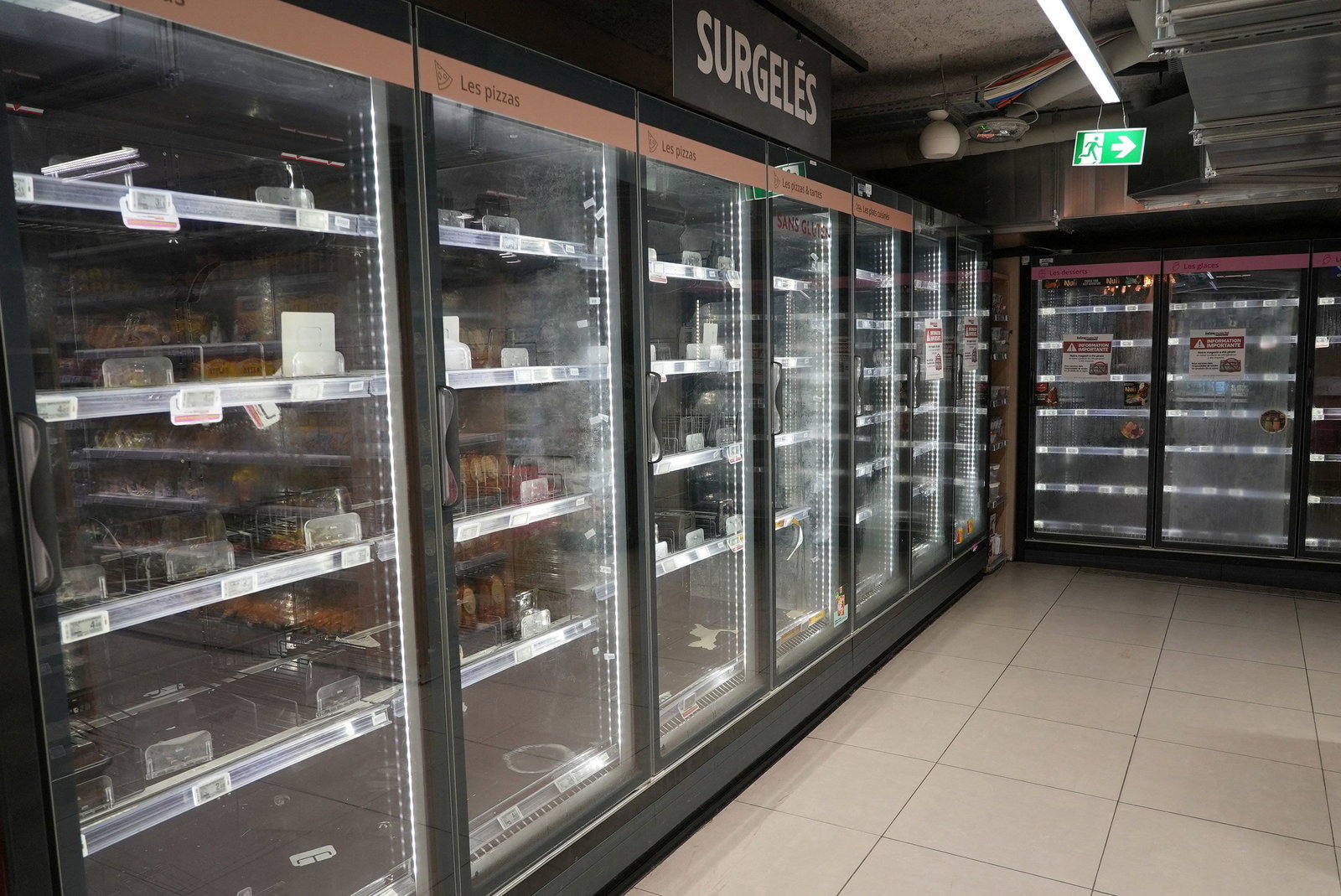
Between October 11 and 12, hackers accessed internet-connected controllers managing commercial refrigerators and freezers across France.
Instead of stealing information, the attackers manipulated defrost settings, causing equipment to overheat and leaving retailers with large quantities of spoiled food.
According to France's Foreign Ministry, the sabotage caused food losses estimated at tens of millions of euros.
The country's national cybersecurity agency, ANSSI, also reported at least 15 fires and additional victims, including butcher shops, a slaughterhouse, and food-processing facilities.
Interestingly, the same campaign also targeted Schneider Electric equipment at small hydroelectric installations, although the impact there was limited.
Investigators attributed the October attacks to Shahid Kaveh, a cyber unit affiliated with Iran's Islamic Revolutionary Guard Corps (IRGC).
The evidence included digital infrastructure patterns, attack tools, traces of Farsi, and propaganda activity associated with the group.
French Foreign Minister Jean-Noël Barrot said, “I am able to confirm that responsibility for this act lies with the Islamic Revolutionary Guard Corps.”
However, the supermarket disruption was only part of Europe's emerging refrigeration cybersecurity problem.
French Blood Banks Escape Damage As Refrigeration Cyberattacks Spread Across Europe
A fresh wave of attacks in early November affected more than 100 European establishments, with similar malicious activity threatening refrigeration equipment at three French Blood Establishment (EFS) plasma-storage sites.
Attackers attempted to raise temperature and defrost thresholds to dangerous levels. However, monitoring systems detected the manipulation, allowing employees to secure or relocate stored plasma.
As per reports, no blood products or samples were damaged, and blood collection and distribution continued uninterrupted.
The incident involved a refrigeration equipment supplier rather than a direct compromise of EFS systems.
Meanwhile, Dutch supermarket operator Ahold Delhaize warned that the disruptions could reduce fourth-quarter sales by up to €250 million and operating income by as much as €100 million.
Importantly, French authorities have not publicly attributed the November wave to Shahid Kaveh, despite similarities between the attacks.
France Seeks Arrest Warrants And European Sanctions Against Iranian Hackers
Following the October investigation, French prosecutors sought international arrest warrants for suspected members of Shahid Kaveh.
France also announced plans to summon Iran's ambassador and propose additional European Union sanctions against individuals and organizations involved in malicious cyber operations.
The government has characterized the October incident as a deliberate sabotage campaign rather than conventional cybercrime.
Iranian officials had not immediately responded to requests for comment when the allegations were reported.
The episode also follows wider concerns about alleged state-linked cyber operations, including an earlier Iran-linked cyberattack affecting Los Angeles Metro.
However, the two incidents involve different reported hacking operations, and no direct operational connection has been established.
Topics For More Insights
FBI Warns Businesses To Secure Industrial Refrigeration And Cold-Chain Systems
The incidents have also prompted warnings from American cybersecurity authorities.
In a joint advisory highlighted by the FBI, U.S. agencies warned that attackers are targeting industrial refrigeration and cold-chain monitoring systems through unpatched controllers, internet exposure, and default passwords.
Organizations were urged to disconnect controllers from the public internet, secure necessary remote access behind firewalls, update credentials, establish safe temperature limits, and ensure alerts reach responsible employees.
Some affected refrigeration controllers reportedly use outdated firmware or models that no longer receive security updates, making defensive upgrades especially important.
The risks extend beyond supermarkets to healthcare, agriculture, and other industries handling temperature-sensitive products.
These concerns echo the growing focus on operational technology protection highlighted in TechDogs' 2026 cybersecurity trends.
While France pursues diplomatic and legal action over the October sabotage, the identity of those responsible for the subsequent November refrigeration attacks remains unresolved.
