
Artificial Intelligence
Anthropic Restricts Claude Code From Recreating Existing Video Games To Protect IP
Updated on Mon, Nov 2, 2026
Share
Artificial intelligence (AI) company Anthropic has updated its Claude Code instructions to discourage users from recreating existing video games, citing intellectual property (IP) concerns. The change targets copies of specific games while continuing to support original game development, genre-based projects, and games built using users' own designs and assets.
TL;DR
- Anthropic has added new instructions to Claude Code using Opus 5.5 to discourage recreations of existing video games.
- Developers can still use Claude to create original titles, genre-based games, and projects using their own assets.
- Anthropic says the restriction is intended to prevent intellectual property infringement, although questions remain about how the tool distinguishes inspiration from copying.
Anthropic Updates Claude Code To Restrict Video Game Cloning
Anthropic is tightening how its AI coding assistant handles requests to recreate existing video games, as concerns grow around AI-generated copies of popular gaming titles.
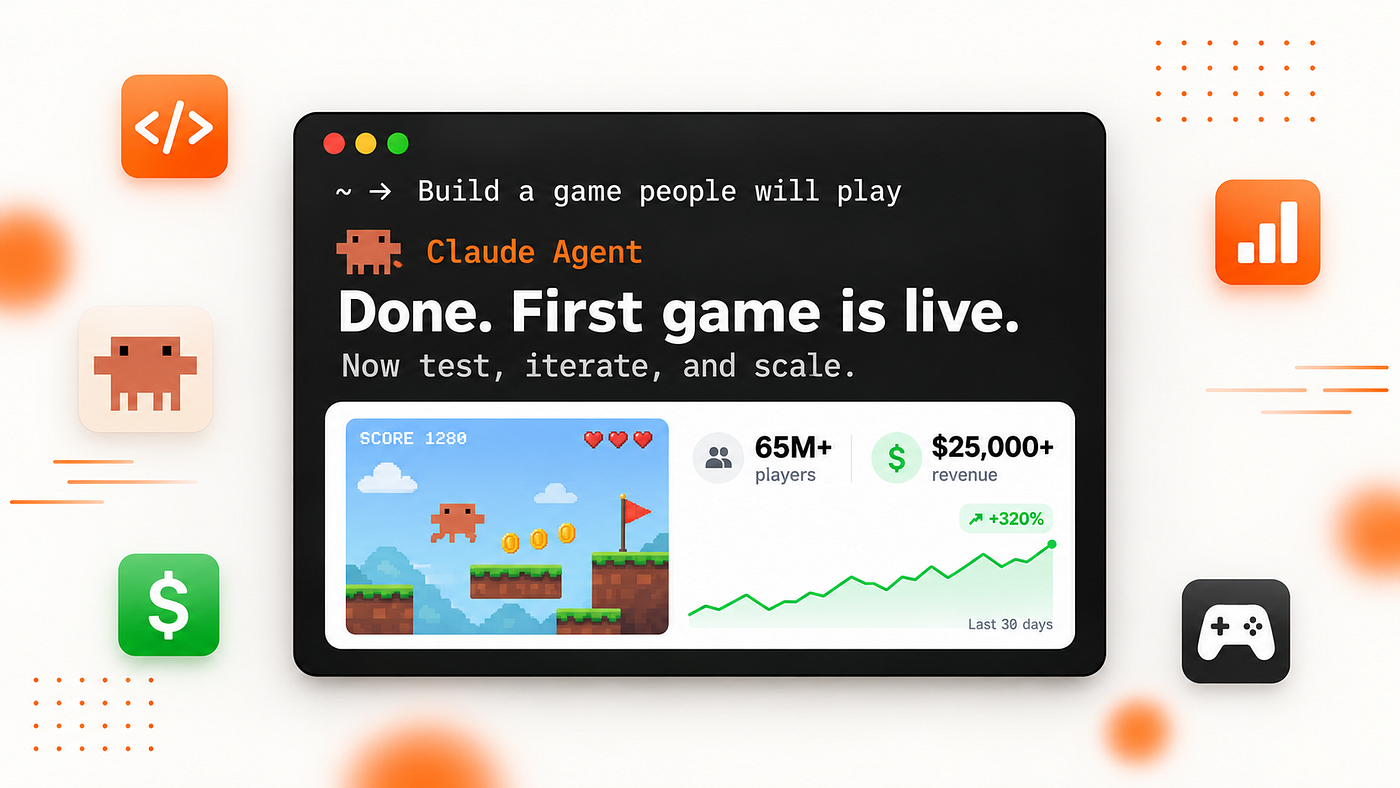
According to a report by Money Control, the company has introduced instructions preventing Claude from reproducing a specific existing game, even when users rename the project or describe it as an original creation.
The change was initially identified by an X user known as Chasm, who discovered the new instructions within Claude Code. As reported by Engadget the instructions explicitly distinguish between developing original games and recreating somebody else's work.
The rule states: “Do build original games, games in a genre, and games from the user's own designs and assets. Do not build a recreation of a specific existing game, even if it is renamed or called original.”
The restriction is particularly relevant for developers who use AI-powered coding tools to reproduce the mechanics, presentation, and functionality of established video games. However, Anthropic is not prohibiting AI-assisted game development altogether.
Anthropic Explains Its Intellectual Property Concerns
Addy Osmani, a member of Anthropic's technical staff, confirmed the change in a post on X on October 30.
According to reporting by Game Developer, Osmani explained that the company added two sentences to the Claude Code prompt for Opus 5.5 to discourage users from recreating specific existing games.
The company maintains that using Claude to infringe intellectual property rights violates its usage policy. Osmani also clarified that original games, projects belonging to established gaming genres, and titles created using users' own designs and assets should continue to work.
Anthropic intends to refine the restrictions to maintain a balance between supporting legitimate game development and discouraging unauthorized copying.
The distinction matters because developers can draw inspiration from an existing genre without necessarily copying a particular game's protected content. For example, the reported instructions allow developers to create original games within an established genre. However, requests to reproduce a particular existing game under another name are what Anthropic is attempting to discourage.
AI-Generated Game Clones Raise Concerns Among Developers
Anthropic's decision comes amid growing scrutiny of generative AI tools being used to recreate existing video games.
Engadget reported that AI-assisted fan projects have recreated experiences associated with major franchises, including Halo: Combat Evolved, Call of Duty: Modern Warfare 2, and Grand Theft Auto V.
Such projects demonstrate the increasing capabilities of AI-powered coding tools, but also raise questions about ownership, originality, and the unauthorized reproduction of copyrighted material.
The concerns extend beyond established gaming franchises. Game Developer reported that Digital Sun Games canceled a planned public playtest for its upcoming game ReVamp because of concerns that AI tools could be used to imitate its work before release.
The development highlights a potential challenge for independent gaming studios, particularly those that depend on early demos and public playtests to attract interest before launching their games. For such developers, the ability to rapidly reproduce gameplay concepts and visual elements could create additional competitive and intellectual property risks.
What Does The Restriction Mean For Claude Developers?
For developers using Claude Code, the change establishes a clearer distinction between original development and requests to reproduce someone else's specific game.
Users should still be able to build games from scratch, experiment with established gaming genres, develop new mechanics, and create projects using their own designs and assets. However, attempts to recreate an identifiable existing game may encounter refusals, even when the requested project has a different name.
Topics for more insights:
The implementation also raises questions about how accurately Claude can distinguish legitimate game development from potentially infringing requests. Game Developer noted that it remains unclear how Claude would determine whether a user owns the game concepts or assets involved in a particular request.
Anthropic has acknowledged the need to refine the system and has encouraged developers to report instances in which legitimate projects are incorrectly rejected. The company has not established that every potentially infringing recreation can be detected or prevented.
The confirmed change specifically addresses recreations of existing games. Reports of broader restrictions affecting reverse-engineering tasks should not be treated as evidence of a blanket prohibition without further confirmation.
For now, Anthropic's decision signals a more cautious approach to AI-assisted game development, as coding assistants become capable of generating increasingly sophisticated interactive experiences.
First published on Mon, Nov 2, 2026

Enjoyed what you read? Great news – there’s a lot more to explore!
Dive into our content repository of the latest tech news, a diverse range of articles spanning introductory guides, product reviews, trends and more, along with engaging interviews, up-to-date AI blogs and hilarious tech memes!
Also explore our collection of branded insights via informative white papers, enlightening case studies, in-depth reports, educational videos and exciting events and webinars from leading global brands.
Head to the TechDogs homepage to Know Your World of technology today!
Disclaimer - Reference to any specific product, software or entity does not constitute an endorsement or recommendation by TechDogs nor should any data or content published be relied upon. The views expressed by TechDogs' members and guests are their own and their appearance on our site does not imply an endorsement of them or any entity they represent. Views and opinions expressed by TechDogs' Authors are those of the Authors and do not necessarily reflect the view of TechDogs or any of its officials. While we aim to provide valuable and helpful information, some content on TechDogs' site may not have been thoroughly reviewed for every detail or aspect. We encourage users to verify any information independently where necessary.
Loading comments...