
Gaming Technology
The Psychology Of Gaming: Why Games Are So Addictive?
Share
Introduction
At first, it feels harmless. You tell yourself you will stop after this round. The controls are familiar, the goals are clear, and the game pulls you in without much effort.
Then you check the time.
It is already much later than you planned, and you tell yourself, just one more round or one more level. That moment is where game design uses basic psychology to keep you playing longer than expected.
That makes the real question simple: what is happening in our minds when a game feels hard to stop? To understand this, we need to look at the psychology behind how games are designed.
TL;DR
-
Games feel rewarding because they use clear goals, quick feedback, progress tracking, and social connection to engage players.
-
Gaming becomes a problem when it affects sleep, work, relationships, emotions, or leads to loss of control.
-
Understanding gaming psychology helps players set limits, enjoy games responsibly, and maintain balance in daily life.
What Is Psychology Of Gaming?
The psychology of gaming is the study of why you play games, how they make you feel, and how game design influences your behavior. It considers motivation, reward, attention, learning, and social connection.
When you level up, win a match, or unlock a new item, your brain receives positive feedback that you want to replicate. Psychology also explains why certain games help us relax, focus, and pass the time quickly. It explains how stories, music, challenge levels, and progress bars keep us engaged, and how friends, teams, and online communities provide incentives to return.
Now that you understand the psychology behind gaming, let’s look at why games feel so rewarding.
Why Games Feel Good?
-
Clear Goals
Games make your goals clear. Complete the level, win the match, and proceed to the next area. Life isn't usually that neat. When you are having a busy day, this focus can help you relax. No matter how small the win is, your brain likes to know what "success" looks like.
-
Fast Feedback
It does something right away when you press a button. You learn quickly each time you try. Because your brain is constantly generating new answers, this short loop sustains your attention. You will not have to wait long to see if you improved at all.
-
Visible Progress
Levels, ranks, XP, upgrades, streaks. These are simple progress meters. They show growth in a way real life often does not. That is why even short play sessions can feel satisfying. It looks like progress, so it feels like progress.
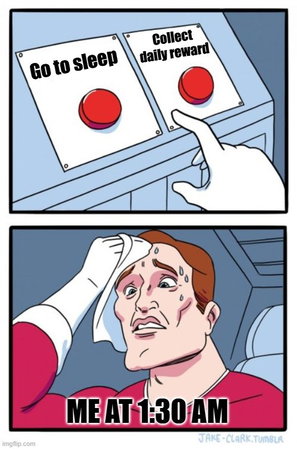
What keeps people coming back repeatedly to gaming? Time to find out.
Why do You Keep Playing Games?
-
Surprise Rewards
Certain awards are not fixed. You could get a rare item, a bonus, or a better outcome than the last time. The "maybe this time" notion keeps your mind intrigued. The game does not have to be different every minute. The prize only needs to feel attainable.
-
Social Pull
Games are not just solo play anymore. According to ESA, approximately 90% of gamers enjoy some online gameplay, and 72% believe that video games foster a sense of community. When friends are online, leaving can make you feel left out. Staying can make you feel part of something bigger.
-
Easy Access
It is even easier to start playing games on your phone. ESA reports that phone gaming has grown 136% over the past 12 years and that 78% of players now use a phone or tablet to play. You can play short games multiple times a day if you always have one with you.
-
Limited Time Events
There are timed events, daily prizes, and season passes in a lot of games. These stir up a sense of need. You sign up "just to collect," then play "just to finish one task," and so on. The session gets longer. It looks like you are leaving something unfinished when you stop.
-
Feeling Skilled
Games make you feel capable quickly. You learn a move, improve your timing, complete a difficult level, or advance in rank. Even minor progress feels justified. People return because the experience of "I am getting better" is straightforward, visible, and fulfilling.
However, gaming can sometimes become a problem.
When Does Gaming Become A Problem?
Here are some common problems that arise when gaming becomes your priority.
-
Hard To Stop
You intend to play for a short period, but you keep going. You try to halt, then restart. This is more important than a single long practice session over the weekend. The warning indicator is when finishing the practice feels more difficult than starting it.
-
Gaming Comes First
Eventually, gaming takes time away from important things like work, school, family time, sleep, and food. Not a break; the game becomes the main priority. Usually, this happens gradually, so it may appear normal. It will then be easier to fit in other things into your schedule.
-
Money And Spending
You spend more on add-ons, skins, loot boxes, or in-game passes than you expected to. You say to yourself, "Just this once," yet it happens again.
-
Feeling Low Without It
It is tough because you cannot play when you are bored, angry, or sad. You turn to gaming to feel better. In that moment, it stops being a choice and starts being something you need.
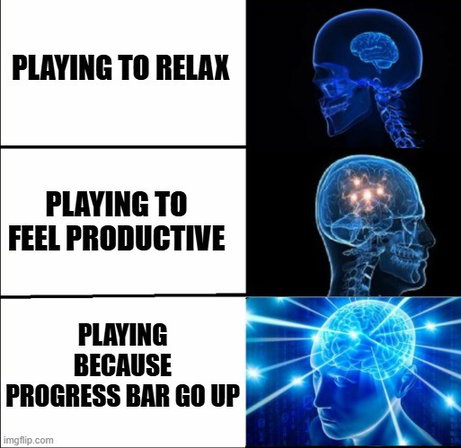
With a few simple steps, gaming can stay enjoyable.
For More Context
What Are The Simple Ways To Keep It Healthy?
-
Set A Stop Point
Set a definite boundary before you start. Two games. Three levels. Half an hour. This works because your brain does not work well when you are in the middle of a game. A simple stop rule allows you conclude the session without fighting with yourself at 1 AM.
-
Stop On A Clean Break
End after a level, a match, or a checkpoint. You put it off because stopping mid-task feels harder. It feels natural to pause when you have clean breaks. Your brain obtains closure, which makes it easier to let go.
-
Reduce Pull Back Triggers
Turn off notifications that are not necessary. Take the game symbol off your main home screen. Do not leave the game running in the background. A little friction is helpful. The goal is not to win the game.
-
Protect Sleep First
Fix that first if the game keeps you up at night. Set a time limit and follow it every time. Do not put your phone next to your bed. If needed, set an alarm. Getting more sleep makes it easier to stop, concentrate, and enjoy the game without being worn out.
-
Add One Offline Reset
Games are enjoyable because you can see your progress clearly. Try adding a simple progress habit that is not related to gaming. Taking a walk every day. Just reading ten pages. Picking up a little skill. This gives your brain an alternative way to track progress, so gaming does not become your only way to unwind.
So what does all this mean in the end?
Final Thoughts
Games feel good because they are designed to work with how our minds function. Clear goals, fast feedback, visible progress, and social connection make gaming enjoyable and rewarding. For most people, this is not a problem. Games help us relax, focus, and take short breaks from daily stress.
The issue starts when the balance shifts. When games begin to replace sleep, work, relationships, or emotional coping, the same design elements that once felt fun can start to feel controlling. That does not mean games are bad. It means they are powerful.
Understanding the psychology of gaming gives us control back. When we know why games pull us in, we can enjoy them more consciously, set better limits, and keep gaming as a healthy part of life rather than something that runs it.
Frequently Asked Questions
What Is The Psychology Of Gaming?
The psychology of gaming explains why people play games, how games affect emotions, and how design elements influence player behavior and habits.
Why Do Games Feel So Hard To Stop?
Games use rewards, clear goals, progress tracking, and social features to encourage players to play longer than planned.
Is Gaming Always Bad For Mental Health?
No. For most people, gaming is a healthy way to relax. Problems start only when gaming replaces sleep, work, or daily responsibilities.
Wed, Feb 11, 2026

Enjoyed what you've read so far? Great news - there's more to explore!
Stay up to date with the latest news, a vast collection of tech articles including introductory guides, product reviews, trends and more, thought-provoking interviews, hottest AI blogs and entertaining tech memes.
Plus, get access to branded insights such as informative white papers, intriguing case studies, in-depth reports, enlightening videos and exciting events and webinars from industry-leading global brands.
Dive into TechDogs' treasure trove today and Know Your World of technology!
Disclaimer - Reference to any specific product, software or entity does not constitute an endorsement or recommendation by TechDogs nor should any data or content published be relied upon. The views expressed by TechDogs' members and guests are their own and their appearance on our site does not imply an endorsement of them or any entity they represent. Views and opinions expressed by TechDogs' Authors are those of the Authors and do not necessarily reflect the view of TechDogs or any of its officials. While we aim to provide valuable and helpful information, some content on TechDogs' site may not have been thoroughly reviewed for every detail or aspect. We encourage users to verify any information independently where necessary.
Loading comments...