

Artificial Intelligence
What Is Ox Alpha? Inside The Viral 1M-Context Stealth AI Model
Share
TL;DR
-
Ox Alpha appeared on OpenRouter on August 20, 2026, with an unnamed third-party provider behind it.
-
It is designed for coding, sustained agentic work, complex reasoning, and production workloads.
-
The model offers a 1,048,576-token context window and supports up to 131,072 output tokens.
-
It accepts text, image, and video inputs while supporting tool calling and structured JSON output.
-
As of August 25, 2026, OpenRouter lists prompt and completion tokens as free, while OpenCode promoted free access for one week.
-
Nobody has confirmed who built Ox Alpha, despite theories pointing toward Z.ai's GLM family or Microsoft's MAI models.

Introduction
Have you seen Smallville? It is a TV show about the formative years of Superman and his emergence, trials, and tribulations as a superhero.
For years (read seasons), Clark Kent saved and protected the people of the small town of Smallville from a wide range of dangers, both local and alien.
Eventually, people took notice but still had no clue who he was. It wasn't until he began anonymously saving people in Metropolis that he became known as The Red-Blue Blur, or simply, The Blur. The show ran for 10 seasons before the iconic Man of Steel finally took flight and earned the title Superman.
In the real world, we have a new superhero among us, albeit on the digital side of things. This superhero has arrived offering people free access to a superpowered AI model that could help them improve their workflows. But there's a catch.
Ox Alpha has emerged stealthily to bring users a 1-million-token AI model capable of coding, complex reasoning, long-running agentic work, and handling visual context. However, is it truly free? Will it stay that way for long?
Dive in as we explore all about this viral new AI model.
What Is Ox Alpha?
Strip away the cape and mystery, and Ox Alpha is a reasoning model built primarily for coding, sustained agentic work, complex reasoning, and production workloads.
OpenRouter lists it as stealth/ox-alpha, with an anonymous third-party provider developing and operating the model during its preview. OpenRouter routes requests to it but says it is not the developer, owner, or provider.
Simply put, it is an AI model focused on coding, sustained agentic work, and other long-running, practical workloads. The Ox Alpha reasoning model can accept text, images, and video as input, return text, call tools, and produce structured JSON output.
That makes Ox Alpha AI relevant to developers building coding assistants, software agents, and workflows that need to keep working across multiple steps.
It belongs to the wider wave of emerging technology reshaping artificial intelligence, including generative artificial intelligence and GenAI systems designed to do more than simply answer prompts. Yet the unusual part is not only what it can do. It is that the company behind it has not stepped forward.
Like The Blur, we know what this newcomer is doing before we know who is behind the identity. That mystery, however, is only half the reason people started paying attention.
Why Is Ox Alpha Going Viral?
The Ox Alpha stealth model did not arrive with a keynote, a flashy launch event, or even a named developer.
It appeared on OpenRouter on August 20, 2026, and the combination of capable-looking specifications, anonymity, and free access quickly turned it into a viral talking point among developers.
Basically, it is going viral because it feels superpowered, is currently free to use, and no one really knows who is behind it.
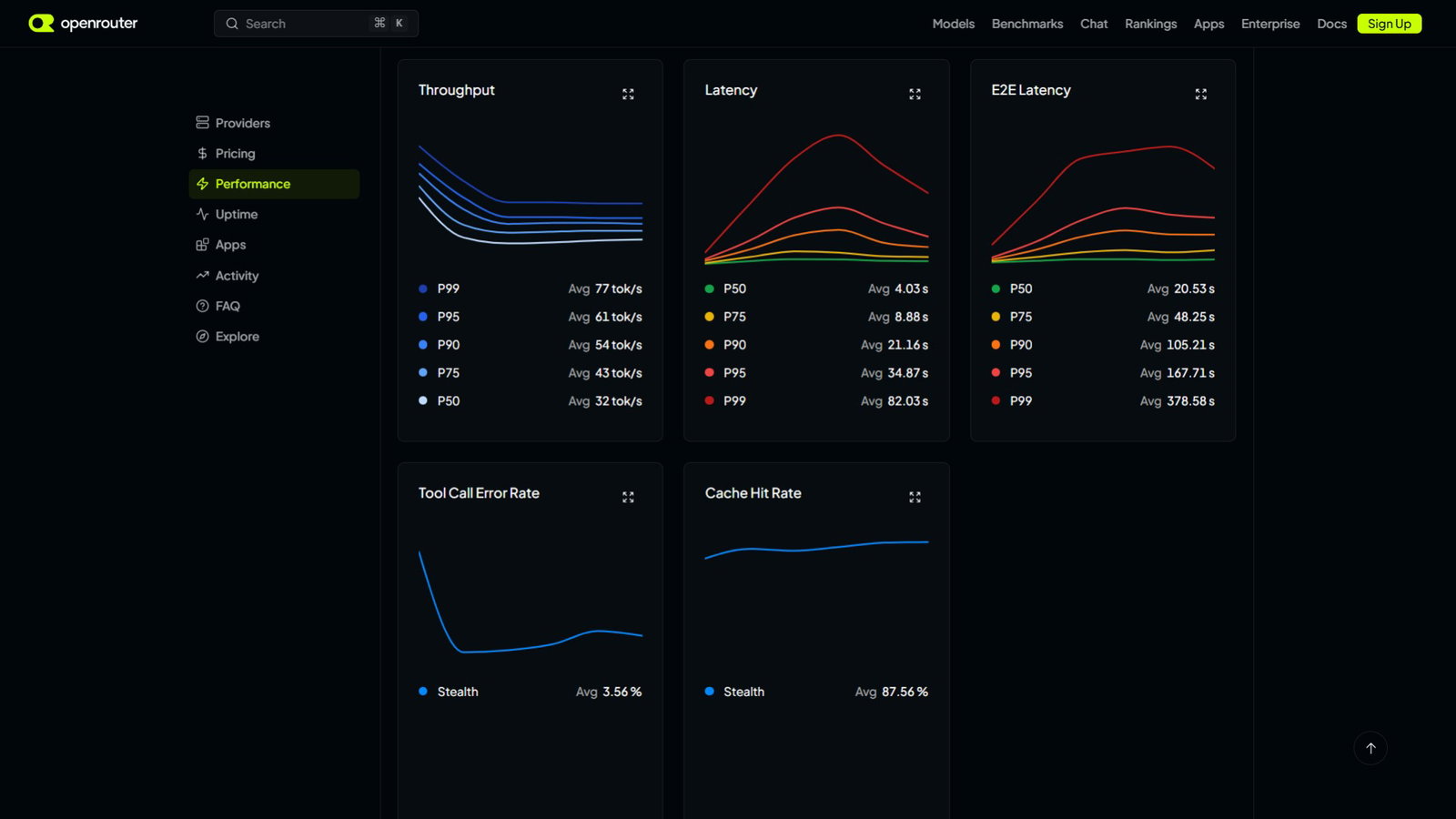
OpenCode added more fuel by promoting free access for one week with "near unlimited usage," while saying the provider had the capacity to serve 100 trillion tokens per day. That figure refers to overall serving capacity, not an individual user's token allowance.
OpenCode later offered another sign of just how heavily the model was being used, reporting 26 trillion Ox Alpha tokens in just four days. However, that figure represents token volume rather than the number of individual users, and OpenCode has not publicly broken down how much came from repeated context, input, or output.
Heavy usage is one thing, but staying free is another, and that distinction matters because "free" does not automatically mean permanently free.
As of August 25, 2026, the stealth Ox Alpha OpenRouter listing shows both input and output pricing at zero. OpenCode described its offer as a limited one-week promotion, and no public statement guarantees that the model will remain free after the preview.
That leaves an obvious question.
Is Ox Alpha Really Free To Use With A 1-Million-Token Context Window?
As of August 25, 2026, the answer on OpenRouter is yes. Users can currently access the model without prompt or completion token charges there, but its longer-term pricing has not been publicly established.
Free access got people through the door. The unusually large context window is what gives them something substantial to test once they are inside.
What Can Ox Alpha Do With A 1-Million-Token Context Window?
Ox Alpha's standout specification is its 1,048,576-token context window, paired with support for up to 131,072 output tokens.
In simpler terms, the context window is the amount of information the model can keep available while working through a request or conversation. A 1 million context window gives users far more room to provide lengthy code, documentation, transcripts, or other material without immediately splitting everything into smaller prompts.
That matters most for the kind of work Ox Alpha is designed to perform.
A developer could give it a large codebase or extensive project documentation and ask it to trace bugs, reason across files, refactor code, or continue a multi-step software task while keeping more of the original material in view. Its text, image, and video inputs also let visual material such as screenshots, diagrams, and interfaces become part of the same workflow.
The 131,072-token completion limit is separate from the context window.
It determines how much text the model can return in a response, giving it room for unusually long outputs when a task requires them. That can matter for large code changes, extensive explanations, or other multi-part results.
The model supports tool calling through tools and tool_choice, which means applications can let it invoke functions or external tools as part of an agentic process. It also supports JSON responses through response_format, although OpenRouter notes that JSON-schema enforcement is not included.
Still, a large context window should not be confused with guaranteed accuracy.
The size tells us how much information the model can accept, not whether every answer, coding decision, or reasoning step will be correct. The most useful way to view this AI system is as a powerful preview with unusually large working space, not as an automatically flawless one.
So, the powers are becoming clearer. Just like Smallville's residents, though, developers still want the answer to the bigger question: who is behind the Blur?
Who Made Ox Alpha AI?
Ask who made Ox Alpha AI, and the confirmed answer is still simple: we do not know. This is the mystery behind the stealth model.
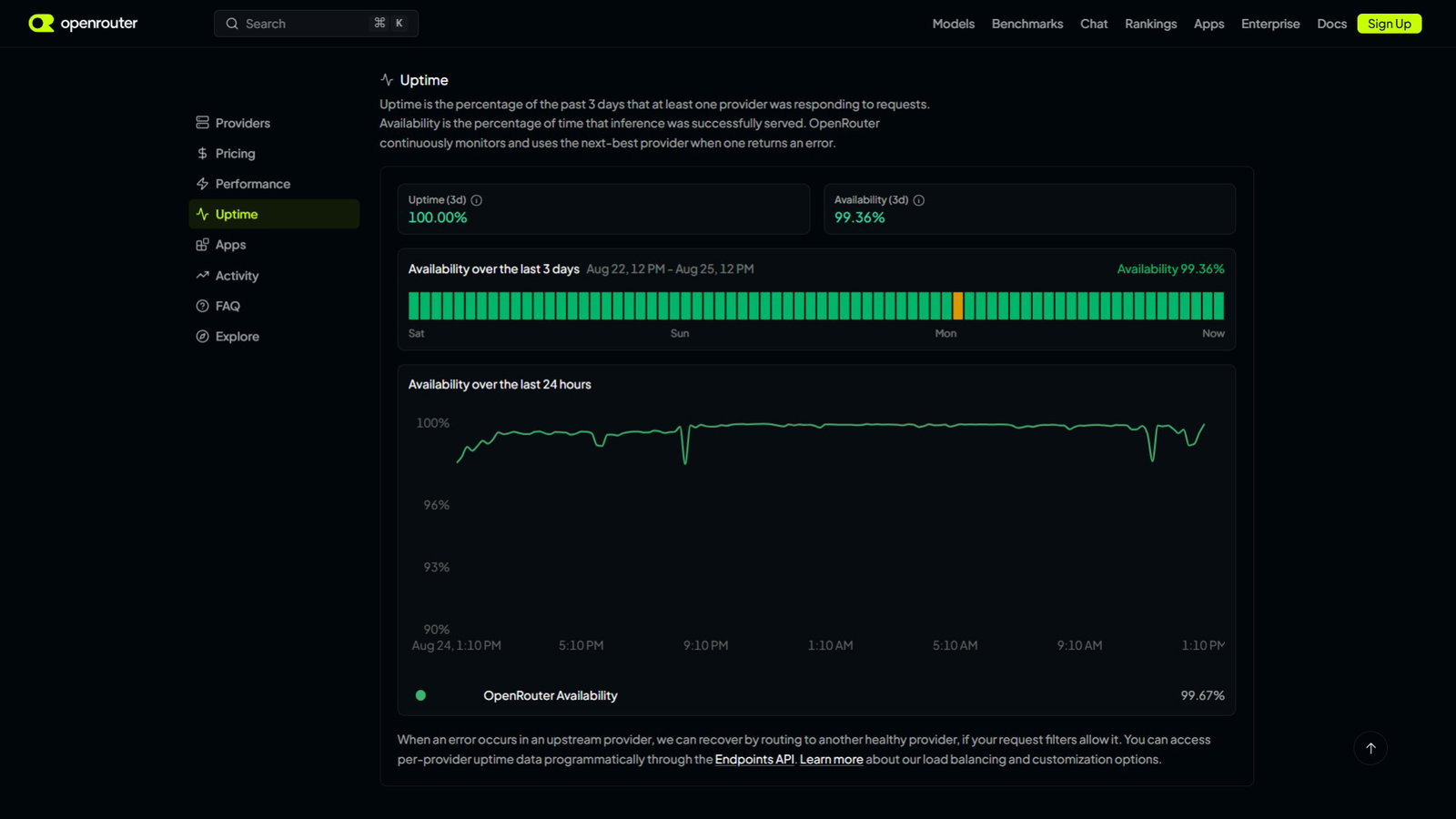
OpenRouter says the model was developed and operated by an unnamed third-party provider that chose to remain anonymous during the preview. That is the defining stealth element of the release.
The lack of a name has naturally created theories. Early speculation centered on Chinese AI company Z.ai and its GLM family, partly because developers believed they saw similarities in tokenizer behavior and model responses.
Other analysis later pointed toward the possibility of an unreleased Microsoft MAI model. Neither theory has been confirmed, and even AI analysts following the discussion have acknowledged that confidence shifted as more people tested the model.
There is also some naming noise around the release.
If you come across the term 0x Alpha AI model, don't confuse it with the model's official listing. OpenRouter calls the stealth model Ox Alpha, with the letter O, and lists its model ID as stealth/ox-alpha.
Likewise, oxalpha.com says it is an "independent, free, no-login way to chat with it while it's still in stealth." Essentially, it is an independent, enthusiast-built interface and is not affiliated with whoever created the model.
That leaves Ox Alpha in an unusual position: people can inspect its listed capabilities, run it through real workloads, and debate its origins, but they still cannot attach a confirmed lab name to it.
For now, Ox Alpha remains closer to The Blur than Superman: noticeable, useful, and increasingly famous, but still waiting for a final and true identity reveal.
Topics For More Insights
- OpenAI Astra And How It Solved 10 Unsolved Math Problems
- Anthropic’s New Fable AI Model Is Met With User Backlash
- How To Switch From ChatGPT To Claude: Step By Step Guide
- OpenAI ChatGPT Finance Tools: Features, Benefits, And What Users Need To Know
- Artificial Intelligence Trends Shaping Business In 2026
Conclusion
Ox Alpha has all the ingredients of a breakout AI story: powerful capabilities, currently free access, a huge context window, and one missing identity. For now, users can test what the model can do while the industry tries to uncover who built it and what comes next. Like The Blur in Smallville, Ox Alpha is already making an impression before the name behind the hero has been revealed.
Frequently Asked Questions
Is Ox Alpha Free?
As of August 25, 2026, yes. OpenRouter lists both prompt and completion pricing for Ox Alpha at zero, so users are not charged for model tokens there. However, that does not guarantee permanent free access. OpenCode separately promoted the model as free for one week with near-unlimited usage. Since the model remains in preview and its provider is anonymous, pricing, limits, or availability could change once the preview ends or as the provider establishes its longer-term plans.
Is Ox Alpha Safe For Confidential Or Proprietary Data?
OpenRouter states that prompts and completions are retained by the anonymous provider but are not used for training. That makes caution important when testing the model with private code, internal documents, credentials, or other sensitive information. The independent oxalpha.com interface also advises users to keep secrets out of conversations because messages still pass through the upstream model API. Until the provider is identified and its long-term policies are clearer, use non-sensitive material for experimentation where possible.
Can Developers Access Ox Alpha Through An API?
Yes. Developers can access the model through OpenRouter using its listed model ID, stealth/ox-alpha, rather than relying only on a browser-based chat interface. OpenRouter provides the routing layer while the anonymous third-party provider actually operates the model. Developers should still review the platform's current stealth-model terms, data handling rules, pricing, and availability before integrating it into production software, especially because it remains a preview and its future pricing, availability, and provider identity have not been publicly established.
Wed, Sep 16, 2026

Liked what you read? That’s only the tip of the tech iceberg!
Explore our vast collection of tech articles including introductory guides, product reviews, trends and more, stay up to date with the latest news, relish thought-provoking interviews and the hottest AI blogs, and tickle your funny bone with hilarious tech memes!
Plus, get access to branded insights from industry-leading global brands through informative white papers, engaging case studies, in-depth reports, enlightening videos and exciting events and webinars.
Dive into TechDogs' treasure trove today and Know Your World of technology like never before!
Disclaimer - Reference to any specific product, software or entity does not constitute an endorsement or recommendation by TechDogs nor should any data or content published be relied upon. The views expressed by TechDogs' members and guests are their own and their appearance on our site does not imply an endorsement of them or any entity they represent. Views and opinions expressed by TechDogs' Authors are those of the Authors and do not necessarily reflect the view of TechDogs or any of its officials. While we aim to provide valuable and helpful information, some content on TechDogs' site may not have been thoroughly reviewed for every detail or aspect. We encourage users to verify any information independently where necessary.
Loading comments...