
Gaming Technology
Mobile Gaming Vs. PC Gaming: What's The Future?
Share
Introduction
If so, this article speaks to the urge to hear a powerful engine roar.
If you've ever seen MotoGP or Formula 1, you know that the argument is never really about which sport is "better."
MotoGP is about speed, quickness, and passing other riders all the time. In Formula 1, planning, performance, and precise engineering are all pushed to their very limits. They are both the best races ever, but they win in very different ways.
The debate about mobile vs. PC games today is similarly shaped by the same tension.
Mobile games do best when they are easy to access, popular, and growing. It's made for quick responses, shorter rounds, and people all over the world who can play at any time. On the other hand, PC gaming is all about power, control, and immersion. It's about longer sessions, deeper features, and performance that's just right.
It's wrong to think of this as a zero-sum game. MotoGP didn't replace Formula 1, and mobile gaming isn't going to replace PC gaming either. Instead, each platform is evolving simultaneously, with different technologies, business models, and user expectations shaping its growth.
It's not about which platform wins; it's about how each will shape the future of games in its own way.
Let's move on to get into the details, shall we?
TL; DR
-
Mobile gaming thrives on accessibility, short sessions, and massive global reach, making it ideal for frequent, everyday play.
-
PC gaming excels in performance, precision, and long-form immersion, supporting deeper gameplay and competitive experiences.
-
The future of gaming isn’t about replacement, but coexistence—each platform serving different player moments.
-
Successful games will connect experiences across platforms rather than confine players to a single one.
Mobile Gaming Vs. PC Gaming: How The Platforms Fundamentally Differ
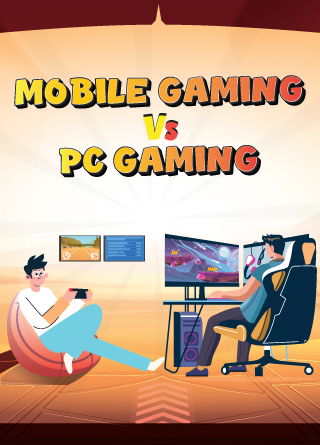
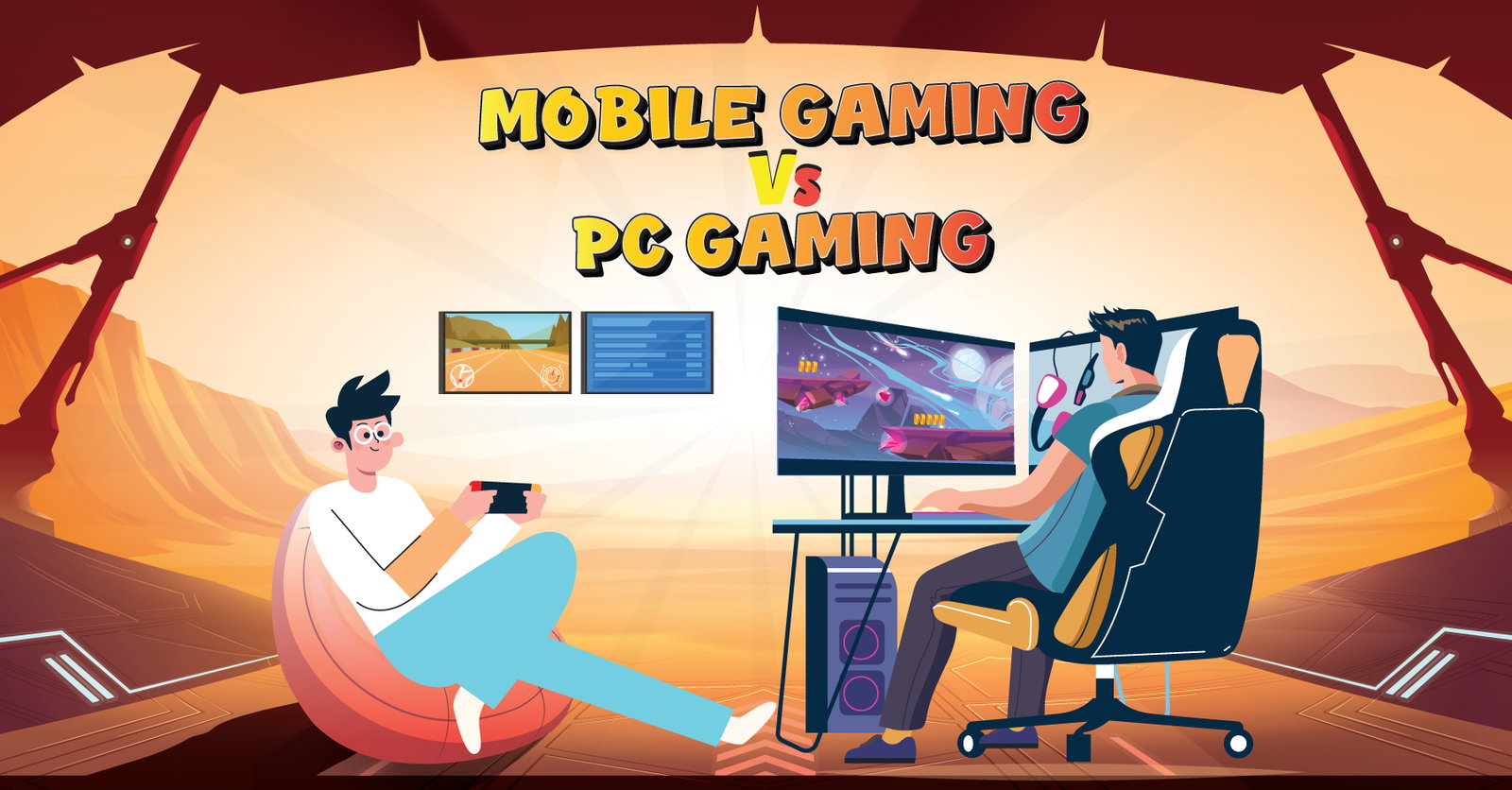
Mobile and PC gaming are not that different from each other, if you look at them. Although they differ less in hardware and more in how they fit into a player’s routine. One is designed to be picked up instantly; the other, to be sat down with. That difference shapes everything that follows.
-
The device is already in hand, and the setup time is zero.
-
Sessions are short and designed for quick bursts during commutes, breaks, or downtime.
-
This makes mobile gaming the most inclusive entry point, driving massive reach and frequent engagement, especially among casual and first-time players.
PC gaming, on the other hand, is intentional by nature. It’s where:
-
Playing usually involves committing dedicated time and attention.
-
Sessions are longer, controls are more precise, and experiences favor depth over immediacy.
-
This makes PC gaming ideal for genres that reward mastery, strategy, and sustained immersion.
Performance further separates the two. Where:
-
PCs offer higher visual fidelity, finer input control, and extensive customization for competitive and technically demanding gameplay.
-
Mobile gaming compensates by simplifying interfaces and mechanics to deliver quick, consistent satisfaction.
In essence, mobile gaming excels at scale and frequency, while PC gaming excels at depth and immersion. Neither replaces the other. They serve different moments, moods, and player expectations.
These differences in player behavior directly shape how games are built, funded, and maintained across both platforms, which brings us to how these platforms are developed.
Development And Cost Dynamics Behind Mobile Gaming And PC Gaming
The differences between mobile and PC gaming become even clearer when you look behind the scenes at how games are built, shipped, and sustained.
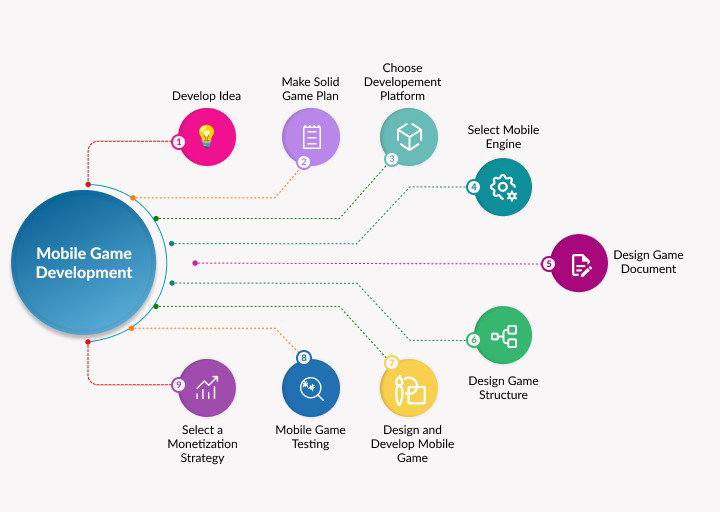
Mobile game development is typically optimized for speed and scale. Here’s how:
-
Shorter development cycles, lighter assets, and modular systems enable faster launches, with many mobile titles going from concept to launch in 6–12 months, compared to years on PC.
-
Studios often release early, test live, and refine gameplay and monetization using real-time player data, allowing updates to ship weekly or even daily.
-
Mobile-first publishers like Supercell and Tencent have built global hits by continuously evolving live-service titles rather than shipping “finished” products.
-
Development costs are typically lower, with casual and mid-core mobile games often costing $50,000 to $1 million, enabling studios to test multiple titles and quickly scale those that gain traction.
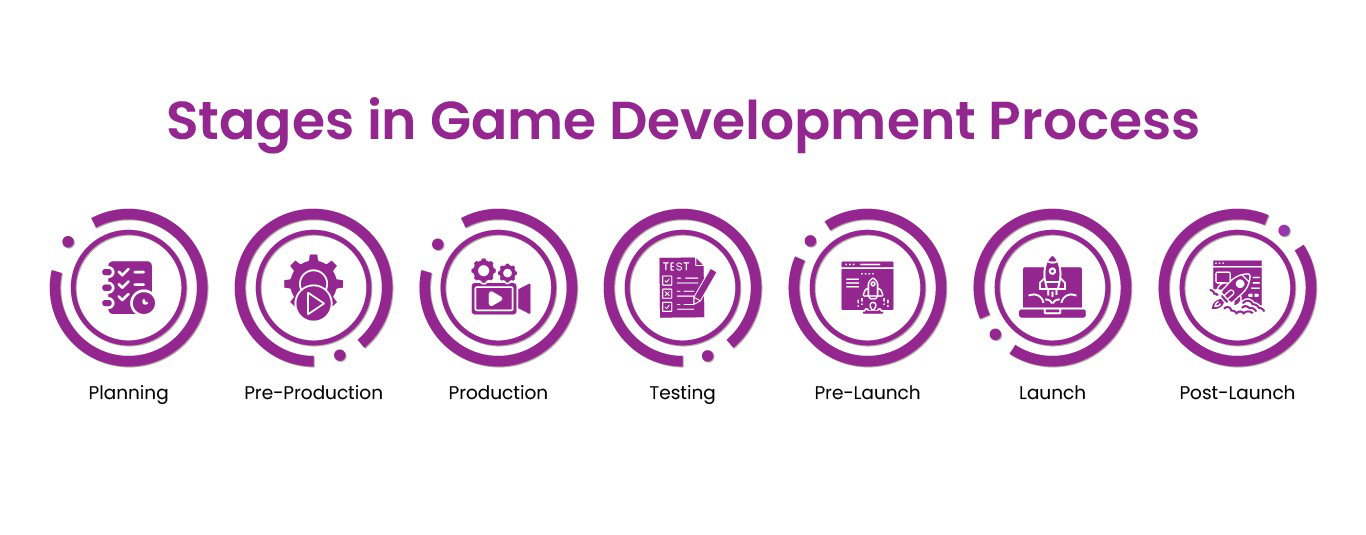
On the other hand, PC game development emphasizes depth, polish, and longevity.
-
Higher visual fidelity, complex mechanics, and expansive worlds significantly extend production timelines, with many PC games spending 2–5 years in development.
-
Broad hardware compatibility increases testing and optimization effort, especially when games must run smoothly across hundreds of PC configurations.
-
Studios like Riot Games, CD Projekt Red, and Rockstar Games invest heavily upfront, often tens to hundreds of millions, or even billions of dollars, with a more than a decade-long development timeline for large PC titles to build games designed to last for years through expansions, mods, and competitive ecosystems.
Player-side costs reinforce this divide, as:
-
Mobile gaming benefits from the hardware players already own, keeping entry friction low.
-
PC gaming requires upfront investment in hardware and peripherals, narrowing reach but increasing long-term commitment.
From a business perspective, Mobile favors rapid experimentation and live-ops efficiency, and PC favors craftsmanship, performance depth, and long-term value creation.
Both approaches work because they’re optimized for fundamentally different economics and player expectations.
Those differences become even clearer when you look at technology reshaping what mobile gaming is capable of today.
The Technology Powering Mobile Gaming’s Rise
Rapid technological advances under the hood are driving mobile gaming’s growth. Here’s how:
-
Modern smartphones now feature powerful chipsets, high-refresh-rate displays, and improved thermal management, enabling richer, smoother mobile games. According to the Newzoo Global Games Market Report, mobile gaming accounts for nearly 49% of global gaming revenue and has over 3 billion players worldwide.
-
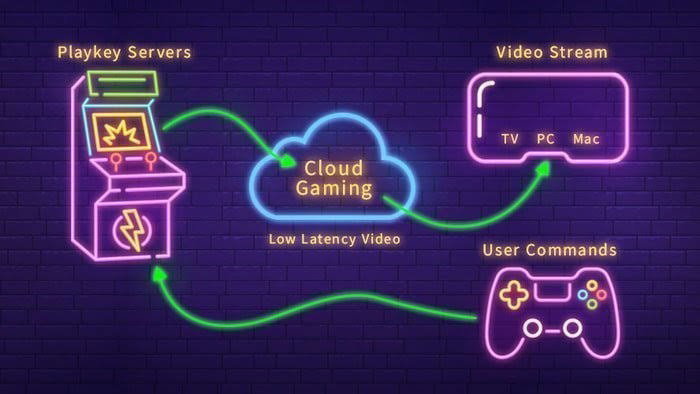
Cloud gaming has expanded the capabilities of mobile devices by streaming high-end games rather than running them locally.
The Fortune Business Insights Cloud Gaming Market Study projects the cloud gaming market to grow from under $10 billion in 2024 to over $120 billion by 2032, driven by better networks and edge computing.
-
While latency and control precision remain challenges, wider 5G adoption and edge infrastructure are steadily improving mobile cloud gaming performance, as highlighted in the DataM Intelligence Cloud Gaming and Game Streaming Report.
-
Live-service infrastructure has matured fastest on mobile, with frequent updates, events, and content drops driving retention; the Udonis Mobile Gaming Industry Report notes that live-ops-driven mobile games consistently outperform static releases in engagement and long-term revenue.
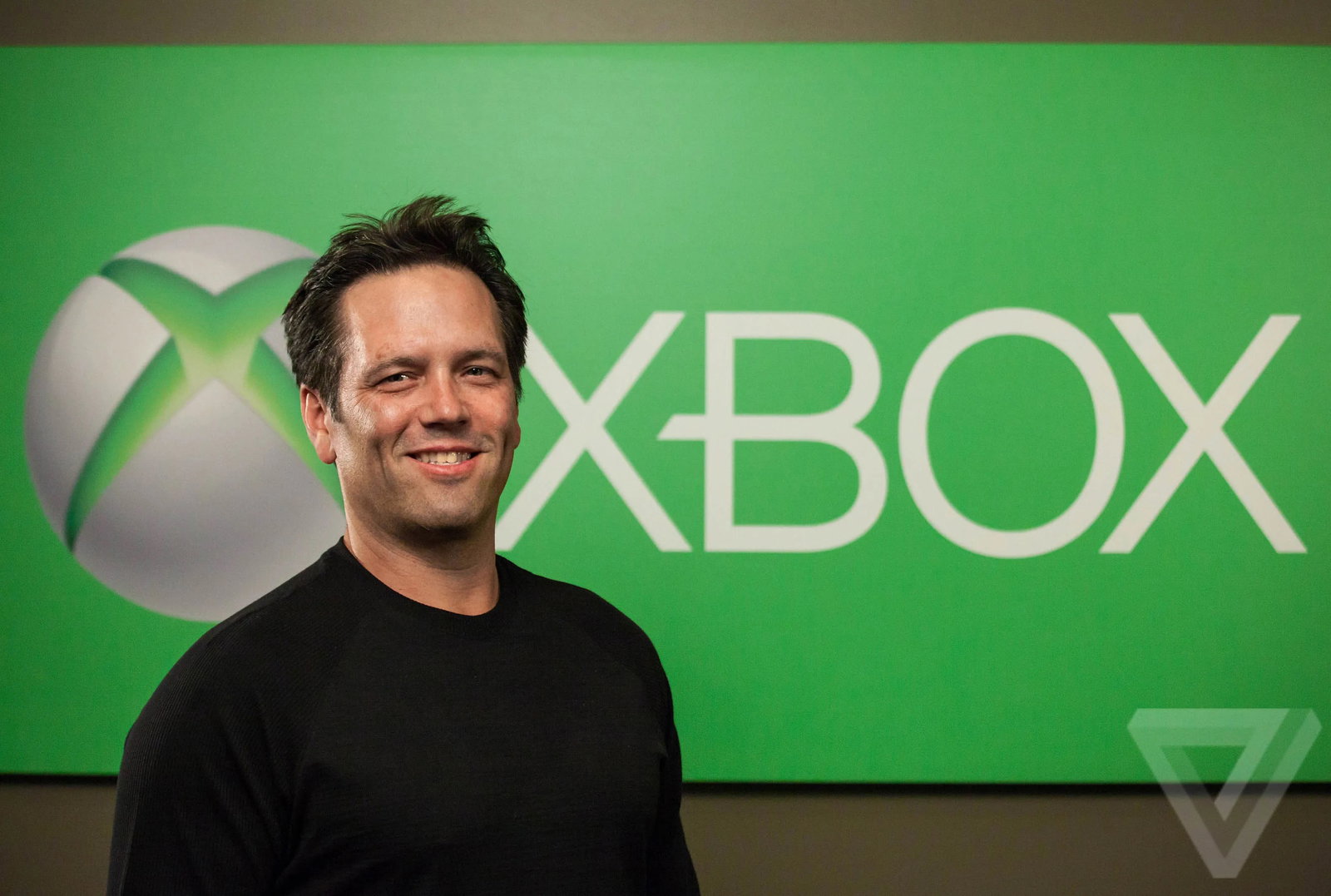
As Phil Spencer, CEO of Xbox, has pointed out, “Gaming is becoming more accessible than ever, across devices and platforms,” a shift driven largely by advances in mobile hardware and cloud-enabled distribution.
You see, together, better hardware, cloud access, and live-ops maturity have transformed mobile gaming from a lightweight alternative into a platform capable of sustaining complex, long-running experiences at a massive scale.
Yet even as mobile gaming grows more capable, PC gaming continues to define the upper limits of performance and immersion.
Why PC Gaming Still Sets The Performance Benchmark
Despite mobile gaming’s rapid rise, PC gaming continues to define what “high performance” means in the industry.
The platform’s strength lies in its ability to push technical boundaries without compromise. Here’s how it works:
-
PC gaming’s strength lies in its ability to push technical boundaries without compromise, prioritizing performance, precision, and control over convenience.
-
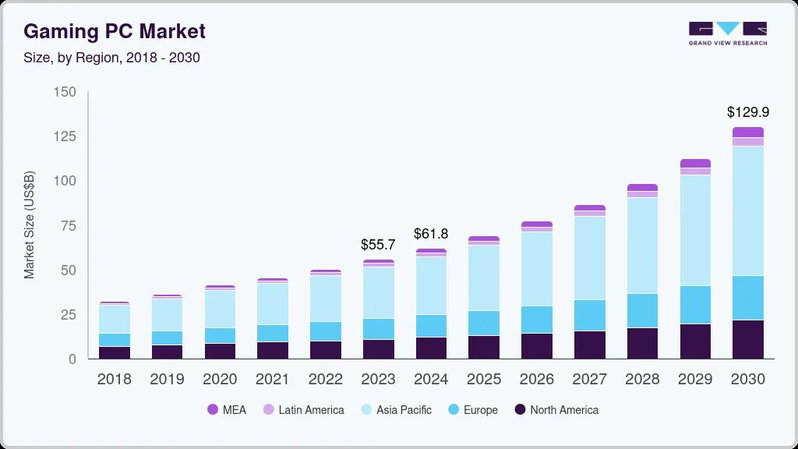
Grand View Research forecasts the global PC gaming market to reach $129.9 billion in 2030, reinforcing sustained demand for premium, performance-driven gaming experiences.
-
PCs offer unmatched control over performance, allowing players to fine-tune graphics settings, optimize frame rates, and choose peripherals that match their play style.
-
Keyboard and mouse inputs provide a level of precision that remains essential for competitive genres such as shooters, real-time strategy, and simulation-heavy games.
-
Visual fidelity is a key advantage, with high-resolution textures, advanced lighting, and expansive worlds more easily executed on PC hardware for long, immersive sessions.
-
Player-driven ecosystems further extend PC gaming’s value, as mods, custom maps, community servers, and creator tools allow many PC titles to evolve into long-lasting platforms rather than one-time products.
In essence, PC gaming doesn’t compete with convenience. It competes in depth, precision, and longevity. That’s why it continues to set the benchmark, even as other platforms grow around it.
The differences become clearer when you look at how each platform plays to its strengths in actual gameplay experiences. Let’s see those strengths next.
Strengths Of Mobile Gaming And PC Gaming
The clearest way to understand the strengths of mobile and PC gaming is to look at the kinds of experiences that consistently succeed on each platform.
Here are a few of the strengths of these platforms.
Mobile gaming is optimized for short, repeatable sessions
-
Progress carries across brief play windows, rewarding frequent check-ins rather than extended focus.
-
Games like PUBG Mobile and Clash of Clans are designed around quick matches, timers, and return incentives.
-
Social loops, daily challenges, timed events, and cooperative features keep engagement high without demanding long, uninterrupted playtime.
-
Titles such as Genshin Impact show how mobile games can start lightweight but sustain long-term engagement through constant updates and live-service mechanics.
PC gaming excels at depth and long-form experiences
-
Longer sessions enable richer narratives, complex systems, and gameplay that rewards mastery over time.
-
Competitive titles like Counter-Strike 2 and Dota 2 thrive due to precise controls, consistent performance, and high skill ceilings.
-
Strategy games, simulations, and large-scale multiplayer worlds benefit from the control and performance PCs provide, allowing players to invest hundreds or even thousands of hours into a single title.
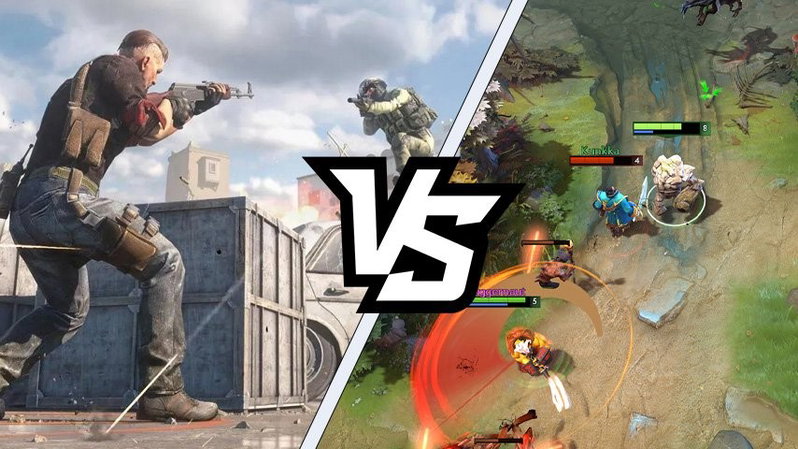
Overall, these strengths show that mobile and PC gaming are not competing for the same experience. They’re optimized to deliver value in entirely different ways.
Now, those differences become even more visible when you look at how competition, community, and culture take shape across each platform.
Topics For More Insights
So, Which Platform Wins The Future?
If the gaming business has learned anything over the last ten years, it's that this debate isn't about who wins or loses.
In terms of size, mobile games will "win." It will have the most daily involvement, get new players faster, and keep trying out new formats, ways to make money, and live-service features. Its strength is that it fits so well into everyday life.
When it comes to complexity, PC games will "win." This is still going to be the place where performance is pushed, where competition standards are set, and where games grow into long-lasting ecosystems driven by players and creators. It works best when you get involved and stick to it.
You don't have to pick a side in the future; it's all about how you play the situation. Players no longer think in terms of platforms, but of times. A few minutes on the phone. A few hours on the PC. Increasingly, these events are linked by common identities, progress, and communities.
Mobile and PC games aren't coming together to create a single experience. They are splitting into two specialized ones that meet different needs very well. That's why both will continue to grow together.
Conclusion
The argument over mobile vs. PC gaming has lasted for a long time because it shows how people use technology. Control vs. ease of use. How fast or how deep? Immersion vs. flexibility. These aren't opposed forces; they work together.
Mobile games have shown that scale, accessibility, and long-term interest can coexist. In this age of instant access, PC gaming has shown that speed, accuracy, and community still matter. As time goes on, both platforms are no longer competing to be the best; instead, they're trying to be the most useful to players at different times of the day.
The future of gaming will be defined less by hardware and more by behavior. Players will move fluidly between platforms based on time, intent, and context. Short sessions will happen on mobile. Deep, focused experiences will remain on PC. The most successful games will be the ones that understand this shift and design for continuity rather than confinement.
In the end, the question isn’t which platform wins. It’s how well each adapts to the changing rhythms of modern play and how seamlessly they fit into the lives of the players who use them.
Frequently Asked Questions
What Are The Main Differences Between Mobile Gaming And PC Gaming?
Mobile gaming emphasizes accessibility and short sessions, as seen in games like PUBG Mobile and Clash of Clans. PC gaming emphasizes performance and immersion, powering long-form experiences such as Counter-Strike 2 and Baldur’s Gate 3.
Which Device Offers Better Gaming Graphics Performance: Mobile Or PC?
PCs deliver superior graphics with dedicated GPUs, higher frame rates, and advanced rendering, enabling games like Cyberpunk 2077. Mobile visuals are improving, but still prioritize efficiency over peak performance.
How Do Mobile Gaming Platforms Compare To PC Gaming Platforms In Game Variety?
Mobile platforms excel in casual and live-service titles like Genshin Impact, while PC platforms dominate complex, competitive, and narrative-driven games such as Dota 2, Civilization VI, and The Witcher 3.
Fri, Jan 23, 2026

Enjoyed what you've read so far? Great news - there's more to explore!
Stay up to date with the latest news, a vast collection of tech articles including introductory guides, product reviews, trends and more, thought-provoking interviews, hottest AI blogs and entertaining tech memes.
Plus, get access to branded insights such as informative white papers, intriguing case studies, in-depth reports, enlightening videos and exciting events and webinars from industry-leading global brands.
Dive into TechDogs' treasure trove today and Know Your World of technology!
Disclaimer - Reference to any specific product, software or entity does not constitute an endorsement or recommendation by TechDogs nor should any data or content published be relied upon. The views expressed by TechDogs' members and guests are their own and their appearance on our site does not imply an endorsement of them or any entity they represent. Views and opinions expressed by TechDogs' Authors are those of the Authors and do not necessarily reflect the view of TechDogs or any of its officials. While we aim to provide valuable and helpful information, some content on TechDogs' site may not have been thoroughly reviewed for every detail or aspect. We encourage users to verify any information independently where necessary.
Loading comments...