
Cyber Security
How OpenAI Used AI To Find A Spy And A Hidden Device In Its Office
Share
TL;DR
-
Engineer Abdulrahman Alfozan, who joined in July 2025, was arrested on October 9, 2026.
-
Employees found the audio device connected to a television's rear USB port on September 30.
-
OpenAI says its models helped analyze the recorder and identify the employee it believed planted it.
-
The company reported no indication of improper access to model weights, source code, or customer data.
-
The FBI investigation continues, and the criminal allegations have not been proven in court.
Introduction
I spy with my OpenAI!
Do you remember the game I Spy? In the game, one player would provide a clue to a nearby object, after which other players would search their surroundings for an object that matched the clue and guess what it is.
Each game began with: "I spy with my little eye," followed by "something that is [color]" or "something beginning with [letter]".
The game improved kids' critical observation skills and taught them to use human intelligence to recognize patterns and identify specific objects around them.
OpenAI just played the adult version of this game, by finding a hidden spy device planted by an employee of the company. In this case, though, they used artificial intelligence to identify the spy.
So, how did they do this?
I spy with my little eye, something beginning with the letter 'R'.
So, how did OpenAI use AI to find a hidden spy device (and what's the answer? Let's solve this.
What Happened At OpenAI And Who Is Abdulrahman Alfozan?
Abdulrahman Alfozan, a 35-year-old Saudi national who joined OpenAI as an engineer in July 2025, was arrested by the FBI on October 9, 2026. Prosecutors announced a wiretap charge on October 13, alleging he used or attempted to use a device to intercept spoken conversations.
The complaint was unsealed on October 13, the day he appeared in federal court. He remained in federal custody at that stage, according to the DOJ.
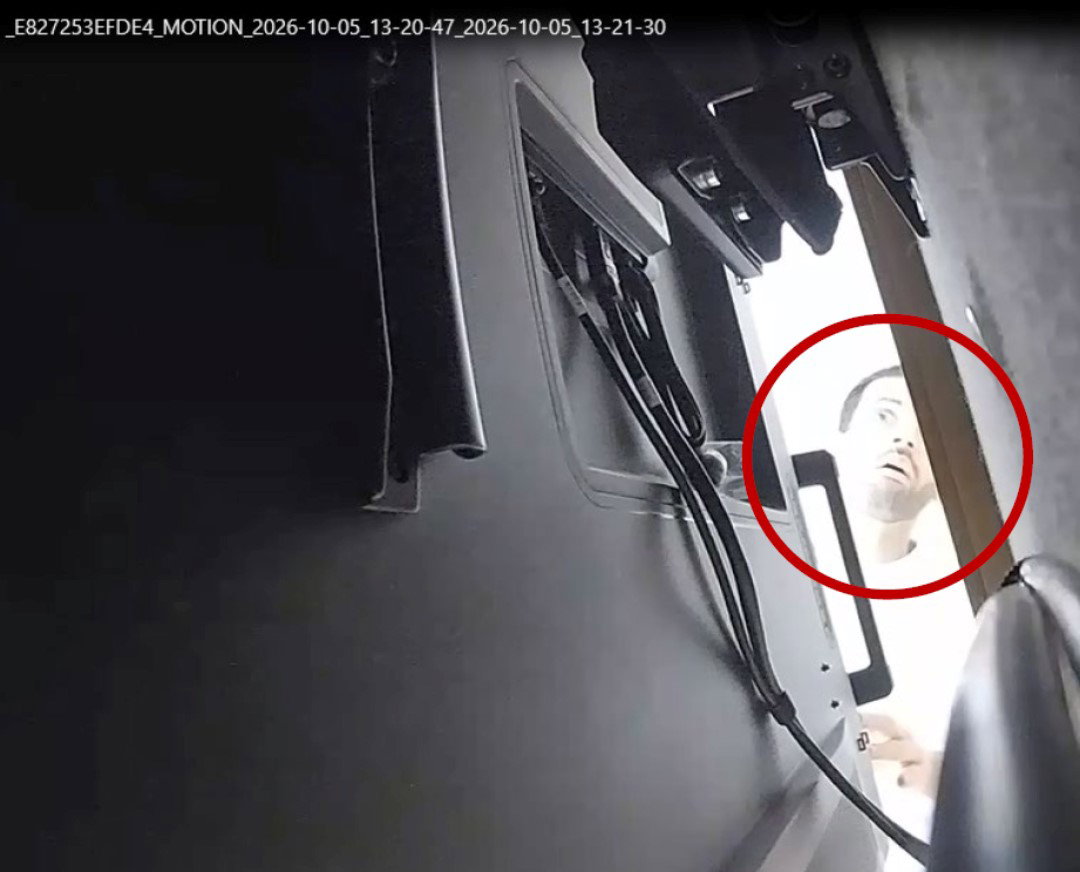
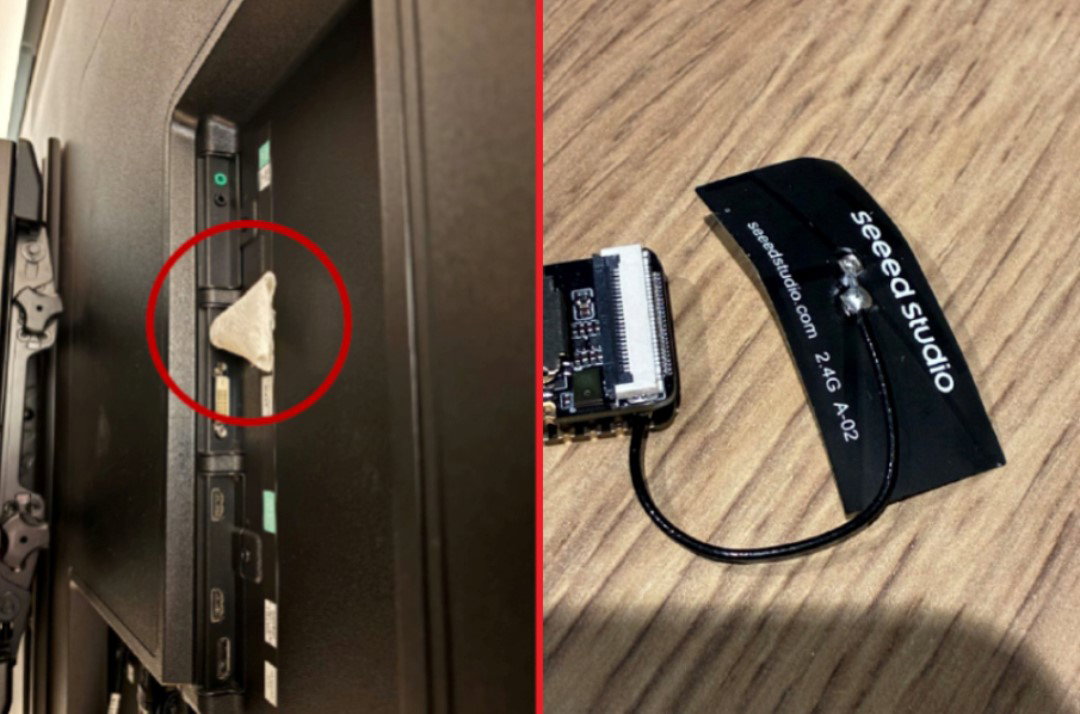
Employees discovered the recorder on September 30 in an executive conference room at OpenAI's San Francisco offices. According to the DOJ, it was plugged into a television's rear USB port, concealed in toilet paper, and installed around September 28.
What Kind Of Hidden Recording Device Was Found at OpenAI?
Authorities described an audio recorder with encrypted contents. The company separately described audio monitoring and a data-transfer mechanism intended to evade monitoring.
Meetings there covered confidential information, including research, product plans, business opportunities, and government engagements. Prosecutors allege Alfozan lacked authorization to enter the room or attend those meetings. OpenAI terminated his employment.
That explains the hidden bugging device in OpenAI's executive room. The next question is how investigators connected it to an employee.
How Did OpenAI Use AI To Investigate The Hidden Device?
The key detail is the sequence. People found the hardware first.
OpenAI then used its artificial intelligence (AI) models to understand the device and trace its origins, helping identify the employee it believed had planted it.
The company referred the matter to the FBI.
Its public statement does not name the models, explain their prompts, or provide a complete forensic workflow. Claims that AI independently spotted the concealed recorder would go beyond what it disclosed. Neither account says the models decrypted the device's encrypted contents.
The DOJ describes additional digital clues.
Before the alleged installation, Alfozan queried a productivity tool about buildings, room calendars, and leadership meetings. A chatbot account associated with his spouse, sharing identifiers with his account, allegedly submitted prompts about constructing and concealing a recorder.
Some prompts referenced the discovered device's custom header and unique MAC address. Those details appear in the complaint, but the releases do not specify which evidence the models analyzed or how much they contributed to each investigative step.
That distinction matters when explaining how OpenAI used AI to find the spy and his device's origins. Its account illustrates AI supporting insider threat detection; the criminal allegations still require proof. It also leaves the question of what information, if any, escaped.
Was OpenAI's Technology Or Customer Data Compromised?
Potential exposure and confirmed data theft are different questions.
OpenAI said it had no indication the employee improperly accessed or removed model weights, source code, or customer data. That is the company's assessment at the time of its statement, rather than a final finding about everything the recorder captured.
The DOJ describes the sensitive discussions held in that room but does not identify a particular stolen file, confirmed recording, or recipient. The device's encrypted contents alone do not establish what information was successfully collected or transmitted.
The FBI arrest in OpenAI's covert recording device case leaves several important questions unresolved. The FBI investigation continues, and Alfozan is presumed innocent unless proven guilty.
OpenAI framed the case as an example of defending against insider risks alongside cybercriminals and nation states. That broader security framing does not establish a foreign government's involvement in this particular incident.
I spy with my little eye, something reading these words right now.
Topics For More Insights
The Final Clue
OpenAI's account shows how AI can assist an investigation after people uncover something suspicious. The company's models helped examine the recorder and trace its origins, while investigators assembled evidence for a criminal case. What the device actually captured remains unresolved in the public accounts reviewed here. For now, the clearest lesson is to distinguish a useful investigative tool from a complete explanation of what happened.
And as promised, the answer to our I Spy game: Reader! Something beginning with 'R' and 'reading these words right now'.
Frequently Asked Questions
Has Alfozan Been Charged With Espionage?
The announced charge concerns using or attempting to use a device to intercept oral communications, under 18 U.S.C. § 2511(1)(b). The DOJ releases do not announce an espionage or trade-secret-theft charge. Authorities' references to national security do not change the stated offense. His Saudi nationality also does not establish that he acted for a government. The allegations must be tested in court, and he remains presumed innocent unless prosecutors prove guilt beyond a reasonable doubt.
What Happens Next In The Criminal Case?
The DOJ scheduled a detention hearing for October 19, 2026, before U.S. Magistrate Judge Alex G. Tse. That hearing concerns whether Alfozan remains detained while proceedings continue; it does not determine guilt. The announced offense carries a maximum of five years in prison, a $250,000 fine, and three years of supervised release if convicted. A maximum penalty is not an automatic sentence. Any eventual sentence would depend on the court's consideration of the applicable sentencing framework.
What Other Evidence Did Prosecutors Describe?
The complaint describes CCTV footage showing Alfozan near the conference room before the recorder's discovery. Prosecutors also allege that on October 5 he entered the room and appeared to look behind the television. Separately that day, OpenAI security personnel examined a bag he had left unattended elsewhere in the building. Alongside his wallet and identification, they allegedly found another similar recording device. These are allegations described by prosecutors, rather than findings established at a trial.
Fri, Oct 16, 2026

Enjoyed what you've read so far? Great news - there's more to explore!
Stay up to date with the latest news, a vast collection of tech articles including introductory guides, product reviews, trends and more, thought-provoking interviews, hottest AI blogs and entertaining tech memes.
Plus, get access to branded insights such as informative white papers, intriguing case studies, in-depth reports, enlightening videos and exciting events and webinars from industry-leading global brands.
Dive into TechDogs' treasure trove today and Know Your World of technology!
Disclaimer - Reference to any specific product, software or entity does not constitute an endorsement or recommendation by TechDogs nor should any data or content published be relied upon. The views expressed by TechDogs' members and guests are their own and their appearance on our site does not imply an endorsement of them or any entity they represent. Views and opinions expressed by TechDogs' Authors are those of the Authors and do not necessarily reflect the view of TechDogs or any of its officials. While we aim to provide valuable and helpful information, some content on TechDogs' site may not have been thoroughly reviewed for every detail or aspect. We encourage users to verify any information independently where necessary.
Loading comments...