
Artificial Intelligence
Apple Launches HomeView: A New Smart Home Display With Siri AI
Share
TL;DR
-
Apple launched HomeView on October 13, 2026, introducing its first dedicated smart home display powered by Apple Intelligence and Siri AI.
-
The Apple HomeView smart display features a 7-inch Liquid Retina touchscreen, A18 chip, and 12MP ultra-wide camera with Center Stage.
-
Upgraded Siri AI enables natural conversations, personalized recommendations, and smarter home automation, with advanced personal-context features requiring compatible Apple devices.
-
Apple HomeView starts at $299 in the US, with general availability beginning from November 13, 2026.
-
With Matter and Thread compatibility, facial recognition, and privacy-focused features, HomeView aims to challenge Amazon Echo Show and Google Nest Hub.
Introduction
Remember the futuristic homes from the TV series The Jetsons, where technology handled practically everything, from household chores to everyday routines? George Jetson barely had to lift a finger, with smart gadgets and automated systems making life ridiculously convenient.
While we're still waiting for flying cars and robot housekeepers, the idea of a home that understands and responds to our needs is becoming less fictional by the day.
Well, Apple seems ready to bring a little of that futuristic convenience into our living rooms!
Apple recently launched HomeView, its first dedicated smart home display, powered by Apple Intelligence and a more conversational Siri AI. Combining home automation, entertainment, video calling, and personalized assistance, the device aims to make everyday interactions with connected technology simpler and more intuitive.
The Apple HomeView smart display is positioned as a central control hub for modern households. With Amazon and Google already competing in the smart home market, can Apple's AI-powered approach finally make our homes as clever as the cartoons once imagined?
What Is Apple HomeView And How Does It Work?
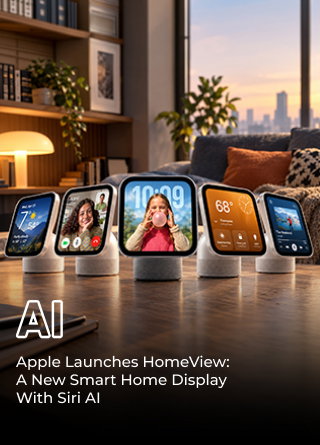
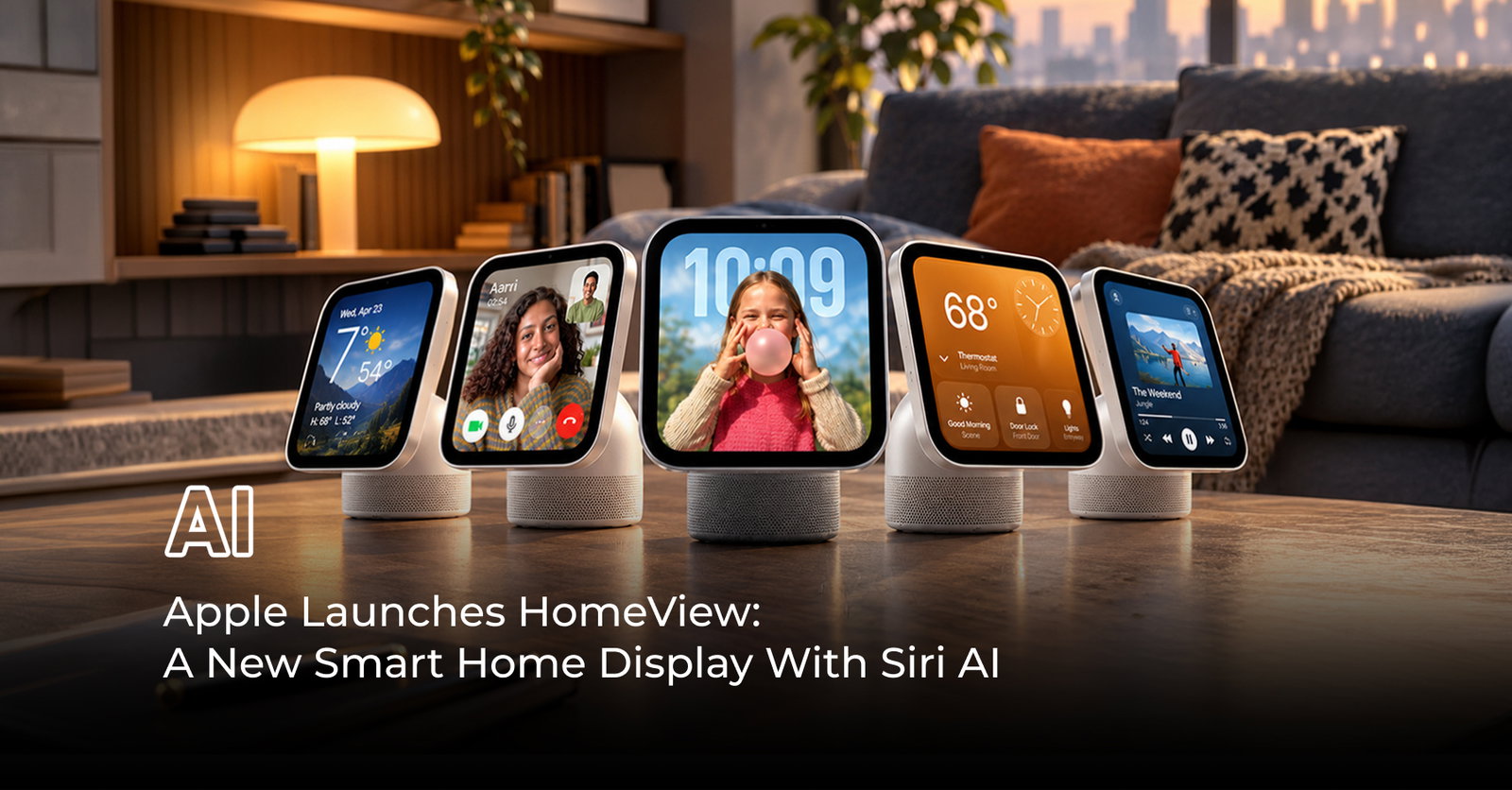
Apple HomeView is a seven-inch touchscreen device designed to bring several everyday household functions together. Think of it as a smart speaker, digital photo frame, communication device, and home automation dashboard rolled into one.
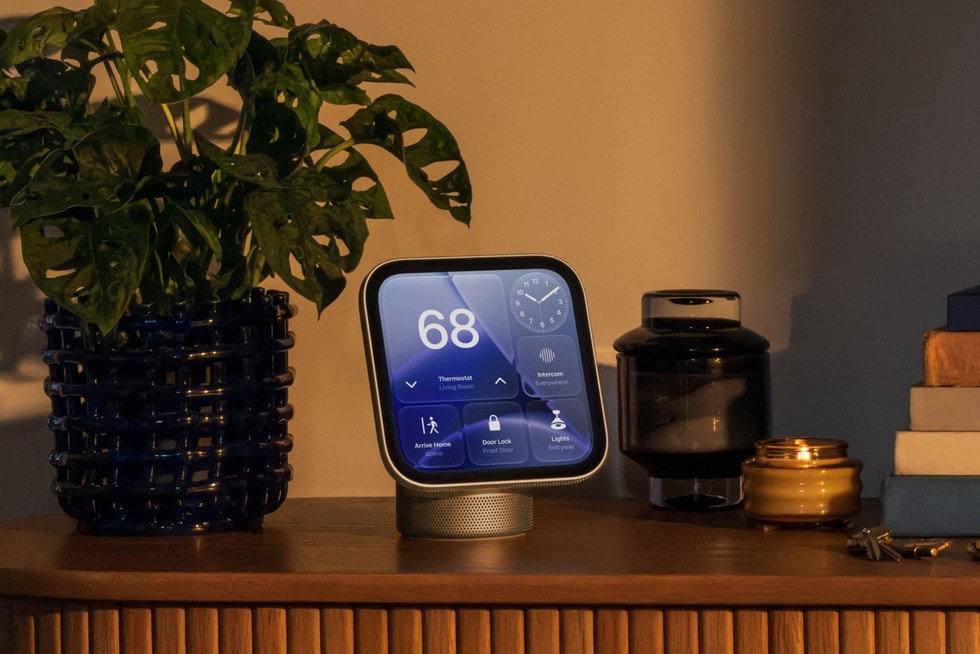
Unlike an iPad, which primarily serves an individual user, HomeView is built for shared spaces such as kitchens, living rooms, and hallways.
It comes in two configurations: a tabletop model with an adjustable display and built-in speaker base, and a wall-mounted version for more permanent placement.
One of its standout features is facial recognition for up to six household members. When someone approaches, HomeView can identify them and automatically switch to their personalized home screen, complete with relevant widgets, schedules, and information.
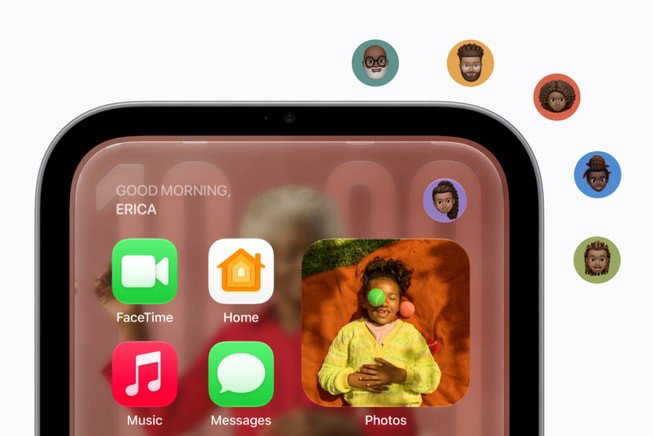
The interface also adjusts according to viewing distance. From across the room, users see simplified information, while moving closer reveals more detailed controls.
However, the display hardware is only part of the story. The real difference lies in how Apple is using artificial intelligence to make those interactions more natural.
How Does Siri AI Make Apple HomeView Smarter?
The biggest highlight of the Apple HomeView Siri AI experience is its upgraded voice assistant, powered by Apple Intelligence.
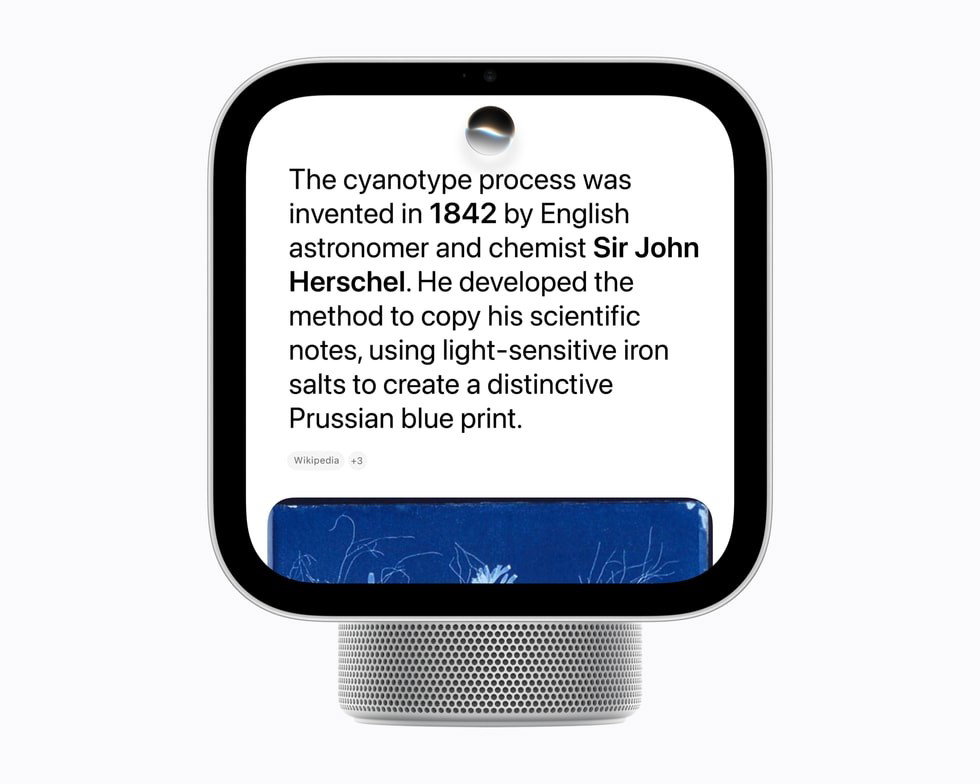
While traditional smart assistants usually respond to specific instructions, the new Siri AI is designed to support more natural, ongoing conversations. Users can ask questions, follow up without repeating the entire request, and receive responses informed by what is happening on the screen.
For example, someone preparing dinner could ask Siri to find a recipe, display the instructions, track ingredients, and set cooking timers without repeatedly touching the screen.
With a compatible Apple Intelligence-enabled iPhone or iPad, Siri can also use personal context from connected apps, including Messages, Calendar, and Apple Music, to provide more relevant assistance.

A user could ask about their next appointment, check a message, or continue a conversation started on another Apple device.
Significantly, the personal-context features require a compatible paired device. HomeView can still answer general questions and handle conversational requests without one.
This distinction matters because Apple's vision goes beyond installing a screen on a speaker. It wants the device to understand individual users while remaining useful to an entire household.
While Siri AI brings intelligence and personalization to HomeView, delivering these experiences smoothly requires capable sync of hardware and software. So, what specifications has Apple packed into its new smart home display?
Apple HomeView Specs: Display, Processor, Camera, And Audio
Apple has equipped HomeView with hardware designed to handle both everyday entertainment and AI-powered interactions. Here is a quick overview of the key Apple HomeView specs.
| Specifications | Apple HomeView |
| Display | 7-inch Liquid Retina touchscreen |
| Processor | Apple A18 chip |
| Display Features | True Tone, adaptive brightness up to 500 nits |
| Camera | 12MP ultra-wide camera with Center Stage |
| AI Assistant | Siri AI with Apple Intelligence |
| User Recognition | Up to six household members |
| Audio | Spatial Audio, computational audio, multiroom support |
| Smart Home Compatibility | Apple Home, Matter, Thread |
| Design | Tabletop and wall-mounted versions |
| Tabletop Colors | Silver, Starlight, Rose Pink, Space Gray |
The tabletop version features two full-range drivers, a downward-facing woofer, and passive radiators to deliver fuller sound. The wall-mounted version uses a different speaker configuration optimized for its placement.
For video communication, HomeView supports FaceTime with Center Stage, helping participants stay in frame as they move around. Users can also play music, display shared photos, check reminders, and use customizable watch-style faces, including animated Snoopy designs.
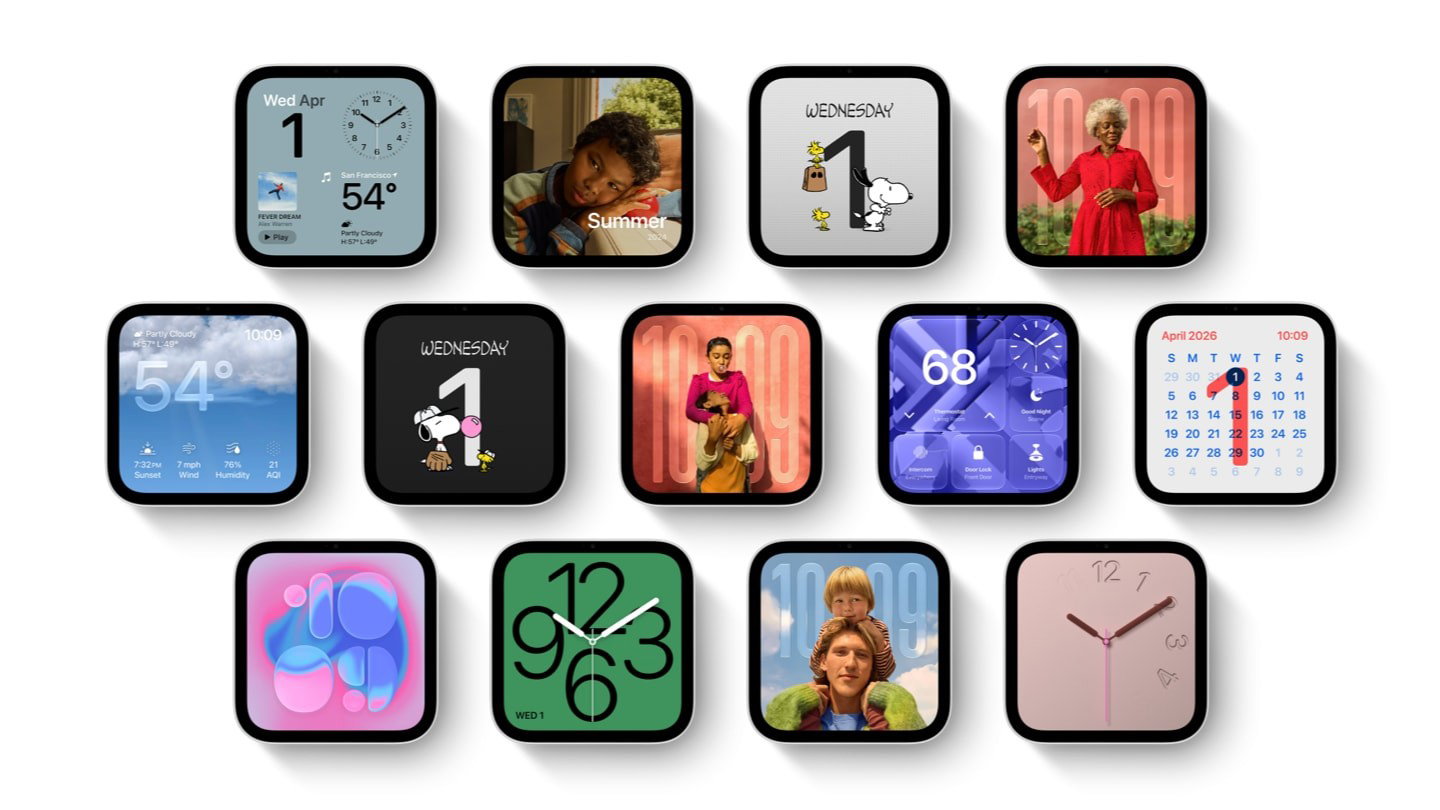
While these features make HomeView useful as an entertainment and communication hub, its wider appeal depends on how effectively it manages connected, smart home devices.
Can Apple HomeView Control Your Entire Smart Home?
HomeView is designed to work as a central dashboard for compatible connected devices, including smart lights, thermostats, door locks, security cameras, and automated blinds.
Instead of switching between different apps, users can manage supported accessories through touchscreen controls or Siri AI voice commands.
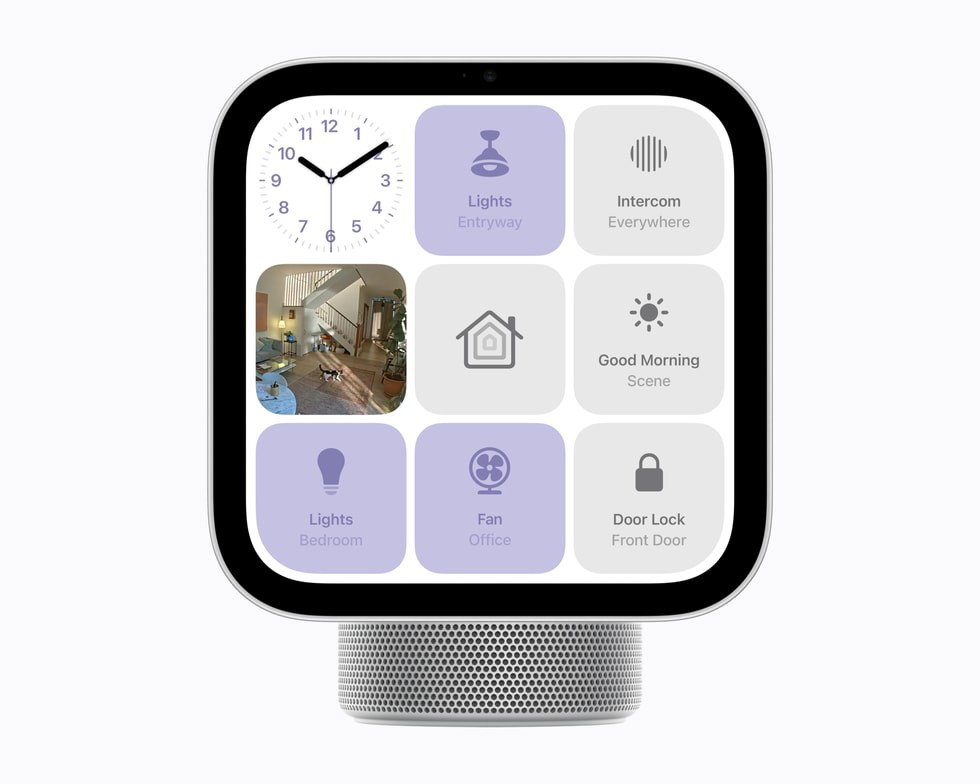
The device supports Apple Home and Matter-compatible accessories, making it useful beyond Apple's own ecosystem. It also works with the newly introduced Apple Home Collection, developed in collaboration with LG Electronics and Schneider Electric.
HomeView's security capabilities are particularly interesting. It can display up to nine compatible camera feeds simultaneously and provide alerts about activity around the house. With a supported iCloud+ subscription and compatible cameras, users can access intelligent notifications identifying people, pets, packages, and vehicles.
Privacy is another crucial consideration. Apple has included Secure Exclaves in the A18 chip to isolate sensitive cameras and microphone processing. Personal information appears only when an authorized user is recognized, and their paired device meets additional security requirements.
For households concerned about installing an always-accessible screen with cameras and microphones, these protections could become an important selling point.
With its smart home controls, personalized AI features, and privacy-focused design, HomeView certainly brings plenty to the table. However, bringing all these features under one roof comes at a price. So, how much will Apple's latest smart home companion cost, and when can you get your hands on it?
Apple HomeView Price, Availability, And Launch Date
The Apple HomeView price starts at $299 in the United States. Both the tabletop and wall-mounted versions carry the same starting price, although wall mounting accessories cost extra.
Topics For More Insights:
Pre-orders opened on October 13, 2026, in several markets, including the US, India, Canada, Australia, New Zealand, and the UK.
The cost of Apple HomeView places it in the premium smart display category, particularly when compared with lower-priced alternatives from Amazon and Google. The device will not initially be available in the European Union because Siri AI remains unavailable there.
With pricing and availability established, the next question is whether Apple's features justify the premium experience, competing with other smart home systems in the market.
Apple Smart Display Vs. Amazon Echo Show: Which Is Better?
Comparing the Apple smart display vs Amazon Echo Show reveals two different approaches to connected home technology. Amazon's Echo Show lineup offers multiple screen sizes and price points, with established Alexa integration, video calling, and smart home management capabilities.
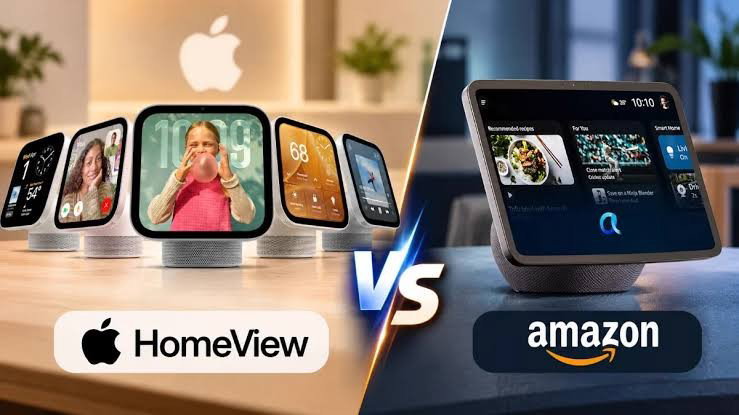
Apple HomeView focuses heavily on personalized experiences, integration with existing Apple products, and privacy-centered AI features. Its facial recognition, personalized dashboards, and contextual Siri interactions could be particularly appealing to households already using iPhones, HomePods, and other Apple devices.
However, HomeView has a highlighting limitation. At launch, several entertainment services rely on AirPlay from an iPhone rather than running as independent native apps. Competing smart displays offer broader built-in streaming functionality.
That makes HomeView an interesting choice for dedicated Apple users, but potentially less convenient for households using a mixture of platforms. Ultimately, the better option depends on whether buyers prioritize affordability and standalone entertainment features or deeper personalization within the Apple ecosystem.
Conclusion: Is Apple HomeView Worth Buying?
Apple HomeView arrives with an ambitious promise: making smart home technology feel more personal, intuitive, and connected. Its combination of Siri AI, facial recognition, smart home automation, FaceTime, and privacy features gives it a distinct identity in an increasingly competitive market.
Still, the starting price is a significant investment for a device that overlaps with functions already available on smartphones and tablets. Its real-world value will depend on how reliably Siri AI performs and whether households find enough reasons to interact with a shared smart display every day.
For existing Apple users with several connected home accessories, HomeView could become a convenient household companion. For everyone else, the benefits may be harder to justify. Apple launches HomeView at a time when AI is changing how people interact with technology. Whether that transformation extends successfully into the home remains to be seen.
After all, a truly smart home should not simply have more connected devices. It should make everyday life easier.
Frequently Asked Questions
How Does Apple HomeView Balance AI-Powered Personalization With User Privacy?
Apple HomeView uses facial recognition, on-device processing, and dedicated security hardware to protect personal information. Advanced Siri AI features require authentication through compatible Apple devices, helping prevent unauthorized access to sensitive data.
Can Apple HomeView Function As A Smart Home Hub Without An iPhone Or An Internet Connection?
Apple HomeView can manage compatible smart home devices without a continuously connected iPhone. However, advanced Apple Intelligence features require a paired device, while cloud-based services and certain AI functions need internet connectivity.
How Does Matter And Thread Compatibility Affect Apple HomeView's Long-Term Smart Home Integration?
Matter and Thread support allow Apple HomeView to connect with compatible devices from multiple manufacturers. These standards improve interoperability, enable reliable device communication, and support future smart home expansion without complete dependence on a single ecosystem.
Thu, Oct 15, 2026

Enjoyed what you've read so far? Great news - there's more to explore!
Stay up to date with the latest news, a vast collection of tech articles including introductory guides, product reviews, trends and more, thought-provoking interviews, hottest AI blogs and entertaining tech memes.
Plus, get access to branded insights such as informative white papers, intriguing case studies, in-depth reports, enlightening videos and exciting events and webinars from industry-leading global brands.
Dive into TechDogs' treasure trove today and Know Your World of technology!
Disclaimer - Reference to any specific product, software or entity does not constitute an endorsement or recommendation by TechDogs nor should any data or content published be relied upon. The views expressed by TechDogs' members and guests are their own and their appearance on our site does not imply an endorsement of them or any entity they represent. Views and opinions expressed by TechDogs' Authors are those of the Authors and do not necessarily reflect the view of TechDogs or any of its officials. While we aim to provide valuable and helpful information, some content on TechDogs' site may not have been thoroughly reviewed for every detail or aspect. We encourage users to verify any information independently where necessary.
Loading comments...