|
|
|
|
Hello readers,
For years, the rulebook was simple. You launch a product first, apologize later, and let the PR teams handle the rest.
Well, that is changing now. A New Mexico court has ordered Meta to pay $25 billion over Facebook’s privacy claims after jurors counted 44 million violations. Meta plans to appeal, but the message is hard to miss.
So, when tech gets it wrong, who pays?
GM is settling over driver data, TikTok’s own staff say their warnings went unheard, Snap settled with teens before its CEO could testify, and OpenAI faces a lawsuit over ChatGPT’s medical advice. Binance lost $6.3 billion in minutes, Google quietly linked phone numbers to Android accounts, and Apple’s first foldable is cracking.
The mistakes are not new, but the bills are.
Let’s dive in.
|
|
A New Mexico judge ordered Meta to pay $25 billion after jurors found 44 million violations of state consumer protection law over Facebook's privacy claims. The penalty could have topped $219 billion. Meta plans to appeal.
|
|
GM will pay $220 million to settle claims it sold Smart Driver data, including speeding, hard braking, and location, to brokers whose insurer clients allegedly raised premiums. GM must now get express consent before sharing driving data.
|
|
Court depositions show TikTok staff repeatedly warned about child exploitation, suicide-related content, and weak age controls. Employees say executives did not act, and TikTok allegedly avoided age surveys over FTC disclosure worries. TikTok disputes the claims.
|
|
|
 |
|
Snap settled with two teens who claimed Snapchat's addictive design fueled depression and anxiety, as CEO Evan Spiegel was expected to testify. Terms are undisclosed. The same plaintiffs had already settled with Meta, TikTok, and YouTube.
|
|
|
|
The parents of a 31-year-old Amazon engineer are suing OpenAI, alleging GPT-4o helped her taper off epilepsy medication and hide it from doctors before her death. OpenAI says newer models better recognize urgent situations.
|
|
 |
|
|
Hackers drained a reported $6.3 billion from Binance wallets across 10 blockchains in about 20 minutes, possibly the biggest crypto heist ever. Analysts blame North Korea, and Tether and Circle have frozen around $2.37 billion.
|
|
Since September 2025, Android has verified SIM phone numbers by default and attached them to every Google Account signed in on the device. Users can switch it off, but numbers already linked must be removed separately.
|
|
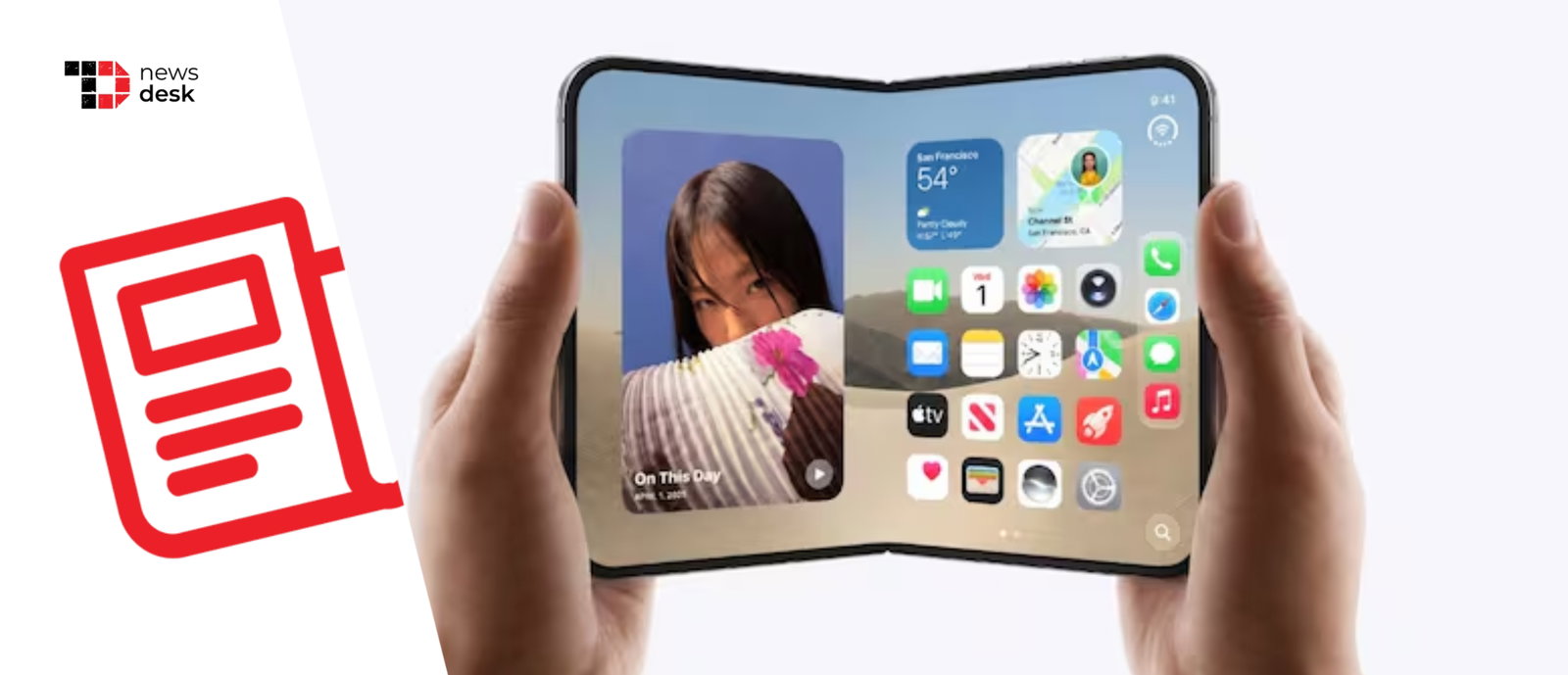
Days after shipping on October 23, some iPhone Duo owners reported cracks and bright lines near the hinge. Apple confirmed a small number of units are affected and is offering replacements through AppleCare. The cause remains unconfirmed.
|
|
|
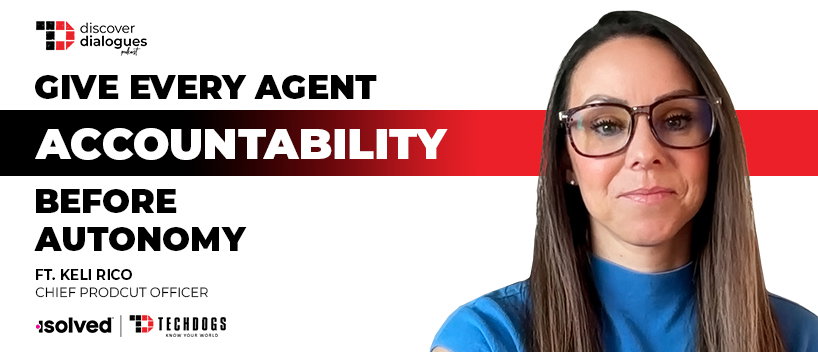
Not every tech mistake ends up in court. Some just end in a missed paycheck. Kelli Rico explains how isolved uses AI agents to improve payroll while keeping human oversight in place and why getting pay right is about earning employee trust.
Join the conversation.
|
|
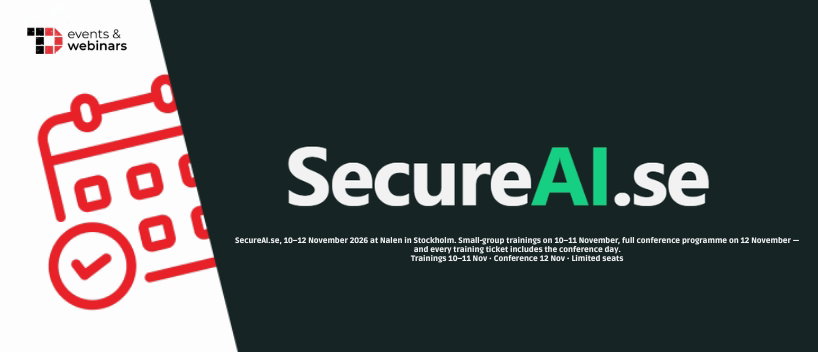
Secure AI Summit 2026 takes place at Nalen in Stockholm, with two days of hands-on training on November 10 and 11 before the main conference on November 12. It covers both offensive and defensive approaches to AI security.
Register now.
|
|
|
That is all for this edition of #TDFutureFocus.
Tech has always been good at shipping fast. This week showed what happens when the invoice arrives just as quickly. Some companies are appealing, some are settling, and one is simply swapping screens.
As Diwali arrives, it’s the season for closing old books and opening new ones. We hope your celebrations are bright, your sweets are plentiful, and your privacy settings are switched on. Happy Diwali from all of us at TechDogs, and we’ll see you in the next edition.
|