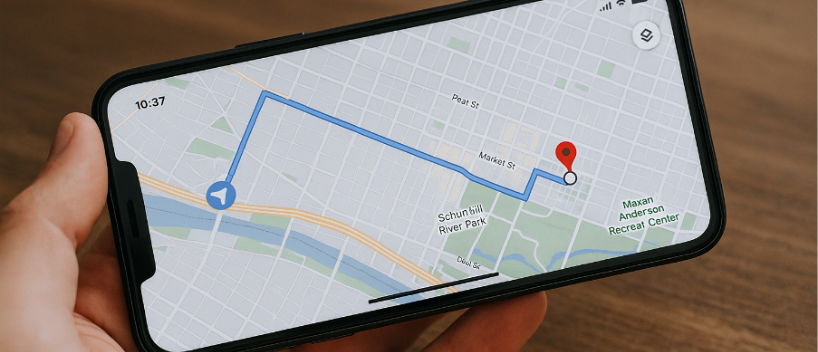

The alternatives ecosystem has evolved, so this guide will help you narrow in on the five prospects about to dominate the mapping landscape in 2025 and suggest the best mapping partner to adopt, given your product roadmap and budget.
Choosing Your Next Location Platform
When switching away to a platform as huge as Google Maps, evaluating alternatives based on more than price is important. The wider technological market is experiencing a lot of rivalry in the prices of APIs, making cost-effectiveness an even more critical factor. This is an evaluation of platforms that will be conducted based on important principles needed by development teams:
-
Cost-Effectiveness & Predictability: Does the pricing model scale fairly without surprise bills?
-
Feature Set & Specialization: Does the platform offer basic mapping, or does it excel in geofencing, logistics, or custom design?
-
Developer Experience: Are the SDKs, APIs, and documentation clear, modern, and easy to implement?
-
Accuracy & Reliability: Can you trust the data for mission-critical applications, from on-demand delivery to in-store customer experiences?
Radar
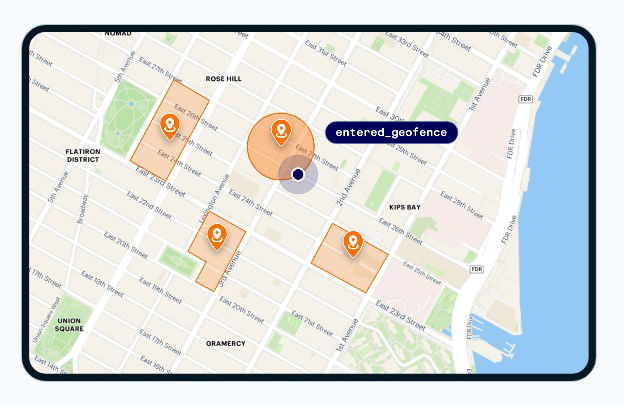
Radar is an all-in-one location platform uniquely combining a cost-effective Maps API with advanced geofencing. This allows businesses to connect their mobile apps and physical locations, using savings from maps to fund here features that boost app engagement and foot traffic.
Developed to support the engineer, Radar has stable SDKs that handle more than 100 billion API calls yearly and maintain 99.99 percent uptime every year. It delivers industry-leading precision so that hyper-relevant micro-messaging can target a customer in a particular store aisle.
Key Features
| Feature | Description |
| Geofencing Platform | Drive timely and personalized user engagement with location-based triggers, powering features like curbside pickup and in-store modes. |
| Maps Platform | A cost-effective solution for store locators, address autocomplete, and interactive maps with geocoding and search APIs. |
| Trips | Provides live ETAs and arrival detection, perfect for optimizing pickup, drive-thru, and delivery experiences. |
| Developer-Friendly Tools | Open-source SDKs and flexible APIs designed for single-sprint implementation and remote configuration. |
Mapbox
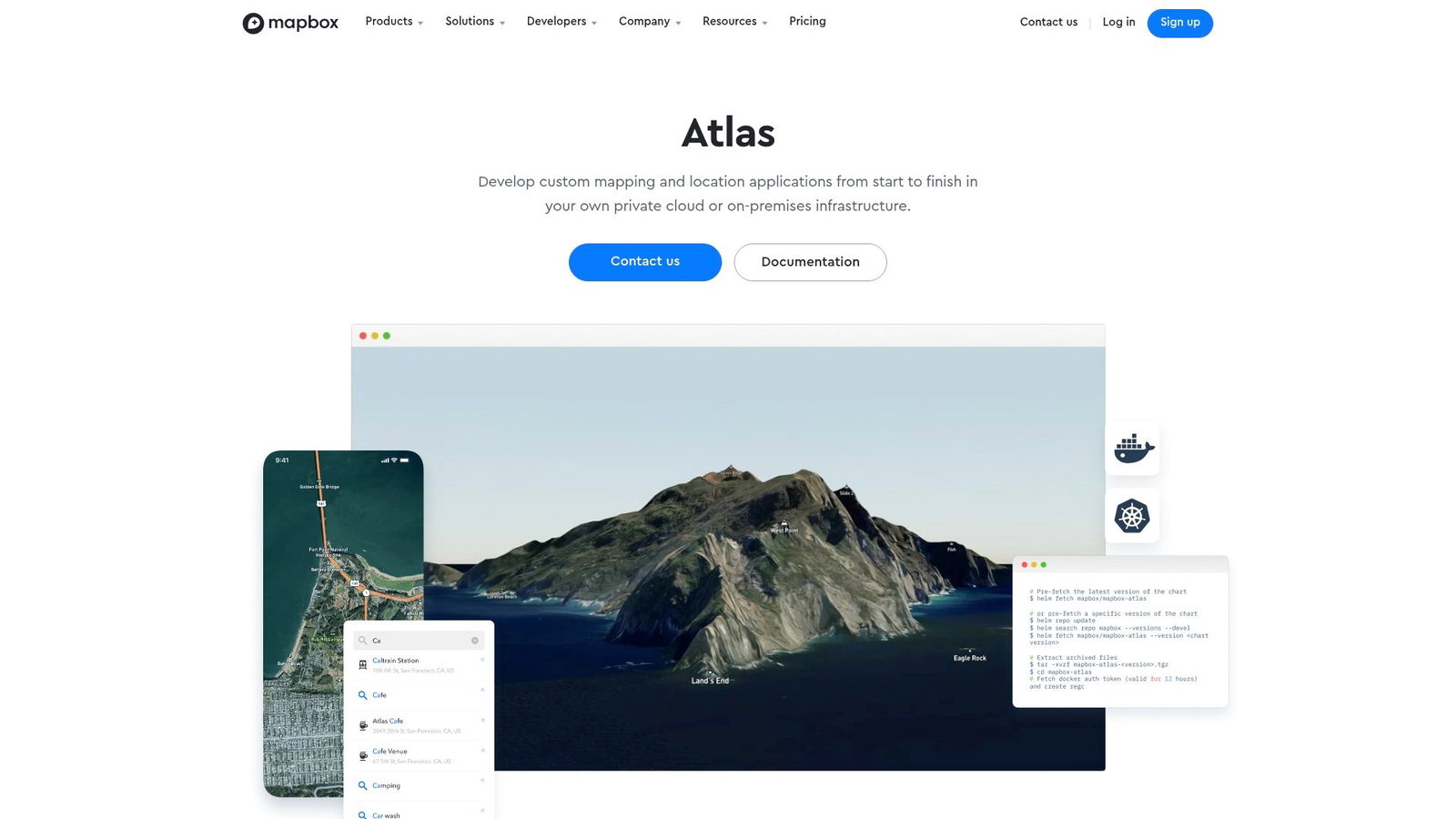
Mapbox is a developer platform for creating highly customized, high-performance vector maps that can be styled to match any brand. Excelling in dynamic 3D rendering, AR integration, and advanced navigation, it is ideal for building sophisticated location-based applications for web, mobile, and automotive. With comprehensive SDKs and APIs, Mapbox has also expanded into AI with MapGPT, a voice assistant for natural navigation.
Capabilities
| Capability | Description |
| Custom Maps | Highly flexible tools for creating unique map styles and data visualizations with Mapbox Studio. |
| Navigation | Turn-by-turn directions, real-time traffic, and customizable navigation experiences for mobile and in-car systems. |
| Search & Geocoding | APIs for converting addresses to coordinates (and vice-versa) and for location-based search. |
| Mapbox Atlas | An on-premise or private cloud solution for running Mapbox services in offline or secure environments. |
HERE Technologies
Features
| Feature | Description |
| Routing & Navigation | Algorithms for route optimization, including real-time traffic, EV charging stops, and fleet logistics. |
| Map Data | Rich, accurate mapping content including road networks, speed limits, building footprints, and points of interest. |
| HD Live Map | A self-healing, high-definition map service designed to support autonomous vehicles. |
| Location Services | A comprehensive suite of APIs for geocoding, search, and location intelligence for supply chain and asset tracking. |
OpenStreetMap
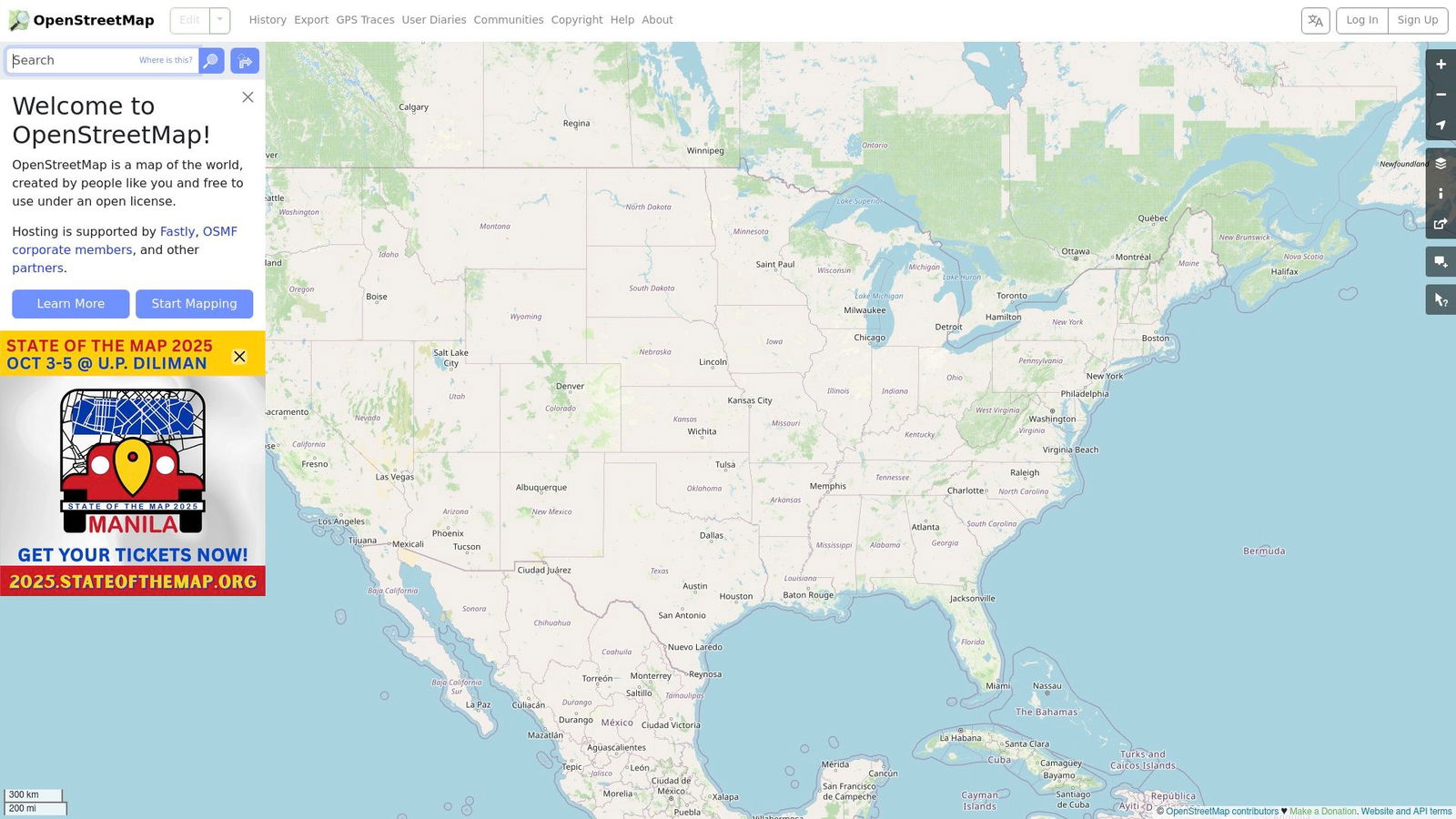
OpenStreetMap (OSM) is a free, collaborative global map built by volunteers, much like a Wikipedia of maps. It offers open-source geographic data used by thousands of apps, from humanitarian initiatives to privacy-explicit apps. Whereas OSM demands its hosting of the data (or a third-party API), it provides unmatched flexibility and customization. It is an effective and economical solution for projects requiring rich, detailed map data.
At a Glance
| Aspect | Description |
| Data | Free access to global geographic data including roads, buildings, addresses, POIs, and land use. |
| Community | A massive, active global community of volunteers who map, edit, and maintain the data. |
| Flexibility | Developers have full control over the data and can use it to build highly customized mapping applications. |
| Ecosystem | OSM is the foundation for a wide range of tools and services, from routing engines to map rendering software. |
TomTom
TomTom has evolved from iconic navigation devices into a leading geolocation technology company. It provides advanced mapping for best-in-class navigation, routing optimization, and real-time traffic data. Serving a diverse client base from automotive to enterprise, TomTom is a robust and scalable alternative to Google Maps, especially for applications that depend on highly accurate ETAs and efficient routing.
API Suite
| API | Description |
| Map Display API | Provides customizable raster and vector map tiles for web and mobile applications. |
| Routing API | Powerful routing engine that includes real-time and historical traffic data, route optimization, and matrix routing. |
| Search API | Offers geocoding, reverse geocoding, and fuzzy search for addresses and points of interest. |
| Traffic API | Delivers real-time traffic flow information, incident details, and speed camera data. |
Finding the Right Path Forward
Switching from Google Maps is a strategic decision for greater control, specialized features, and application resilience—not just a way to cut costs. A strong ecosystem of alternatives now offers specialized solutions, from Radar's all-in-one platform and Mapbox's design flexibility to HERE's enterprise precision, the open-source data of OpenStreetMap, and TomTom's reliable routing. You can select the right location partner to meet your technical requirements and support your long-term product goals by evaluating your project's specific needs.