
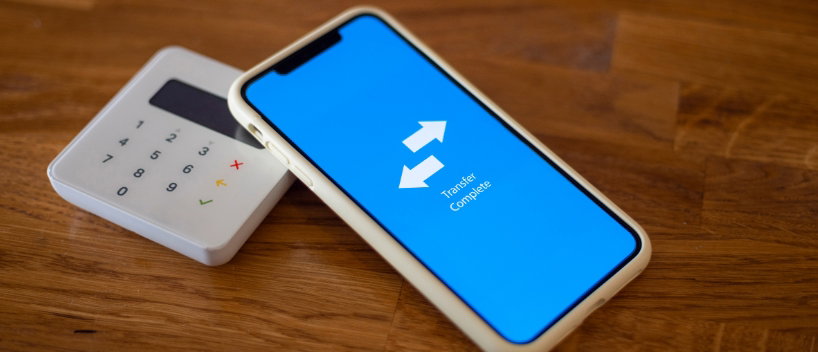

In this post, let’s chat about how digital payments evolved, what makes them tick, why people love them, and the challenges they still face.
Where It All Began
The whole digital payment journey started way back—think the 1960s. Banks introduced something called Electronic Funds Transfer (EFT), letting people send money from one account to another without handing over physical cash.
Then came credit cards, debit cards, online banking, and eventually those neat little apps like PayPal and Venmo. Each one made sending money easier and quicker.
Mobile Payments Took Over
The real game-changer? Smartphones.
When people started using smartphones everywhere, companies saw an opportunity. Apps like Apple Pay, Google Pay, and Samsung Pay turned phones into mini wallets. In places where banks weren’t around but mobile phones were, this became a lifesaver.
Now, people in remote areas can buy, sell, or send money—all with their phones. It’s pretty amazing when you think about it.
What’s Going On Behind The Scenes?
You don’t need to be a tech expert to understand this—let’s keep it simple.
-
Blockchain
Blockchain technology has the potential to revolutionize digital payments by offering transparent, secure, and efficient transaction recording. It is primarily known for the decentralized and immutable ledger. The emerging technology’s application in payment systems like XRP price can reduce transaction costs and settlement times, especially in cross-border transactions, by eliminating intermediaries and streamlining processes. -
Artificial Intelligence (AI)
Ever wonder how your bank catches fraud so fast? That’s AI. It looks for anything fishy in your transactions and keeps your account safe. It also helps personalize your experience.
Why Everyone’s Using Digital Payments
Here’s why most people—including you and me—are loving this switch:
-
It’s So Easy You can send money, pay bills, or buy stuff from your couch, in your pajamas. No lines, no hassle.
- It’s SafeWith things like face ID, fingerprints, and security codes, your money is well protected.
-
People who don’t live near a bank or can’t open a traditional account now have options. Digital platforms give them a way to send, receive, and save money. Tools like The QR Code Generator also make it easier for individuals and small businesses to participate in the digital economy without needing a traditional banking setup.
- Small businesses are now embracing tools like the Best QR code Generator to accept payments instantly—no fancy POS system needed. It’s fast, easy, and perfect for today’s mobile-first world.
The Bigger Impact
Digital payments aren’t just changing how we pay—they’re changing the whole economy. Businesses today are adopting online payment solutions—like those offered by Thunes—to streamline transactions, expand globally, and meet modern customer expectations.
-
More people have access to money than ever before.
-
Online shopping has exploded because people trust the payment systems.
-
Governments can track spending better, which helps with taxes and stopping illegal money movement.
- Businesses get real-time data to understand what people are buying.
And the best part? It’s cheaper than traditional banking. Less paperwork, fewer fees, and more speed.
But Let’s Be Real—It’s Not Perfect
Here are some of the struggles digital payment platforms still face:
-
Different Rules In Every Country
Companies have to deal with a ton of legal stuff to operate in different places. It’s not easy keeping up with changing laws and staying compliant.
-
Cyber Attacks
Hackers are always trying new tricks. Even with strong security, there’s always a risk. Companies have to keep improving safety, and users need to be careful too.
-
Not Everyone Is Connected
In many parts of the world, people still don’t have access to the internet or digital tools. So, they miss out on all these benefits. We need better infrastructure and digital education to fix this gap.
Conclusion
Digital payment platforms have totally transformed our lives. They make sending and receiving money easier, faster, and safer. They’ve helped grow businesses, brought more people into the financial system, and changed how the world trades.
Yes, there are still some hurdles to jump over. But the progress we’ve made is huge—and we’re only getting started.
Whether you're sending money to a friend, shopping online, or running a small business, you’re part of this digital money revolution.