
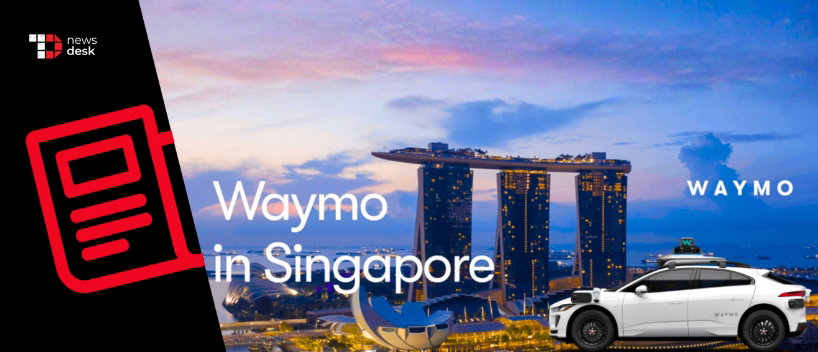
Waymo is taking its robotaxi ambitions to Singapore, but its latest moves also show just how much work happens beyond teaching a car to drive itself.
As the Alphabet-owned company targets a 2028 commercial launch in Singapore, it is also building an insurance foundation for Europe and restarting service in San Antonio after flood-related troubles. Meanwhile, Amazon-owned Zoox is preparing for fewer restrictions on how large its Nevada robotaxi fleet can become.
TL;DR
- Waymo plans to launch fully autonomous ride-hailing in Singapore through its app in 2028.
- Its Singapore fleet will begin arriving in the coming months, followed by a 2027 readiness phase.
- Waymo is also building insurance infrastructure in Europe and restarting San Antonio operations after flooding issues.
- Waymo plans to launch fully autonomous rides in Tokyo in 2027 with Nihon Kotsu and GO, starting with an initial fleet before expanding to around 100 vehicles.
Waymo Plans Fully Autonomous Robotaxi Service In Singapore For 2028
Waymo plans to introduce a fully autonomous, all-electric commercial ride-hailing service in Singapore in 2028, working with the country’s Ministry of Transport and Land Transport Authority. The expansion marks Waymo’s first entry into Southeast Asia.
Its first all-electric Jaguar I-PACE vehicles are expected to arrive in the coming months as Waymo establishes local operations. In 2027, trained autonomous specialists will manually drive the vehicles to adapt the Waymo Driver to Singapore’s road layouts, monsoon weather and other local conditions before the planned public launch through the Waymo app in 2028.
Waymo says it has already completed more than 20 million fully autonomous rides and driven over 300 million fully autonomous kilometers. It also claims its system has delivered a 94% reduction in injury-causing crashes compared with human drivers in the US cities where it operates fully autonomously.
The company also sees its service complementing Singapore’s existing public transportation network. Waymo says more than a third of its San Francisco riders are picked up or dropped off near transit stations, while its current electric fleet prevents an estimated 480 metric tons of carbon dioxide from road travel each week.
“Singapore has built one of the safest, most efficient, and most forward-thinking transportation ecosystems in the world,” Waymo co-CEO Tekedra Mawakana said.
Yet getting robotaxis onto new roads requires more than mapping streets and securing regulatory approval. Waymo is also putting the financial and operational systems around its autonomous fleet in place.
Waymo Partners With Allianz To Build Its European Robotaxi Insurance Network
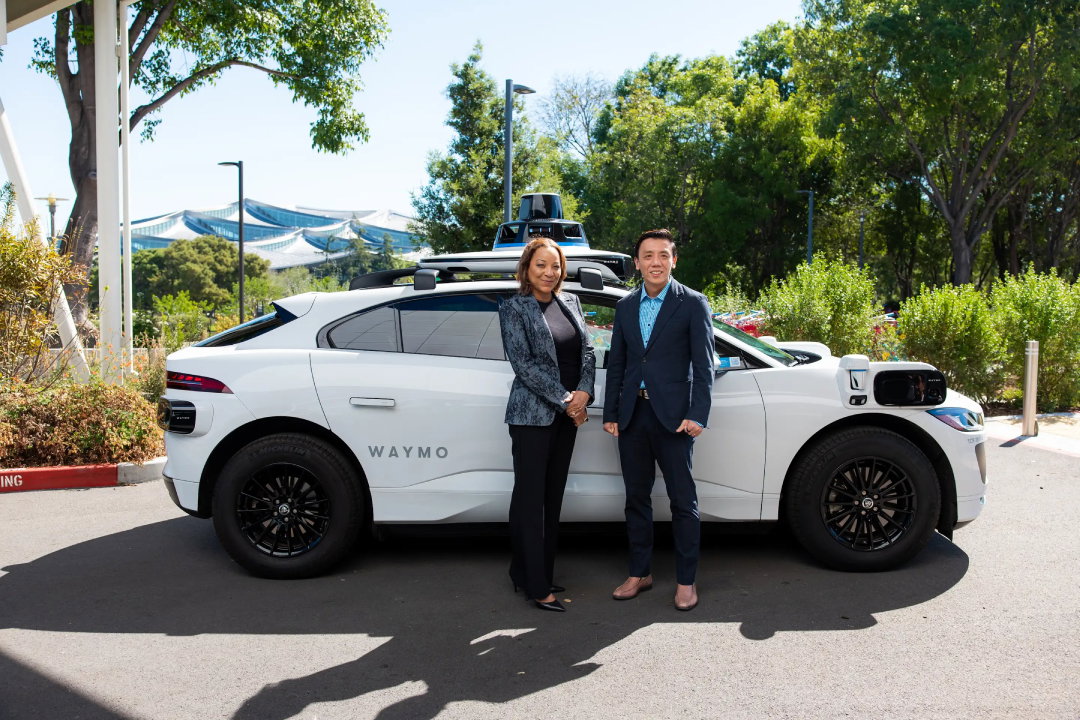
Ahead of its planned deployments in London and Munich, Waymo has partnered with Allianz Partners to establish an insurance, claims and safety research framework for its European operations.
Allianz will support Waymo with fleet insurance, liability protection, autonomous mobility insurance models and digital claims management. The companies will also conduct safety research covering crash analysis, safety modeling and risk evaluation, while potentially exploring vehicle recovery services designed for autonomous fleets.
Waymo says it now provides more than half a million paid trips per week in the US and cites real-world data showing a 16-fold reduction in serious-injury crashes compared with human drivers in areas where it operates.
“Autonomous mobility is one of the most significant shifts our industry will navigate in the years ahead,” Allianz Partners CEO Tomas Kunzmann said.
That focus on managing risk is particularly relevant as Waymo works through the less predictable conditions robotaxis can encounter on public roads.
Waymo Restarts San Antonio Robotaxis After Flooding Triggered A Recall
Waymo has restarted its robotaxi service in San Antonio five months after flooding caused problems for its autonomous vehicles. Multiple Waymo vehicles became stuck during heavy flooding in April, while one was swept away during a flash flood.
The vehicles reportedly slowed as they approached flooded streets but did not stop. Waymo issued a recall in May and restricted its robotaxis from operating in areas considered at elevated risk of flooding.
The resumed San Antonio operation is expected to involve dozens of vehicles across a 60-mile area covering downtown and San Antonio International Airport. Waymo said it has changed its software to help vehicles better detect and avoid standing water, while the company is now offering paid rides across 15 US cities.
Waymo may be expanding rapidly, but the robotaxi race around it is getting busier too, particularly in Las Vegas.
Topics For More Insights
Waymo Plans Tokyo Robotaxi Launch In 2027 With Nihon Kotsu And GO
Waymo is also preparing to open its robotaxis to riders in Tokyo.
The company has agreed with Nihon Kotsu and mobility platform GO to prepare for a commercial unmanned ride-hailing launch in 2027.
Waymo has been operating in Tokyo since 2025, with its vehicles driving autonomously under the supervision of trained Nihon Kotsu crew members. The testing has helped the Waymo Driver adapt to conditions including narrow neighborhood roads and dense pedestrian traffic.
The planned service will be available through both the GO and Waymo apps, allowing riders to request fully autonomous trips alongside conventional taxis through GO. Waymo intends to begin with an initial fleet before gradually expanding to around 100 vehicles across key Tokyo neighborhoods.
However, the 2027 timeline depends on Waymo and its partners securing regulatory approval from national and local authorities and completing ongoing technology and operational validation.
The Tokyo expansion gives Waymo another major international market alongside Singapore and its planned European operations, strengthening a broader push to adapt its autonomous ride-hailing model to local transportation systems rather than relying on a single deployment approach.
