

Cyber Security
Truecaller Launches Scam Checker To Detect Suspicious Links, Messages And Phone Numbers
Updated on Mon, Sep 28, 2026
Share
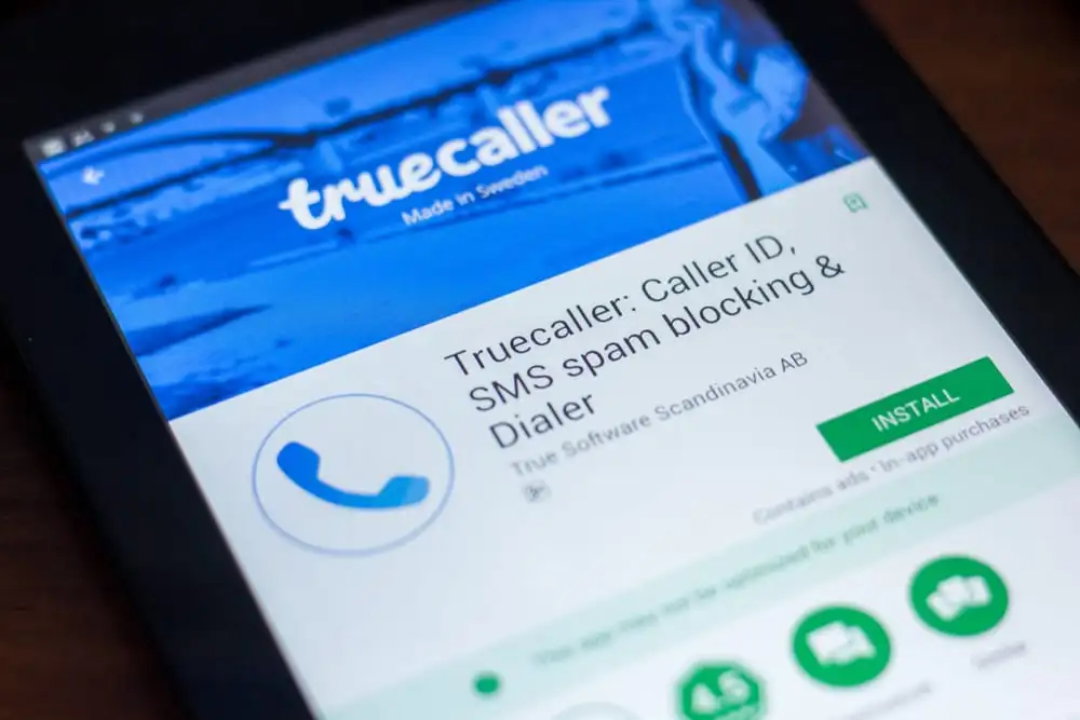
Truecaller is expanding beyond its traditional caller ID business with Scam Checker, a free web and Android service that lets users check suspicious phone numbers, links and messages for potential scams without requiring an app installation or sign-in.
The service is initially available in India, Truecaller’s largest market, and is expected to expand to Latin America, the Middle East and Africa, and Southeast Asia.
TL;DR
- Truecaller launched Scam Checker, a free web and Android service for checking suspicious phone numbers, links and messages.
- The service uses Truecaller’s risk database, fraud signals and community reports to identify potential scams.
- Truecaller says around 20,000 scam reports are live on ScamFeed in India, with about 1,300 new reports added weekly.
- The service is initially available in India, with other regions expected to follow.
Truecaller Takes Scam Detection Beyond Caller ID
Truecaller has launched Scam Checker as it looks to extend its scam detection capabilities beyond identifying unknown and potentially fraudulent callers.
The free service allows users to paste suspicious phone numbers, links and messages into the tool to determine whether they may be connected to fraudulent activity. Unlike some of Truecaller’s existing services, people using Scam Checker on the web do not need to sign in.
For suspicious links, Scam Checker can expand shortened URLs and follow redirects until reaching the final destination. It then checks the link against Truecaller’s proprietary risk database and other fraud signals.
Truecaller separately says its link-checking technology uses signals including community fraud reports, known phishing and scam databases, and domain information. Results can include a verdict, scam type, redirects, final destination, domain ownership and registration information.
Users can also paste suspicious messages into Scam Checker, allowing the service to identify phone numbers or links contained in them and surface relevant community reports.
Truecaller said its decision to develop the service was influenced by how people already investigate suspicious communications online. The company estimates that around 14 million web searches are made each month to check suspicious links and phone numbers.
“When you need it, you’re usually somewhere else. The link shows up on WhatsApp. Your mum gets a message about a traffic fine,” Truecaller CEO Rishit Jhunjhunwala told TechCrunch, explaining that people often turn to search when faced with potentially fraudulent content.
Truecaller Turns To Its Community For Scam Intelligence
Scam Checker also draws on reports submitted through ScamFeed, Truecaller’s user-generated community feed for reporting and discussing scams.
Truecaller said around 20,000 scam reports are currently live on ScamFeed in India, with approximately 1,300 new reports being added each week. Between September 14 and 20, the company said it evaluated 12.9 billion messages globally and flagged 20.3 million as fraudulent.
However, community reports should not automatically be treated as verified findings.
Truecaller’s ScamFeed Community Guidelines state that the company does not validate individual user submissions and warns that ScamFeed content and Truecaller summaries may not necessarily be verified. The company advises users to exercise judgment and independently verify information.
Truecaller initially introduced ScamFeed as a way for users to report scam experiences, share screenshots and discuss emerging scam techniques. It said collective reports could help identify patterns as similar scams are reported by more users.
Topics For More Insights
Why Is Truecaller Expanding Beyond Caller ID?
The launch comes as scams increasingly extend beyond conventional phone calls into SMS, messaging apps and web links.
It also arrives as Truecaller faces growing competition around its core caller identification business. India remains the company’s biggest market, with more than 350 million users, while telecom operators are rolling out the government-backed Calling Name Presentation service. Apple and Google also provide caller identification and spam-protection features.
This gives Truecaller an incentive to apply its existing scam intelligence to more forms of communication rather than relying primarily on caller identification.
“Caller ID was the first problem we solved, and it’s still how most people find us,” Jhunjhunwala said. “But scams moved to a more multi-channel approach with links and messages, and increasingly to voice and video. Our protection has to follow the scammer.”
Truecaller plans to expand the types of scams Scam Checker can detect and add support for screenshot uploads in the future.
First published on Mon, Sep 28, 2026

Enjoyed what you read? Great news – there’s a lot more to explore!
Dive into our content repository of the latest tech news, a diverse range of articles spanning introductory guides, product reviews, trends and more, along with engaging interviews, up-to-date AI blogs and hilarious tech memes!
Also explore our collection of branded insights via informative white papers, enlightening case studies, in-depth reports, educational videos and exciting events and webinars from leading global brands.
Head to the TechDogs homepage to Know Your World of technology today!
Disclaimer - Reference to any specific product, software or entity does not constitute an endorsement or recommendation by TechDogs nor should any data or content published be relied upon. The views expressed by TechDogs' members and guests are their own and their appearance on our site does not imply an endorsement of them or any entity they represent. Views and opinions expressed by TechDogs' Authors are those of the Authors and do not necessarily reflect the view of TechDogs or any of its officials. While we aim to provide valuable and helpful information, some content on TechDogs' site may not have been thoroughly reviewed for every detail or aspect. We encourage users to verify any information independently where necessary.
Loading comments...