

Substack has launched an artificial intelligence detection feature that lets readers estimate how much of a newsletter post, Note, comment, or reply may have been written by a person or created with AI assistance.
Powered by Pangram, the tool is part of Substack’s broader effort to increase transparency around content creation. Rather than banning AI-assisted writing, the platform wants readers to understand the process behind the words they choose to read and support.
TL;DR
- Substack users can request AI scans for eligible posts, Notes, comments, and replies.
- The feature works on text longer than 100 words published from July 21, 2026 onward.
- Writers can explain their process, check drafts, report errors, or disable detection.
- Substack says the feature is about transparency, not penalizing thoughtful AI use.
How Substack’s AI Detection Tool Works
According to Substack’s official announcement and support documentation, users can select “Scan for
AI text” from a three-dot menu to receive a Pangram-generated estimate showing how much of eligible content appears human-written or AI-assisted.
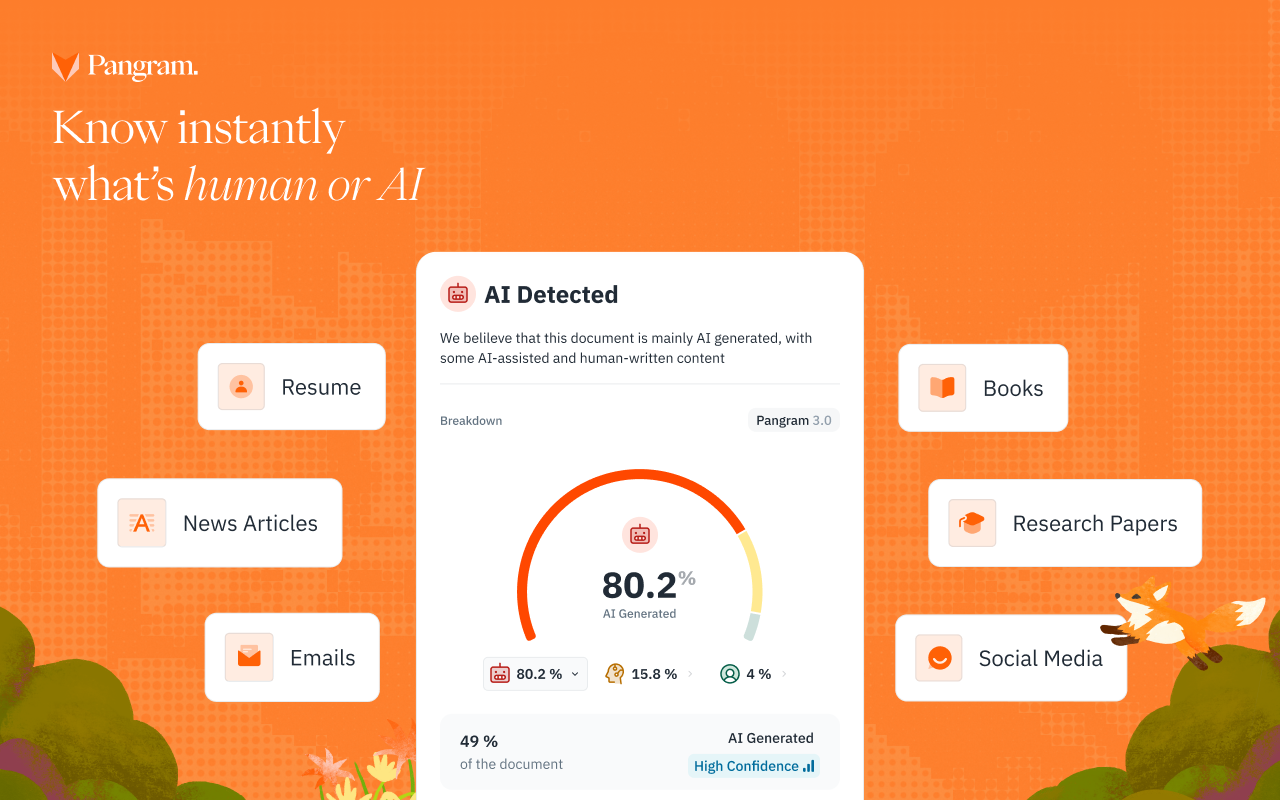
The feature is available through Substack Reader on the web and the company’s iOS app, with Android support expected later. It currently covers posts, Notes, comments, and replies, but not video or audio posts, emails, standalone Substack sites, or custom domains.
Substack confirmed that the scanner works on eligible posts and Notes published on or after July 21, 2026. Readers must actively request an analysis, meaning detection scores are not automatically displayed beside every piece of content across the platform.
The company is also adding a “How I make this” statement, allowing creators to explain whether and how they use AI. Writers can scan drafts before publishing, report suspected detection errors, and disable detection on individual posts or Notes. When detection is disabled, readers see an “AI detection unavailable” message instead of an analysis.
Why Substack Is Targeting “Claudefishing”
Substack co-founder and CEO Chris Best described the problem as “Claudefishing,” meaning a mismatch between what readers believe they are consuming and how the content was actually produced.
“The core problem is not people using AI,” Best wrote, arguing that trust suffers when readers invest attention without understanding whether genuine human thought shaped the material. Speaking to TechCrunch about the rollout, he added, “This is good use of AI.”
Best also acknowledged an important limitation. “Pangram can only detect whether AI was used,” he said, meaning the tool cannot determine the care, judgment, originality, or research behind a piece. It estimates AI involvement, not whether that involvement improved or diminished the final work.
Pangram says its detector evaluates structural, stylistic, and semantic patterns associated with writing produced by leading generative AI systems. However, AI detection remains a debated technical field, and Substack’s decision to let writers report errors recognizes that automated classifications may be challenged.
Topics for more insights:
Independent reports from TechCrunch and The Verge confirmed the rollout and highlighted its central trade-off. The feature could strengthen trust by giving readers more context, while also creating disputes when writers believe human work has been incorrectly classified.
For Substack, the move is less about declaring AI-written content unacceptable and more about preserving informed choice. As generative AI becomes embedded in publishing workflows, the platform is betting that disclosure and reader-controlled verification will matter as much as the underlying technology.
