

Snap has officially introduced SPECS, its new consumer-focused augmented reality glasses, marking one of its biggest hardware bets yet. The wearable computer brings AI assistance, work tools, entertainment, and shared AR experiences into real-world surroundings, with shipments expected this fall.
TL;DR
- Snap unveiled SPECS at Augmented World Expo 2026 as standalone see-through AR glasses.
- SPECS are priced at $2,195, with a $200 refundable pre-order deposit.
- The glasses are expected to ship this fall in the U.S., U.K., and France.
- Snap says SPECS bring AI assistance, spatial work tools, entertainment, and shared AR experiences into everyday life.
- The device uses two Snapdragon processors and offers up to four hours of mixed-use battery life.
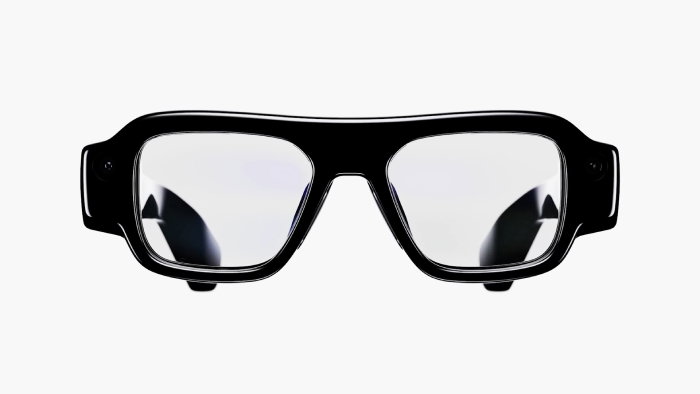
Snap has launched SPECS, its new augmented reality glasses, positioning the device as a wearable computer built into see-through AR glasses.
The company unveiled the device at Augmented World Expo 2026 and opened pre-orders at $2,195, with a $200 refundable deposit. SPECS are expected to ship this fall in the United States, United Kingdom, and France.
Source
According to Snap, SPECS are designed to bring AI assistance, work tools, entertainment, and shared experiences into the world around users, rather than pulling them away from the moment. The company says the glasses can help people create, connect, learn, and get things done while remaining present in their surroundings.
“SPECS are the beginning of a new era in computing,” said Evan Spiegel, co-founder and CEO of Snap Inc. “For decades, computers have asked us to look down, sit still, or step out of the moment. SPECS bring computing into the world around us where we live, work, learn, create, and connect.”
The launch marks a major step for Snap, which has spent more than a decade investing across augmented reality, including developer tools, a proprietary operating system, displays, optics, computer vision, and hardware. The company said it has filed more than 7,000 patents during SPECS development.
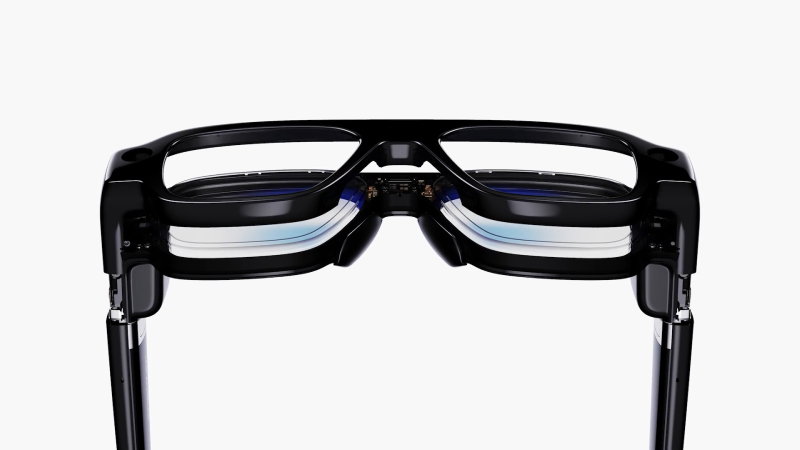
On the hardware side, SPECS are fully standalone, meaning they do not require a puck or tether. Snap says the glasses are made from high-performance Swiss TR90 polymer and come in two sizes. The 47 mm model weighs 132 grams, while the 52 mm model weighs 136 grams. Removable inserts will support a wide range of prescriptions.
Source
The display system uses Snap’s proprietary liquid crystal on silicon technology, offering a 51-degree field of view and 16 million colors. Snap says the display can feel like a 24-inch desktop monitor for work or up to a 115-inch home cinema screen placed about 10 feet away for entertainment.
Topics For More Insights
SPECS are powered by two Snapdragon processors, with one dedicated to computer vision and the other focused on running Lenses. Together, Snap says the setup enables fast hand tracking, lower latency, and more natural interactions. The company also claims 7-millisecond motion-to-photon latency, verified through robotic measurement systems.
Battery life is rated at up to four hours of mixed use, including audio and video playback, Lenses, AI assistance, Bluetooth notifications, and more. The included charging case provides four extra charges, bringing total mixed-use availability to up to 20 hours.

Source
Snap is also leaning heavily on developers. It said developers have already built hundreds of Lenses for SPECS, including learning tools, shared experiences, and practical overlays. The company also introduced agentic development for SPECS Lenses in Lens Studio through developer previews rolling out in Claude Code, Codex, and Cursor.
However, the high price may make adoption challenging. Reuters reported that Snap shares fell 1.6% after the announcement, while analysts noted that the $2,195 price point remains high for what consumers may expect from AR glasses.
Still, Spiegel framed the device as a long-term bet on a new computing category.
“The smartphone put our lives in our pockets,” Spiegel said. “SPECS put computing into the world, where life actually happens.”
